
 The Saami (previously known in English as Laplanders) are the only recognised indigenous people of Europe. But they rarely make international headlines.
Unlike most indigenous peoples in the post-colonial world, Saami people don’t live in extreme poverty and aren’t exposed to high levels of violence. But they too have a history of colonisation and discrimination, and tend not to have easy relationships with the four modern states they inhabit.
Although the Saami have made political and legal gains in the past decades, progress is precarious. And recognition of their rights by the governments of Norway, Sweden, Finland and Russia cannot be taken for granted.
As recently as February 2016, for instance, a small Saami village in Sweden won a court case against the state after a decades-long battle over hunting and fishing rights, which had been restricted by the national parliament in 1993.
Difficult relationship
The Saami established themselves as a distinct ethnic group in Scandinavia around 2,000 years ago. While they’re mostly known as semi-nomadic reindeer herders today, traditionally their livelihood also included hunting, fishing, trapping and farming.
From the Middle Ages onwards, Saami people were pushed further and further north because of migration into the areas they’d occupied. This led to a progressive loss of land as well as access to natural resources.
Attempts were made to convert them to Christianity, and assimilationist policies were adopted in the late 19th century, especially in Norway and Sweden. Saami languages and cultural activities were suppressed and, until the 1960s, many children were placed in boarding schools, where they were forbidden from speaking their native tongue.
Current population estimates vary greatly: there may be between 50,000 and 65,000 Saami in Norway; up to 20,000 in Sweden; around 8,000 in Finland; and 2,000 on the Kola Peninsula in Russia. They encompass nine language groups, but this diversity is decreasing.
Today, it’s mostly mining and logging, oil and gas, as well as wind power development projects promoted by the state and private companies that threaten Saami people’s traditional lifestyle, cultural identity and spiritual values – because all are closely connected to the natural environment. Many Saami have also left their homelands to find work in the cities further south.
Inadequate constitutional protection
Saami people started to organise themselves politically in the early 20th century. And the first tangible regional initiative to represent their populations in Nordic countries resulted in the creation of the Nordic Saami Council in 1956.
This, along with the influence of international law and the mobilisation of indigenous peoples worldwide, led to important forms of legal recognition in the second half of the 20th century. Still, although the Saami are considered one people, the degree of their recognition varies greatly in the four countries where they live.
In Norway, it was only in the aftermath of attention-grabbling protests against the construction of a major hydroelectric dam on the Alta river that the national constitution was amended (in 1988) to protect Saami culture. But the change didn’t explicitly recognise the Saami as a people, as the constitution of Finland has done since 1995 and the constitution of Sweden since 2010.
Norway added legal protection by ratifying the 1989 Indigenous and Tribal Peoples Convention of the International Labour Organisation and by adopting the Finnmark Act in 2005. The latter recognises that the Saami have – collectively and individually – acquired rights to land in the northeastern part of the country.
Still, some of the constitutional protections given to the Saami lack implementing legislation, and there are no comprehensive guarantees regarding cultural self-determination. The provision in the Swedish constitution is considered to be particularly weak. And the Russian constitution says nothing about the Saami at all.
Largely symbolic progress
So-called Saami parliaments have been established in Finland (1973), Norway (1989), and Sweden (1993). These are a positive step towards self-governance, and play an important advisory role for governments. But problems remain: the parliaments have few decision-making powers, and many Saami don’t participate in elections.
Initiatives to address injustices stemming from assimilationist policies include an apology by the Norwegian king in 1997 and the prime minister a couple of years later. Norway has also established a compensation fund.
Overall, constitutional recognition by the Nordic states of their Indigenous people has gone further than in Australia. But, in practice, the legal protection of Saami people is far from satisfactory. The Saami don’t have any real self-determination, and they still lack adequate protection of their culture and lifestyle.
Even though there’s specific legislation to protect Saami languages, as in Finland and Norway, laws are limited or not fully implemented. Access to public education in the Saami language, for instance, is restricted to designated areas. But more than half of the Saami live outside these areas, which means that many children don’t have access to education in their first language.
And while participation by and consultation of the Saami are often legally required for development and exploitation projects that impact the environment, these obligations are not always honoured. All this despite international law increasingly putting forward the importance of free, prior and informed consent by indigenous peoples.
As recently as December 2015, the Finnish government introduced a bill that would radically change the way forests are managed in the country, without adequately consulting the Saami.
On the positive side, recent mining legislation in Finland requires consultation with the Saami and sets an obligation to conduct a cultural impact assessment before any mining activities can take place in the Saami homeland.
Stalled move
To strengthen and harmonise legal protections given to the Saami in the Nordic countries, efforts have been made in recent years to adopt a Saami Convention.
This could become the first regional treaty concerning indigenous peoples and would enshrine various rights, including the right to self-determination, Saami language and culture, and land and water, endorsing the principle of free, prior and informed consent.
The convention mirrors the essence of the United Nations Declaration on the Rights of Indigenous Peoples, but it would create even stronger legal obligations for the Nordic states. Unfortunately, negotiations have stalled, and it’s not clear whether the 2005 draft convention will be adopted anytime soon.
A certain degree of recognition of the Saami and reconciliation has arguably been achieved in the Nordic countries, and this could inspire other Indigenous peoples and states in the world.
But Saami people still face significant threats. Clearly, these should be dealt with by listening to the voices of the Saami, and by considering them with respect and as full and equal partners. And by respecting their rights as an indigenous people under international law.
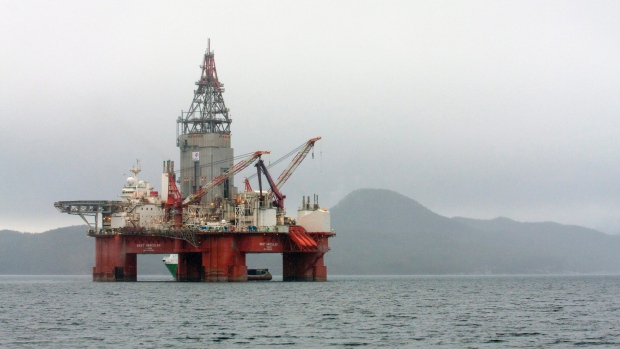
 Norway awarded on Wednesday 10 new licenses for offshore oil and gas exploration in the Barents Sea, including three in previously untouched waters near the Russian border.

 The dispute is about a missile engine, Norwegian state-owned defense company, Nammo produces for the US Air Force, writes Dagens Næringsliv.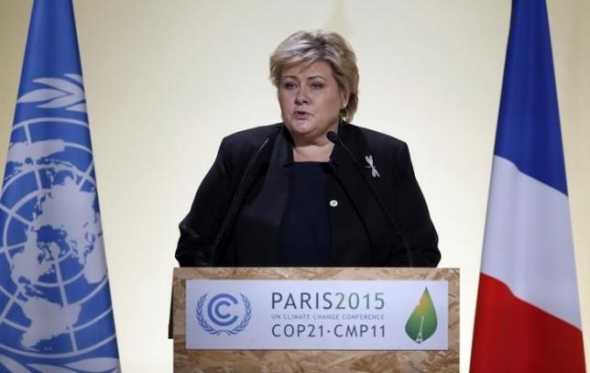
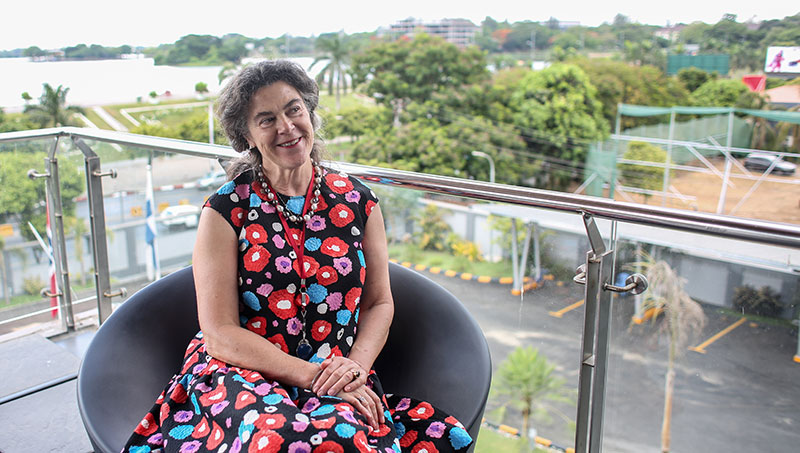
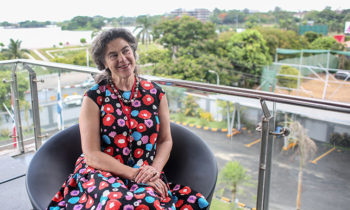 Norway has a long history of promoting political reform in Myanmar. In the following interview, Ambassador to Norway Ms Ann Ollestad, the only woman ambassador in Myanmar, spoke to Mizzima about her government’s priorities in Myanmar.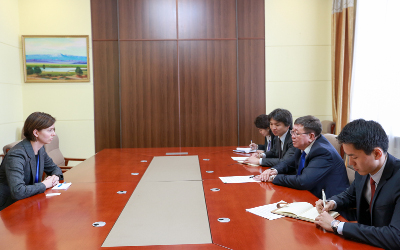
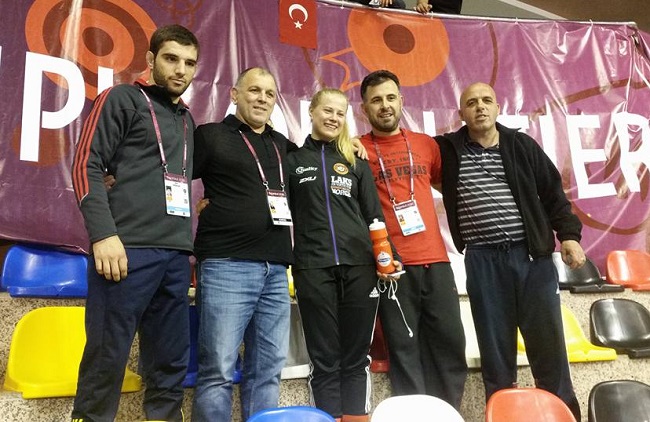
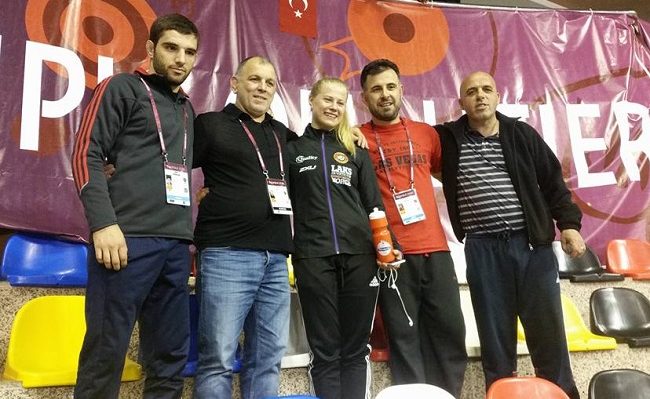 Norwegian wrestler Signe Fidje Marie, who qualified for the Olympics is considering applying for citizenship of one of the Central European countries.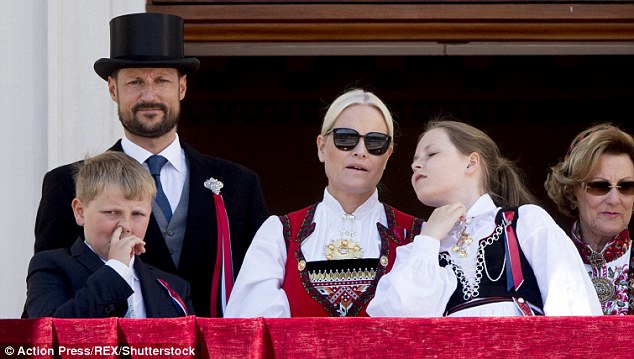

 A study of 20 apps’ terms and conditions by the Norwegian Consumer Council has found that three location-tracking apps may be in breach of European data protection law.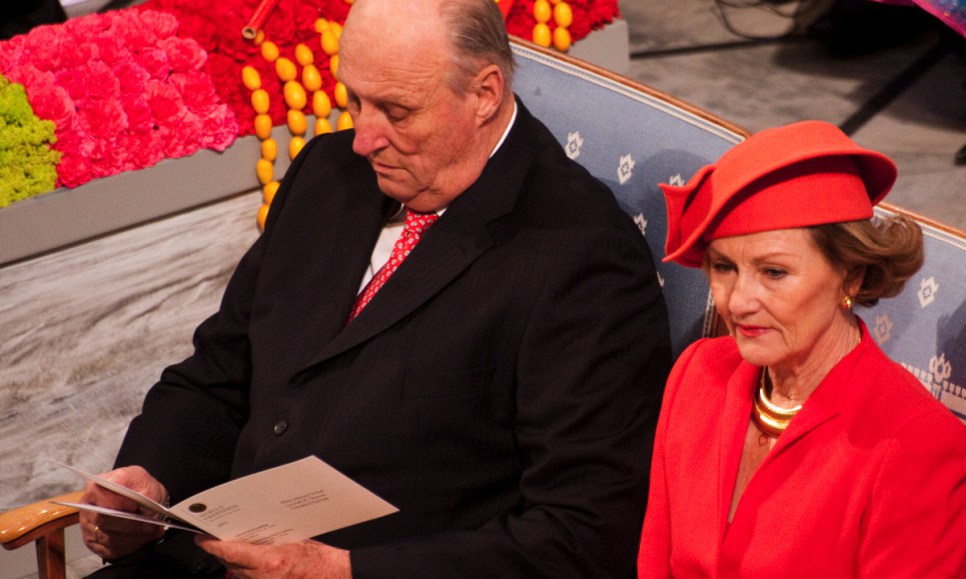
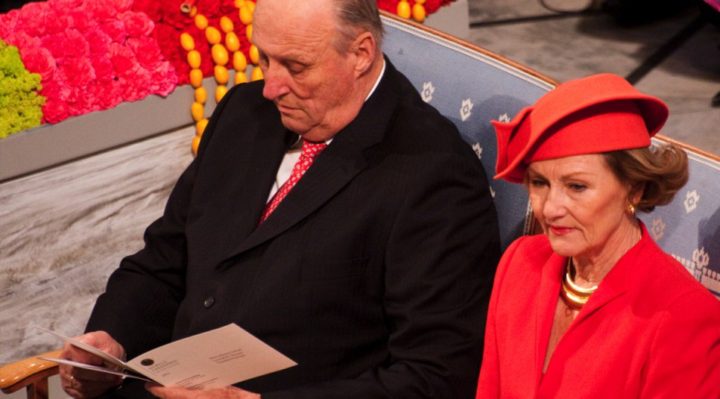 On Thursday, Queen Sonja opened an exhibition of glass art called “Smakebiter” in the Queen Josephine Gallery in the Oscarshall in Bygdøy, Western Norway. Included within the exhibition are exhibits from the Queen’s personal collection of glassware. The Queen commented as she opened the exhibition that she finds glass art fascinating. She said ‘Glass art is a difficult medium. I have tried it myself, and know from experience how fast a piece of glass can turn into a thousand pieces’
 A letter was written to the Norwegian Prime Minister, Erna Solberg, by more than 100 attorneys from the United States, abroad, and members of the European Parliament addressing the government’s act of seizing five children from their parents over Christian faith.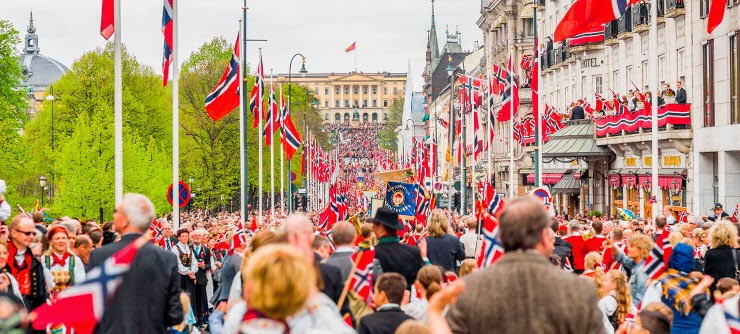
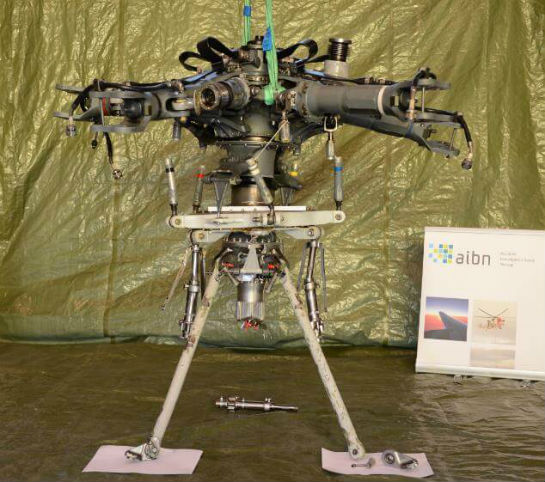
 The analysis of the fatal Airbus Helicopters H225 crash near Turøy, Norway, is focusing on the examination of the main rotor head suspension bar assembly, the main gearbox, and the main rotor head (MRH), as investigators attempt to piece together how the aircraft’s MRH and mast suddenly detached in flight.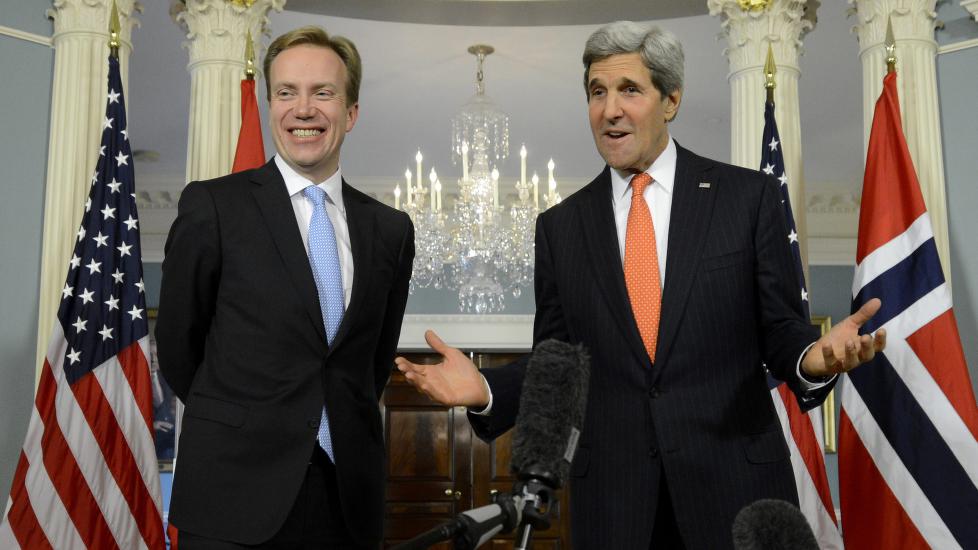
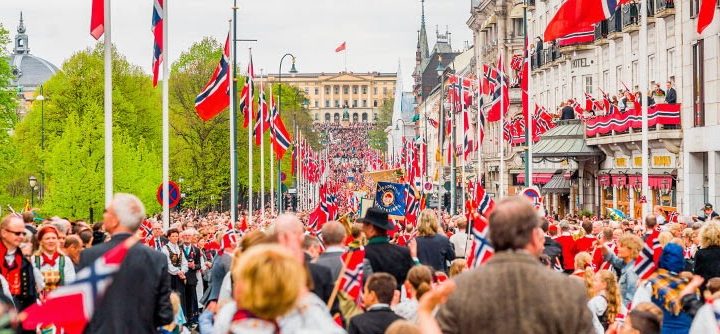
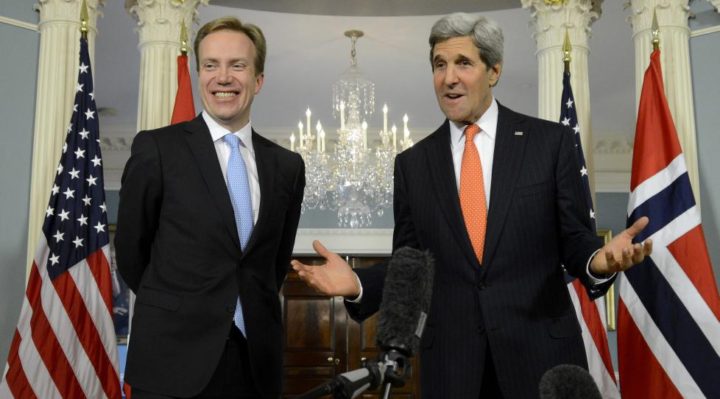 Washington, DC – Secretary of State John Kerry: “On behalf of President Obama and the American people, I extend my heartfelt congratulations to all Norwegians as you observe Constitution Day on May 17.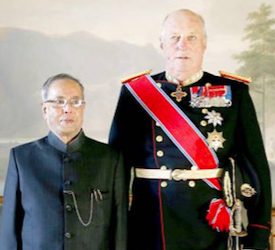
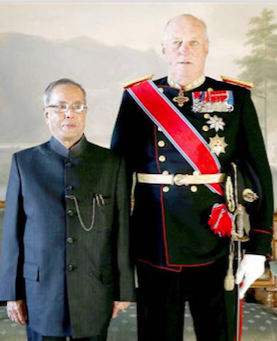 Indian president Pranab Mukherjee on Monday extended his greetings and felicitations to Norwegian King Harald V and his people on their Constitution Day.
 As the commander of a Cold War submarine tracking the Soviets, John Jeanette’s dresses were stashed away in a locker reserved for top-secret documents.
 The US has started gas supplies to the European market, which analysts believe cannot pose a threat to traditional suppliers like Russia and Norway. The first tanker with American LNG arrived in Europe in late April. According to an article in Die Welt, “The shipment of LNG from the US to Portugal could accelerate the drop of gas prices in Europe,” Sputnik reported.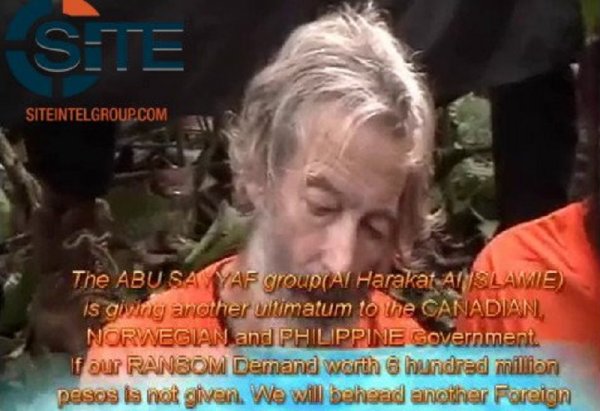
 An Islamist group in the Philippines has released a video featuring two Western hostages whom it has threatened to behead if a 600m pesos (£9m, $13m) ransom is not paid by June. Canadian Robert Hall and Norwegian Kjartan Sekkingstad appeared in the clip released by Abu Sayyaf, a group that executed Canadian John Ridsde in April 2016.
 The world’s largest sovereign wealth fund intends to take legal action against Volkswagen.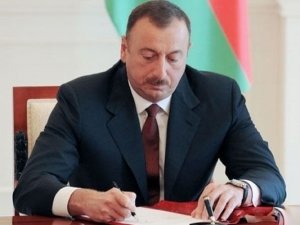
 Azerbaijan’s President Ilham Aliyev has congratulated His Majesty King Harald V of Norway on the occasion of his country’s national holiday.