
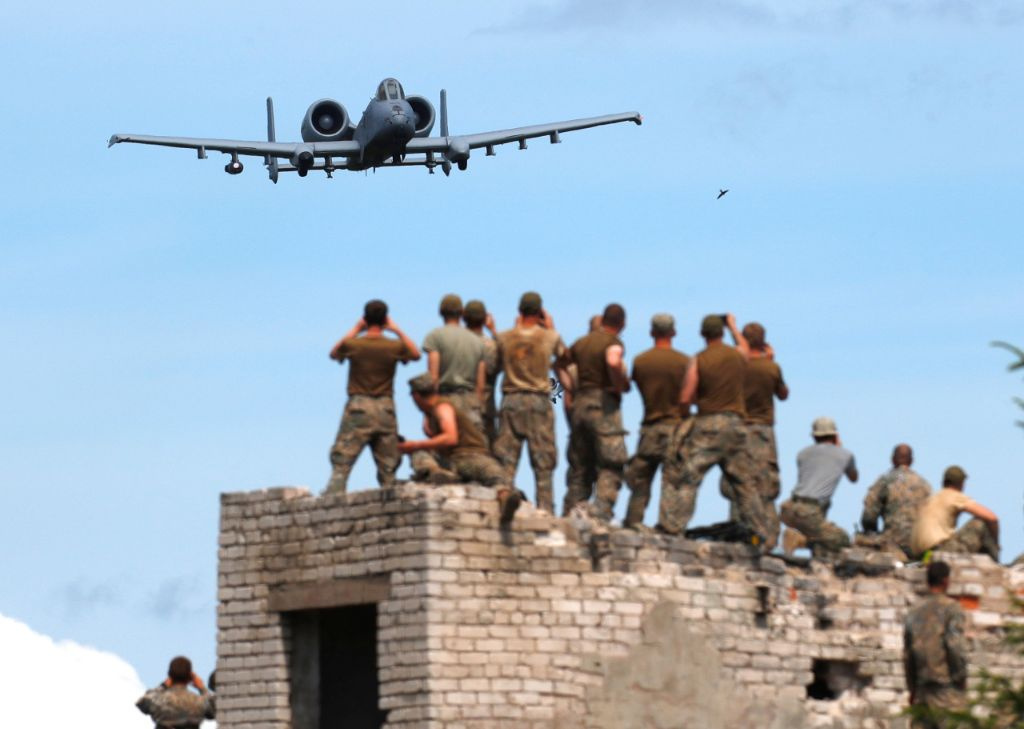
 The United States and its NATO allies continue to find ways to antagonize Russia. The latest provocation is a request from Norway to more than double the number of U.S. troops stationed on its territory and deploy them even closer to the border with Russia. Granted, the numbers involved are not large. There are currently 330 American military personnel in the country on a “rotational” basis. Oslo’s new request would increase the number to seven hundred. If the Norwegian government gets its way, the new troops would be stationed in the far north, barely 260 miles from Russia, in contrast to the existing unit in central Norway, several hundred miles from Russian territory.
The rotational aspect theoretically complies with Norway’s pledge to Moscow in 1949 when it joined NATO that Oslo would not allow U.S. bases on its territory. Indeed, Foreign Minister Ine Marie Eriksen Soriede reiterated that assurance in connection with the new troop request, contending that there would be “no American bases on Norwegian soil.” Making their official status rotational supposedly means that the troops are there only on a temporary basis. It is a cynical dodge that fools no one—least of all Vladimir Putin and his colleagues in the Kremlin.
She should perhaps receive credit for being able to make such a statement with a straight face. But such transparent dishonesty is a longstanding feature of NATO’s behavior toward Moscow. Even during the Cold War, Western officials routinely insisted that the Alliance was not directed against the Soviet Union. In their more candid moments, though, they conceded the obvious—that NATO was a military mechanism to contain Soviet power. Granted, it was not the sole purpose. Lord Hastings Ismay, NATO’s first secretary general, stated that NATO was created to “keep the Soviet Union out, the Americans in, and the Germans down.” The first objective, though, seemed to be the most important.
Containment of the Soviet Union made sense to keep democratic Europe out of Moscow’s geopolitical orbit, and NATO was an important component of that strategy. But Western leaders continued to apply that model to a noncommunist Russia once the Cold War ended. Indeed, they intensified the containment rationale by adding new members throughout Eastern Europe and expanding the Alliance to Russia’s border. Those actions were taken despite verbal assurances from Secretary of State James Baker and West German foreign minister Hans-Dietrich Genscher at the time of German reunification that NATO would not expand beyond Germany’s eastern border.
Throughout the Alliance’s inexorable move eastward, Western officials and pundits insisted that NATO enlargement was not directed against Russia. Indeed, some members of the Western foreign-policy community argued that the move would benefit Russia by erasing Cold War dividing lines and increasing Eastern Europe’s political and economic stability. One wonders whether Westerners thought that the Russians were gullible enough to believe such absurd arguments, or the proponents actually believed their own propaganda.
NATO leaders continue to insist that the Alliance has no offensive intent against Russia or that the Alliance seeks to undermine Moscow’s interests. But NATO’s behavior belies such assurances. The interventions in Bosnia and Kosovo that weakened and eventually truncated Serbia, a longstanding Russian ally, was certainly not a friendly act. Stationing Alliance (most notably U.S.) forces and weapons systems in NATO’s easternmost members, (a process that has accelerated markedly since Russia’s annexation of Crimea in 2014) likewise is provocative.
Yet Western leaders and publics act as through Russia has no legitimate reason to react negatively to such moves, as Soriede stated explicitly regarding the proposed increase in the U.S. troop presence in her country. NATO has conducted several large-scale military exercises in Poland and other member states, as well as naval maneuvers in the Black Sea near Russia’s important naval base at Sevastopol. Again, the Russians apparently are wrong to regard such actions as provocative and threatening.
U.S. and NATO leaders need to adopt a much more realistic attitude. Any nation would regard NATO’s behavior as decidedly unfriendly, and even menacing, if conducted on its frontiers. Continuing such actions while cynically denying their hostile intent could easily lead to miscalculation and a catastrophic confrontation. As a first step toward mending ties with Moscow, the Trump administration should summarily reject Norway’s unnecessary request for more U.S. troops.
Ted Galen Carpenter, a senior fellow in defense and foreign-policy studies at the Cato Institute and a contributing editor at the National Interest, is the author or contributing editor of twenty books on international affairs, including five books on NATO.
(nationalinterest)

 Imagine an airport you never want to leave. Architects are at work at making the wildest dreams of a captive audience of travelers into reality as part of an effort to boost Oslo’s international profile and local economy.


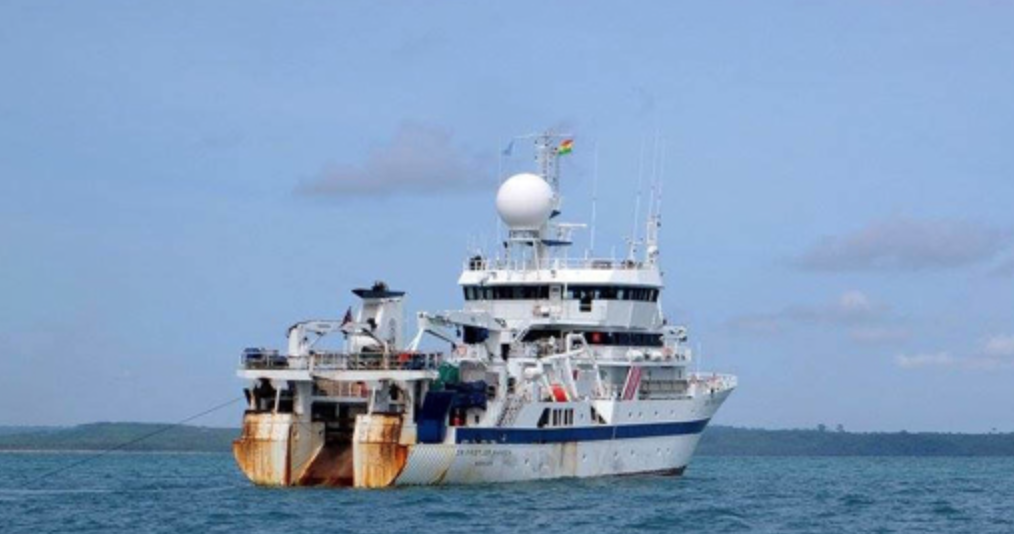
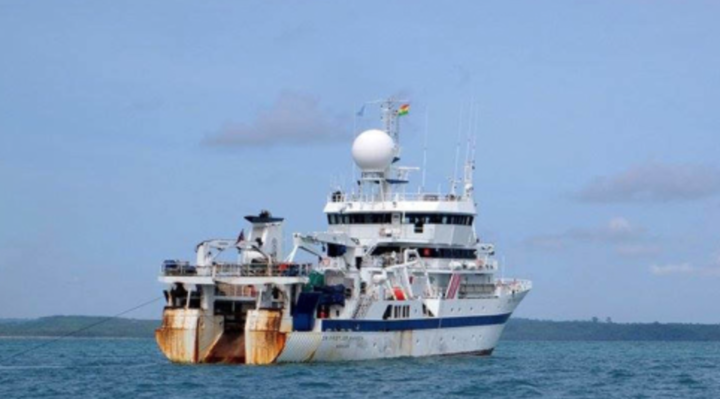 Advanced Norwegian research vessel, Dr Fridtjof Nansen will commence a three-week survey on fisheries resources and the marine ecosystem of Sri Lankan waters from tomorrow. It will cover the continental shelf and upper slope of Sri Lanka.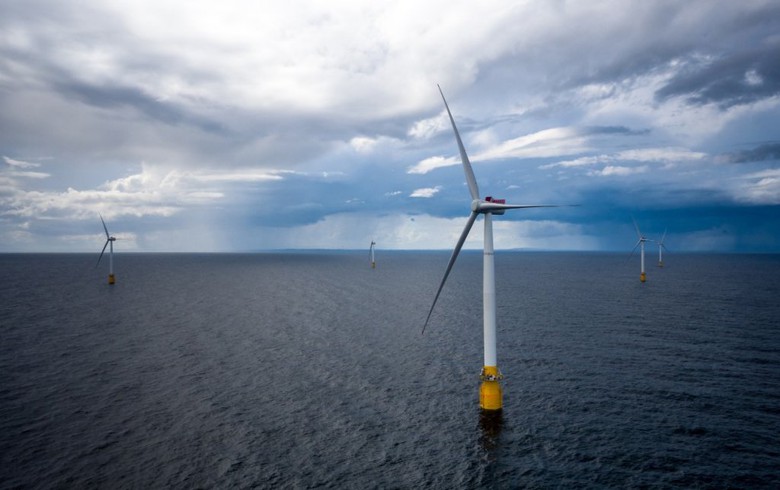
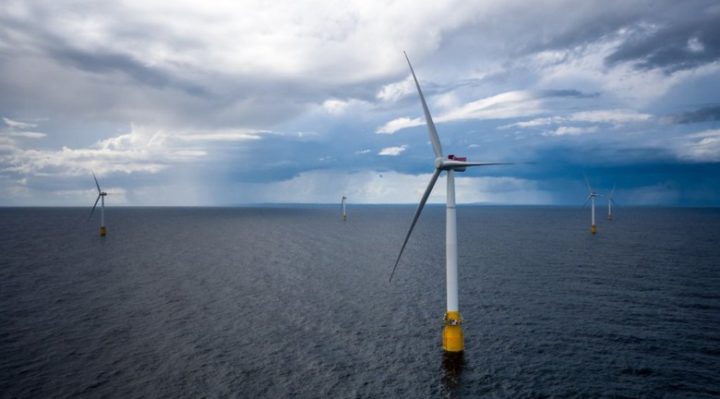 The energy minister of Norway will discuss the topic of floating offshore wind development off the country’s coasts at a meeting with companies on Wednesday, Reuters reports.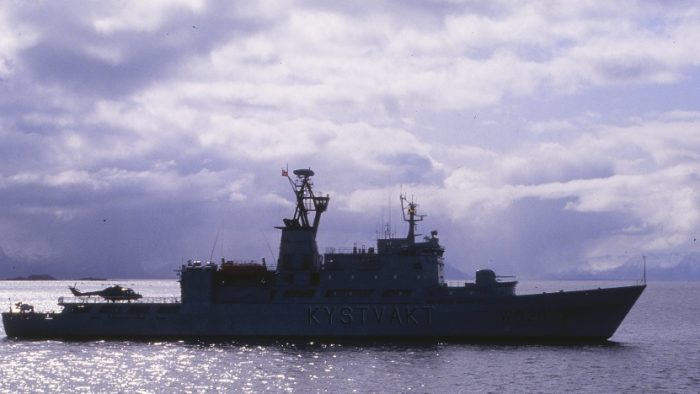
 In the second week of 2018, Norwegian Prime Minister Erna Solberg and Minister of Foreign Affairs Ine Marie Eriksen Søreide visited Washington, D.C., to meet with U.S. President Donald Trump and Secretary of State Rex Tillerson. In an era where the U.S. president has
 The Norwegian Foreign Minister Ine Eriksen Soreide said Oslo backs endeavors by the European Union to maintain landmark Iran nuclear deal. In a meeting with Head of the Atomic Energy Organization of Iran (AEOI) Ali Akbar Salehi, Soreide noted that Norway would back JCPOA seriously.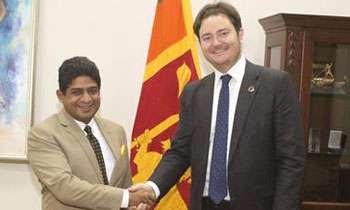
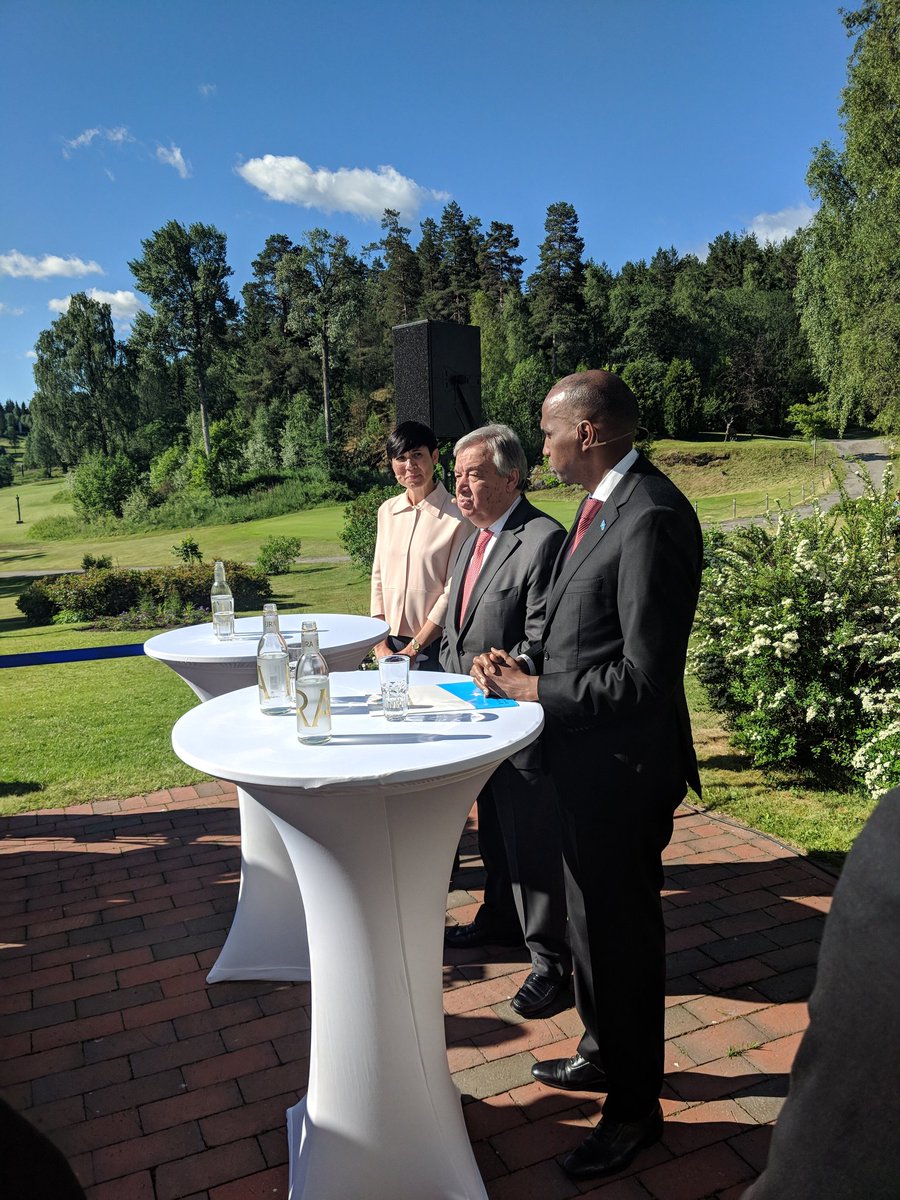
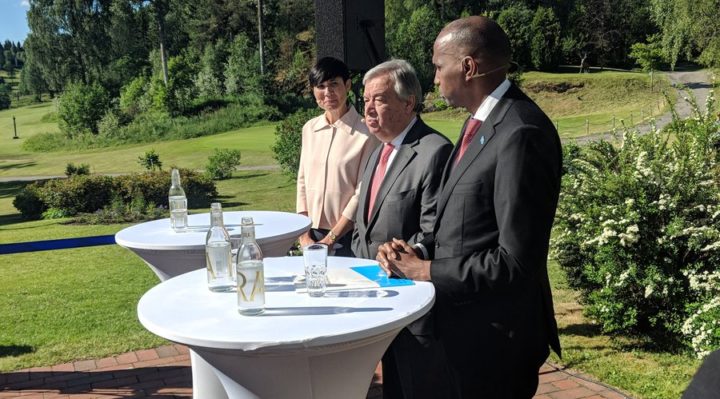 The number of countries involved in “violent conflicts” is the highest in 30 years, while the number of people killed in conflicts has risen tenfold since 2005, the U.N. secretary-general said Tuesday.
 The State Minister’s visit coincides with the arrival of the Norwegian research vessel Dr. Fridtjof Nansen to Sri Lanka. The research vessel will arrive in Colombo on the 21st of June followed by a 26 days research journey around the island. The research vessel will assist Sri Lanka in mapping her marine resources.
 A letter written by Marina Nemat, a Canadian rights activist, writer and chair of the Oslo-based Vigdis Freedom Foundation (VFF) to Turkish journalist Ayşenur Parıldak, who is serving a seven-and-a-half-year prison sentence on charges of membership in a “terrorist” organization, was released by the foundation on Friday.
 United Nations Secretary-General António Guterres has admitted that the UN was not equipped to deal with the Sri Lanka war.
 When news broke in the Norwegian press in December identifying the buyer of one of Oslo’s most iconic buildings, journalists began calling. They were desperately trying to get a comment from Ivar Tollefsen, the buyer of the building, which was the former U.S. embassy, designed by the same architect who did the Gateway Arch in St. Louis. But he couldn’t be reached that day, nor for the next week. According to a spokesperson, Tollefsen was stuck in bad weather on a mountain face off Gessner Peak in Antarctica, where temperatures drop as low as -22 °F.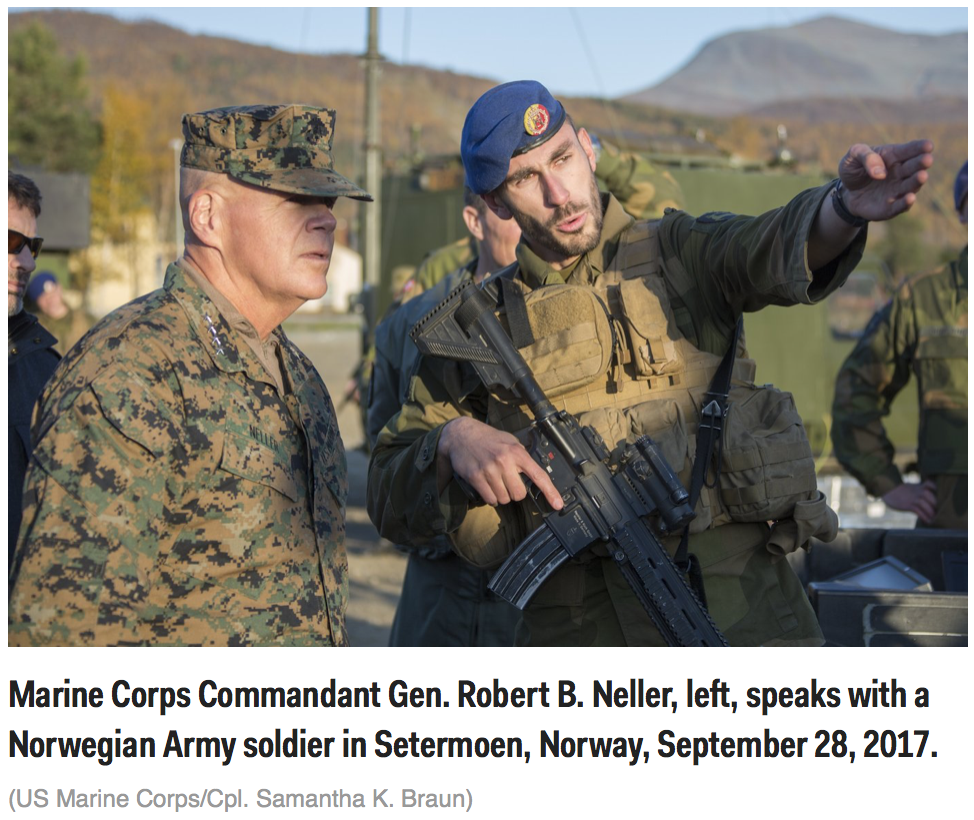
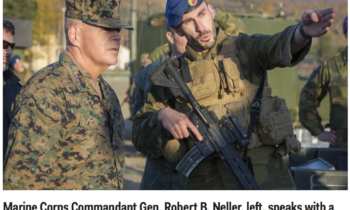 Norway’s government may ask the US to extend a Marine Corps deployment in the country, Foreign Minister Ine Eriksen Soereide
 On January 15 a Boeing 787-9 Dreamliner flying from New York’s JFK airport to London Gatwick set a new journey speed record. The aircraft, owned by budget airline Norwegian, completed its 3,470 mile journey in five hours and 13 minutes. In doing so, it became the
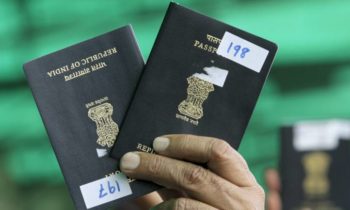 Norway, Belgium and Sweden were among the preferred choices by Indians, over USA, UK, Canada and Australia—this is just an estimate since absolute numbers are not comparable.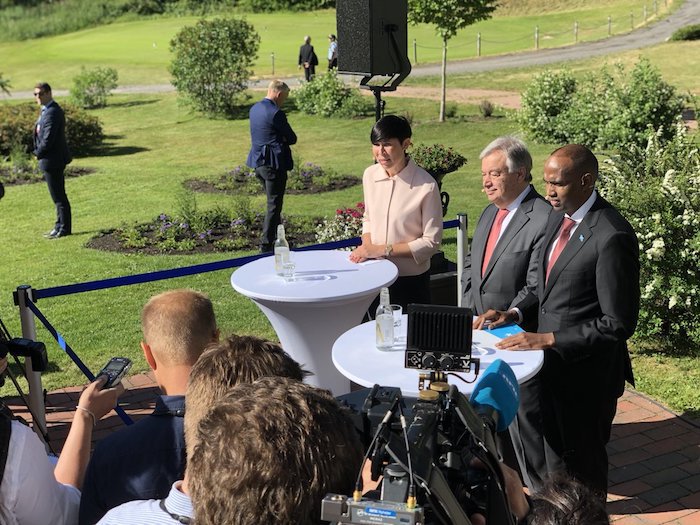
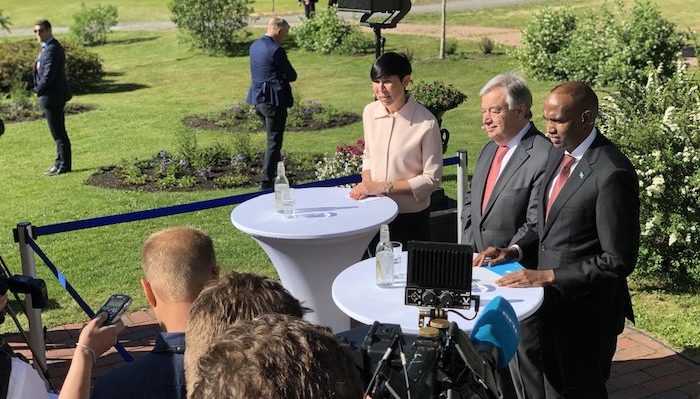
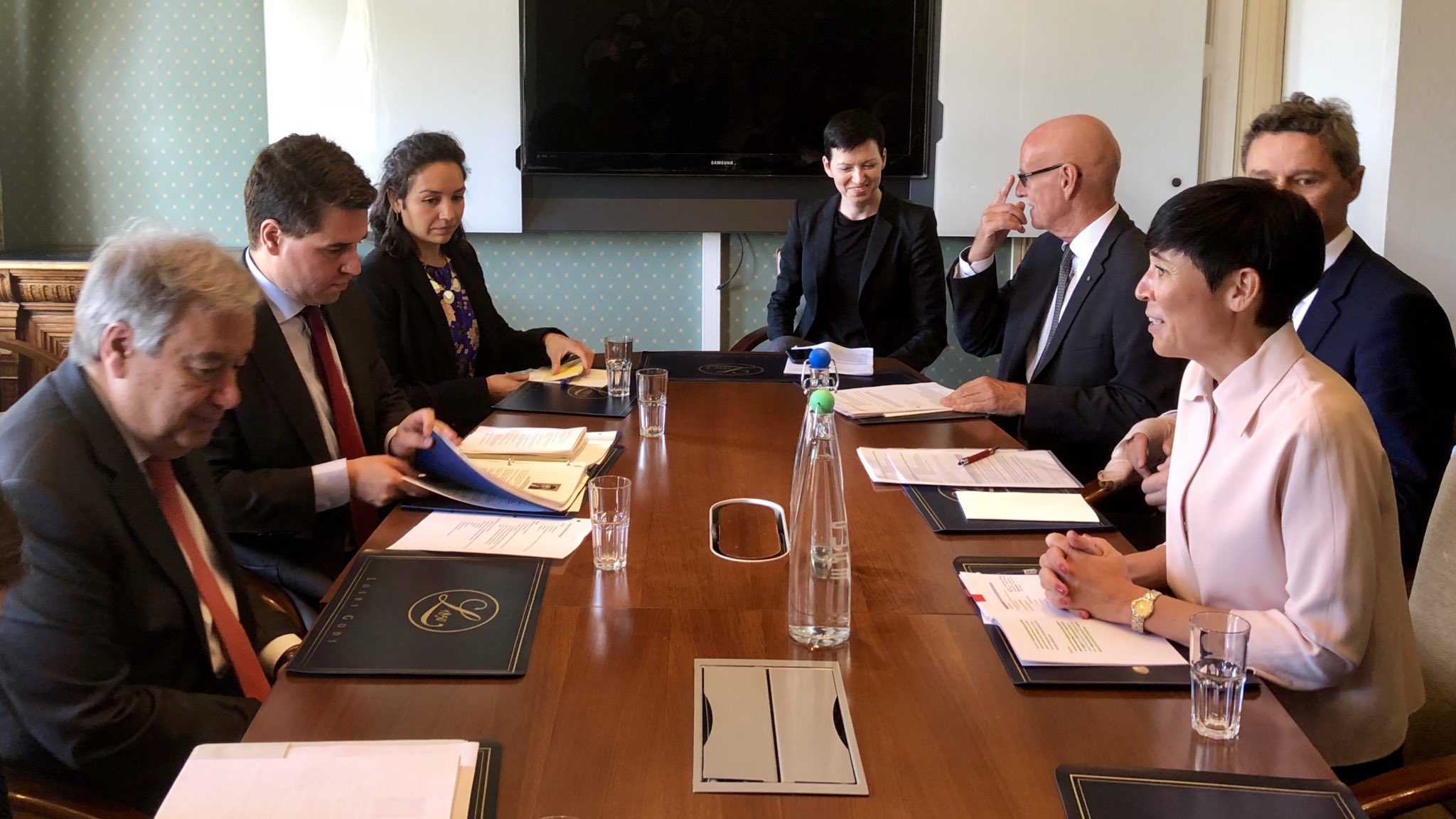
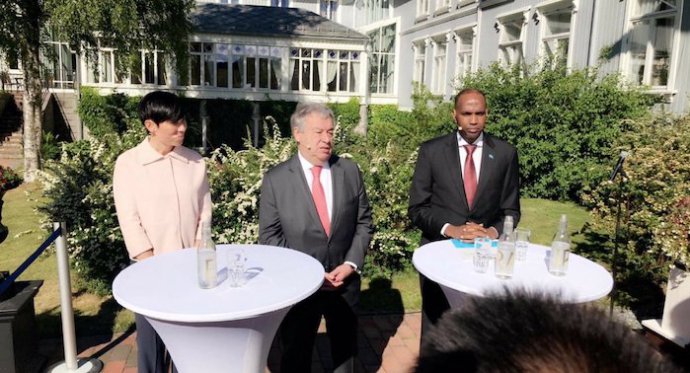 The Secretary General defended the rights of migrant and refugee children, but did not single out the US.
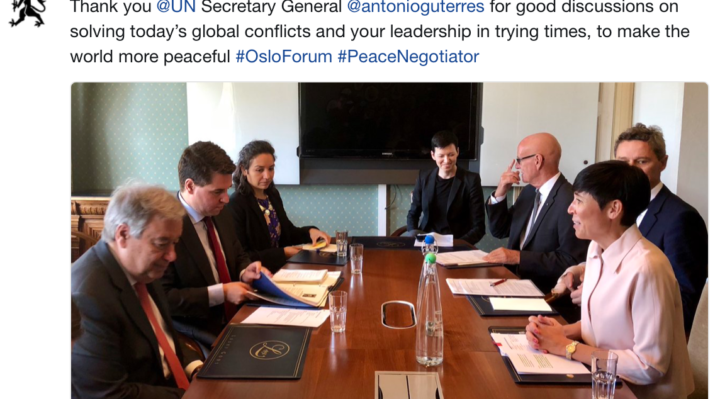 “In the past six weeks, nearly two thousand children have been forcibly separated from their parents,”UN High Commissioner for Human Rights Zeid Ra’ad Al Hussein said in his opening remarks to the 38th session of the Human Rights Council in Geneva – the last session before his four-year term expires in August.
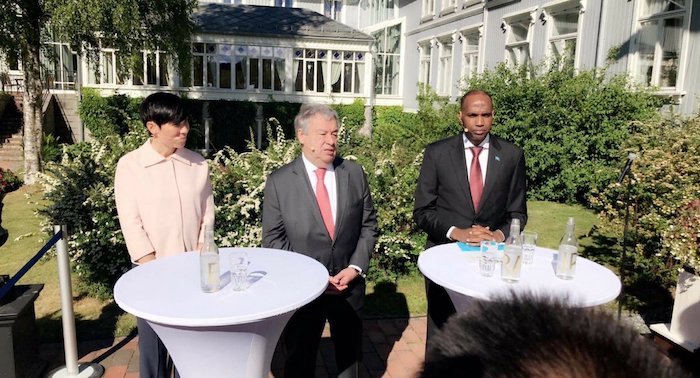 Zeid said that the American Association of Pediatrics in the US, had called it a cruel practice of “government-sanctioned child abuse” which may cause “irreparable harm” with “lifelong consequences”.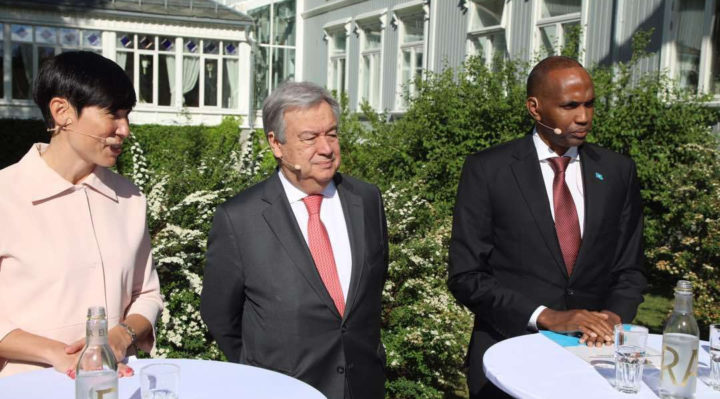
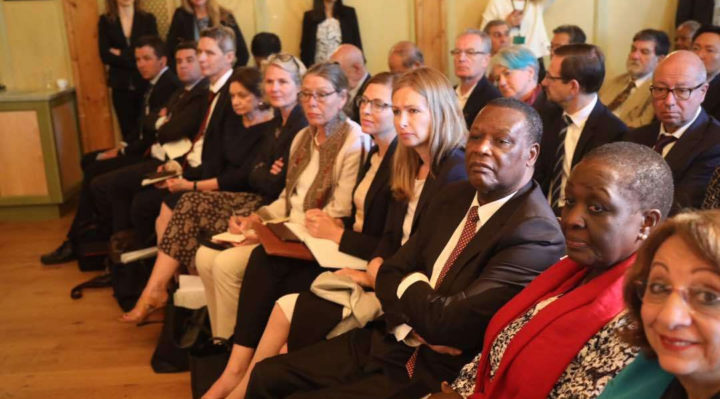
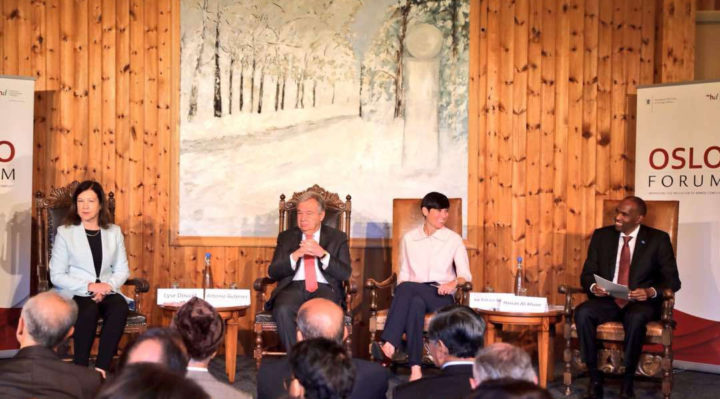
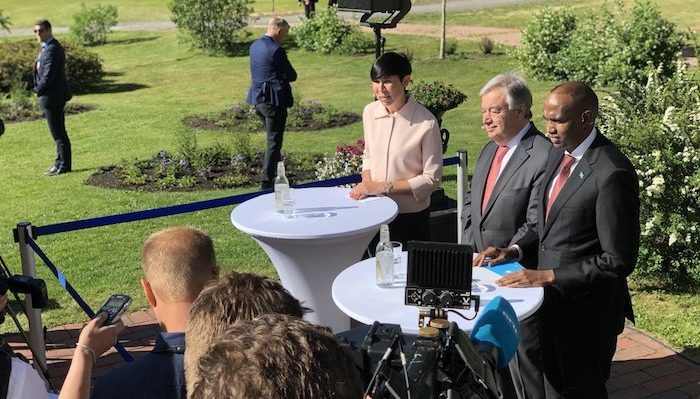
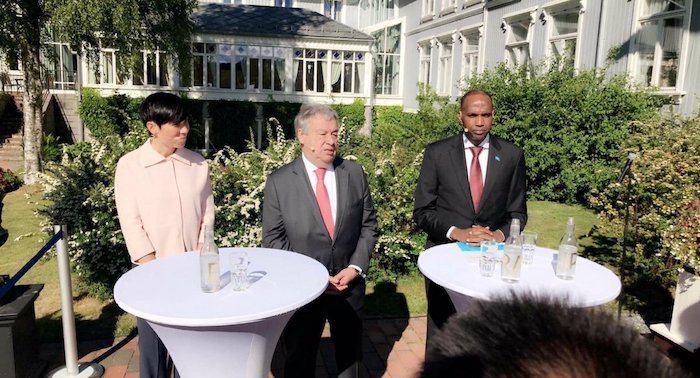
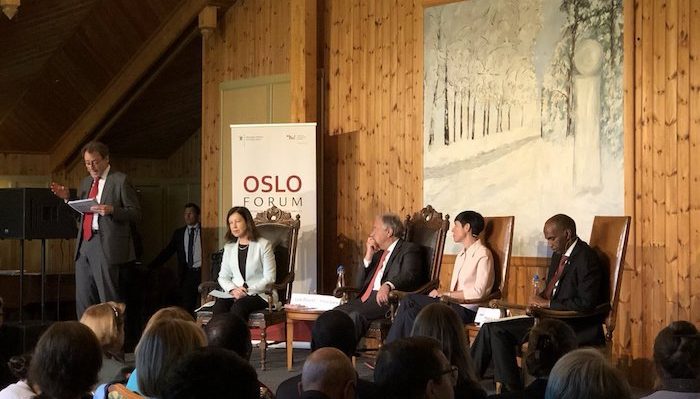

 ‘Over the years, Norwegian aid has been spread too thinly, both geographically and thematically. If we are to achieve the UN Sustainable Development Goals and make the best possible use of our aid funds, we must concentrate our efforts,’ said Minister of International Development Nikolai Astrup.
 Last Thursday, Oslo announced that it will be requesting an additional 700 U.S. Marines to train in the Scandinavian country near the Russian boarder.



 DNO ASA, the Norwegian oil and gas operator focused on the Middle East and North Africa region, announced last night that it had acquired a further 3.74 million shares in London-listed Faroe Petroleum at a price of £1.25 per share representing 1.02 per cent of the outstanding shares in the company.