
 When Snøhetta was approached to develop and identity for Høyskolen Kristiania it developed a concept that would embrace the school’s holistic focus on the individual rather than education alone. Høyskolen Kristiania is the result of the merger of four Norwegian schools and the new identity was required to establish a strong brand and enhance the school’s competitiveness.
The identity, developed in consultation with staff and students, is based on the concept of transformation as sought inspiration in written language. “The development of what is arguably human kind’s most important innovation, the written language, has made it possible to share knowledge across generations,” says Snøhetta. “Its transformation throughout history up until today’s Latin alphabet became the foundation for the visual identity and the start of the transformation into a unique written language for the school.”
Snøhetta developed a new alphabet that merges typographical forms with graphic patterns. The new typeface has been used on ID cards, T-shirts and business cards as well as signage, printed materials and online. The identity and concept was further expanded fro use by the students so that it forms part of the identity of the student union, with icons and smileys added, to allow for more informal communication. “Because the use of identity is so varied and the surfaces it is applied on ranges from analogue to digital/2D to 3D, we were dependent on developing a system that was simple and adaptable,” say the designers. “With the geometric shapes as the basis of the alphabet the system stays recognisable even in different scales, colour and format – whether it’s wayfinding and interior, printed material, or digital design. Probably the foremost example of the development of the identity yet, is that one of the current students recently tattooed himself using the alphabet. We certainly didn’t see that one coming.”
(itsnicethat)
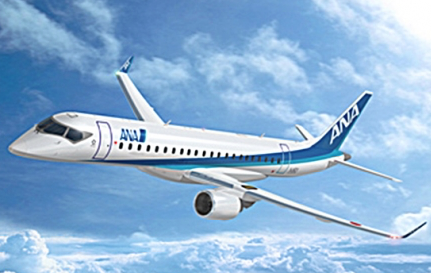
 European lobby group Airlines for Europe (A4E) said it is “astonished” that Norway’s government is pressing ahead with a new airline passenger tax despite evidence that such levies depress demand and weaken both airlines and airports.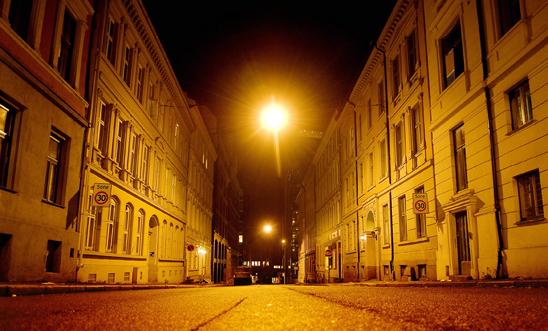
 “If a customer is bad you need to manage it yourself to the end. You only call the police if you think you are going to die. If you call the police, you lose everything”
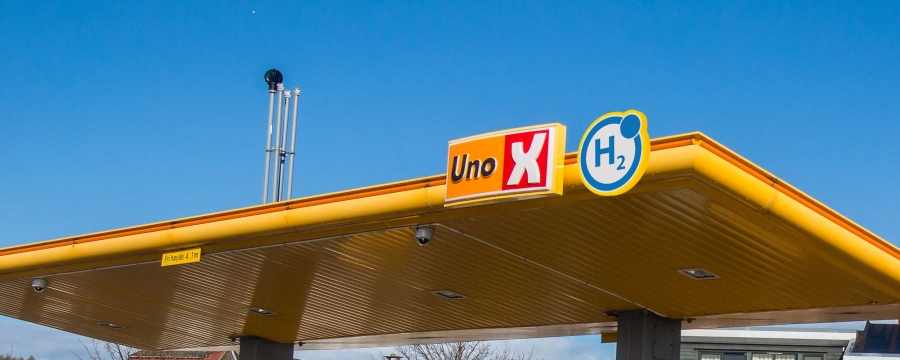
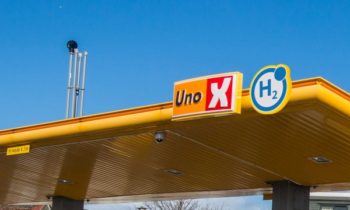 Companies come together to develop new hydrogen stations in Norwegian cities.
 Norsk Titanium AS, the world’s pioneering supplier of aerospace-grade, additive manufactured, structural titanium components, today announced it has closed a $10 million growth debt facility with Harbert European Growth Capital Fund I (HEGCF) as part of the company’s current aerospace production financing round.
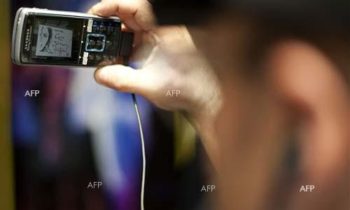 Norwegians have spent more than 30 hours reading out terms and conditions from smartphone apps in a campaign by the country’s consumer agency, the BBC reported.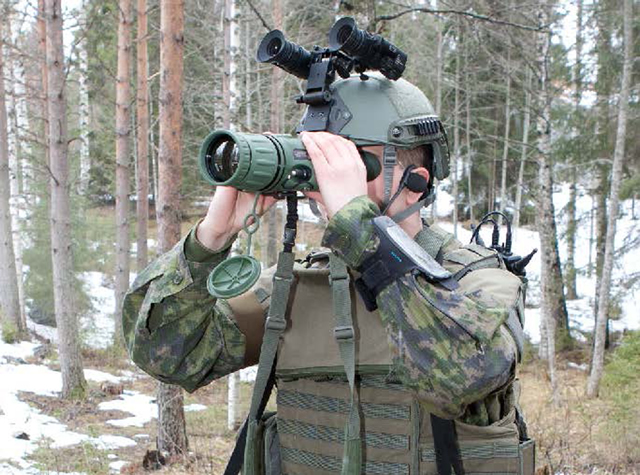
 Finnish state-owned defence manufacturer Patria on Wednesday announced a plan to privatize a portion of the company by selling it to Kongsberg, a partially state-owned defence company in Norway.
 Researchers at the University of Bergen in Norway have examined the associations between workaholism and psychiatric disorders among 16,426 working adults.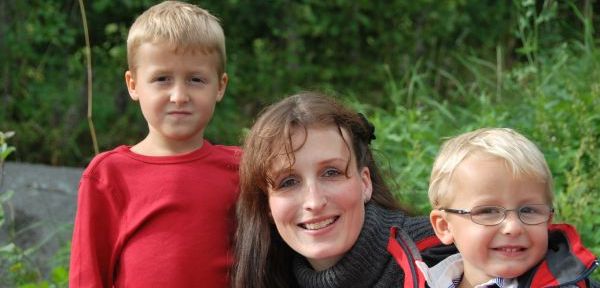
 Czech mother Eva Michalakova is ready to fight Norwegian authorities until she wins her two sons back, she said during the court proceedings that started dealing with her appeal against stripping her of her parental rights and the adoption of the younger son yesterday.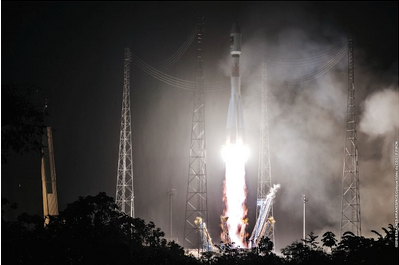
 Plans are underway for the US and its military as well as Norway to seek to have access to the PRS signal from the Galileo constellation.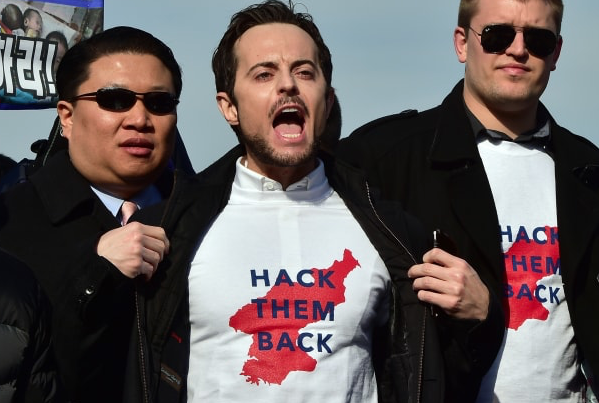
 The foundation that puts on the annual gathering of dissidents and journalists has received at least $900,000 in funding from the tech billionaire.
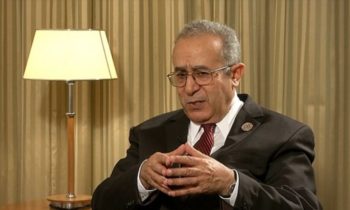 ALGIERS-Minister of State, Minister of Foreign Affairs and International Cooperation Ramtane Lamamra will partake Thursday and Friday in Oslo (Norway) in a closed meeting between FMs of fifteen African countries and five Nordic ones, the Foreign Affairs Ministry announced in a communiqué
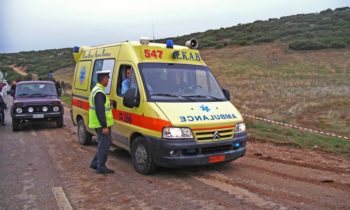 A 35-year-old Norwegian man who was vacationing on Skiathos has been found dead in a swimming pool on the island in the Sporades are an archipelago along the east coast of Greece, northeast of the island of Euboea, in the Aegean Sea.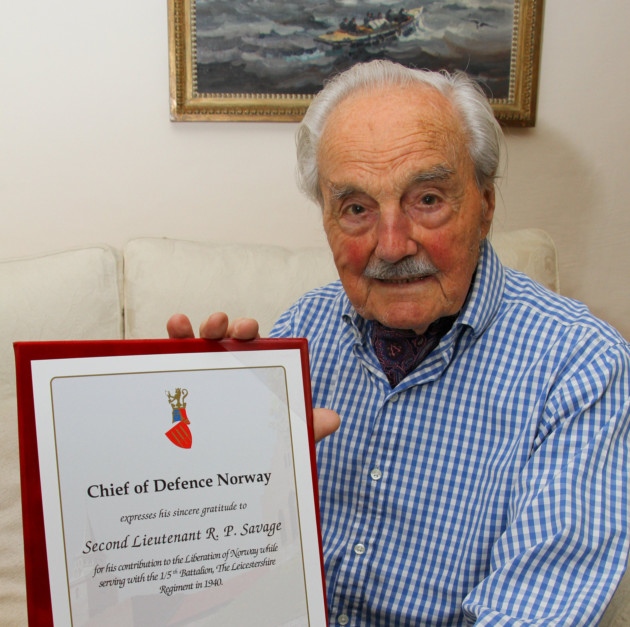
 The ‘last man standing’ from the invasion of Norway in World War Two has been recognised by the country with a diploma.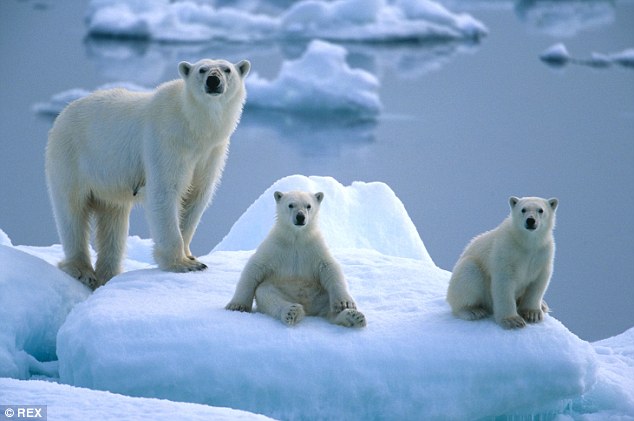
 Global brands, including McDonald’s, Tesco, Iglo, Young’s Seafood, Icelandic Seachill, alongside the Norwegian Fishing Vessel Owners Association, Fiskebåt, Russian fishing giant, Karat and Europe’s largest processor of frozen fish, Espersen, have today said “no” to the further expansion of cod fishing into the previously-frozen Northern Barents Sea — an area twice the size of France. [1]

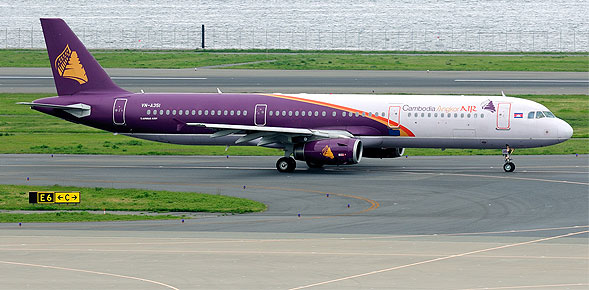
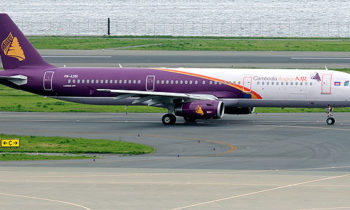 Cambodia Angkor Air, code K6, has appointed APG as its GSA in France, USA, UK, Spain, Belgium, Denmark, Sweden, Norway and the Netherlands.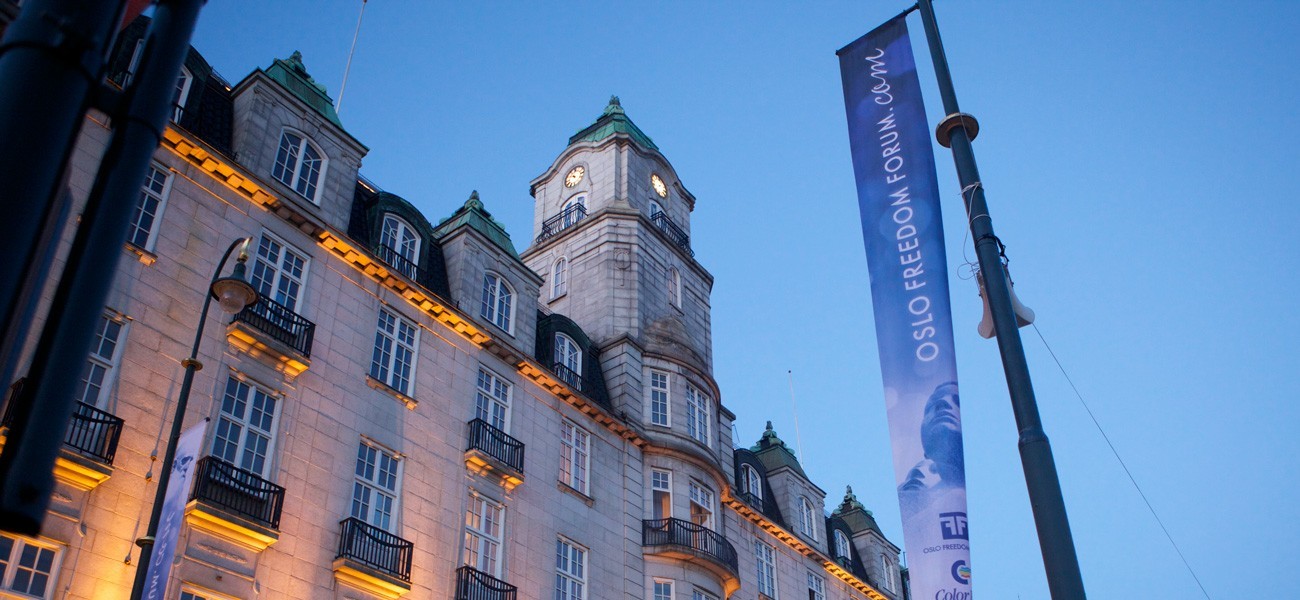
 I am in the Norwegian capital for the Oslo Freedom Forum, a brilliant initiative that that brings together the liberal activists and intellectuals of the world. There are heroes who dared to defy the North Korean dystopia, the tyrannies of the Arab world, or the dictatorships in Russia, Gabon or Serbia. It is a great place to learn more about the struggles for freedom by those who genuinely believe in freedom.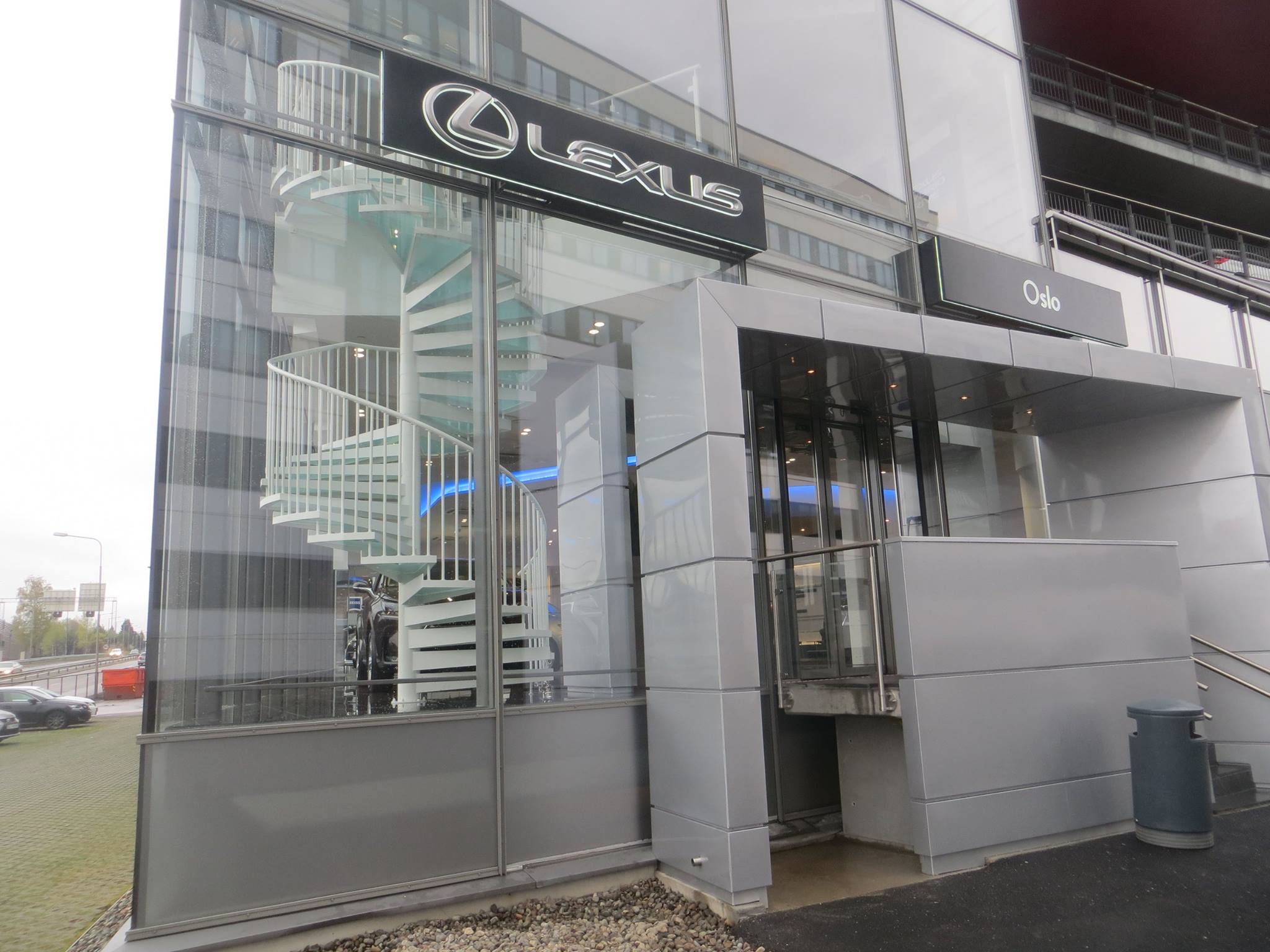
 Lexus is by far the car brand which the Swedish and Norwegian car owners are most satisfied with. It is the fifth year that Lexus is included in the AutoIndex surveys and the fifth time that Lexus tops the list – in both countries.
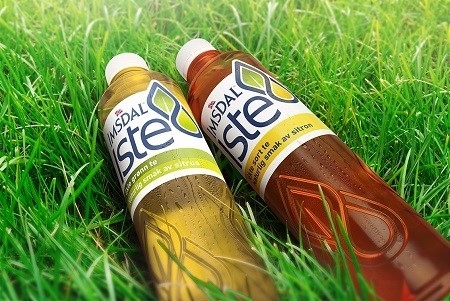
 The initial launch comprised two flavours, peach and lemon with a black tea base. The new addition to the range is a citrus green tea variant.
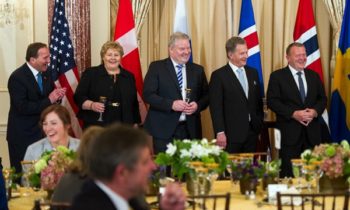 Earlier this month, the leaders of Iceland, Norway, Sweden, Denmark and Finland were in Washington to attend a summit at the White House. Together with President Barack Obama, the five Nordic leaders discussed tensions with Russia, security, climate change and trade. Obama didn’t hesitate to heap praise on the Nordics. “So I really do believe that the world would be more secure and more prosperous if we just had more partners like the Nordic countries,” he said. “They consistently punch above their weight.”