
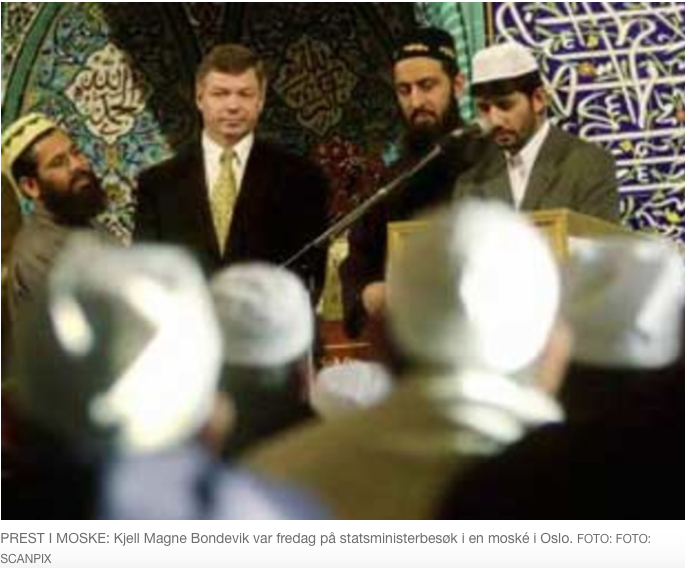
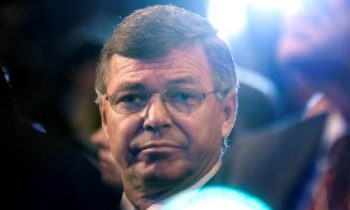
 Norway’s former Prime Minister Kjell Magne Bondevik was detained for questioning at Dulles Airport in Washington, Friday.
Authorities held Bondevik, who served as prime minister from 1997-2000 and 2001-2005, for an hour on Tuesday because his passport showed he had traveled to Iran in 2014.
“There should be no reason to fear a former prime minister who has been on official visits to the country several times before,” he told Norway’s TV2.
Bondevik said it was obvious he was not a threat to the U.S.
“It should be enough when they found that I have a diplomatic passport, [that I’m a] former prime minister,” Bondevik said. “That should be enough for them to understand that I don’t represent any problem or threat to this country and [to] let me go immediately, but they didn’t.”
Bondevik told to media, he was placed in a room with travelers from the Middle East and Africa, made to wait 40 minutes and then was questioned for 20 minutes about his trip to Iran, where he had spoken at a human rights conference.
 Authorities told Bondevik the added scrutiny had nothing to do with President Donald Trump’s controversial travel ban, which applies to those from seven majority-Muslim countries, but was related to a 2015 law signed by former President Barack Obama in the wake of terrorist attacks in California and Paris.
The law places extra restrictions on citizens from 38 countries that are part of the U.S.’s visa waiver program, including Norway, if they travel to Iran, or the six other countries that now fall under Trump’s ban. Exceptions are typically made for people who go there on behalf of international organizations.
 Bondevik, who is head of a human rights organization called the Oslo Center, said he was “surprised and provoked” by the scrutiny and suggested further incidents of that kind would be blow to America’s reputation.
Bondevik, who flew into Dulles Airport from Europe on Tuesday afternoon, was not immediately allowed to leave after customs agents saw in his passport that he had been to Iran.
Bondevik, also the president of a human rights organization called The Oslo Center, went to Iran in 2014 to speak at a human rights conference there.
It places extra restrictions on some citizens from 38 countries — including Norway — that are part of the US’s Visa Waiver Program. Citizens of those countries normally do not need a visa to visit the US for up to 90 days, but because of the law they now do need a visa if they have been to Iran, Iraq, Sudan, Syria, Libya, Somalia or Yemen since March 2011.
Those are the same seven countries Trump included in his temporary travel ban.
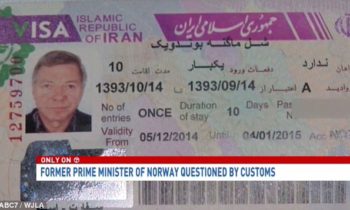 Bondevik said that his office contacted the US Embassy in Oslo prior to his trip this week and was told his passport and a separate electronic travel authorization (called ESTA) would be sufficient to enter the United States.
“I was surprised, and I was provoked.
What will the reputation of the US be if this happens not only to me, but also to other international leaders?” he said about being set aside for questioning.
A spokesperson with US Customs and Border Protection said CBP is prohibited by privacy laws from discussing specifics of any.
Bondevik came to the US to attend Thursday morning’s National Prayer Breakfast at the Washington Hilton.
“It seems that if the name of this country or other countries appears, you stick out,” Bondevik said, referring to Iran.
The former Christian Democrat leader returned to Norway on Friday.
(N.Sethurupan)

 Norway will modernize its naval fleet by purchasing four German submarines, the Defence Ministry said Friday.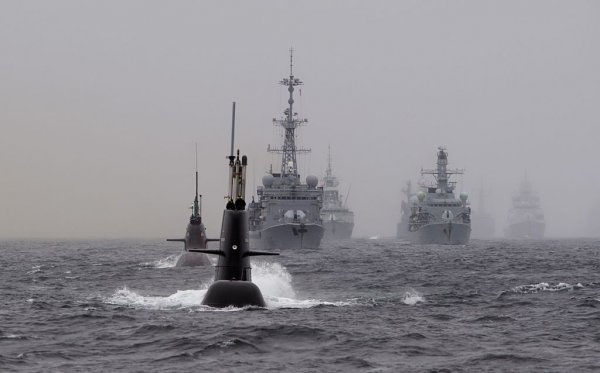
 Russia has held a series of military exercise along its border with Norway and been accused of hacking politicians.
 Norway’s security service says civil-servant e-mail accounts have been targeted by hackers believed to be associated with Russian intelligence.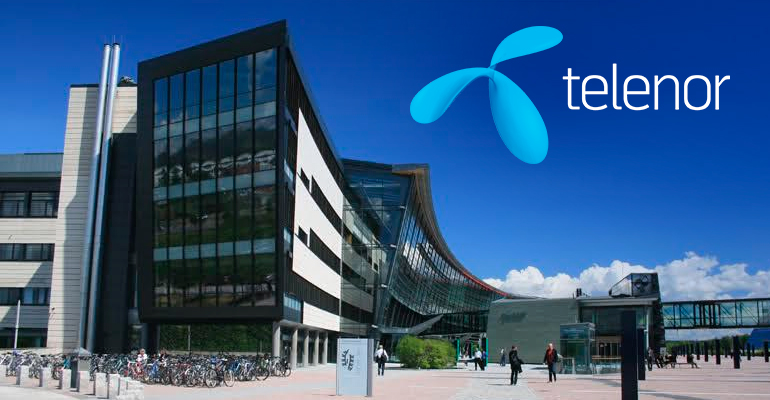
 Norway’s Telenor Group has reported year-on-year organic revenue growth of 1.1% for the twelve months ended 31 December 2016, with revenues standing at NOK131.427 billion (USD15.7 billion). According to the company’s financial filing lower handset sales of NOK1.5 billion across the group were more than offset by increased subscriber numbers and higher traffic revenues in what it referred to as ‘emerging Asian markets’. Meanwhile, foreign exchange movements were said to have impacted revenues positively to the tune of NOK1.3 billion.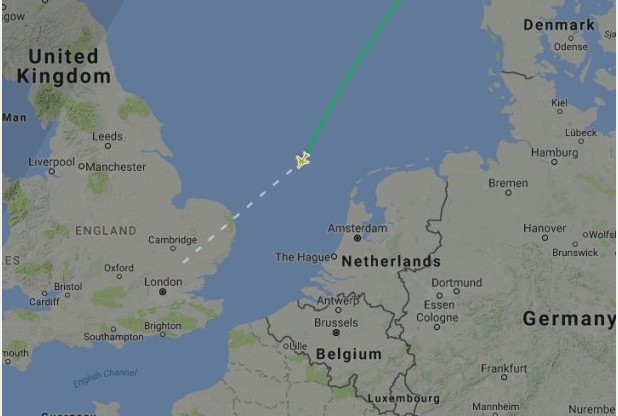
 A plane bound for Stansted Airport has declared a mid-air emergency over the North Sea.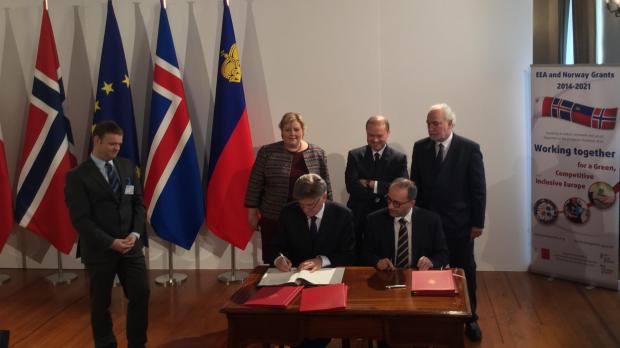
 Malta is to receive an €8 million grant from the European Economic Area (EEA), Malta Prime Minister Joseph Muscat announced today.
 The Norwegian Police Security Service (PST) increasingly fears possible activities of Russian intelligence services aimed at illegal gathering information on the territory of Norway, PST Head Marie Benedicte Bjornland said.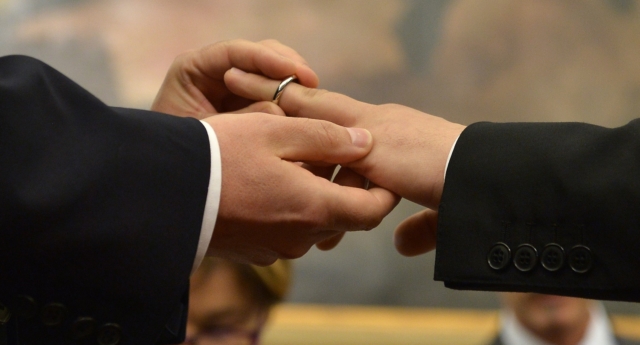
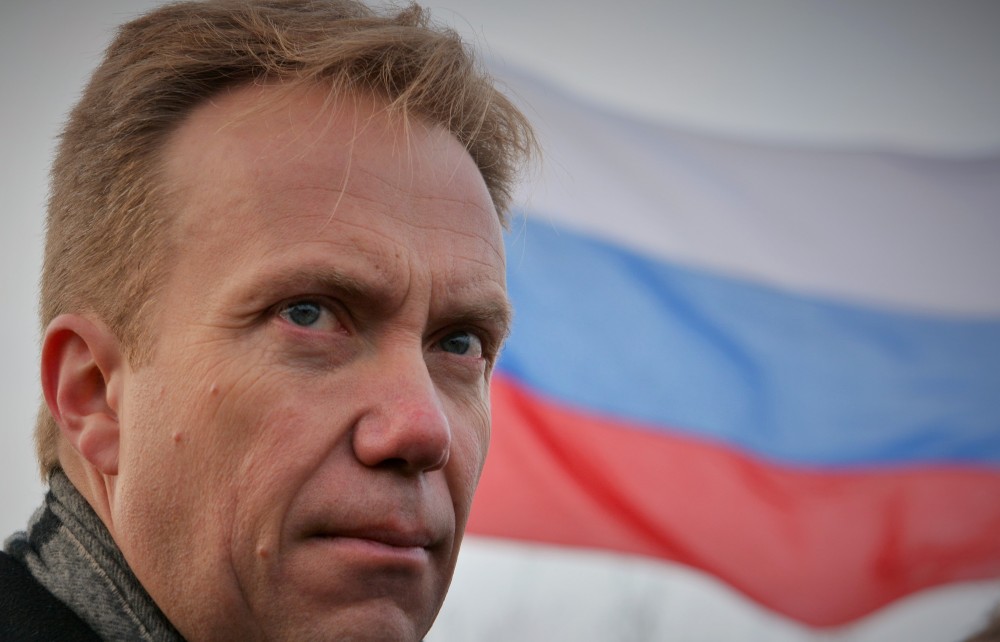
 The Norwegian Foreign Ministry said on Wednesday it had summoned the Russian ambassador to complain after Moscow refused to issue visas to two Norwegian members of parliament.
 Police in Norway are investigating the murder of a Victoria man who was living in southwestern city of Stavanger.
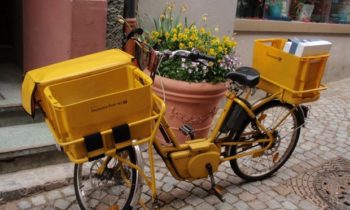 Oslo is so keen to get people on bicycles that starting Wednesday it will offer residents a free handout of up to $1,200 to buy electric cargo bikes. Citizens won’t need to be on a low income to apply for the funds, or even to promise to cut down on driving to qualify.
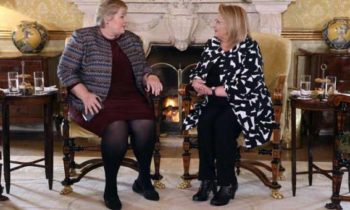 President of Malta Marie-Louise Coleiro Preca received Prime Minister of Norway Erna Solberg on a courtesy call at San Anton Palace today.
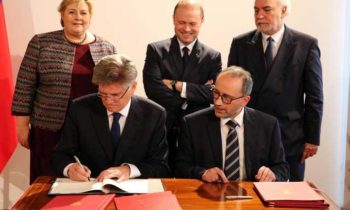 Lastly, President Coleiro Preca and Prime Minister Solberg spoke about the Peace Research Institute Oslo (PRIO). The President of Malta spoke about the ‘positive peace’ and the culture of peace approach which this institute adopts.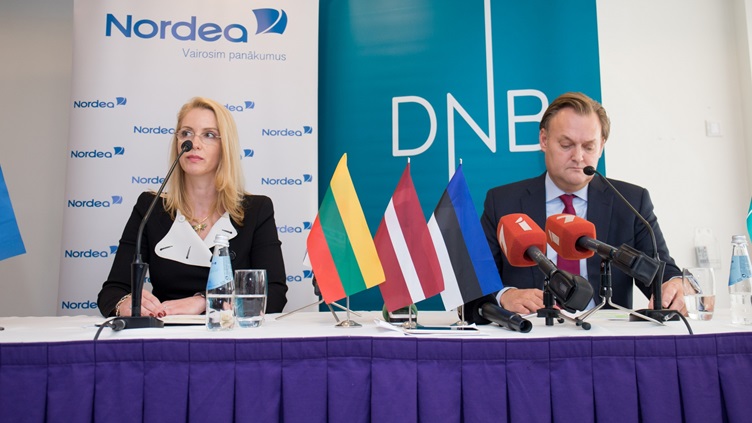
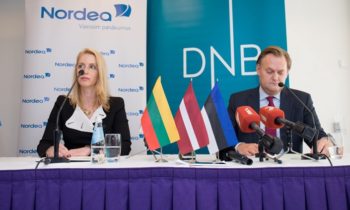 Norwegian bank DNB Bank ASA and Swedish bank Nordea Bank AB have filed an application with the Estonian Competition Authority for the approval of the merger of their Baltic operations under the joint company Indy AB approved.
 Brigadier General Tonje Skinnarland is appointed Major General and Chief of the Royal Norwegian Air Force (CRNORAF).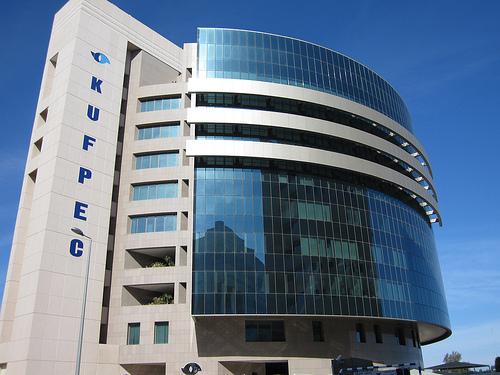
 Kuwait Foreign Petroleum Company (Kufpec) on December 21 completed its purchase of upstream interests offshore Norway in the Greater Sleipner Area from Total for a consideration of $300mn with effect from January 1, it said January 31.
 Norwegian operator reportedly talking to RCom-Aircel about tie-up, but deal with Bharti is still on the table.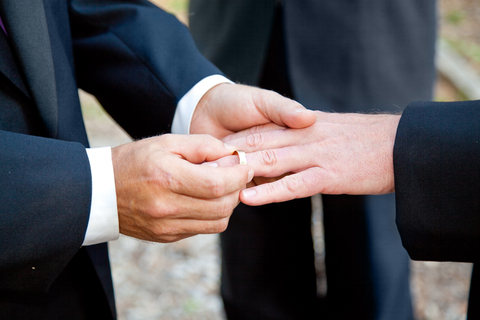
 Same-sex couples in Norway can now have a religious wedding in a church after a new rule was passed today (30 January).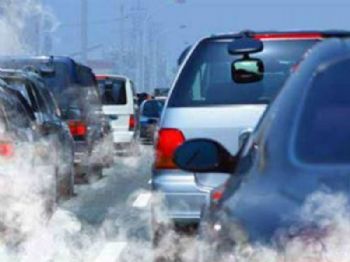
 Oslo banned diesel cars for two days last week to combat rising air pollution.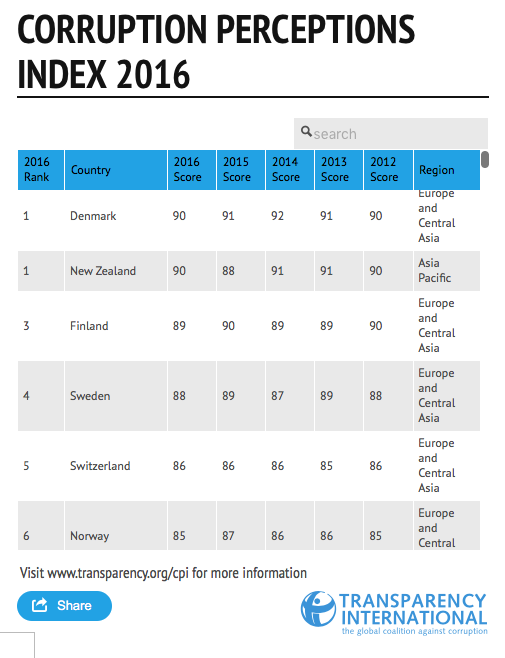
 The Nordic counrtries together with New Zealand and Singapore in the Asia Pacific are this year once again on the top of the list of the World’s least corrupt countries.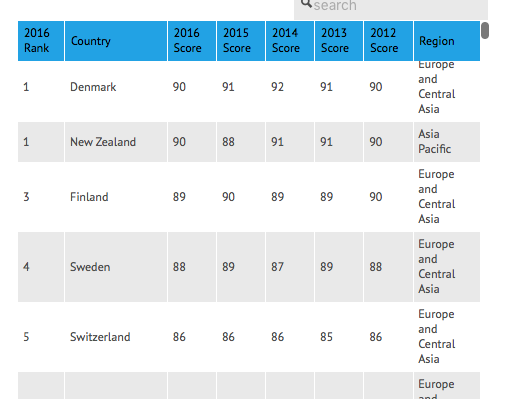
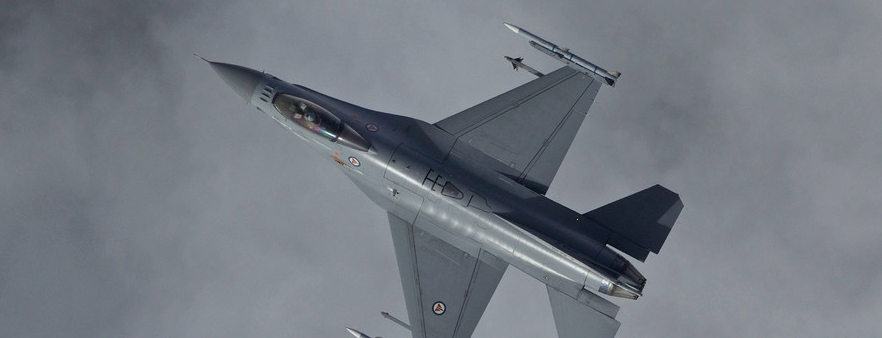
 As the Norwegian air force prepares to bring its first three F-35 joint strike fighters to Norwegian soil, the government is taking a simple approach to disposing of its aging F-16 fleet.
 A Norwegian court will hear an appeal next week by four firms seeking to overturn a ruling that upheld a government decision to cut offshore gas transportation tariffs.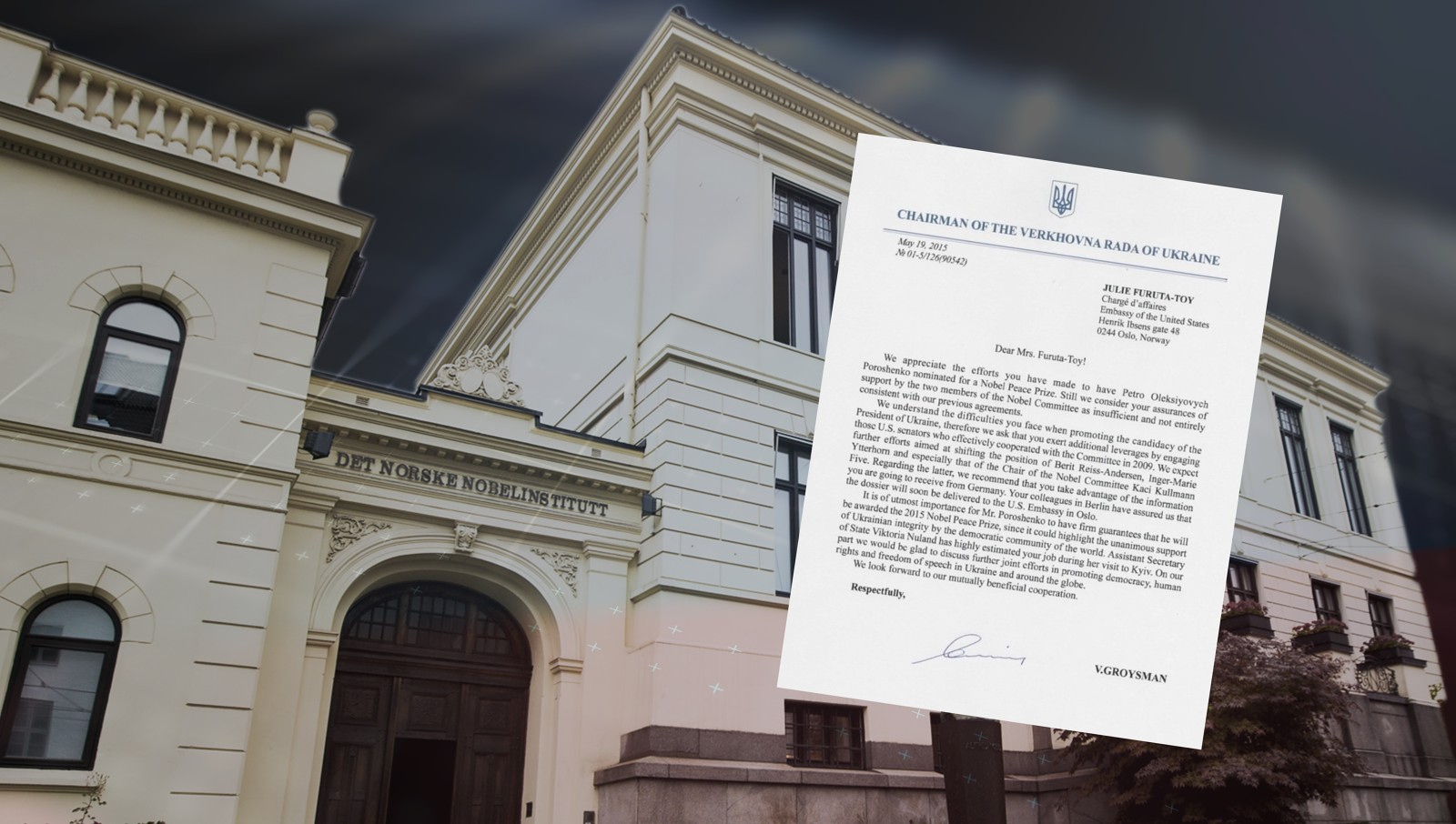
 Norwegian Police Security Service accused Russia of involving intelligence services to interfere in the work of the Nobel committee, according to NRK.
 Two weeks after the publication of the letter, two representatives of the Russian Embassy came in the office of the secretary of the committee and the director of the Norwegian Nobel Institute Olav Njølstad. According to Njølstad, it was “absurd” meeting, after which he contacted the Police Security Service.
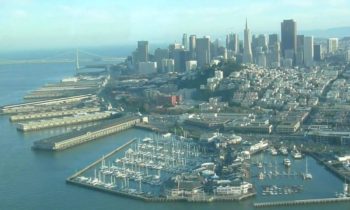 Norway’s sovereign wealth fund has made a near 60% profit in 18 months on three US logistics assets.
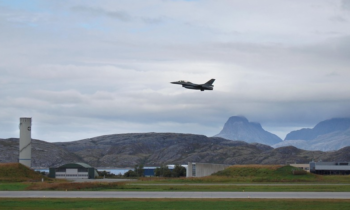 When the ready-room alarm went off—high-low, high-low—two Norwegian Air Force pilots pulled on cold-water survival gear, grabbed their flight bags, and sprinted through swirling snow to their hangars. Their decades-old F-16 fighter jets roared to life, and as the airport snowplow halted to let them pass, the jets taxied to the runway and lit the afterburners. The training run took less than 10 minutes.