
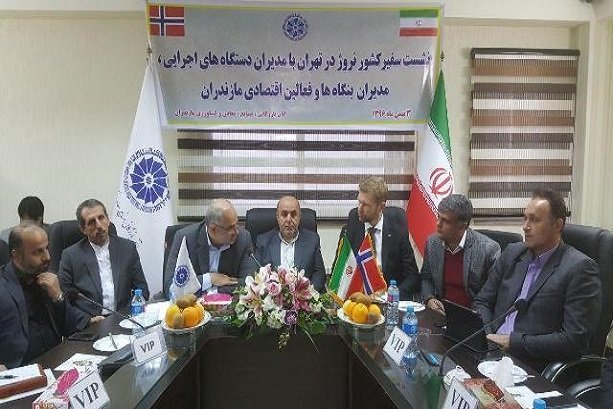
 The Norwegian ambassador to Tehran on Tuesday voiced his country’s resolve to support the 2015 nuclear deal, calling for further development of trade ties between the two countries.
Lars Nordrum made the remarks in a meeting with representatives of Iranian businesses and trade companies in Sari in northern Iran.
He said Norway and Iran has signed four contracts in the fields of oil and gas, shipping, renewable energy and aquaculture following the implementation of the nuclear deal.
“Norway has also inked a contract with National Iranian Oil Company for oil exploration in the Caspian Sea,” he was quoted by Mehr as saying.
(tehrantimes)
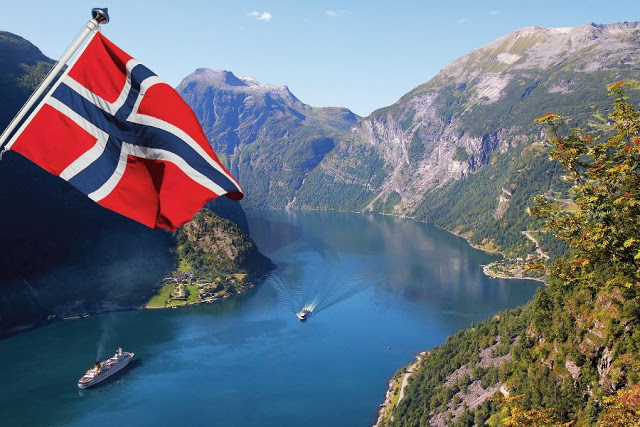
 Norway, Liechtenstein and Iceland have announced that NOK 146 million is now available under the EEA and Norway Grants scheme for projects promoting cross-border cooperation in Europe.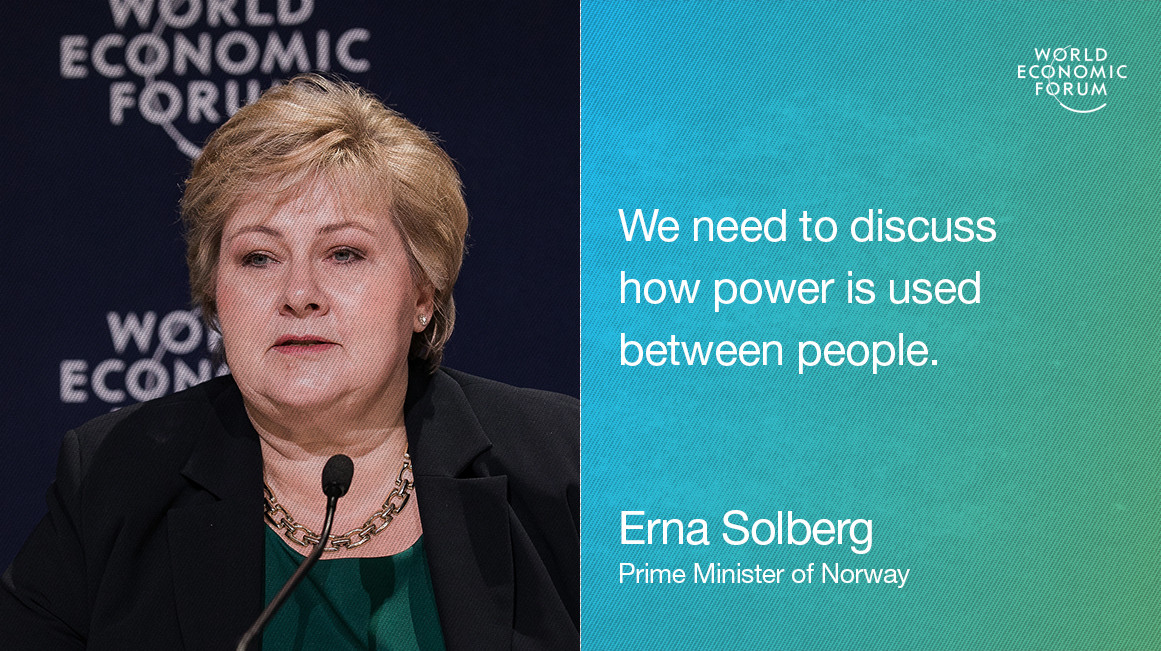
 She’s the Prime Minister of Norway, responsible for five million people and a GDP of over $400 billion.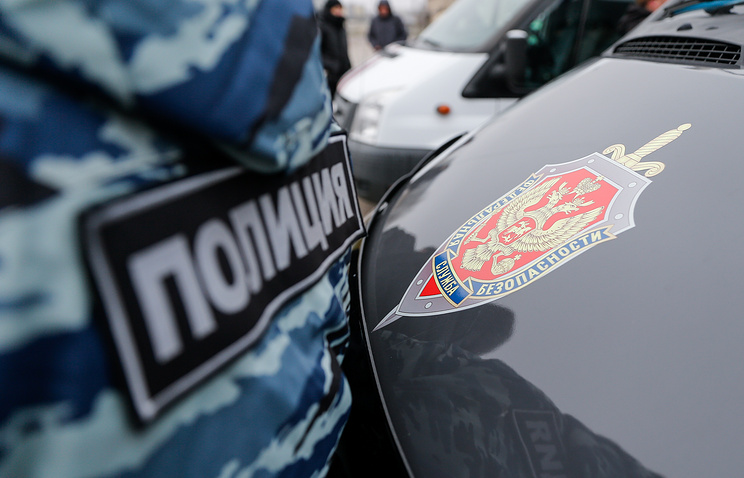
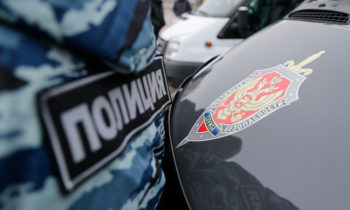 Norwegian national Frode Berg, who was arrested in Russia on espionage charges, has never worked for other countries’ intelligence services but for his own country’s and has never dealt with recruiting agents, his lawyer Ilya Novikov told TASS on Friday.
 A 33-year-old man, holding a Comoros Islands passport, has been sentenced to six months in jail in Dubai after he was found guilty of sexually assaulting a Norwegian tourist in the back seat of his friend’s car.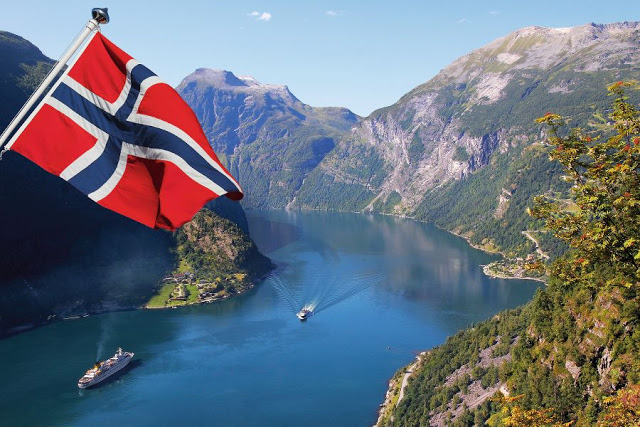

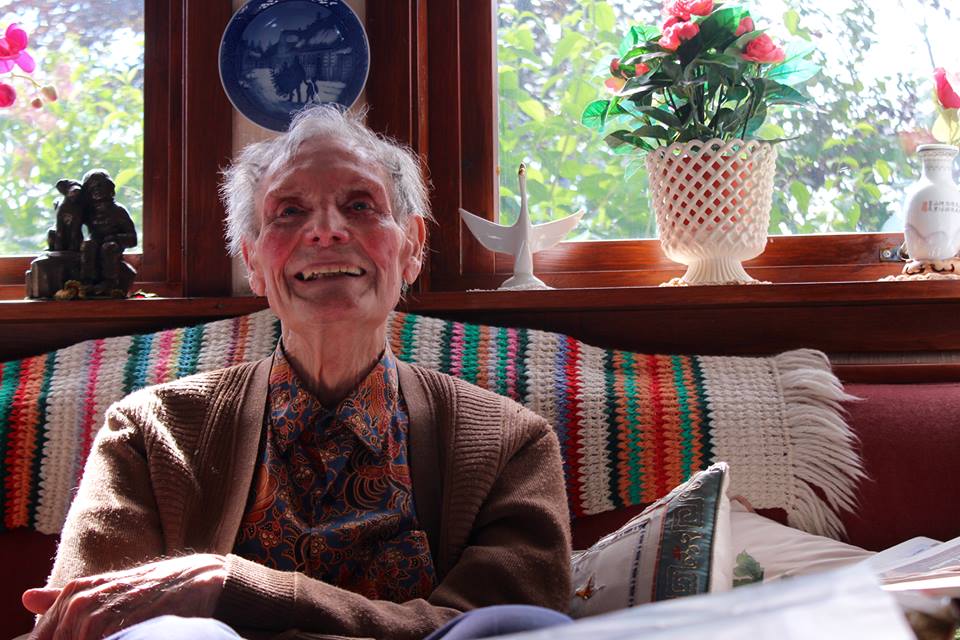
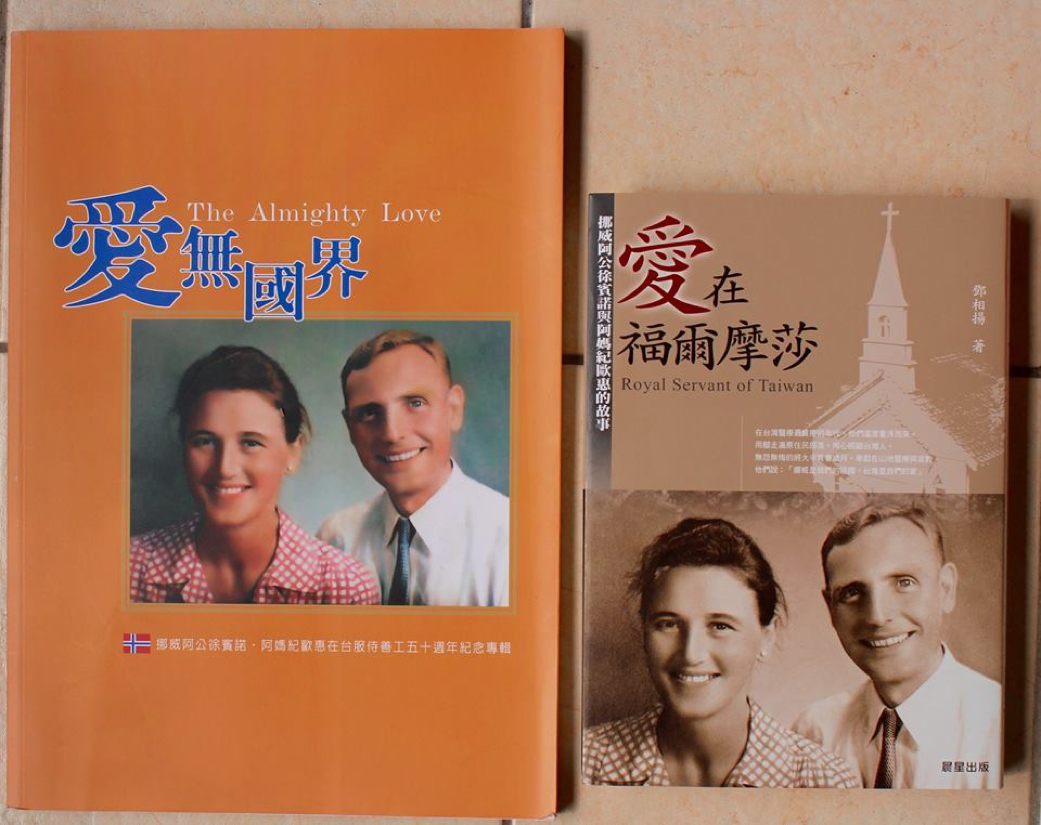
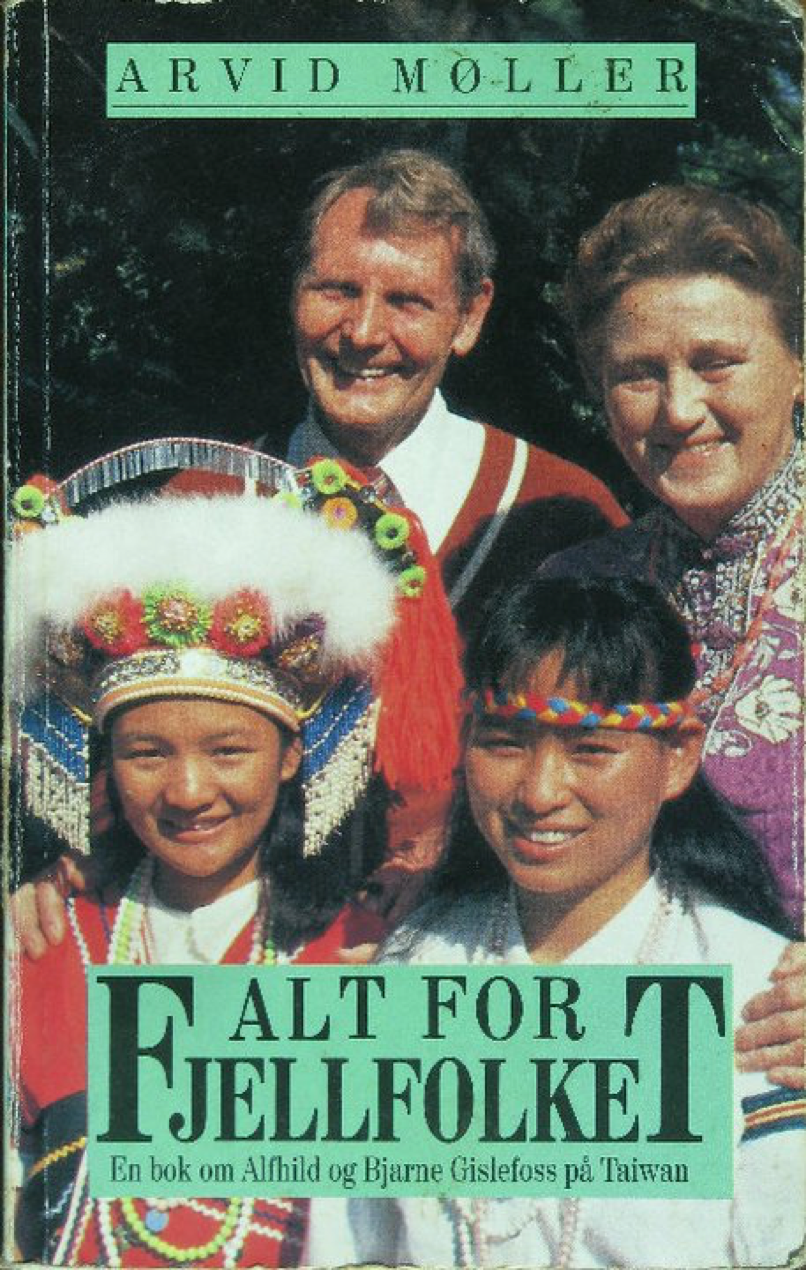 In 1989 a book about Alfhild and Bjarne Gislefoss was released in Norway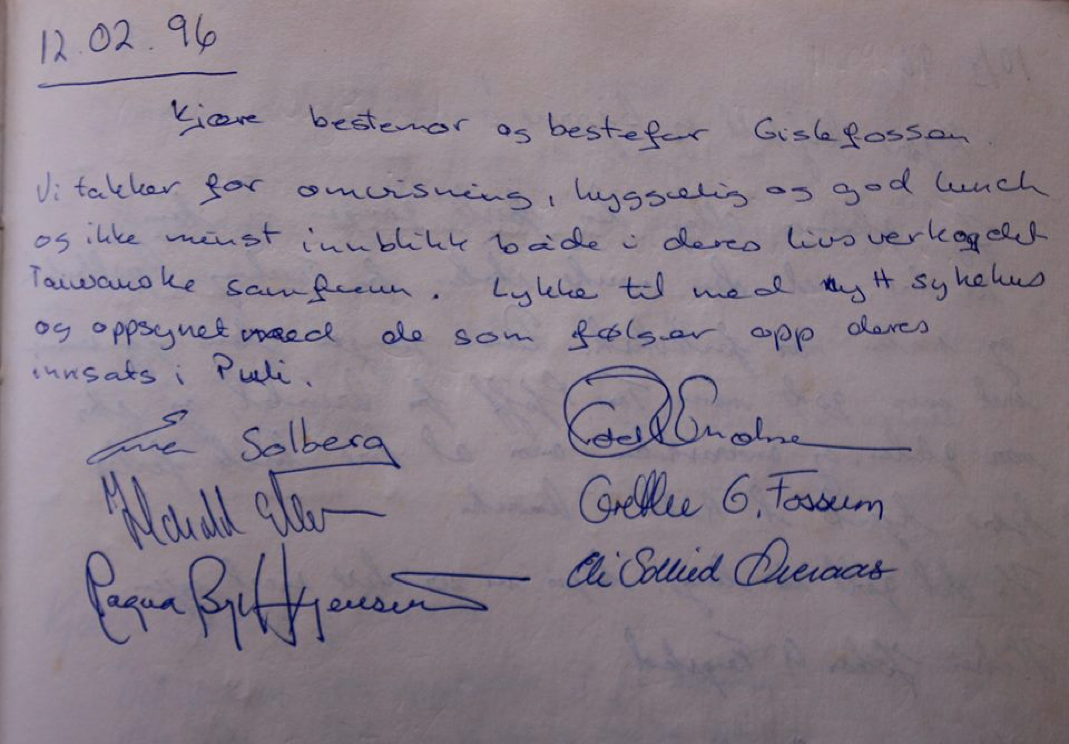

 51-year-old Norwegian citizen thrown out of an apartment window of the house where rented apartment.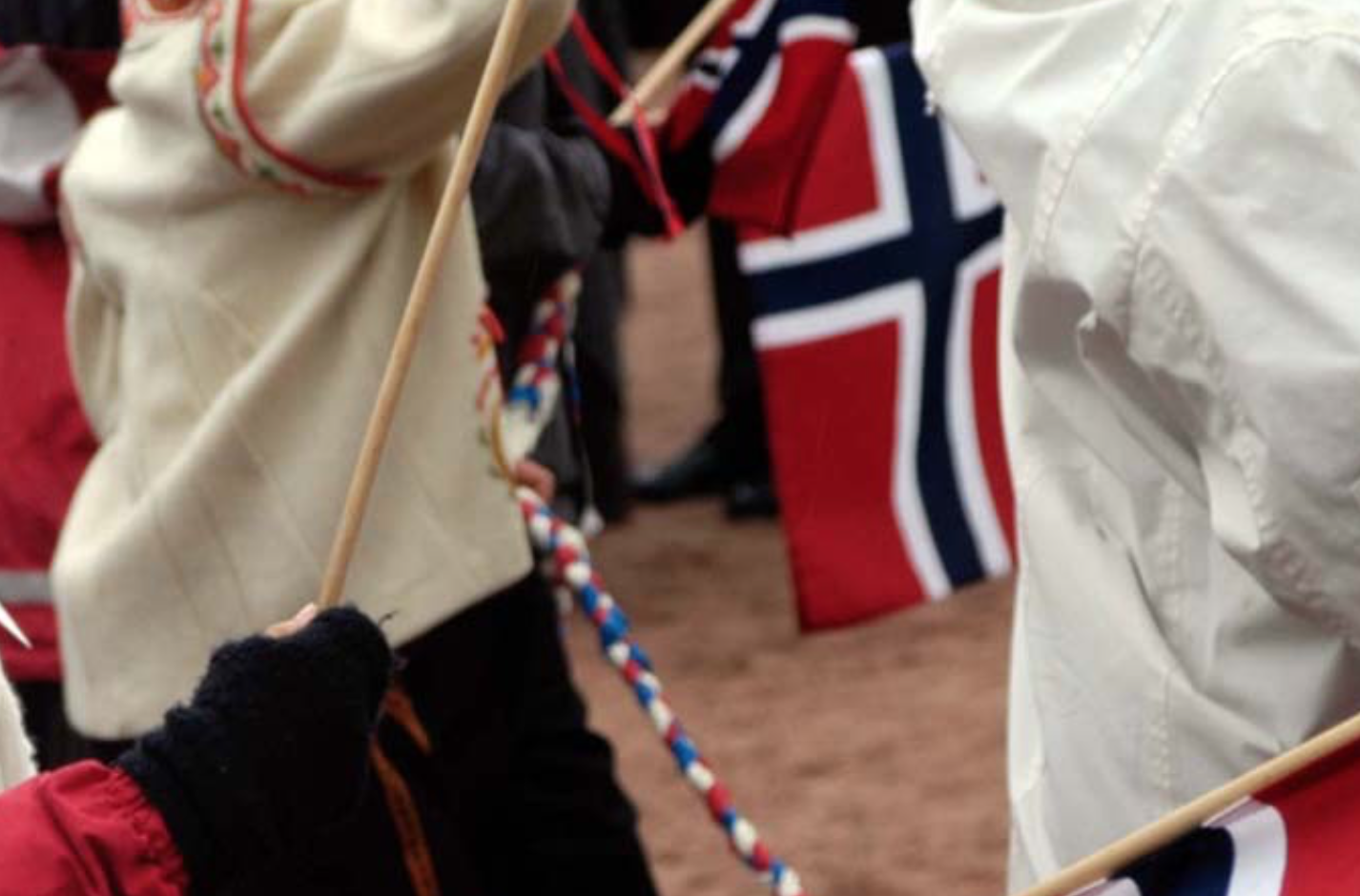
 Women in Norway who were beaten by their husbands should not count on help from authorities, but they even risk that if Norwegian child care authorities will hear about it, they will take their children permanently away and put the child in to the foster home
 A group of 79 Norwegian owners filed a civil complaint in Norway over
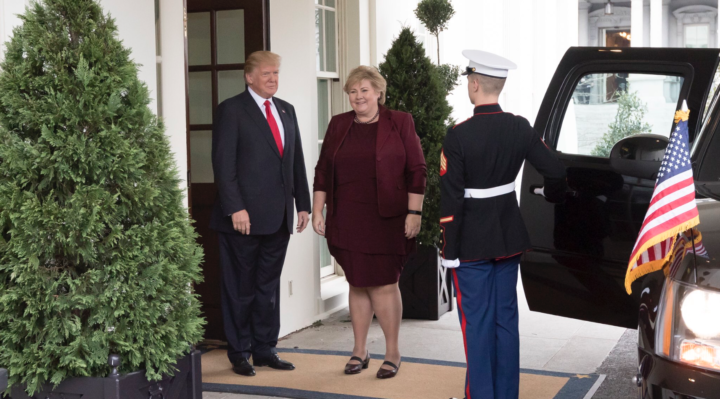
 President Donald Trump reportedly asked lawmakers on Thursday why America was accepting immigrants from “shithole” countries like Haiti and El Salvador. He’d prefer folks from Norway.
 The text of the following statement was issued jointly by the Governments of the United States of America, the United Kingdom, and Norway.
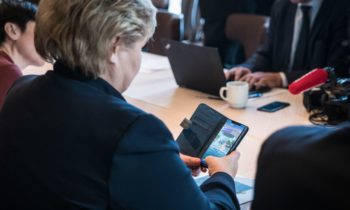 It was the must-have game last year, and it seems that Norway’s Prime Minister is still enjoying playing
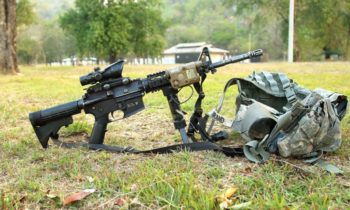 Lt. Col. Steen Wegener, head of the company of Danish defense forces to be sent to Estonia soon, considers the possibility of a military conflict breaking out between Estonia and Russia to be extremely slim, Norwegian newspaper Dagbladet reports.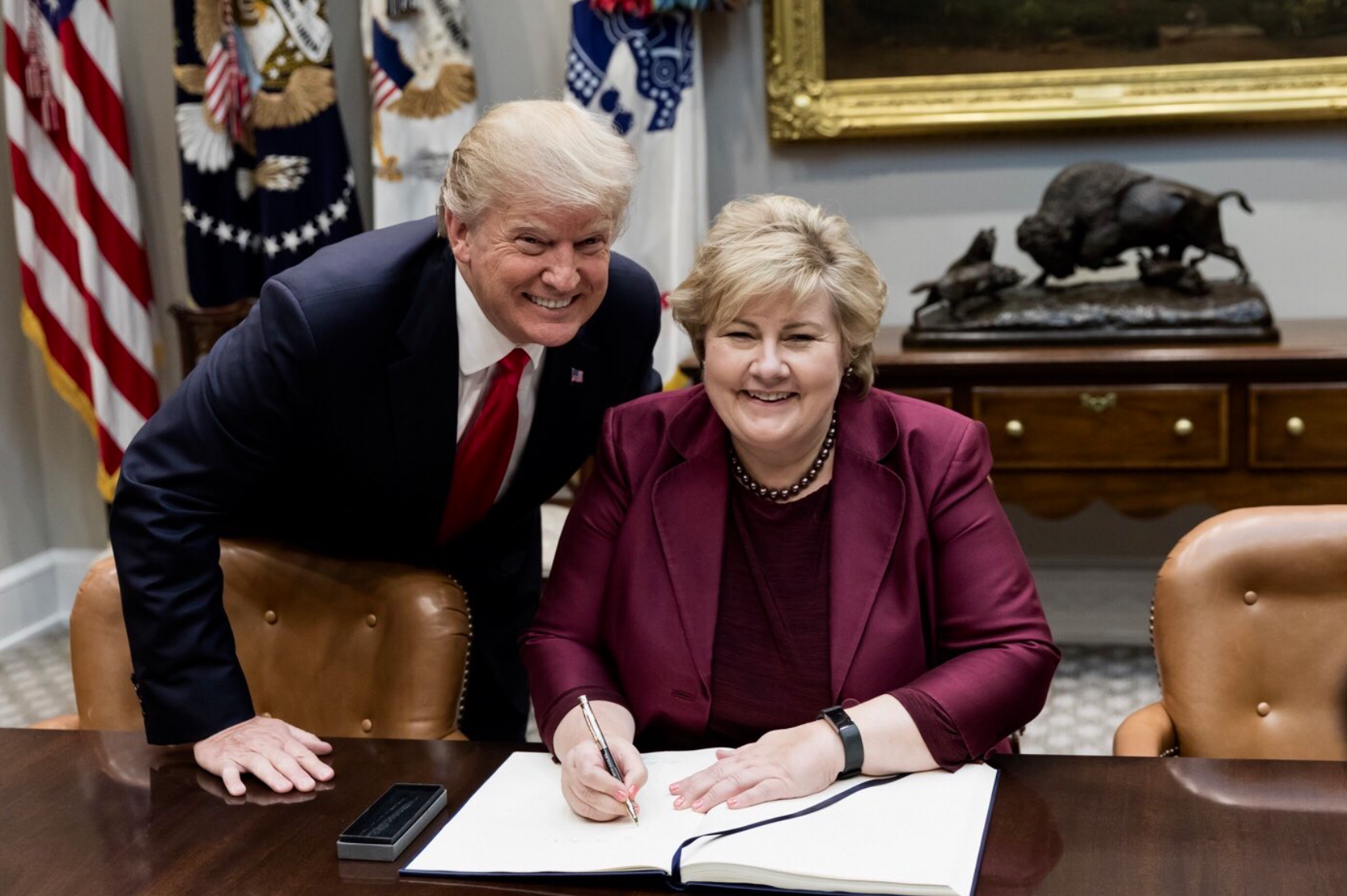
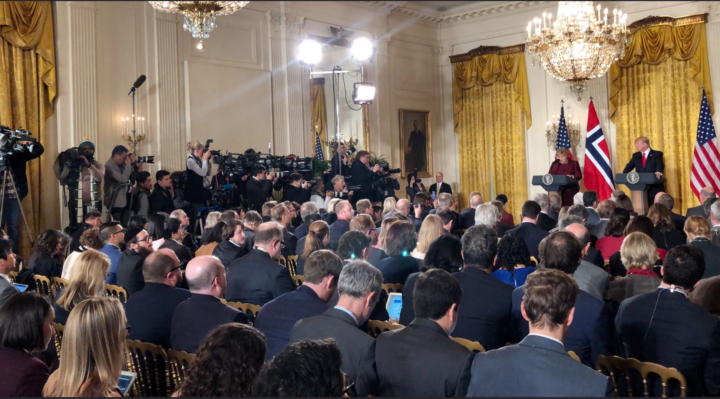
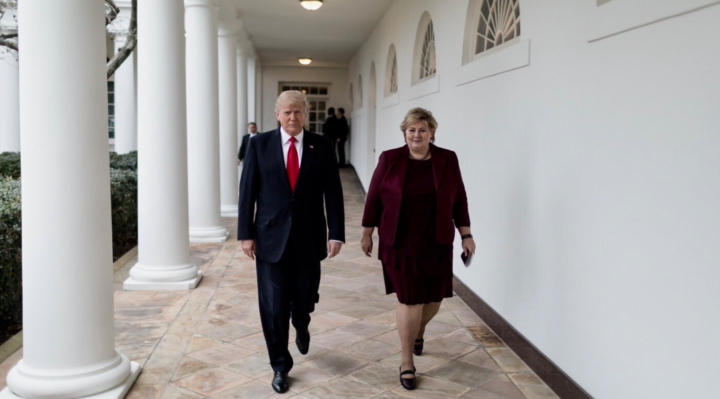
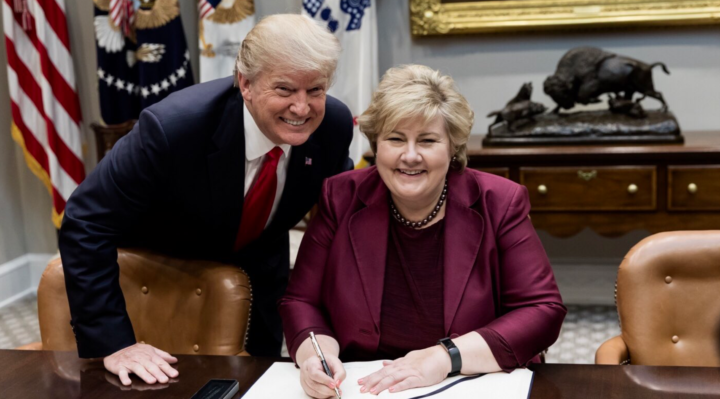
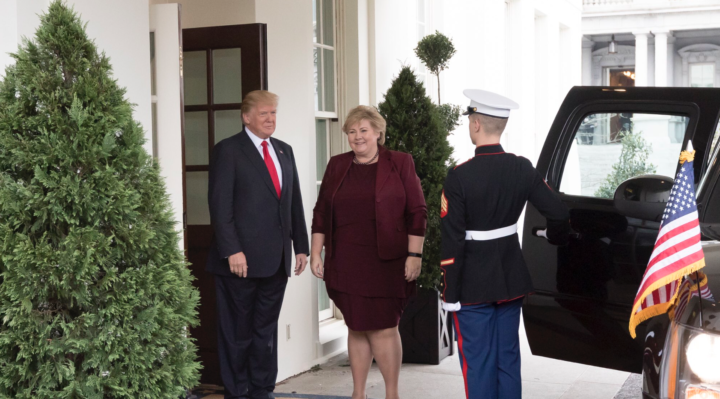
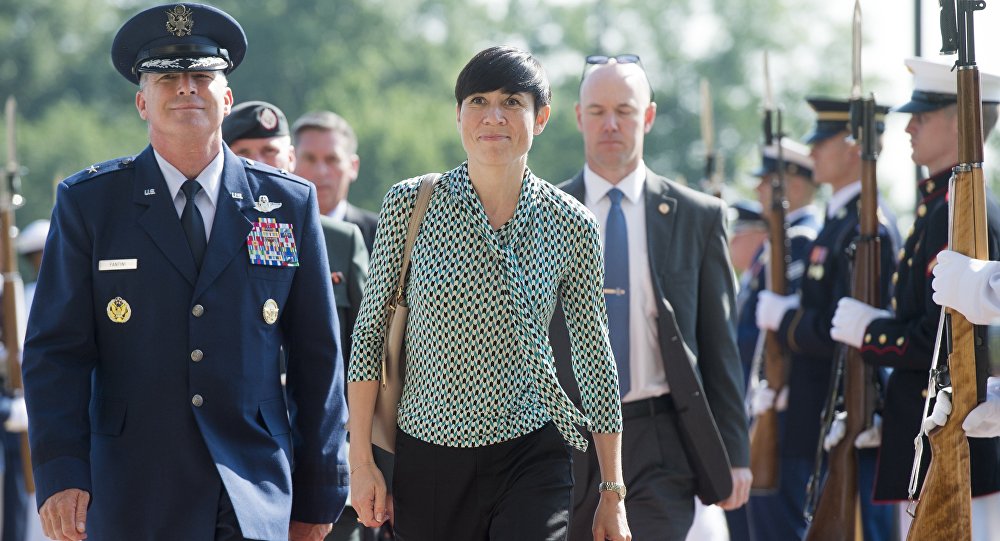
 Norway’s Foreign Minister Ine Eriksen Søreide and EU’s High Representative Federica Mogherini have decided to convene an extraordinary session of the international donor group for Palestine, the Ad Hoc Liaison Committee (AHLC).
 Norwegian big data analytics firm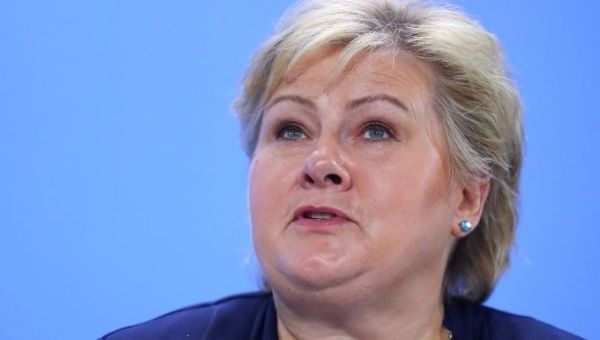
 Kare R. Aas, Norway’s ambassador to the United States, described the United States as “Norway’s closest ally,” in an interview with VOA.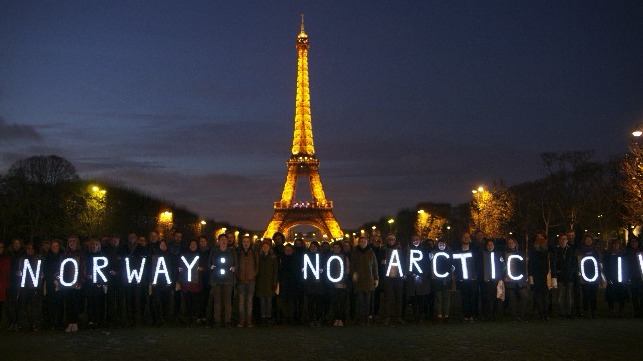
 Oslo District Court approved Norway’s plans for more oil exploration in the Arctic last Thursday, dismissing a lawsuit that claimed it violated the people’s constitutional right to a healthy environment.
 Yemen has welcomed Norwegian Foreign Ministry’s announcement to stop the export of arms to the UAE because of its participation in the aggression coalition against Yemen and its perpetration of war crimes against humanity, the Ministry of Human Rights said in a statement obtained by Saba on Friday.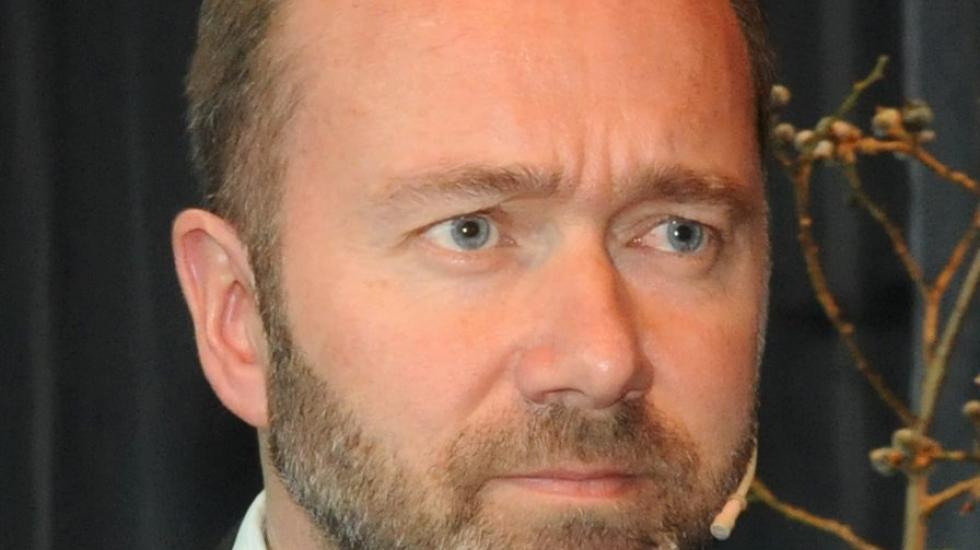
 Former Norwegian minister Trond Giske, a deputy leader of the Labour party, announced his resignation on Sunday after accusations that he sexually harassed young women.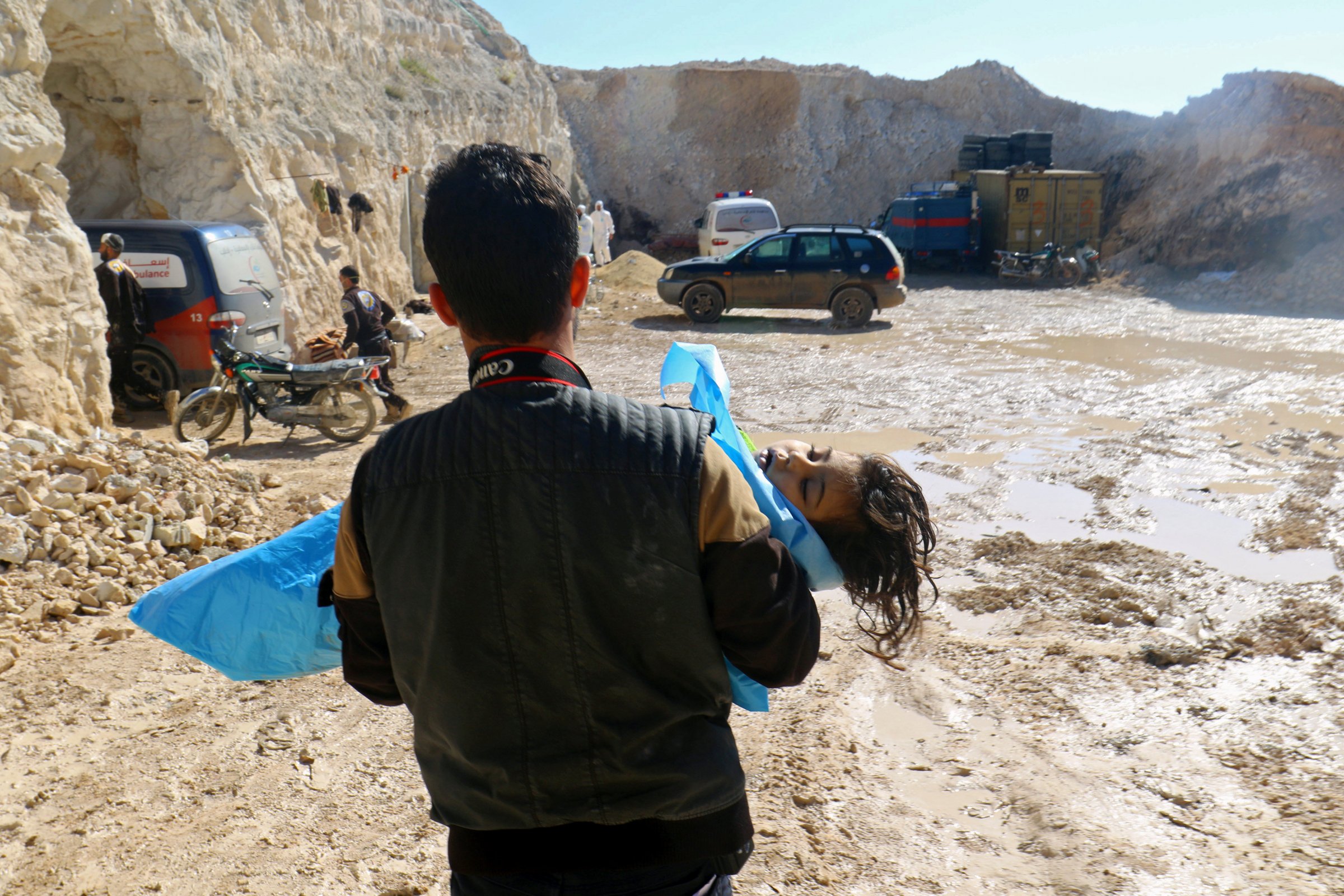
 In 2017, Norway maintained its substantial humanitarian support for civilians affected by the conflict in Syria. ‘The war in Syria is a terrible tragedy that has caused several hundred thousand deaths and forced millions of civilians to flee their homes. It is crucial that the international community steps up its support. Norway provided more than NOK 2.5 billion in aid in 2017. This funding has saved lives, supported civilians affected by ISIL attacks, and provided education opportunities for 1.2 million children in Syria and its neighbouring countries,’ said Minister of Foreign Affairs Ine Eriksen Søreide.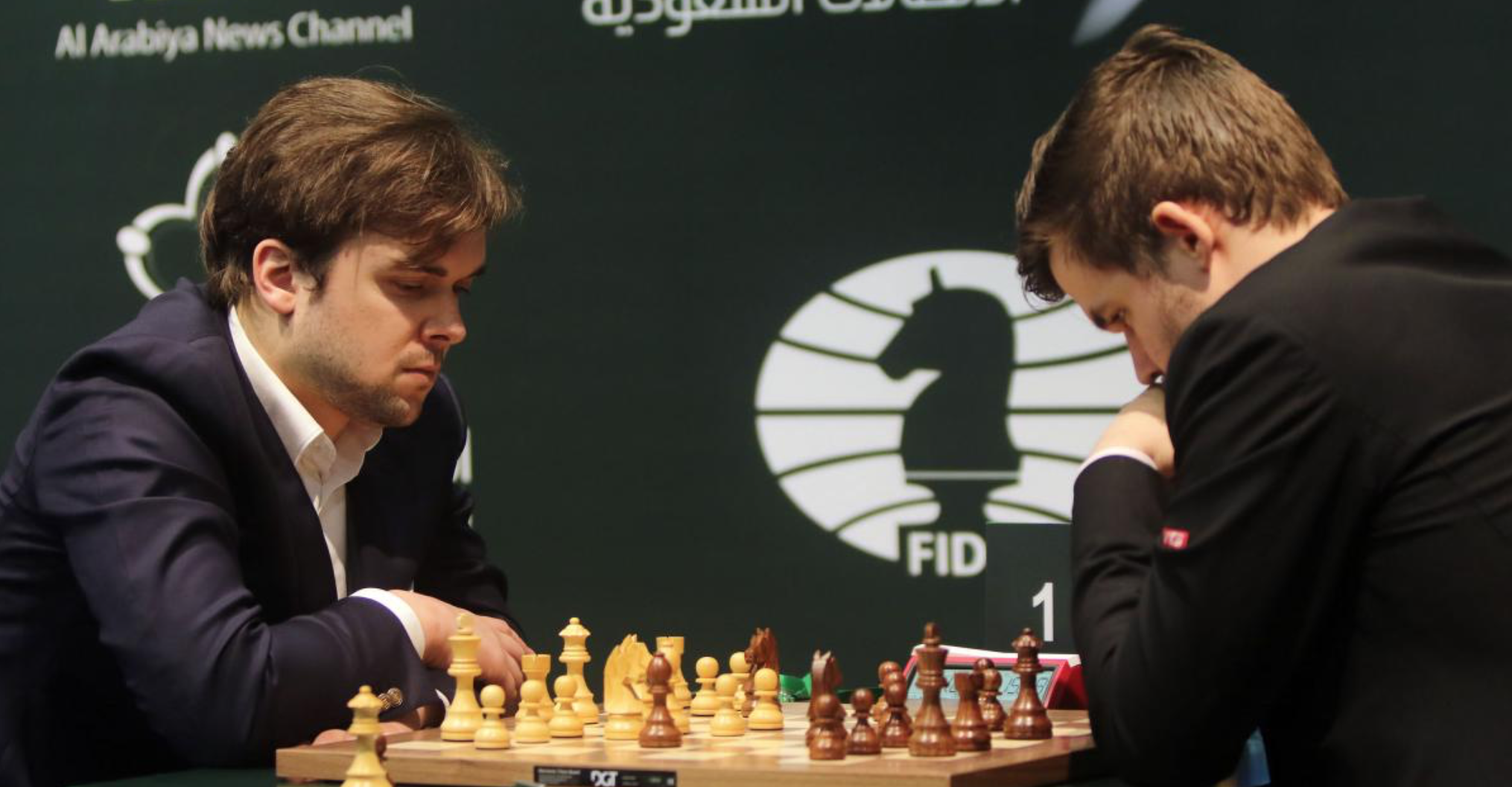
 The new King and Queens of Chess are crowned at the inaugural King Salman World Open and Women’s Rapid & Blitz Chess Championships in Saudi Arabia.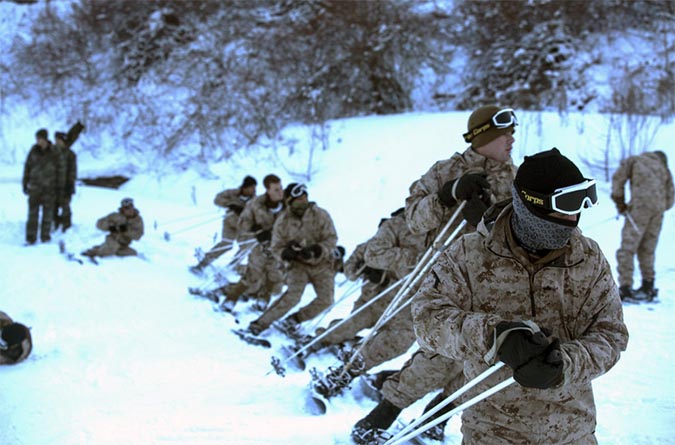
 Oh boy, somebody in the winter sports segment is getting a serious military contract. As reported by the