NORWAY NEWS – latest news, breaking stories and comment – NORWAY NEWS
  • Home
  • About us
  • News
  • Other News
    • Africa and Norway
    • Asia and Norway
    • Asylum
    • Breaking News
    • China and Norway
    • Corruption in Norway
    • Crimes
    • Defence
    • Diplomatic relations
    • Economics
    • Environment
    • Farming
    • Featured
    • Health
    • Killing
    • Media Freedom
    • Middle East and Norway
    • NATO and Norway
    • Nobel Peace Prize
    • Norwegian Aid
    • Norwegian American
    • Oil & Gas
    • Peace Talks
    • Politics
    • Racism in Norway
    • Religion
    • Royal House
    • Russia and Norway
    • Science
    • Sex scandal
    • Sports
    • Spy War
    • Srilanka and Norway
    • Svalbard
    • Taiwan and Norway
    • Terrorist
    • Travel
    • Video clips
  • Disclaimer
  • Contact us
NORWAY NEWS – latest news, breaking stories and comment – NORWAY NEWS
  • Home
  • About us
  • News
  • Other News
    • Africa and Norway
    • Asia and Norway
    • Asylum
    • Breaking News
    • China and Norway
    • Corruption in Norway
    • Crimes
    • Defence
    • Diplomatic relations
    • Economics
    • Environment
    • Farming
    • Featured
    • Health
    • Killing
    • Media Freedom
    • Middle East and Norway
    • NATO and Norway
    • Nobel Peace Prize
    • Norwegian Aid
    • Norwegian American
    • Oil & Gas
    • Peace Talks
    • Politics
    • Racism in Norway
    • Religion
    • Royal House
    • Russia and Norway
    • Science
    • Sex scandal
    • Sports
    • Spy War
    • Srilanka and Norway
    • Svalbard
    • Taiwan and Norway
    • Terrorist
    • Travel
    • Video clips
  • Disclaimer
  • Contact us
Monday, February 16, 2026
NORWAY NEWS – latest news, breaking stories and comment – NORWAY NEWS
  • Home
  • About us
  • News
  • Other News
    • Africa and Norway
    • Asia and Norway
    • Asylum
    • Breaking News
    • China and Norway
    • Corruption in Norway
    • Crimes
    • Defence
    • Diplomatic relations
    • Economics
    • Environment
    • Farming
    • Featured
    • Health
    • Killing
    • Media Freedom
    • Middle East and Norway
    • NATO and Norway
    • Nobel Peace Prize
    • Norwegian Aid
    • Norwegian American
    • Oil & Gas
    • Peace Talks
    • Politics
    • Racism in Norway
    • Religion
    • Royal House
    • Russia and Norway
    • Science
    • Sex scandal
    • Sports
    • Spy War
    • Srilanka and Norway
    • Svalbard
    • Taiwan and Norway
    • Terrorist
    • Travel
    • Video clips
  • Disclaimer
  • Contact us
Copyright 2025- All Right Reserved Norway News
Science

Bosnians in Norway tested positive for Coronavirus

by Nadarajah Sethurupan March 31, 2020
written by Nadarajah Sethurupan

Ambassador of Bosnia and Herzegovina to Norway Nedim Makarevic said that as of today, the number of coronavirus infected in Norway has increased to 4,245. He noted that the number of deaths increased to 26 and the number of hospitalized to 316.

“The Norwegian Institute of Public Health estimates that many more are infected with coronavirus than published on its official website, as people with milder symptoms are not even tested. The Institute estimates that there are around 28,000 people infected in Norway. A total of 85,136 people were tested by Sunday 29 March, which is one of the highest percentages per capita in the world,” Makarevic said.
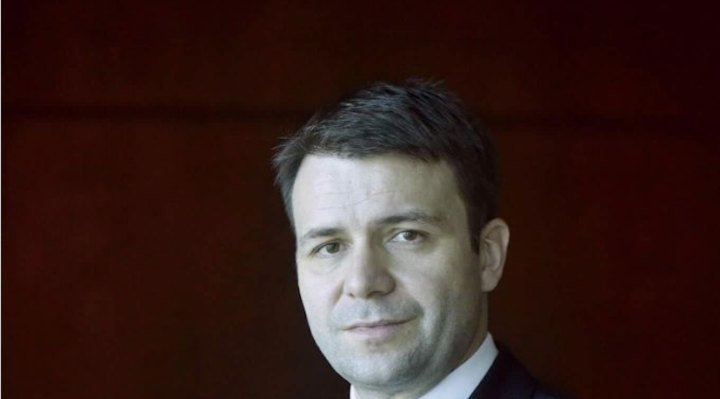
“We have reports that two Bosnian citizens in Norway are infected with the coronavirus, but the source did not want to reveal the names of those infected,” Makarevic said.

He stresses that all state and public institutions in Norway have been closed in accordance with the Government’s Declaration of Emergency until April 13th this year.

“Borders are closed to all foreigners except those who are permanently resident and they must be in quarantine for 14 days after entering Norway. There is still a shortage of disinfectants, gloves and masks. Due to the cancellation of flights from Norway abroad, there are currently 42 of our citizens who are unable to return to BiH and hold Schengen visas. The Norwegian authorities have announced on their official UDI website that the foreigner will have no problems staying after the visa expires if such a stay is necessary due to the cancellation of flights,” Makarevic said.


March 31, 2020 0 comments
0 FacebookTwitterPinterestEmail
Oil & Gas

40th Anniversary of Norway’s Worst Offshore Disaster

by Nadarajah Sethurupan March 30, 2020
written by Nadarajah Sethurupan

It was March 27th, 1980. The Alexander Kielland offshore accommodation unit was linked to the Edda platform in the Ekofisk area of the North Sea, offshore Norway.

Workers aboard were weather-bound to the floatel, because of the fog, and then the storm began to blow up, meaning helicopters couldn’t fly, and everything was shut down for the day.

With the weather turning worse, a decision was made to remove the gangway that was connecting the gangway from the platform.

Broken Chain Monument in Norway. Built to honor the victims of the Alexander Kielland disaster – Image by Robert Rozbora – AdobeStock

At 18:00, there were 212 people on board the Alexander Kielland. “After 15 minutes or so, we heard a very powerful thump,” one of the crewmembers recalls in a 20-minute movie shared by the Petroleum Safety Authority last week.

Then came a much bigger bang, recalls another one, and the rig began to tip over. 

“I managed to send a brief emergency message, ‘Mayday, mayday Kielland is capsizing,’ a survivor recalls.

One of the five support columns at Kielland had torn off, the floatel listed, took in water and overturned in 20 minutes.

123 died, 89 survived

“Events developed so quickly that few of the 212 people on board managed to get to their cabin to fetch a survival suit. Only eight managed to put one on – and four of those survived.

“Three of the seven lifeboats, with space for 50 people, were crushed by waves hitting the rig columns during lowering. Only two of the boats, therefore, remained usable.

“And nobody on board managed to operate the release mechanism for the liferafts, which were capable of accommodating 400 people.

“Temperatures of 7°C in the air and 4°C in the sea meant that those who fell into the water had little chance. A few managed to swim to the Edda platform and were hoisted on board. But 123 people died in the North Sea that evening. Eighty-nine survived,” Inger Anda, Director of communication and public affairs for the Petroleum Safety Authority, wrote in an article last week.

A turning point for the industry

According to the Norwegian offshore safety body’s director-general Anne Myhrvold, the loss of Alexander L Kielland marked a turning point on the Norwegian continental shelf (NCS). She believes it has been crucial for offshore safety work.

“This was a turning point not only for the industry but also for the whole country,” Myhrvold said. “We’ve worked differently on safety since 1980 –  on regulatory roles, development of the regulations and not least clarifying the responsibility of the companies. They’re the ones responsible for safety – every single day.

“Although much safety work had also been done before the Kielland, this disaster revealed weaknesses with emergency preparedness, training, the division of responsibility, regulation and government follow-up.”

“Important and lasting changes and improvements were therefore made to the regime in the following years.”

Myhrvold said that following the incident, large parts of the safety regime were reviewed and reshaped.

“Changes to the regulations and the division of responsibility form the basis for today’s system and the high level of safety we now enjoy,” she said.
“The specific lessons from the disaster have long since been followed up, Myhrvold says. “But Kielland still has great value, and illustrates the huge consequences a major accident can have – for individuals and families, for the industry and for society. It shows what can go wrong when safety and emergency preparedness are inadequate. “

We can’t be satisfied

“We see that much good work is being done to improve safety, but we nevertheless still witness serious incidents,” she says. “Some of these have been very critical, and it would not have taken much to turn them into a major accident.

“That means we can’t be satisfied. We must work better throughout. The companies must constantly make systematic efforts to avoid things going wrong.”

“They must also ask themselves whether they are taking an integrated approach to humans, technology and organization and whether their solutions are sufficiently robust to cope with the unforeseen. Work on these and other issues related to improving safety is crucial.

“It’s our duty to learn from Kielland and other incidents, and to use these lessons in such a way that we avoid a new major accident.”

March 30, 2020 0 comments
0 FacebookTwitterPinterestEmail
Science

Norway to carry out random virus tests

by Nadarajah Sethurupan March 30, 2020
written by Nadarajah Sethurupan

Norwegian health authorities say they are set to start performing random coronavirus tests, following the experiment Iceland has done.

Citing officials at the Norwegian Institute of Public Health, Norwegian public broadcaster NRK said on Sunday that such random testing among all citizens will provide answers to two key questions: how many of those who appear to be infected actually have the coronavirus and how wide the spread of the virus is.

NRK said Iceland, with its 12,000 random tests among its population of 340,000, has the largest number of tests per capita in the world.

Norway, with a population of 5.4 million, has so far reported 4054 coronavirus cases with 25 deaths.© AAP 2020

March 30, 2020 0 comments
0 FacebookTwitterPinterestEmail
NATO and Norway

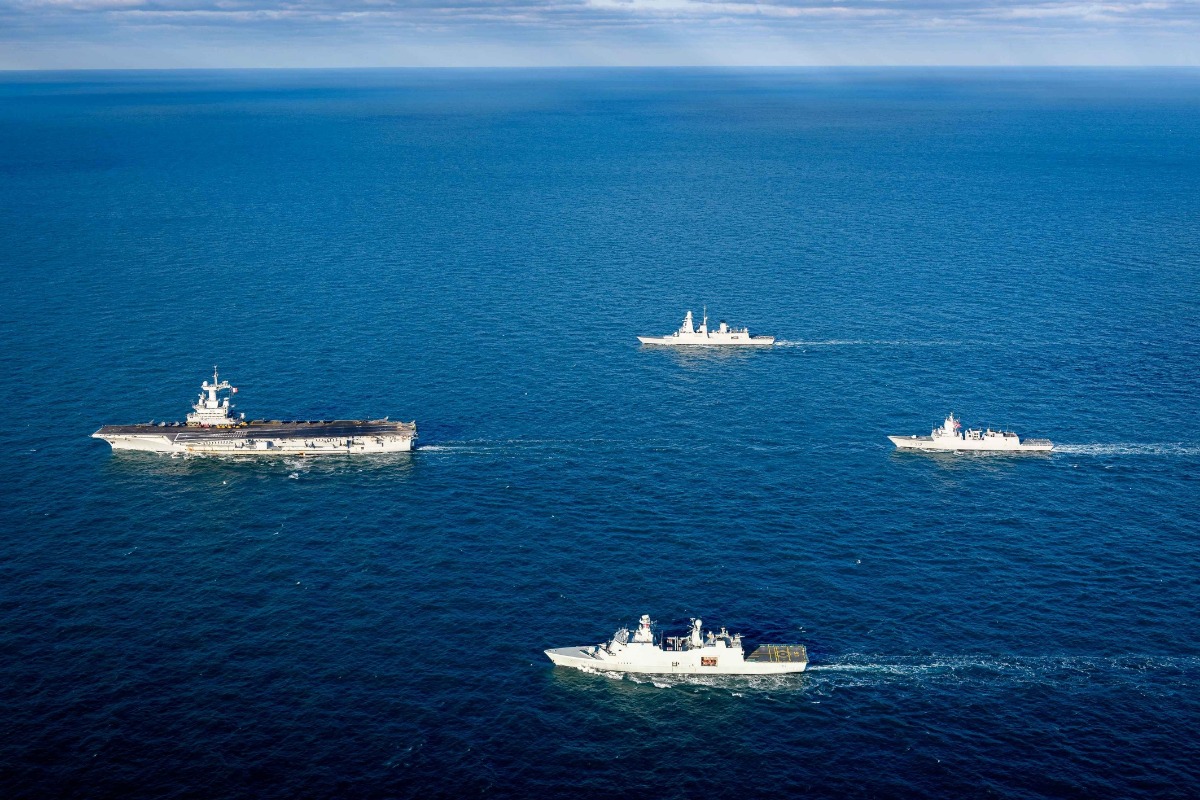
NATO forces conduct drills with French Carrier Strike Group

by Nadarajah Sethurupan March 29, 2020
written by Nadarajah Sethurupan

French carrier strike group and its flagship, the aircraft carrier Charles de Gaulle, trained with the Standing NATO Maritime Group One (SNMG1) for four days last week, NATO MARCOM has announced on 23rd March. The combined exercises ran between 19-22 March bringing together warships from Belgium, Denmark, France, Germany, Norway, Portugal, Spain and the United Kingdom on the east coast of Denmark.

The exercises were conducted between 19-22 March on the east coast of Denmark

“The interaction with the French carrier strike group provides valuable opportunities for both the carrier strike group and us. The ability to train and develop our procedures, communication and interaction is ultimately what tie us together as allied forces. It enhances our readiness and our ability to fight war. Obviously it also enhances the cohesion within the Alliance. Together NATO allies constitute a powerful naval force,” said Commodore Yngve Skoglund, Commander of SNMG1.

The aircraft carrier Charles de Gaulle and its strike group left France in January for operations in the Mediterranean Sea. The group has now deployed to the Atlantic Ocean and the North Sea.

March 29, 2020 0 comments
0 FacebookTwitterPinterestEmail
China and Norway

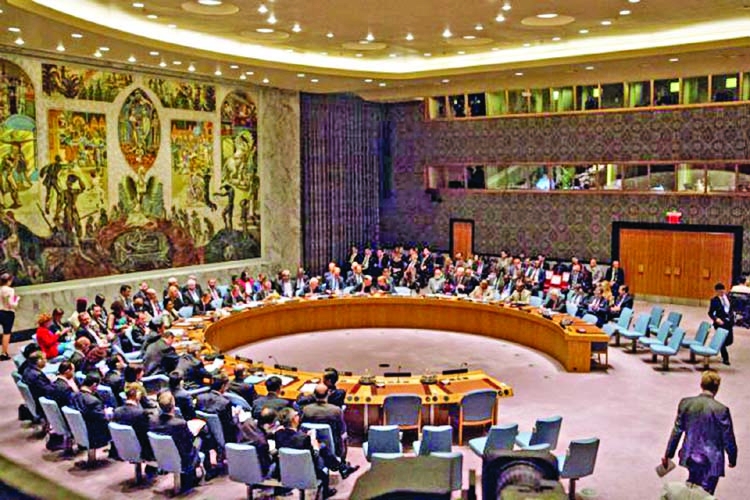
China refuses to allow discussion on virus in UNSC

by Nadarajah Sethurupan March 29, 2020
written by Nadarajah Sethurupan

China, which is being held responsible for the Wuhan Coronavirus outbreak throughout the world is reportedly not allowing the global issue to be discussed in the United Nations Security Council (UNSC). Many countries want to pass a proposal on the global issue but China is constantly putting obstructions.

While Coronavirus has already claimed thousands of human life across the world, the United Nations have been failing in discussing the epidemic yet because of veto by China. The pandemic that broke out in Wuhan province of China has infected more than 4.3 lakh people around the globe.

But the intergovernmental body United nations hasn’t started discussions over this serious problem. Neither the United Nations General Assembly of 193 members, nor the 15 member UN Security Council has discussed the matter yet, reports Media.

When Chinese Ambassador Zhang Jun was asked questions related to the discussion on COVID-19, he said that it is not on the agenda of the United Nations Security Council. The United Nations Security Council is alleged to be divided on its proposal on the pandemic. China has also objections regarding the terminology of the proposal.

According to reports, China and some other countries are blocking a draft to discuss the pandemic at the UNSC. The draft proposal prepared by Estonia highlights “growing concern about the unprecedented extent of the COVID-19 outbreak in the world, which may constitute a threat to international peace and security.”

The draft also calls for “full transparency” over the outbreak, which clearly refers to growing criticism that China is hiding vital details about origin about the Virus, making China uncomfortable over the terminology of the draft. None other US president Donald Trump has been alleging that China is misleading the world on the issue. Non-permanent member South Africa opposed the draft first, and later China and Russia also blocked it, reports say.

Another important aspect here is that China is the President of the UN Security Council for March. The President decides what issues will be discussed in the UNSC. Although the term of President changes every month, as a permanent member China has veto power so it can continue to block the issue to be taken up by UNSC.

The workings of the United Nations, headquartered at New York, has also virtually come to a halt, as the city is worst hit by Wuhan Coronavirus in the US. The meetings of the United Nations are also being conducted through video conferencing.

The G20 countries will be discussing the epidemic on Thursday with a common strategy. After the meeting of SAARC countries through video conferencing, Prime Minister Modi has also suggested the video conference meeting for G20 countries.

March 29, 2020 0 comments
0 FacebookTwitterPinterestEmail
Economics

Norway’s sovereign fund loses US$124 billion as markets crash

by Nadarajah Sethurupan March 28, 2020
written by Nadarajah Sethurupan

Norway’s sovereign wealth fund, the world’s largest, has lost 1.33 trillion Norwegian crowns (US$124 billion) so far this year as stock markets have plunged due to the coronavirus pandemic, it said on Thursday (Mar 26).

The fund is now worth US$930 billion, down from more than US$1 trillion at the end of last year. Its investment portfolio dropped 16.2 per cent, all but erasing the 20 per cent gains made last year, while its stock market portfolio – its main asset class – has lost 22.8 per cent of its value, it added.

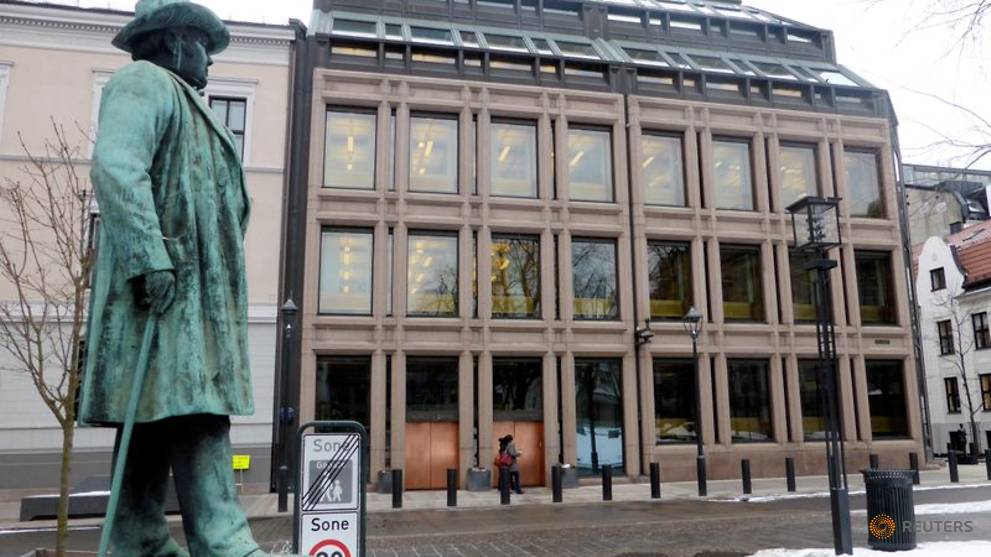
FILE PHOTO: A general view of the Norwegian central bank in Oslo, Norway March 6, 2018. REUTERS/Gwladys Fouche/File Photo

Separately, Norway’s central bank said earlier on Thursday it had appointed a new chief executive for the fund and would announced the name at a news conference.

The long-awaited appointment of a new CEO comes at a turbulent time for financial markets, with the coronavirus outbreak and a plunge in oil prices.

Outgoing CEO Yngve Slyngstad, announced last October that he would step down after 12 years on the job. During his tenure, the fund’s value rose sharply thanks to rising stock markets and solid income from Norway’s oil and gas industry.

Formally known as Norges Bank Investment Management, a unit of the central bank, the asset manager places proceeds from Norway’s oil and gas industry in foreign stocks, bonds and real estate.

Source: Reuters/nh

March 28, 2020 0 comments
0 FacebookTwitterPinterestEmail
Srilanka and Norway

Over 17,000 overseas Sri Lankans register on ‘Contact Sri Lanka’

by Nadarajah Sethurupan March 28, 2020
written by Nadarajah Sethurupan

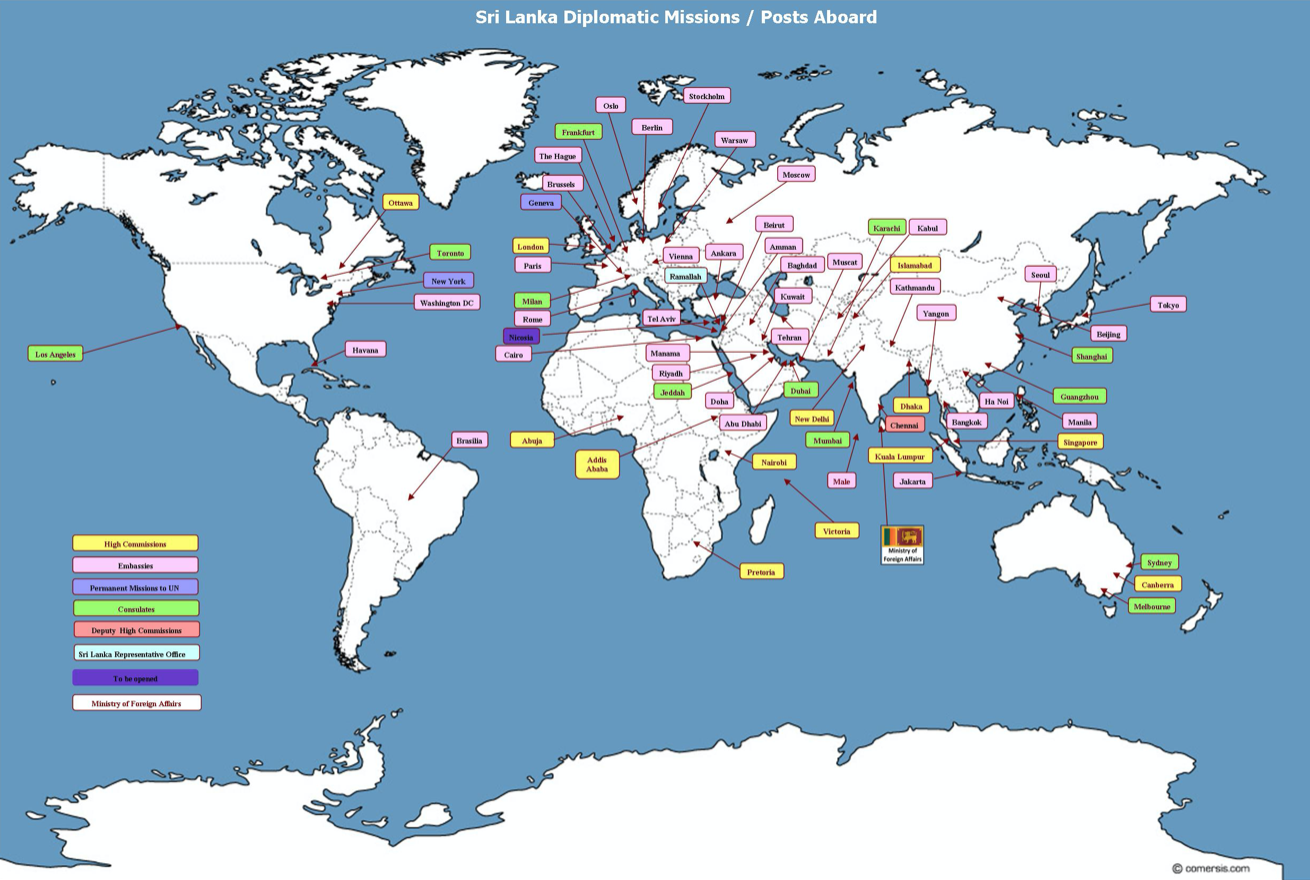
Over 17,457 Overseas Sri Lankans (OSL) had by Saturday noon (28 March), registered on the ‘Contact Sri Lanka’ Online Portal of the Ministry of Foreign Relations. Of these, 6773 are from the Middle East region, 1892 from Europe, 1302 from South Asia, 1028 from North America and over 6000 from other parts of the world.

This portal jointly created by the Ministry of Foreign Relations and the Information & Communication Technology Agency of Sri Lanka (ICTA) for the benefit of Overseas Sri Lankans, was launched on Thursday (26 March 2020). It is hosted on the Ministry web page www.mfa.gov.lk and can also be accessed at www.contactsrilanka.mfa.gov.lk. A dedicated team of officials have been assigned by the Ministry of Foreign Relations to respond to queries.

A bulk of the 700 inquiries received through ‘Contact Sri Lanka’ so far, relate to the possibility of return to the country. However in light of the special request made by the Government yesterday (27 March) to Sri Lankan expatriates urging them to safely remain where they are now until the risk of  COVID-19 virus is minimized and the disease is contained in Sri Lanka, the Ministry has taken several measures through its Mission network to continue to facilitate and address the immediate concerns of the Overseas Sri Lankans. Other common inquiries include the welfare of student populations, extension of visa, lack of financial support for those unemployed, non-payment of salaries, closing down of commercial establishments and questions on quarantine upon arrival.

Over the past two weeks since disruptions to travel, Sri Lanka Missions abroad have been particularly vigilant and prompt in taking action towards addressing the impending issues faced, particularly by the student populations. Some of the measures put in place included ensuring that hostels remain open, that food supply/provision is maintained by the respective establishments, and that if they require medical assistance they are directed to medical facilities, wherever possible, to seek extensions of university/school payments of students. The Missions have also been directed to maintain close engagement with educational establishments with Sri Lankan students and the student community to continue to provide for their welfare.

With respect to Sri Lankan employees in the Middle East and Asia in particular, Missions will work with host governments to secure fair treatment and concessions for Sri Lankan expatriate workers to the maximum extent possible. This includes safeguarding the rights of the workers in relation to payment of salaries and ensuring job security.

As for the broader population of Sri Lankans, Missions have also been requested to liaise with Sri Lanka Associations, organizations and places of worship established by Sri Lankans, in providing assistance to those Sri Lankans facing difficulty and are in need of assistance in the face of the rapidly evolving situation.  The Missions have been requested to mobilize to provide basic sustenance and medical facilities, in full measure.

Earlier on 18 March, Sri Lanka requested foreign governments to facilitate appropriate visa extensions for Sri Lankans currently visiting their countries, in view of the control measures issued by most countries due to COVID-19. A number of states have positively responded to this request, and the Sri Lanka Missions have been asked to communicate the modalities for this process to those affected, while engaging other host Governments to work out reciprocal arrangements, as Sri Lanka extended this facility to all foreign nationals presently in Sri Lanka since mid-March.Ministry of Foreign RelationsColombo28 March 2020

March 28, 2020 0 comments
0 FacebookTwitterPinterestEmail
Terrorist

Terror convict Mullah Krekar extradited to Italy

by Nadarajah Sethurupan March 28, 2020
written by Nadarajah Sethurupan

Faraj Ahmad Najmuddin aka Mullah Krekar was extradited to Italy from Norway Thursday to serve time for international terrorism.

He landed at Fiumicino and was taken to Rome’s Rebibbia Prison.

Krekar was sentenced last July 15 to 12 years in jail together with another five defendants, like him of Kurdish-Iraqi origin, for “association with terrorism purposes, also international”.

March 28, 2020 0 comments
0 FacebookTwitterPinterestEmail
China and Norway

NGOs Calls on Norway Oil Fund to Divest from Hikvision and Dahua

by Nadarajah Sethurupan March 28, 2020
written by Nadarajah Sethurupan

The Norwegian Uyghur Committee, Norwegian Helsinki Committee, Norwegian PEN, Rafto Foundation for Human Rights, Uyghur Human Rights Project and the World Uyghur Congress have jointly published an open letter calling on the Government Pension Fund of Norway to divest from Chinese technology companies Hikvision Digital Technology and Zhejiang Dahua Technology, due to their involvement in serious and ongoing human rights violations in the Uyghur Region in China. The full text of the letter continues below:

We, a coalition of six human rights organizations, write to express our serious concerns regarding investments held by the Government Pension Fund of Norway (also known as the “Oil Fund”), in Chinese technology companies Hikvision Digital Technology and Zhejiang Dahua Technology, both of which are directly implicated in gross and continued human rights violations in the Uyghur region of China. The Fund must take immediate steps to divest from both companies.

Hikvision, the world’s largest maker of surveillance cameras, and Dahua, a large provider of video surveillance products and services, have both won more than $1 billion worth of Chinese government- backed contracts in the Uyghur region since 2016.

Hikvision and Dahua products and services have been used by the Chinese government to monitor and suppress Uyghurs, Kazakhs and other religious and ethnic groups, including the mass arbitrary detention of at least 1 million in internment camps. The issue has been repeatedly raised by human rights groups, the European Union, the UN and by the Norwegian Government itself, on a number of occasions.

Both companies were added to a US trade blacklist in October 2019 which includes 20 Chinese public security bureaus and six other companies, all implicated in human rights violations against Uyghurs and other Turkic Muslims including mass detention and surveillance.

The Oil Fund makes clear its focus on responsible investment. It recognizes a set of international standards which includes integrating human rights into company policies and strategy, reporting on salient human rights issues, and engaging transparently on human rights through grievance mechanisms. The Oil Fund also has expressed its support for, and compliance with, the UN Guiding Principles on Business and Human Rights.

These standards could not be further from those adopted by Hikvision and Dahua. Both companies qualify for observation or exclusion according to section 3 (a.) of the Fund’s own guidelines:

“Companies may be put under observation or be excluded if there is an unacceptable risk that the company contributes to or is responsible for: a) serious or systematic human rights violations, such as murder, torture, deprivation of liberty, forced labour and the worst forms of child labour […]”

Norway’s Oil Fund is by no means the only culprit, however. A growing number of investment funds, corporations and other entities have publicly disclosed investments in these companies and continue to do so.

While immediate divestment will not solve the human rights crisis, it would send a clear signal to these investors that the world’s largest sovereign wealth fund is not interested in supporting those that participate in, or enable, gross and systematic human rights violations. It would likewise ensure that the Oil Fund does not continue to profit from those violations going forward.

While we acknowledge that the Fund’s Ethical Council has indicated greater attention to investigating whether technology companies’ tools are being used for “improper surveillance”, the time is now to seriously reassess its investments in Hikvision and Dahua and to take appropriate action to ensure it complies with its own ethical standards.

Sincerely,

Norwegian Uyghur Committee

Norwegian Helsinki Committee 

Norwegian PEN

Rafto Foundation for Human Rights 

Uyghur Human Rights Project World Uyghur Congress

For media inquiries, please contact:

Adiljan Abdurihim, Norwegian Uyghur Committee: info@uigurene.no

Peter Irwin, Uyghur Human Rights Project: pirwin@uhrp.org

Ryan Barry, World Uyghur Congress: ryan.barry@uyghurcongress.org

March 28, 2020 0 comments
0 FacebookTwitterPinterestEmail
Norwegian Aid

Norway proposes global fund to fight coronavirus

by Nadarajah Sethurupan March 28, 2020
written by Nadarajah Sethurupan

Norway proposed today the creation of a global fund for the fight against the Covid-19 under the auspices of the United Nations Organization (UNO), in view of the increase of infected and dead people in more than 160 countries.

Foreign Minister Ine Eriksen Soreide said that a multilateral foundation would help developing countries with weak health systems to cope with the pandemic, offer partners predictability and contribute to greater effectiveness.

She added that the initiative is supported by the UN Under-Secretary-General, Amnima Mohamed, who could present the proposal in a few days.

The World Health Organization has recorded about 350,000 cases, 15,300 deaths and more than 100,000 people recovered from the virus that emerged in December in the Chinese city of Wuhan, with its current epicenter in Europe.

March 28, 2020 0 comments
0 FacebookTwitterPinterestEmail
Asia and Norway

Violence erupts in China as people try to leave coronavirus-stricken Hubei province

by Nadarajah Sethurupan March 28, 2020
written by Nadarajah Sethurupan

Violent clashes erupted on a bridge between China’s virus-stricken Hubei province and neighbouring Jiangxi province, days after authorities relaxed an epidemic lockdown.

Police vehicles were overturned and police scuffled with each other amid large crowds of shouting people, according to a series of videos posted to Chinese social media. The confrontation came after authorities in Jiangxi blocked entry to people from Hubei, local media reported.

Hubei this week lifted its lockdown of areas of the province outside Wuhan.

But deep distrust has taken root across China toward people from Hubei, fuelled by fear of COVID-19, which spread widely in the province, as well as skepticism of official reassurances that the epidemic has been successfully suppressed. People from Hubei have been refused entry to hotels and their homes, even if they were not in Hubei during the past two months. On social media, people have reported being barred from entering Beijing merely because their hometown is in Hubei.

Now, the release of lockdown measures means large numbers of people from Hubei are attempting to move elsewhere in China, threatening new hostilities.

On Friday, videos of the bridge confrontation showed a line of uniformed officers behind riot shields positioned across the bridge, blocking movement from Hubei province across the Yangtze River into Jiujiang, a city in Jiangxi. A large crowd marched toward the blockade chanting “Let’s go, Hubei!” In another video, Ma Yangzhou, the secretary of the party committee in Huangmei County on the Hubei side, urges people to disperse. “It’s dangerous for you to gather like this on the bridge,” he said, citing both the block to transportation and “the risk of virus infection.”

The clashes took place between 3 p.m. and 6 p.m., a worker at a toll booth on the bridge told the Globe and Mail in an interview Friday evening. “It was on the middle of the bridge somewhere that the block was put in place,“ said Ms. Huang, the worker. The Globe is not identifying her by her full name because she is not authorized to speak to foreign media. On Friday evening, digital mapping apps showed the bridge closed from both sides, citing “construction.”

In a brief commentary published on its Twitter-like Weibo account, the state-owned People’s Daily called the bridge conflict “regrettable.”

“The people of Hubei have made great efforts and significant contributions to winning the battle against the epidemic,” the commentary said. “People from all sectors of society have also been calling for the acceptance of Hubei’s migrant workers. However, it’s undeniable that some individuals of some regions have intentionally or unintentionally discriminated against Hubei people, set up obstacles for them to return to work” and discriminated against them.
According to official government policy, those who live outside Wuhan and are considered healthy have been allowed to resume travels since Wednesday. Authorities reopened railways and long-distance bus service, and pledged to completely remove all highway roadblocks by Friday. The desire to leave Hubei is substantial: Qichun County in the city of Huanggang counts one million residents, but has said 216,000 need to leave for work.

Hubei province has reported only a single new case in the past week. The province counts nearly 68,000 confirmed cases and says 3,174 people have died from COVID-19 since the outbreak began late last year.

On Friday, authorities downgraded the virus risk classification of Wuhan from “high risk” to “medium risk.” The tight lockdown measures in the city are scheduled to ease on April 8.

But even as Chinese authorities push to resume normal life, skepticism is growing about the accuracy of the virus numbers in the region. Health authorities have acknowledged that their tally of confirmed cases does not include people who have the virus but have not shown symptoms. Those asymptomatic cases are believed to number in the tens of thousands.

New questions have also emerged about the accuracy of the official death toll. Earlier this week, authorities began to distribute to family members the ashes of their cremated loved ones. Photos taken by people at funeral homes showed long lines and large numbers of remains. Photos published by Caixin Media from one of Wuhan’s eight funeral homes showed well in excess of 1,000 boxes containing remains.

March 28, 2020 0 comments
0 FacebookTwitterPinterestEmail
Science

Covid-19 pandemic: Government strengthens humanitarian efforts

by Nadarajah Sethurupan March 27, 2020
written by Nadarajah Sethurupan

The Covid-19 pandemic is exacerbating an already difficult situation for populations in countries affected by humanitarian crises. Refugees and internally displaced persons will be especially vulnerable to coronavirus infection even as they continue to need protection, shelter, food, water and basic health services.

The Norwegian Government is now strengthening its humanitarian efforts by setting aside more money for the global humanitarian response to the pandemic and by giving more flexibility to humanitarian organisations, enabling them to better respond to the pandemic’s direct and indirect consequences.

‘I fear that the already grave humanitarian situation for the people of Afghanistan, Syria and many other countries in crisis will become even worse. That is why we are now increasing our earmarked humanitarian support for responses to the coronavirus pandemic, from NOK 10 million to NOK 100 million,’ said Minister of Foreign Affairs Ine Eriksen Søreide.

Currently, the recorded number of Covid-19 infected people in countries receiving humanitarian aid is relatively low, but the pandemic is already putting extraordinary pressure on humanitarian organisations. In the time ahead, a great deal of flexibility will be needed to ensure that the organisations can quickly prioritise efforts where the need is greatest at any time.

‘We are now informing our closest humanitarian partners that they will be given more flexibility to redirect humanitarian funds on a need basis. At the same time, we are increasing the portion of our humanitarian budget held in reserve so we can respond quickly as new needs arise,’ the Foreign Minister said.
To date, Norway has contributed NOK 10 million from the humanitarian budget to the World Health Organization (WHO) to help it respond to the Covid-19 pandemic. In addition, Norway has contributed NOK 15 million through its share of the UN Central Emergency Response Fund (CERF). The additional NOK 90 million will support the implementation of the UN Global Humanitarian Response Plan  to the Covid-19 pandemic, which is launched today.

Norway has a total humanitarian budget of just over NOK 5.5 billion for 2020. The support is provided mainly to the UN, Norwegian humanitarian organisations and the International Red Cross and Red Crescent movement.

March 27, 2020 0 comments
0 FacebookTwitterPinterestEmail
Oil & Gas

DNO announces $300m budget cut; focus on Kurdistan

by Nadarajah Sethurupan March 27, 2020
written by Nadarajah Sethurupan

DNO ASA, the Norwegian oil and gas operator, today announced a 30 per cent or $300 million reduction in its 2020 budget to shore up its balance sheet in the face of unprecedented market convulsions and plunging oil prices triggered by the coronavirus pandemic. Steps have already been taken to suspend most discretionary drilling and capital projects across the company’s portfolio and to focus instead on key projects in its core operating area in the Kurdistan region of Iraq, it said. 

The company has also initiated staff reductions, cancelled the first half 2020 dividend, discussed modalities for cost reductions with its suppliers and contractors and frozen new ventures. “We demonstrated our resilience and nimbleness during the regional geopolitical pandemonium triggered by ISIS some five years ago and can ramp up operations quickly once the coronavirus is put back in the bottle,” said Bijan Mossavar-Rahmani, DNO’s Executive Chairman. 
Meanwhile, among the company’s priorities is completion of testing of the Baeshiqa-2 exploration well in Kurdistan starting late March. The company previously reported that the well flowed light oil and sour gas to surface and that testing of remaining reservoirs would resume following a well workover program, now completed, to assess commerciality. 

DNO also remains committed to complete its $100 million Peshkabir-to-Tawke gas capture, transport and reinjection project in Kurdistan to reduce CO2 emissions at the Peshkabir field and boost oil recovery at the Tawke field. Gas reinjection will commence in early April. But the company’s exploration, appraisal and development drilling campaign, historically the most active among the international oil companies in Kurdistan, has been scaled back, as both DNO and contractor staff movements and rotations have been impacted by border closings, quarantines and other coronavirus travel restrictions, the company said. 

By the end of March, the number of active drilling rigs deployed by DNO in Kurdistan will drop to two (including one workover rig) from six (two workover rigs) at the beginning of the year. Production at the Tawke and Peshkabir fields has already started to slide to below 115,000 barrels of oil per day. DNO’s ability to maintain its level of spending has also been strained by interruptions and delays to monthly payments for its oil exports from Kurdistan; the last payment received in January covered September 2019 exports. 

“We have every confidence that payments will be forthcoming from Kurdistan, as they always have, but timing and regularity will drive our ability, and that of other companies, to plan and execute investments necessary to grow, even maintain, oil production,” Mossavar-Rahmani said. The company will suspend guidance, including on production, until it has more visibility on the course of the pandemic and the direct and indirect impact on DNO’s operations and financial position, it said. 

The board of directors, in light of oil market turmoil and uncertainty, has decided not to make use of the authorisation granted at the 2019 Annual General Meeting to pay dividends for first half 2020 but remains committed to the programme and at the next shareholder meeting will request authorisation to resume dividend distributions once circumstances permit, it said. The company today also released its 2019 annual report and accounts and 2019 annual statement of reserves and resources. 

DNO had a record year in 2019 with annual revenues of $971 million, up 17 percent from year earlier levels, Company Working Interest (CWI) production was up 28 per cent year-on-year to a record 104,800 barrels of oil equivalent per day (boepd) and the largest drilling programme in the company’s 48-year history.  

Notwithstanding strong underlying performance, 2019 results were impacted by non-recurring items as well as lower oil prices and increased exploration expenses resulting in operating profit of $76 million. Year-end 2019 CWI proven and probable (2P) reserves stood at 345 million barrels of oil equivalent (MMboe) down from 376 MMboe at year-end 2018 after adjusting for production during the year and technical revisions, offset partly by reserves added through the acquisition of Faroe Petroleum plc in 2019.  Proven (1P) reserves stood at 206 MMboe and proven, probable and possible (3P) reserves at 540 MMboe. 

On a gross basis, at the Tawke licence in the Kurdistan region of Iraq containing the Tawke and Peshkabir fields, year-end 2019 2P reserves stood at 400 million barrels (MMbls) (502 MMbbls in 2018), of which 1P reserves represented 228 MMbbls. Gross 3P reserves stood at 641 MMbbls. Broken down by field, Tawke field gross 2P reserves at the Tawke field stood at 284 MMbbls (376 MMbbls in 2018) after adjusting for 2019 production of 25 MMbbls and a downward technical revision of 67 MMbbls; of the total remaining 2P reserves, gross 1P reserves represented 176 MMbbls.  Gross 3P reserves at yearend 2019 stood at 421 MMbbls. At the Peshkabir field, gross 2P reserves stood at 116 MMbbls at yearend 2019 (126 MMbbls in 2018) of which gross 1P reserves represented 51 MMbbls.  Gross 3P reserves stood at 220 MMbbls. 

Across its North Sea portfolio at year-end 2019 (87 licences in Norway and 12 in the United Kingdom), on a CWI basis, DNO’s 2P reserves stood at 70 MMboe (1P reserves of 49 MMboe, 3P reserves of 102 MMboe and 2C resources of 149 MMboe). – TradeArabia News Service

March 27, 2020 0 comments
0 FacebookTwitterPinterestEmail
Science

20,200 people in Norway may be infected with the coronavirus

by Nadarajah Sethurupan March 25, 2020
written by Nadarajah Sethurupan

A company that collects data from Norwegian GPs reported that 20,200 people are registered as infected or suspected of being infected by the Coronavirus.

The company, PasientSky released the figures on NRK Dagsrevyen on Monday evening.

Oslo.Corona testing of staff at Ullevål Hospital .Photo: Ole Berg-Rusten / NTB scanpix

The figures are based on reports from 40 per cent of the Norwegian doctors’ offices, where patients have had consultation either physically or over the phone.

The patients in question have been diagnosed with covid-19, which means they are most likely to have the virus. The Directorate of Health has asked to obtain the figures from PasientSky, but warned that the figures must be interpreted cautiously.

“There will be patients who are suspected of having the illness but do not actually have it,“ said Division Director Johan Torgersen of the Directorate of Health.

Torgersen says the numbers are important, so that they can monitor how the Coronavirus affects the GP service.

“It is important to note that the virus places great pressure on the GPs,”he added. 

March 25, 2020 0 comments
0 FacebookTwitterPinterestEmail
Defence

Americans struggling to get home during coronavirus pandemic

by Nadarajah Sethurupan March 24, 2020
written by Nadarajah Sethurupan

About 13,500 Americans are stranded abroad and have reached out to the State Department for help in returning to the United States since the start of the coronavirus pandemic, a senior State Department official said Monday.

A repatriation task force is “working around the clock” to help Americans get home, said the official, who was authorized to speak only on condition of anonymity.

Since the effort began, the State Department has repatriated 5,000 Americans from 17 countries and will bring home “thousands more in the coming days and weeks,” the official said.

“We’re hearing about people who are in very remote locations and very remote parts of the world. It’s complicated,” the senior State Department official said. “I’m hesitant to give a guarantee we can move every single person. We are moving very large numbers of people, and we will continue this effort.”

Below is a full rush transcript of the press Briefing With Senior State Department Officials On COVID-19: Updates on Health Impact and Assistance for American Citizens Abroad

SENIOR STATE DEPARTMENT OFFICIAL ONE:  The COVID-19 pandemic is an unprecedented global challenge, one that has affected a great number of Americans abroad.  Here at the Department of State, we’re rising to meet that challenge.  We’re working around the clock to bring U.S. citizens who are stranded overseas back home.  Our consular officers posted overseas and our local – their local employee colleagues have been working night and day to help Americans get on flights.  And, as just said, there’s a 24-7 task force here in Washington supporting that effort.

Though we stood up the task force last week, this was not our first effort to bring Americans home in response to this pandemic.  We evacuated over 800 people from Wuhan and over 300 from the Diamond Princess in Japan.  In date – in total to date, we have brought home more than 5,000 Americans from 17 countries, and we’re bringing home thousands more in the coming days and weeks.  This is truly an unprecedented effort to bring Americans from every region of the world in these rapidly changing conditions on the ground.

We urge all Americans traveling overseas at any time, but particularly now, to enroll in our Smart Traveler Enrollment Program at step.state.gov.  This is how embassies communicate important health and safety information to U.S. citizens in real time.  If you are not involved – excuse me, enrolled – you may be missing the most up-to-date information from the embassy during this crisis.

And I would like to just relate a little bit of a brief exchange I had with one of our ambassadors just an hour ago in one of the regions that is not yet heavily affected by the crisis.  The ambassador asked me what advice we should – he should be giving U.S. citizens, and I said you should do something along the lines of, “Consider whether you are ready to ride out an undetermined period of time where you are now, or do you want to go to the United States to wait out events?  If it’s the latter, do so now,” and that last bit all caps.  

That is our advice to people:  Avail themselves of commercial opportunities probably still exist.  Enroll in STEP so that if we have to help you get on subsequent flights or subsequent means of transportation, we can do so.

SENIOR STATE DEPARTMENT OFFICIAL TWO:  The bureau remains first and foremost focused on our 75,000-person workforce in over 220 locations around the world and is working very closely with our consular colleagues and folks at post to assist American citizens overseas, whether they are stranded and looking for a ride home or find themselves infected with coronavirus.  We are part of a broader interagency effort, and any movement of American citizens or chief of mission personnel during a pandemic outbreak is complex and requires the partnership of HHS, DHS, and others, and I’ll leave it there pending your questions.

QUESTION:  Do you have an updated total of the number of State Department employees who have tested positive?  And when you say that thousands more Americans are coming home in the coming weeks, this – this is due to your efforts in – or organizing charter flights or get – and such or something – or they’re just coming back on their own? 

SENIOR STATE DEPARTMENT OFFICIAL TWO:  So the domestic numbers are easier to quantify just based on communications with posts abroad.  Obviously, this is a rapidly evolving situation, especially in the overseas environment.  I can tell you we’re still at single digits here in the United States with cases – one each, two each, three each in Washington; Houston; Boston; New York; Quantico, Virginia; and Seattle.  So the numbers themselves are – overseas are still double-digit.  We’re looking at less than 30 scattered over 220 posts around the world, and it remains a challenge.  Obviously, the – this type of outbreak, had we known earlier what the epidemiology was and had some of that data, perhaps we would have a better feel for how this was going to move across our overseas posts.  But we are keeping pace with it.  And again, the number at this point is less than 30.  Over.

SENIOR STATE DEPARTMENT OFFICIAL ONE:  We are encouraging people to, as I said at the top, to avail themselves of commercial means while they still exist.  That is the case in a number of parts of the world, but that window is closing fast.  So what we are doing after that is we are using a variety of different means.  For example, out of Central America we had some U.S. military DOD craft, aircraft return who have carried some folks back on a space-available basis.  So for example, out of Honduras I think the number was 90 sometime late last week or over the weekend.  We’re also facilitating through the Economic Bureau, we’re helping private charters go into places.  So some mission groups have asked for our help in getting the necessary permissions for their privately chartered aircraft to go in.

We are using in some cases – and I expect this will be happening in an expanded fashion as we go out from here – we’re using what’s called the K Fund.  It’s a special fund authorized by Congress to allow us to meet unexpected emergencies.  We have organized a number of flights already on the K Fund, K Fund charters, and there are going to be more of those starting today, in fact.

We’re tracking some 13,500 U.S. citizens abroad who are seeking assistance in being repatriated.  

QUESTION:  You mentioned there’s 13,500 Americans.  Is that the estimated number of Americans stranded abroad?  And do you have a breakdown of the numbers in different geographic areas?  And finally, how many Americans have enrolled in STEP? 

SENIOR STATE DEPARTMENT OFFICIAL ONE:  I don’t have the exact numbers for you, but let me say this:  We estimate there are some 10 million U.S. citizens living abroad.  Mexico alone has a million to a million and a half U.S. citizens living there.  But that is not the entire universe of people who would be seeking to return to the United States.  A vast, vast majority of those people are resident in those countries; they’re at home in those countries.  The people who are seeking our assistance at the moment are what we might consider the expats, or tourists who are overseas temporarily.  They’re the ones whose homes are here in the United States, in other words trying to come home to ride out this crisis.

So we’re not looking at a total would-be evacuee population of 10-plus million.  It’s much, much smaller than that.  As I said, we have so far seen 13,500 or so thousand U.S. citizens who have requested some form of assistance and registered with us seeking some form of assistance in returning home.

QUESTION:  Two things.  First, for the Senior Official One, can you respond to Senator Menendez’s letter yesterday in which he calls for the administration to invoke authorities within the Civil Reserve Air Fleet readiness program to facilitate chartering these flights to get people back, and in which he also calls for the military or the Department of Defense to make military aircraft available.

And then secondly, for Senior Official Two, as I’m sure you’re aware, the U.S. Ambassador to South Africa Ambassador Marks self-quarantined on Thursday at least four days after she returned to South Africa from the United States after having spent time among other things on a U.S. Naval vessel.  Why did she self-quarantine on Thursday?  Was there something that happened between Monday and Thursday that caused her to do that, some kind of exposure?  And if not, why didn’t she self-quarantine immediately upon return to South Africa?  Or indeed, why did she return to South Africa in the first place if she had a potential exposure? 

SENIOR STATE DEPARTMENT OFFICIAL ONE:  With regard to MilAir, with regard to using those assets, we are in conversations with the Department of Defense through what is called the ExecSec – ExecSec process.  They are one of the options that we might find ourselves calling on down the road.  At the moment, though, we are finding that – excuse me – that laying on charters via the K Fund, via other mechanisms we have here in the State Department is an efficient way to do this.

As I said, we are also helping private carriers increase the number of flights they have.  So, for example, going into Peru, our Economic Bureau is facilitating conversation amongst the U.S. Government agencies involved in providing this end of the regulatory approval while our embassy in Lima is working with the Peruvian authorities on getting the necessary regulatory approvals down there.  

And so we’re able to increase the capacity that way.  This is a – whole-of-government is a cliche. 

QUESTION:  What about the question that I had regarding Ambassador Marks and why she did not self-isolate prior to Thursday? 

SENIOR STATE DEPARTMENT OFFICIAL TWO:  I can’t speak on an individual case, but I can give you from a policy perspective and sort of the way we’re addressing the disparate self-quarantine and isolation requirements in over 220 locations around the world.  First, we’re not tracking any specific exposure to any specific individual at the ambassadorial level, but I can tell you when any traveler from the State Department returns to a host nation, we respect – to the extent that we can we respect their requirements.  It’s the right thing to do, and I think we would expect their diplomats to do the same when they come to the United States.

QUESTION:  When it comes to the number of State Department employees in consulates and embassies abroad, can you tell us how many authorized departures there have actually been so far, and have you developed any contingency plan for personnel if the situation worsens?

SENIOR STATE DEPARTMENT OFFICIAL ONE:  Yes, and we have done so already in some places where air travel has become more complicated.  When we do that, if we have to charter an aircraft to bring out what we call chief of mission personnel and there’s additional space available on those flights, we will make those additional seats available to private U.S. citizens seeking to depart those countries.  So this is an ongoing dynamic situation as the virus spreads and more and more posts go on authorized or ordered departure, yes, we are taking account of this.  We are bringing those officers back to the United States, and in a great many cases, certainly I know in the Bureau of Consular Affairs, we’re putting those people to work here assisting the task force, as we mentioned earlier, or otherwise assisting in dealing with this worldwide crisis.  

QUESTION:  Can you say how many K Fund charters there have been, and does that include the medical students stuck in Peru?  I know there’s been a lot of claims that there is a flight ready to go pick them up and they’re waiting on getting some red tape cleared from the State Department.

And then what should we be telling people who are reaching out to us, quite frankly, stuck in other countries, and saying they’re not getting any response?  Should they contact the embassy, contact the airline?  And should we be telling them that they – there will be a way to get them home one way or another at some point, or can you not guarantee that for every country around the world at this point? 

SENIOR STATE DEPARTMENT OFFICIAL ONE:  With regard to the people in Peru, maybe I could ask you to elucidate a little bit on the question of red tape.  I think I know what you’re referring to, but I want to make sure I’m responding to your question.

QUESTION:  I believe at the university or a private company that says they have a plane that could go pick them up, and they’re saying that they are waiting and waiting to get the correct clearance and they’re waiting on the State Department.  Is that something that’s being worked through?

SENIOR STATE DEPARTMENT OFFICIAL ONE:  I don’t know the particulars of the case, but this is what I referred to earlier.  The State Department, the Economic Bureau here, is working, I mean, round the clock assisting with putting together the FAA, CBP, et cetera, TSA regulatory approvals on this end, and whatever the regulatory approvals are on the other end.  We are – we in the State Department are facilitating the communications, so it might be that we haven’t fully achieved that yet.  I have heard my colleagues in the Economic Bureau say that, at least at this end, the U.S. end, everybody is lashed up and ready to move very quickly and is moving quickly.  In some cases, it’s at the other end.  In this case, maybe in Peru we don’t yet necessarily have all the necessary Peruvian authorization.

We need to be aware of the fact that the Peruvian capacity for handling these flights is very limited.  They’ve been – due to COVID infections in their civil airport in Lima, they’ve had to close that airport and they’re operating out of the military, the other side of the airport, which has much, much, much less in the way of capacity, so they are able to process far fewer flights through.  I don’t know the particulars of this case, but that could explain it, that the Peruvians have not yet granted authority.

You asked about people who have not had contact with the department.  I hope that they have enrolled in STEP, and I sincerely hope that they’ve heard back through what we call a MASCOT message.  The messages get pushed out to STEP enrolees.  As a test of the system, I enrolled myself in STEP last night saying I was in Peru and would be for the next 10 days, and I’ve already received two messages from the embassy.  So if you’re hearing otherwise, it would be good to know.

QUESTION:  Could you just sort of flesh this out what the message is to people overseas?  Are you confident that there will be a way for everyone who wants to come home to come home at some point, or can you not make that promise quite yet?

SENIOR STATE DEPARTMENT OFFICIAL ONE:  We are hearing about people who are in very remote locations in very remote parts of the world.  It’s complicated.  I mean, again, going back to the case of Peru, we are tracking a number of people who are in Iquitos.  The only way in and out of Iquitos is by air.  We are working with the Peruvians to try to get permission – and the Peruvians have shut down internal air travel.  We’re trying to get permission to move those people by air to Lima so we can bring them out.

I’ve heard about individual people in remote areas in Peru, in Samoa, in Banda – in Aceh in Indonesia.  So I am hesitant to give a guarantee we can move every single person.  We are moving very large numbers of people and we will continue this effort.  

MODERATOR TWO:  To reiterate the point from the beginning of the call, this is an unprecedented effort.  These are historic times, and the department is rising to the challenge.  Safety and welfare of U.S. citizens abroad is our first priority, and we will continue to work 24/7 on the task that we’ve been given for the American people.

QUESTION:  I just wanted to clarify.  You mentioned 5,000 people already repatriated.  Those are people who were brought home with charters or DOD flights by the – organized by the State Department?  Is that correct? And then when you mentioned 13,500, what was this figure exactly about? And then one other thing.  The President yesterday talked about the case of a young woman that was brought back, but he wouldn’t elaborate.  Do you have more details about that woman who was horribly treated and then brought back to the U.S.?  

SENIOR STATE DEPARTMENT OFFICIAL ONE:  I cited some 5,700 people have been brought back.  The vast – the great majority of those were coming back through State charters – State Department chartered aircraft.  Some 800 – 800-plus out of Wuhan, China back on – in late January, 300-plus out of Yokohama, Japan, approximately 1,200 came out of Morocco last week.  We’ve had other – we had other people come out of Central America recently.  We’re looking at now 16 or so flights in the next five days, and we’ve got, at this point, about 1,600 passengers – over 1,600 passengers identified for those flights.  There’s room for more.

That 13,500 number I gave, those are the people who have reached out to our posts in all parts of the world, saying they’re interested in our assistance.  So what we do when we have space on a flight coming out, we reach out to those people and say we have space, a plane leaving at X hour on Y day, if you’re interested, let us know.  We are then prioritizing amongst those people, taking account of, really, vulnerability.  If we have somebody who is 70 years old with an underlying condition such as diabetes or heart disease, that person is going to get a higher priority on one of those flights than the hale and hearty 20-year-old.

QUESTION:  Just following up on the 13,500, how many countries do they represent?  The K Fund flight – I guess you sort of answered that in saying that you’ve got 16 flights over the next two days – those are all charter flights, correct you mentioned testing State Department people overseas.  Have you run into the same shortages of tests and problems that the United States is experiencing? 

SENIOR STATE DEPARTMENT OFFICIAL ONE:  I can’t tell you exactly what countries are involved in that number of 13.5 I gave you, but they are worldwide.  I’m sure that there are countries somewhere. It’s probably – it’s not every single country worldwide.  It’s certainly every single region of the world, but specific number of countries I do not have.

K Fund – you asked about the K Fund and chartering.  Yeah, we’re scheduling – those are chartered planes – those K Fund charter planes – over the next, whatever, some five days or so.  In some other cases, we’re – they’re DOD back halls.  We’re also working with the Department of Homeland Security.  They’re flying planes into Central America and they are prepared to bring folks back on those aircraft.  So it’s a variety of different U.S. Government aircraft.  

SENIOR STATE DEPARTMENT OFFICIAL TWO:  With regard to testing, there are essentially three scenarios overseas.  In the first scenario, it’s in a very modern country – UK, France, and so forth, and we rely on testing on the host nation medical infrastructure, and we’ve not had problems where we’ve needed testing – getting testing for chief of mission personnel.

At the other end of the spectrum are places that don’t have testing, and those – there is no deployable test that we can put in our embassies overseas.  And so in those countries where there is no host nation testing, if we have a case that we’re following, which to date we’re not, the intent is to care for them as – assume that they have coronavirus and treat them accordingly.  Provide care in place, and medically evacuate them when we otherwise would for someone who had a bacterial pneumonia or a bad case of influenza.

And there are cases in the middle – or places in the middle where there is host nation testing available, but to subject the individual to the test may trigger an interaction with a host nation government where there’s a movement by a host nation to forego Vienna protections and place the person in institutional quarantine.  While we’ve not faced that problem, we have plans for that problem, and the plan on that, quite frankly, is to medically evacuate them then, and at that time, bring them back to the States and put them in an appropriate facility.

We’re working with industry right now.  We anticipate and hope that there will be emergencies authorization of another testing platform that we will be able to deploy to our embassies overseas in the coming week or two.

QUESTION:  Could I follow up on one thing that said, please?  You said flights that Homeland Security is sending down to parts of Latin America would bring American – these would be deportation flights, so flights that are deporting migrants would then bring stranded Americans back?  Is that correct?

SENIOR STATE DEPARTMENT OFFICIAL ONE:  DHS, ICE ERO has indicated a willingness to use those planes for that purpose, yes.

QUESTION:  I was wondering if you guys have heard any complaints about the website and that people insert information and they don’t end up hearing back.  It sounds like you’ve tested it out yourself, but I wonder if there is an effort to address that issue at all that some people are having.

SENIOR STATE DEPARTMENT OFFICIAL ONE:  we recognize it’s an issue.  What we’ve found – a colleague of mine tried to do what I did, tried to register for a trip to Peru, didn’t quite get the data put in correct, and therefore didn’t hear anything back and thought, “Oh my God, the system doesn’t work.”  So sometimes it’s a question of operator error.  Other times it is – it can be a question of the system getting overloaded.  I mean, here we are asking through this unprecedented effort to get people to register through STEP.  

There’s going to be some latency issues, but we are trying to address those.  Just in the last 24 hours, the Bureau of Consular Affairs has doubled our – the – I’m not a computer guy – doubled the capacity of the system to process cases by bringing up another server center to handle this.  So we hope this addresses the latency and other issues we had seen. 

QUESTION:  And do you guys feel like you have the capacity in general to deal with this global crisis?  There’s obviously been some complaints on the Hill from lawmakers that feel like it really has been a scramble.  How have you guys responded to that?

SENIOR STATE DEPARTMENT OFFICIAL ONE:  It has been a lot of hard work, and it is going to be a lot of hard work going forward, but yes, we are dealing with this.  Yeah, we are devoting all of our resources to this.

For example, we have instructed posts worldwide, all posts worldwide, to suspend routine visa services.  So those posts in China or Mexico or wherever they are where we have hundreds of officers doing visa services and we have thousands of locally employed staff assisting in doing those visa services, we are largely shutting down those routine visa services so we can devote all of that officer and locally employed staff time to American citizen services.

The officers who are coming home – the consular officers who are coming home on authorized or ordered departure we are in large part putting to work doing what we call ACS work, American Citizen Services work.  We have a number of them working on the task force now, and we will have – probably have more by the end of the day and more by the end of tomorrow.  So we are devoting all available resources to addressing this crisis.  Over.

QUESTION:  I was wondering if you could elaborate a little further on those (inaudible) cases, how many are contractors versus staffers, how many are locally employed staff versus Foreign Service officers?

Then, how many folks are actually working on the repatriation task force?  And what message do you have to Americans who are really scared, they feel like they’re not being heard right now?

SENIOR STATE DEPARTMENT OFFICIAL ONE:  How many – is the question how many people are on the task force?  I think with each passing minute it’s more.  It’s a little bit hard to say only because we have a certain number of people working in a task force room, but of course, we’re trying to be socially distant these days, so we have people sort of dispersed across the Washington area and elsewhere who are working task force issues.  But they’re also working their daytime jobs, so it’s a little bit difficult to say specifically that we’ve got X number of people.

I can put it this way:  As the head of the task force, I can call on any resources within the Bureau of Consular Affairs to address task force issues, and we have a very, very large workforce.  We’re some 14,000 worldwide.  We are also able to pull in representatives from the regional bureaus, from other functional bureaus.  

I mentioned already the Economic Bureau.  Diplomatic Security is in there.  Bureau of Legislative Affairs is in there.  Our colleagues from Global Public Affairs are in the room.  I know I’m leaving some out, but it is a very large group, some of whom are physically present in the task force room, the vast, vast majority of whom are not.  They are working in a dispersed fashion.  

QUESTION:  And then, any message to Americans abroad who are scared and feel like they’re not being heard?

SENIOR STATE DEPARTMENT OFFICIAL ONE:  I’m going to go back to what I said in the beginning.  If you are a U.S. citizen and you are abroad at the moment, take a look at your circumstances; determine whether this is a place where you would be willing to hunker down for an indeterminate period of time as airspace and borders, et cetera, close down.

Now, if you’re at home in central Mexico and that’s where you live, fine.  But if you are somewhere where you think no, this is not where I would want to be over the long haul, take advantage of existing commercial opportunities and get out now.  If the borders have closed – or actually, even before the borders close, people should register with us, make contact with the U.S. embassy or consulate in their area, and then listen carefully for instructions and advice from that embassy or consulate.

When the time comes, assuming the time comes to try to organize a repatriation flight, the only way we’re going to be able to find somebody is if they’ve registered with us in STEP and provided in pretty detailed information about who they are, how to get in touch with them, et cetera.  That’s how we build the manifest for these flights.

March 24, 2020 0 comments
0 FacebookTwitterPinterestEmail
Defence

British Royal Marines launched surprise raids on Norway coastline

by Nadarajah Sethurupan March 24, 2020
written by Nadarajah Sethurupan

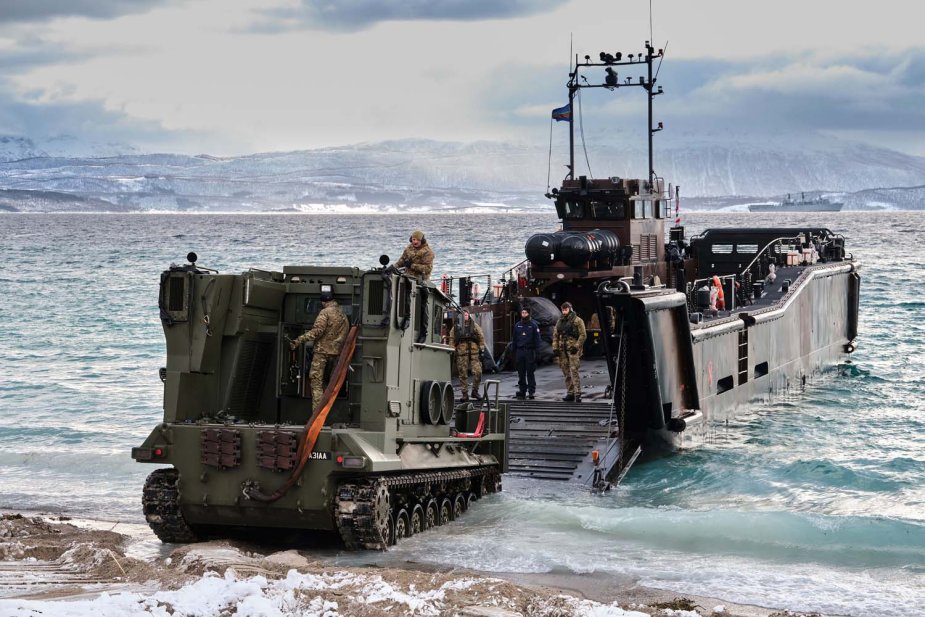
Royal Marines surprised ‘enemy forces’ by launching a series of daring raids on the Norwegian coastline during demanding winter exercises. Deep within the Arctic Circle, the first objective of the mission saw commando forces launch an amphibious attack from UK flagship HMS Albion using boats operated by Norwegian allies.

Embarking on the Royal Norwegian Navy’s CB90-class fast assault craft and Skjold-class corvette, a commando team covertly infiltrated the enemy positions set along the Norwegian fjords of Senja Island, more than 685 miles north of capital Oslo. The commandos’ mission was to cause havoc amongst their adversaries.

The Royal Marines use “Hippo” BRVs (Beach Recovery Vehicles) now based on Leopard 1 main battle tank chassis. In 1944, the first specialized vehicles of this type used on D-Day were Sherman BARVs (Beach Armoured Recovery Vehicles) (Picture source: Royal Navy)

In addition to adopting progressive tactics, the unit embraced Future Commando Force development by operating as 12-man teams, with each commando bringing unique skills and individually chosen for the mission at hand.

Having been maneuvered into position off the coast by the Norwegians, the teams (drawn from 45 Commando’s Recce Troop, Joint Terminal Attack Controllers and gunners from 29 Commando Royal Artillery, and Royal Engineers from 54 Commando Royal Engineers) silently landed ashore via small raiding boats operated by Plymouth-based 47 Commando.

The commandos then coordinated a salvo of artillery fire and air support onto the enemy target, quickly destroying their position and allowing the amphibious task group to gain a foothold on mainland Norway.

It was before the outbreak of the coronavirus crisis…

March 24, 2020 0 comments
0 FacebookTwitterPinterestEmail
Asia and Norway

Kazakhstan: extra-measures against coronavirus, massive support to businesses

by Nadarajah Sethurupan March 23, 2020
written by Nadarajah Sethurupan

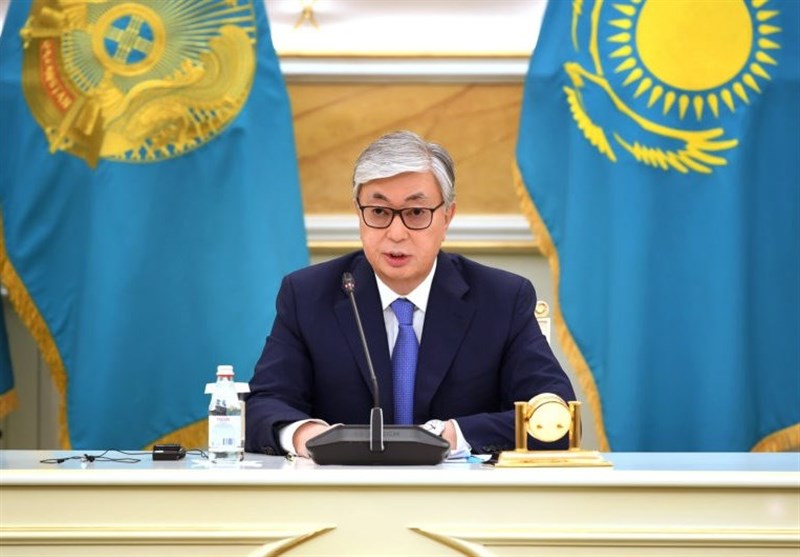
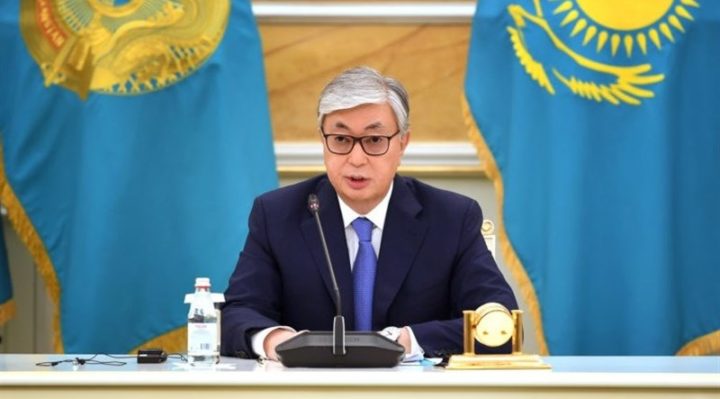
President of Kazakhstan, Kassym-Jomart Tokayev, in a televised address to the nation, explained the government’s extraordinary measures to contain the novel Covid-19 coronavirus. He also announced a package of state support for businesses, healthcare, and the social sphere.

Since January, Kazakhstan has taken strict measures to prevent the entrance of the coronavirus in the country. From the early days, the authorities introduced a stringent quarantine system for people arriving from unfavorable epidemiological zones. Kazakhstan registered the first Covid-19 case on 13 March. As of 18 March, the number of infected was 35 people. 1665 people are at in-patient quarantine; 1076 people are at home quarantine.

On 16 March, the country introduced a one-month state of emergency, which includes tightening public security and a ban on mass events.

“Many of us made plans for the upcoming holidays [Nauryz is a spring equinox, one of the favorite holidays for the Kazakhs], some wanted to attend concerts, sports competitions, other events. Unfortunately, for the sake of our nation’s health, we will have to refrain from all these,” the President explained.

The restriction on the functioning of large trade entities has been introduced, but grocery and essential goods stores will continue to work. Entertainment centers, cinemas, theaters, galleries, and many other facilities are closed. Schoolchildren are on early vacations, university, and college students have been transferred to online education. The Government introduced restrictions on an entry in and exit from the territory of Kazakhstan.

However, these measures do not apply to freight transport. The sanitary-epidemiological regime has been tightened at checkpoints on the state border, at stations and airports.

“The Government has allocated reserve funds for the purchase of medicines, test systems, and laboratory equipment. There is a sufficient number of beds in hospitals in the country,” Tokayev said.

The President also announced measures to support the economy due to the global crisis. He reminded that the country had accumulated international reserves of about $90 bn. “This is a serious guarantee to ensure the stability of our economy and fulfilling the government’s social obligations,” Tokayev said.

At least 300 bn tenge ($690 m) will be allocated to support entrepreneurs and create new jobs.

Additionally, the Government plans to subsidize loans and introduce tax incentives, and manufacturers will be provided with additional liquidity of up to 400 bn tenge ($920 m). According to Minister of National Economy, Ruslan Dalenov, this will “maintain business activity and create 200 thousand new jobs”.

It is also planned to provide deferred payments for up to 90 days to individual entrepreneurs and small and medium-sized businesses affected by the crisis. Mr.Dalenov said that agriculture would get increased lending and tax incentives. “It is supposed to exempt from VAT on the import of biological assets, including cattle and breeding chickens. Also, almost 7 thousand agricultural producers will be exempted from paying tax on agricultural land,” the Minister added.

March 23, 2020 0 comments
0 FacebookTwitterPinterestEmail
Science

Norway mobilises international support for vaccine development effort

by Nadarajah Sethurupan March 22, 2020
written by Nadarajah Sethurupan

Several countries are now supporting Norway’s appeal for funding for the development of a vaccine against the Covid-19 virus. Germany, Sweden, Finland and Denmark are among the countries that are now pledging millions.

Prime Minister Erna Solberg and Minister of International Development Dag-Inge Ulstein launched a concerted effort to mobilise funding from donors in January, following a meeting with Richard Hatchett, Chief Executive Officer of the Coalition for Epidemic Preparedness Innovations (CEPI).

Prime Minister Erna Solberg has been in direct contact with Angela Merkel, Emmanuel Macron, Justin Trudeau and several other heads of state and government to raise the funding needed for the development of a vaccine. Mr Ulstein and Minister of Health and Care Services Bent Høie have also been contacting their colleagues in other countries. In the last few days, Germany has promised to provide NOK 1.6 billion (EUR 140 million) and Finland has announced a contribution of NOK 29 million, and on Tuesday Denmark pledged to provide NOK 15 million. The most recent pledge came from Sweden.   

Norway announced as early as January that it was allocating NOK 36 million to CEPI’s work to develop a vaccine against Covid-19. This funding is in addition to Norway’s ordinary contributions to CEPI, which will total NOK 1.6 billion for the period 2017-2025.

‘Nevertheless, we are still USD 250 million short of the funding we need to reach our goal of USD 1 billion in contributions to CEPI. It is important to get more countries and other actors on board so that we can work together to improve global health security,’ Mr Ulstein said. 

‘Physical borders are being closed all over the world, but cooperation across national borders is now more essential than ever. World leaders need to stand together to respond to this crisis and must put any conflicts aside. The only way we are going to get through this without suffering intolerable losses is by standing together,’ he said.  

‘It is now vital that neither countries nor commercial actors exploit the very difficult situation we are in to enrich themselves at the expense of the millions of people who risk falling ill. We must ensure that any vaccine that is developed is fairly distributed. Our hope is that a vaccine, or several vaccines, will be available in about 12 to 18 months’ time,’ Mr Ulstein said.  

The situation in Africa is particularly worrying now. According to the World Health Organization (WHO), countries in Africa have limited capacity to test for infection, and well-functioning health institutions and protective equipment for front-line health workers are in short supply. A major outbreak of the virus on the continent would cause suffering on a catastrophic scale.  

The Ebola outbreak in West Africa in 2014-2015 showed that the world needs to be far better prepared to prevent outbreaks of infectious diseases from spreading, and from affecting and killing large numbers of people.

‘The situation we are now in highlights only too clearly how vulnerable the world still is to outbreaks of this kind and how vital it is for world leaders to find solutions that can make us better prepared to deal with them. Norway is proud to have been involved in establishing CEPI and to be contributing to the efforts to develop vaccines against infectious diseases that we know can lead to major epidemics. Global health security needs to be improved, and vaccines are our best insurance against epidemics of this kind,’ Mr Ulstein said.

About CEPI 

  • Full name: Coalition for Epidemic Preparedness Innovations (CEPI), with headquarters in Oslo, Norway
  • Established in 2017 in the aftermath of the Ebola crisis to develop vaccines to stop future epidemics faster than has been possible using traditional approaches.
  • The idea was conceived in Norway. Norway, Germany, Japan, India, the Bill & Melinda Gates Foundation and the Wellcome Trust were key contributors to the establishment of CEPI.
  • Norway is providing a total of NOK 1.6 billion to CEPI (2017-2025).

March 22, 2020 0 comments
0 FacebookTwitterPinterestEmail
Media Freedom

Large compensation scheme for culture, voluntary sector and sport

by Nadarajah Sethurupan March 21, 2020
written by Nadarajah Sethurupan

‘It is a very demanding time for the culture, voluntary and sport sectors, with businesses, organisations, clubs, associations and individuals seeing their income completely or partially disappear almost overnight. The Government will do what we can to help remedy the situation, and I am pleased to present a set of robust measures,’ said Minister of Culture and Equality Abid Q. Raja.

The package presented today consists of a compensation scheme for cultural life which will amount to about NOK 300 million and a similar one for sport and voluntary sector activities of about NOK 600 million. The scheme is intended to compensate for loss of income from ticket sales and participation fees as well as additional expenses associated with events that have had to be cancelled or postponed due to the coronavirus.

Credit: Marius Bakke/Norwegian Ministry of Culture

‘I am very pleased the Government is able to present a very good compensation scheme specially targeted for the fields of culture, voluntary service and sport,’ the Minister of Culture and Equality said.

‘In conjunction with the measures already presented ­– like the Government’s agreement not to demand repayment of grants for culture and voluntary sector purposes, a targeted effort to compensate freelancers and self-employed persons on the basis of their income the past three years, including a social assistance scheme for the first 17 days, and the state’s assumption of most of the bill for layoffs – we have managed all in all to assemble a good package for the sector. And now we’re moving out this comprehensive scheme that will benefit a great many actors.’

Mr. Raja added: ‘We will nevertheless remain in dialogue with organisations, associations, clubs, companies and other bodies and consider additional measures on an ongoing basis. We’re in the midst of a demanding period for the entire sector, but the Government has said we will do what we can to save jobs, and this scheme will help to do just that.’

The schemes will be administered respectively by Arts Council Norway and the Gaming and Foundation Authority, with the technical system for both schemes situated within the Gaming and Foundation Authority. Initially, compensation will be provided for events that were supposed be held between 5 March and the end of April.

March 21, 2020 0 comments
0 FacebookTwitterPinterestEmail
Media Freedom

Norway Offers COVID-19 Data Privacy Guidance Related To Work, Health, E-learning

by Nadarajah Sethurupan March 21, 2020
written by Nadarajah Sethurupan
General:

This is not the time for strict enforcement of data protection. We are showing agility during this crisis.

Work:
  • Information that someone is infected with coronavirus is health information.
  • Information that someone has been quarantined or returned from a so-called “risk area” is not health information.
  • Employers should not disclose information that individual employees are infected or quarantined.
Health
  •  For medical care by video, you must have a data processing agreement in place and conduct a DPIA. To this end, choose a video service which is recognized and can demonstrate that it will adequately protect your privacy.
  • The special regulations that apply to health personnel and protection against infection most likely provide sufficient legal basis under Art. 6 and 9 GDPR . To process health data under Art 9.2(g) [public interest], (h) [preventive or occupational medicine] or (i) [public health per state law] GDPR + additional provision in Norwegian law.
E-learning
  • Try to ask before using solutions not previously approved by the school.
  • When use is done – delete all unnecessary information.

Read the full text of the guidance.

[View source.]

March 21, 2020 0 comments
0 FacebookTwitterPinterestEmail
Terrorist

Turkey deports Terrorist to Norway

by Nadarajah Sethurupan March 21, 2020
written by Nadarajah Sethurupan

Turkey deported another foreign terrorist fighter – a member of the Daesh terrorist organization – to his home country of Norway, the Turkey Interior Ministry said Thursday.

Ankara is moving forward with its campaign to repatriate all terrorists with foreign nationalities amid a series of counterterrorism operations. As part of Turkey’s ramped-up efforts to repatriate foreign terrorists, the Interior Ministry said on Nov. 9 that the country would begin extraditing captured Daesh terrorists to their home countries.

Turkey has been actively conducting military and police operations against Daesh inside the country and abroad. (DHA Photo)

There were more than 1,000 foreign terrorist fighters in Turkey’s repatriation centers. Almost 780 of them were deported back to their countries of origin in 2019, said Turkey’s Interior Minister Süleyman Soylu.


The issue of the handling of Daesh members and their families detained in Syria, including foreign members of the terror group, has been controversial, with Turkey arguing foreign-born terrorists should be returned to their countries of origin.

Turkey has long voiced calls for returning foreign fighters to their respective countries as the best possible solution among other unfavorable alternatives. By being returned to the European Union, the detainees might be prosecuted and thus prevented from being further radicalized in camps filled with fellow former combatants.

Ankara has said several European countries turned down its efforts to send Daesh members back to their countries.

The issue of repatriating citizens who fought for Daesh in Syria remains a divisive problem in Europe, with many countries refusing to accept the terrorists.

Turkey has criticized Western countries for refusing to repatriate their citizens who left to join Daesh in Syria and Iraq, and stripping some of them of their citizenship. Although the 1961 New York Convention made it illegal to leave people stateless, several countries, including Britain and France, have not ratified it, and recent cases have triggered prolonged legal battles. The U.K. alone has stripped more than 100 people of their citizenship for allegedly joining terrorist groups abroad.


The first batch of former Daesh terrorists to be repatriated from 28 detainment centers based in 23 of Turkey’s provinces were of German, Danish and U.S. origin. Of these, the U.S. citizen had requested to be sent to Greece yet was left in a buffer zone when the country did not accept him. Terrorist fighters from Germany, the U.K., the Netherlands and Belgium have all been successfully sent back, followed by an Irish citizen, according to the Interior Ministry.

“No matter what, we will send Daesh members back. We are not their hotel,” Soylu said at the beginning phase of the process.

Turkey recognized Daesh as a terrorist organization in 2013. Since then, the country has been attacked by Daesh terrorists numerous of times, including 10 suicide bombings, seven bombings and four armed attacks, which killed 315 people and injured hundreds more.

In response, Turkey has launched military and police operations inside the country and abroad. Turkey has been actively conducting counterterrorism operations against Daesh since 2016. Since then, 4,517 of the 13,696 suspects detained in 4,536 operations have been arrested. Over the course of the operations, 1,018 terrorists were either killed, injured or surrendered. In order to apprehend Daesh suspects, 64 risk analysis units that include experts on terrorism and intelligence were formed across the country. The units regularly monitor suspects that operate within their region, as well as all other developments regarding the terrorist group, both within and outside the country.

March 21, 2020 0 comments
0 FacebookTwitterPinterestEmail
Economics

World’s largest sovereign wealth fund invests $36.3m in TMG

by Nadarajah Sethurupan March 20, 2020
written by Nadarajah Sethurupan

The Government Pension Fund of Norway (also known as the Oil Fund), the largest sovereign wealth fund in the world, increased its investments in Egyptian shares to $530.2m last year, distributed on 41 listed companies. The real estate sector has the large share of the Norwegian fund’s investments in the Arab region, with total investments of $297.7m worth shares in 13 Arab real estate companies, topped by Talaat Moustafa Group (TMG).

Oil Fund’s investments in 7 Egyptian real estate firms amount to $96.5m

Given the recent growth in the real estate sector in Egypt, the Oil Fund increased its investments in Egyptian real estate companies last year, with total investments amounting to $96.5m in seven firms. TMG had the largest share of them.

The fund’s investments in TMG recorded $36.3m worth shares, representing 3.46% of the company’s stocks. Madinet Nasr Housing and Development came second with investments of $21.5m worth shares, representing 4.97% of the company’s stocks. Heliopolis Company for Housing and Development ranked third with investments of $15.2m worth shares, followed by Sixth of October Development and Investment Company (SODIC) with investments of $ 8.1bn worth of shares, while Palm Hills Development had $7.3m worth shares, and then Orascom Development Egypt with $6.6m worth shares. The United Company for Housing and Development had the least investments from the Oil Fund, amounting to about $1.5m worth shares, representing 2.98% of the company’s stocks.

10% increase in TMG’s net profits in 2019

TMG’s net profits increased to about $1.9bn at the end of 2019, a growth of 10% compared to $1.7bn in 2018.

The group achieved 7% growth in revenues, to reach EGP 11.7bn, compared to EGP 10.9bn in the same comparison period.

The company’s gross profits for the fiscal year ending 31 December 2019 increased to EGP 4.5bn, compared to about EGP 4bn in the comparison year.

On the independent business level, the financial statements of TMG Holding showed an increase in net profits by 52% to EGP 471.1m, compared to EGP 309.8m. Revenues achieved 22% growth in the last fiscal year to EGP 1.1bn, compared to EGP 948.7m in the comparison period.

TMG’s real estate sales record EGP 20.4bn in 2019

TMG announced early January that it had achieved real estate sales of EGP 20.4bn last year.

The group said in a statement to the Egyptian Exchange, that its sales had slight decrease in 2019 by EGP 900m (4% only), due to the slowdown in the real estate market in the second half of 2019, which prompted some developers to provide selling offers that include longer instalments with no down payments, or cut prices to increase sales.

The group attributed the slight decrease in its sales to the acquisition of four schools in Al Rehab and Madinaty cities in 2018, while selling one school in 2019 for EGP 300m. It also started offering Celia project’s units in the New Administrative Capital for sale in 2018, which benefited from the great demand for the group’s projects in new geographical regions.

Al Rehab: first integrated city by the private sector in Egypt

Al Rehab, established by TMG, is the first integrated residential city by the private sector in Egypt, as it was developed to accommodate about 200,000 people, on an area of ​​10m sqm.

Al Rehab offers high-end housing and vast green areas, in addition to an integrated set of services, such as shopping centres and markets, healthcare, international schools, sports and social clubs, private external and internal transportation network, and other services.

Madinaty: largest private sector project in the Middle East

In 2006, Hisham Talaat Moustafa laid the foundation stone for establishing Madinaty city, the largest integrated urban project established by the private sector in Egypt and the Middle East, on an area of ​​8,000 feddan (33m sqm), to include 120,000 housing units. Its population is expected to reach one million people.

Madinaty has various residential areas, including villas and buildings, wide green areas, and golf courses, in addition to the daily services for residents and recreational areas. It also includes on its outskirts many services to meet the needs of both Madinaty and neighbouring cities.

Celia: largest private sector project in New Capital

TMG invested in the New Administrative Capital to establish Celia, the largest private sector project to date in the city, on an area of ​​500 feddan, with investments amounting to EGP 33bn.

Talaat Moustafa’s interest in the New Capital caught the attention of other Egyptian and Arab investors to the city that the Egyptian government is building.

New Capital is perfectly centralised between Madinaty, New Cairo, and Badr City, and it is only 60 km from Ain Sokhna.

Life in Celia stands out in many different forms. It includes international schools, sports clubs, a Roman theatre, malls, and other facilities and services.

Oil Fund’s historic results

“2019 has been a very good year for the fund. The market value of the fund increased by 1,832 billion kroner ($191.98bn) to 10,088 billion kroner($1057.17bn) at the end of the year. This is the greatest increase in value in a single year in the fund’s history”, says Øystein Olsen, Chair of Norges Bank’s Executive Board.

The fund amounted to a total of 10,088 billion kroner as at 31 December 2019, of which 70.8 percent was invested in equity, 2.7 percent in unlisted real estate and 26.5 percent in fixed income.

The krone depreciated against several of the main currencies in the course of the year. This contributed to an increase in the fund’s value of 127 billion kroner. The transfer of capital from the Norwegian government was 18 billion kroner for the year as a whole.

March 20, 2020 0 comments
0 FacebookTwitterPinterestEmail
Asia and Norway

Norwegian multinational to develop 70-mln-USD solar plant in Indonesia

by Nadarajah Sethurupan March 19, 2020
written by Nadarajah Sethurupan

Multinational Scatec Solar plans to invest 70 million USD to build a 70MW solar photovoltaic plant in Labuan Bajo, a famous tourist destination in Indonesia’s East Nusa Tenggara.

The plant’s capacity is five times that of Indonesia’s current largest solar power plant, the 15MW Likupang solar farm in North Sulawesi. The Oslo-based firm intends to begin construction of the 100-hectare facility later this year and start its operation by 2022, a year before the province hosts a G20 summit.

In Asia, Malaysia is Scatec’s biggest operating country, said Southeast Asia representative Jeevaneswaran “Jeevan” Ramoo, adding next in development are Vietnam and Indonesia.

Despite Indonesia’s commitment to boost usage of renewables, investments into the sector have been deterred by unfavourable regulations such as tight local content requirements.

Scatec itself faces challenges in acquiring solar photovoltaics for the Labuan Bajoplant due to local content requirement regulations. The company is evaluating local manufacturing quality and prices, said Jeevan.

The Norwegian company will be developing the Labuan Bajo plant with Indonesian renewables company PT Arya Watala Capital and tourism developer PT Flores Prosperindo.

Watala managing director Mada Ayu Habsari said that the company saw ample growth room for electricity consumption in Labuan Bajo because the beachfront is among the 10 areas slated to become tourism hotspots under a governmental programme.

Prosperindo president director Alfonso Pardede was also confident about growth room for electricity consumption in East Nusa Tenggara, citing the province’s electrification rate of 85 percent – the lowest in Indonesia./.

March 19, 2020 0 comments
0 FacebookTwitterPinterestEmail
NATO and Norway

Thales mine hunting sonar used by Royal Navy to clear waters in Oslo

by Nadarajah Sethurupan March 18, 2020
written by Nadarajah Sethurupan

Thales UK’s most advanced new mine countermeasures (MCM) 2093 wideband variable depth sonar installed on HMS Grimsby has been part of a two-week joint NATO operation that has led to 38 pieces of ordnance being found – 18 by HMS Grimsby alone.

During the joint operation, four ships were involved with the sonar on HMS Grimsby performing exceptionally well in the deep and cold water conditions.

Although operationally proven, an evolving mine warfare environment prompted Thales UK to develop the enhanced 2093 wideband variant, under the 2093 Capability Sustainment Programme (CSP) for the Royal Navy, providing a step-change improvement in threat recognition capability and range. This capability has now spectacularly proved it’s worth in difficult conditions, making shipping channels and inlets safer for marine traffic.

Nathan Noall, Project Manager for 2093 CSP at Thales UK, said: “This is a great result for the new Thales 2093 Wideband Sonar, proving that the outstanding performance has real world application to provide safety for marine traffic worldwide. We are very proud to provide the Royal Navy with this exceptional capability.”

2093 Wideband: technical details

2093 Wideband is a multi-frequency variable depth sonar system designed to counter the threat of modern mines in both deep and shallow water. 

Its sonar transmitters and receivers are contained within a towed body which is lowered below the ship, penetrating oceanic thermocline layers which can cause sonar interference.

The new 2093 wideband capability has evolved from Thales’s world-leading 2193 sonar, which has been in service on the Royal Navy’s Hunt-class minehunters for a decade, giving 2093 an extensive deep water performance previously only seen in shallow waters. Pulse compression technology allows long range detection and classification of new generation, low target strength mines, while wider fields of view and multiple search and classification frequencies ensure that the critical mine hunting parameters of ‘coverage rate’ and ‘speed of advance’ are maximised under any operational conditions. The 2093 wideband’s human-computer interface has also been converged with 2193, making familiarisation training quicker for sonar operators from Hunt Class ships.

You can find out more about out Maritime Systems here.

March 18, 2020 0 comments
0 FacebookTwitterPinterestEmail
Environment

COVID-19: Norway to close airports for international traffic

by Nadarajah Sethurupan March 17, 2020
written by Nadarajah Sethurupan

Norwegian Prime Minister Erna Solberg has announced plans to restrict the entry of non-resident foreigners into its airports to limit the spread of the coronavirus (COVID-19) in the country.

Forbes quoted Solberg as saying: “These last days have been completely unreal for me and it has certainly been the same for all of you.

“This affects our everyday lives, our healthcare system and our economy. Many people feel that everyday life has been turned on its head. I thank everyone on the front line, in the healthcare system and everywhere else.”

However, she added that the country will not be able to close the border completely as Norway needs to import pharmaceuticals, food and other essential items.

On 13 March, Avinor announced its plans to temporarily suspend commercial traffic operations at its nine short-runway airports (STOL airports) from 18 March.

This move is expected to help in the transfer of personnel and equipment to other Norwegian airports.

Avinor CEO Dag Falk-Petersen said: “Avinor’s employees will also be exposed to infection, be quarantined, or need to take care of their children or other persons in their care.

“To ensure that we have an operational network of airports, we are now freeing up resources in order to increase robustness at other airports, and with that, securing our operational capability over time

“We will organise transportation for passengers from affected airports to the nearest operational airport.”

Traffic from Vardø Airport will be redirected to Vadsø, Berlevåg to Båtsfjord, Sørkjosen to Tromsø, Stokmarknes to Andøya, Svolvær to Leknes or Evenes, Mo i Rana and Mosjøen to Sandnessjøen, Førde to Sogndal or Florø and Sandane to Ørsta/Volda or Florø.

In a similar move, Denmark has also closed its border to foreign travellers as of 14 March.

The Covid-19 pandemic has so far killed more than 6,500 and infected more than 169,000 people worldwide.

Norway has reported 1,256 confirmed cases with three deaths so far.

March 17, 2020 0 comments
0 FacebookTwitterPinterestEmail
Newer Posts
Older Posts

Norwegian Nobel Prize 2024

101207 The Norwegian Nobel Committee has decided to award the Nobel Peace Prize for 2024 to Japan’s Hiroshima bomb survivor group Nihon Hidankyo.

Special Interest

  • Africa and Norway
  • Asia and Norway
  • Asylum
  • China and Norway
  • Corruption in Norway
  • Crimes
  • Defence
  • Diplomatic relations
  • Economics
  • Environment
  • Farming
  • Killing
  • Media Freedom
  • Middle East and Norway
  • NATO and Norway
  • Nobel Peace Prize
  • Norwegian Aid
  • Norwegian American
  • Oil & Gas
  • Peace Talks
  • Politics
  • Racism in Norway
  • Religion
  • Russia and Norway
  • Royal House
  • Science
  • Sex scandal
  • Sports
  • Spy War
  • Srilanka and Norway
  • Svalbard
  • Terrorist
  • Taiwan and Norway
  • Video clips

Follow Us

Recent Posts

  • Norway and Germany sign defence arrangement

    February 15, 2026
  • China hopes Norway will play a role in the Europe ties

    February 15, 2026
  • Norwegian cross-country skier breaks Olympic medal record

    February 15, 2026
  • Norway police search former PM’s properties in Epstein links probe

    February 12, 2026
  • Afghan National Killed in Norway

    February 11, 2026
  • Việt Nam strengthening cooperation with Norway: Việt Nam FM

    February 11, 2026

Social Feed

Social Feed

Editors’ Picks

Norway opens market for Sri Lankan fish exports...

May 13, 2016

Sri Lanka – Nordic Business Council holds discussions...

May 15, 2016

Good governance to Sri Lanka

May 15, 2016

Shock and Joy in Sri Lanka – Erik...

May 15, 2016

Sri Lanka-Norway plenty of new opportunities for business–...

May 15, 2016

NORWAY NEWS is an online news site, written in English, dedicated to Norwegian affairs at home and abroad. Norway News.com is published online. It is a daily online newspaper in existence since May, 2003. The site is run by an Independent Journalist.

Facebook Twitter Youtube

Useful Links

    • Work With Us
    • Contact Us
    • Collaboration
    • Data Collection
    • Workplace
    • Adverstising
    • Privacy Policy
    • International Collab
    • Feedback
    • Terms of Use
    • About Our Ads
    • Help & Support
    • Entertainment
    • News Covering
    • Technology
    • Trending Now

Politics

Syrian, Norway to boost cooperation on mine clearance
Erna to step down as Conservative Party leader in 2026
Norwegian Labour Party on re-election win

Latest Articles

Norway and Germany sign defence arrangement
China hopes Norway will play a role in the Europe ties
Norwegian cross-country skier breaks Olympic medal record
Norway police search former PM’s properties in Epstein links probe

Norway News 2025 . All Right Reserved. Designed and Developed by Norway News

  • Home
  • About us
  • Disclaimer
  • Contact us
NORWAY NEWS – latest news, breaking stories and comment – NORWAY NEWS
  • Home
  • About us
  • News
  • Other News
    • Africa and Norway
    • Asia and Norway
    • Asylum
    • Breaking News
    • China and Norway
    • Corruption in Norway
    • Crimes
    • Defence
    • Diplomatic relations
    • Economics
    • Environment
    • Farming
    • Featured
    • Health
    • Killing
    • Media Freedom
    • Middle East and Norway
    • NATO and Norway
    • Nobel Peace Prize
    • Norwegian Aid
    • Norwegian American
    • Oil & Gas
    • Peace Talks
    • Politics
    • Racism in Norway
    • Religion
    • Royal House
    • Russia and Norway
    • Science
    • Sex scandal
    • Sports
    • Spy War
    • Srilanka and Norway
    • Svalbard
    • Taiwan and Norway
    • Terrorist
    • Travel
    • Video clips
  • Disclaimer
  • Contact us
NORWAY NEWS – latest news, breaking stories and comment – NORWAY NEWS
  • Home
  • About us
  • News
  • Other News
    • Africa and Norway
    • Asia and Norway
    • Asylum
    • Breaking News
    • China and Norway
    • Corruption in Norway
    • Crimes
    • Defence
    • Diplomatic relations
    • Economics
    • Environment
    • Farming
    • Featured
    • Health
    • Killing
    • Media Freedom
    • Middle East and Norway
    • NATO and Norway
    • Nobel Peace Prize
    • Norwegian Aid
    • Norwegian American
    • Oil & Gas
    • Peace Talks
    • Politics
    • Racism in Norway
    • Religion
    • Royal House
    • Russia and Norway
    • Science
    • Sex scandal
    • Sports
    • Spy War
    • Srilanka and Norway
    • Svalbard
    • Taiwan and Norway
    • Terrorist
    • Travel
    • Video clips
  • Disclaimer
  • Contact us

Editor’s Picks

  • UN concern over Sri Lanka’s cases of enforced disappearances

    October 8, 2025
  • UN Human Rights Council Resolution on Sri Lanka’s Path to Reconciliation

    October 7, 2025
  • International should support Sri Lanka: Solheim

    October 4, 2024
  • Norwegian Meets Sri Lankan’s Challenges

    May 3, 2024
  • Norwegian Ambassador meets JVP in Sri Lanka

    May 2, 2024
  • “The man who didn’t run away” – Eric Solheim

    April 30, 2024

Newsletter

@2025 - All Right Reserved. Designed and Developed by Norway News