
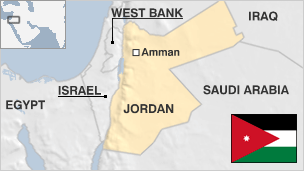
 A Jordanian court sentenced a Norwegian man of Iraqi descent to 15 years in prison on Sunday for planning “terrorist acts” in the kingdom.
Khaled al-Rebai, 49, was also found guilty by Amman’s state security court of “possessing explosive material,” according to the verdict delivered in front of Norwegian diplomats in the Jordanian capital.
Rebai was found not guilty of belonging to Iran’s Quds Force, the foreign army of the Iranian Revolutionary Guards, an AFP correspondent said.
His lawyers said they would appeal the guilty verdicts.
Rebai was arrested in July in possession of 45 kilogrammes of explosives in the northern town of Jarash.
Jordan said at the time it had foiled a “terrorist” attack due to be carried out by an Iraqi Quds Force member.
(afp)

 “This year’s observance of the International Day of Yoga highlights the important role healthy living plays in the realization of the Sustainable Development Goals, adopted last year by all 193 United Nations Member States.” Ban Ki-moon , United Nations Secretary-General
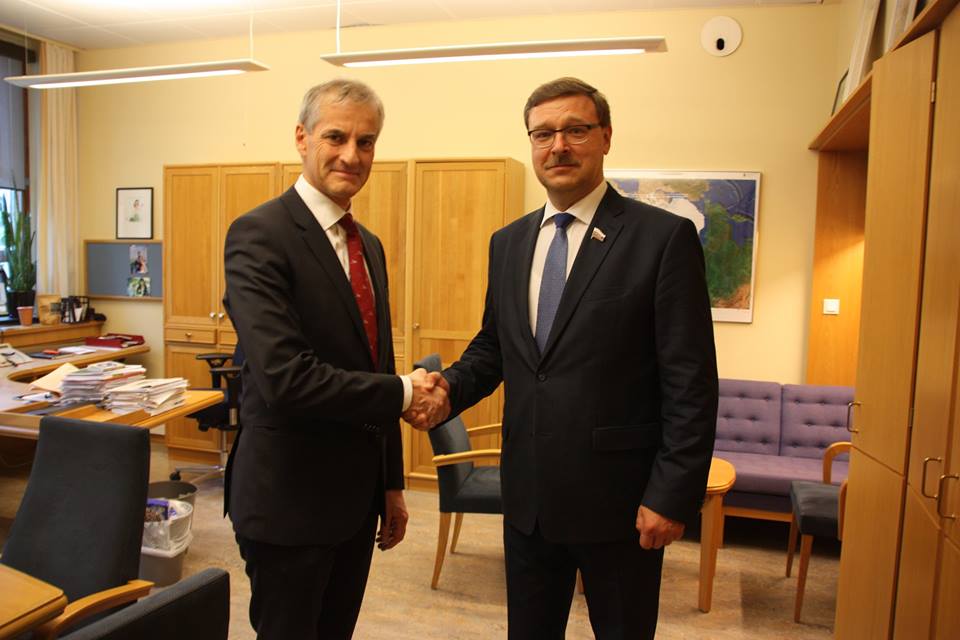
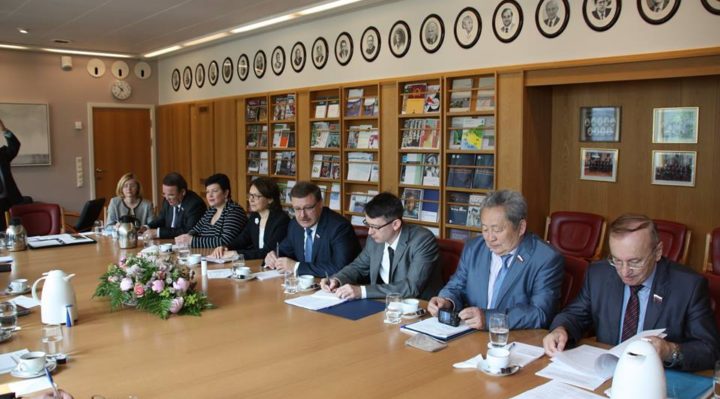
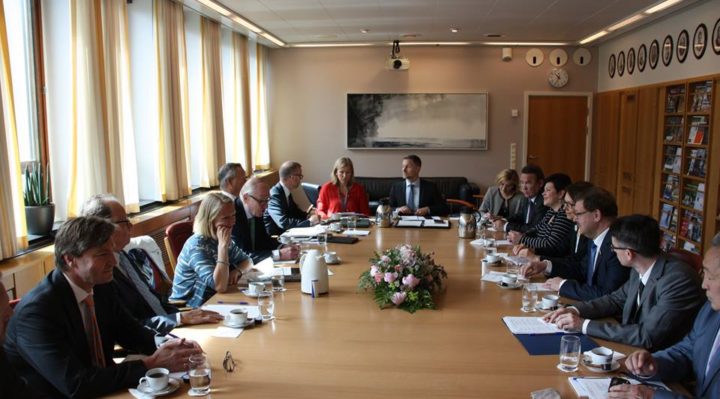
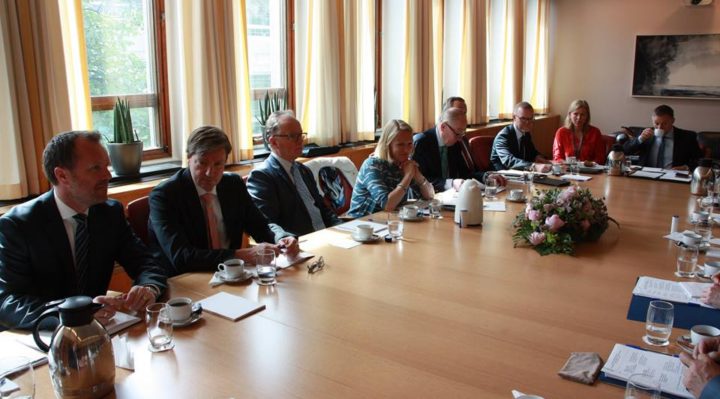
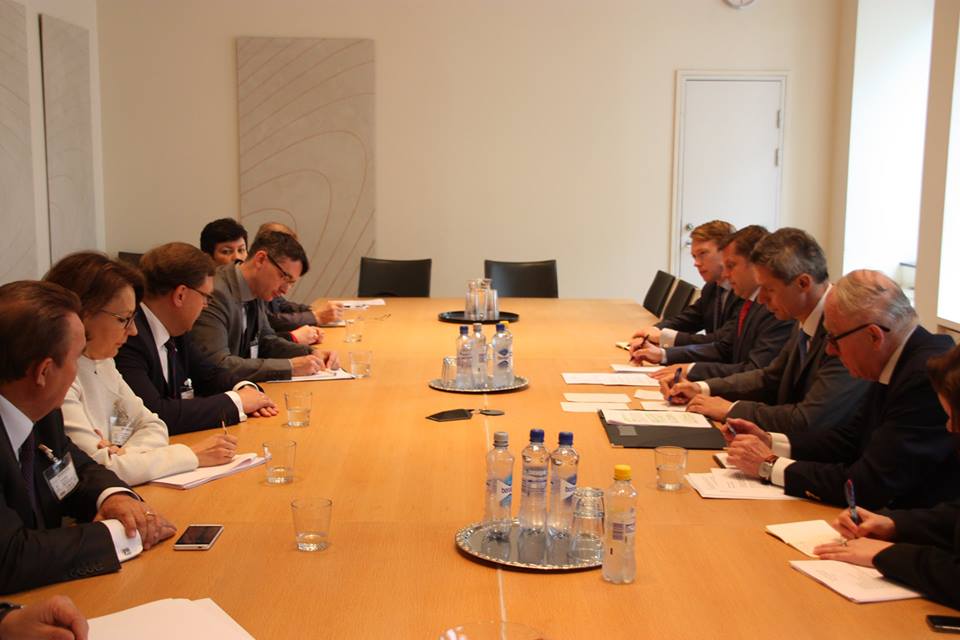

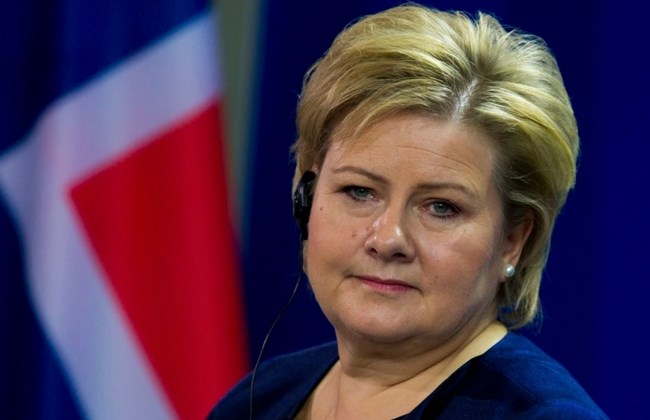
 The Norwegian government has proposed a substantial increase in military funding to tackle “deteriorated” security situation in its long-term plan for the Nordic country’s armed forces.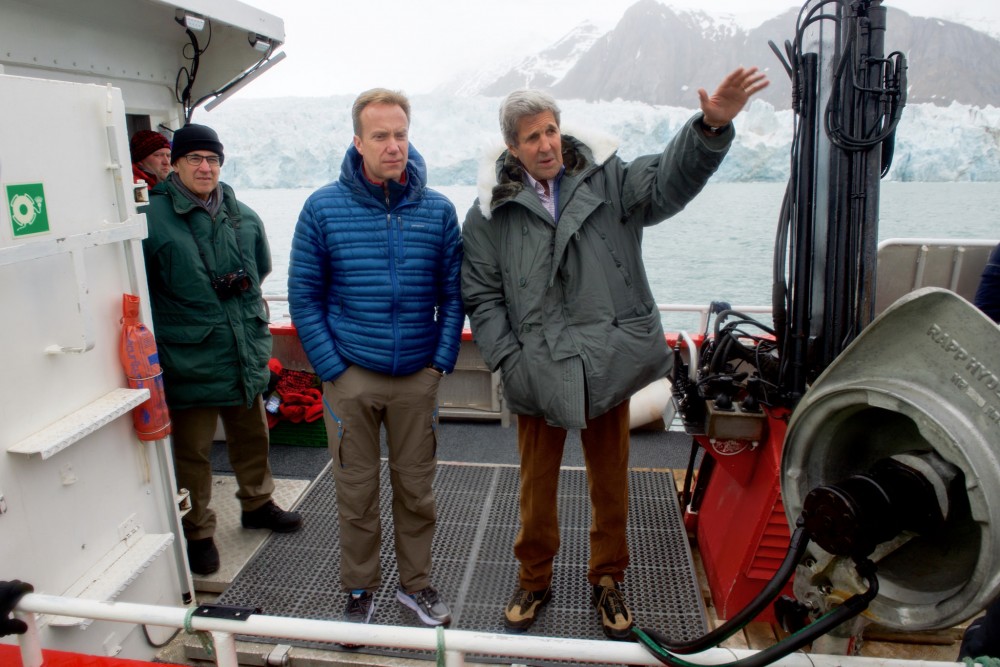
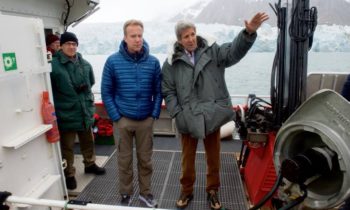
 Just days after the ISIS-inspired Orlando shooting, Secretary of State John Kerry was busy touring the Arctic Circle this week to see how climate change was affecting the region. But he did make one stunning admission: ISIS and terrorism poses a bigger threat than climate change, revealing a drastic paradigm shift. On Thursday, Kerry told reporters in Norway that “I’d probably give violent extremism — have to say one of — the defining threat[s] of a generation.” He also said, “Besides the fight against extremism is to deal with the enormous battle of climate change.” In the past, Kerry has likened climate change as the most serious threat facing mankind, and the “largest weapon of mass destruction.”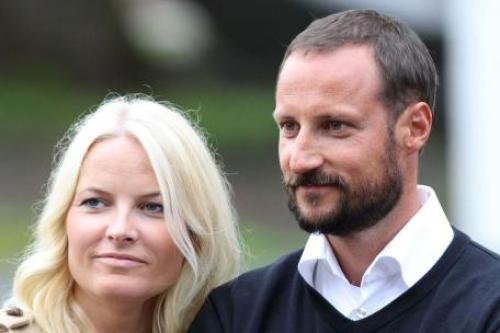
 Norway’s Crown Princess Mette-Marit has opened the Petter Dass festival in Alstahaug.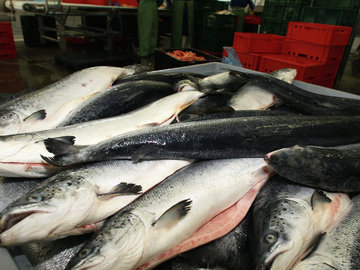
 Rosselkhoznadzor head Sergey Dankvert met with Jose Miguel Burgos, the head of Chile’s Sernapesca fisheries body, on Thursday.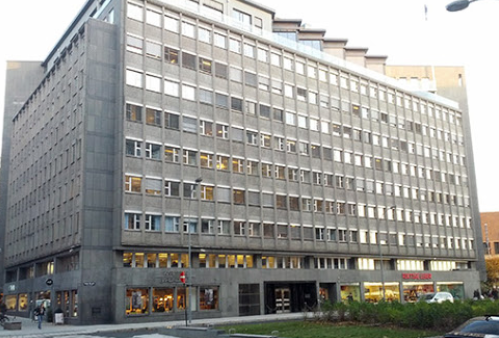
 The Embassy of Ireland is hosting in conjunction with Oslo Pride a free event on Thursday 23 June at Eldorado Bokhandel from 2 pm until 3.30 pm.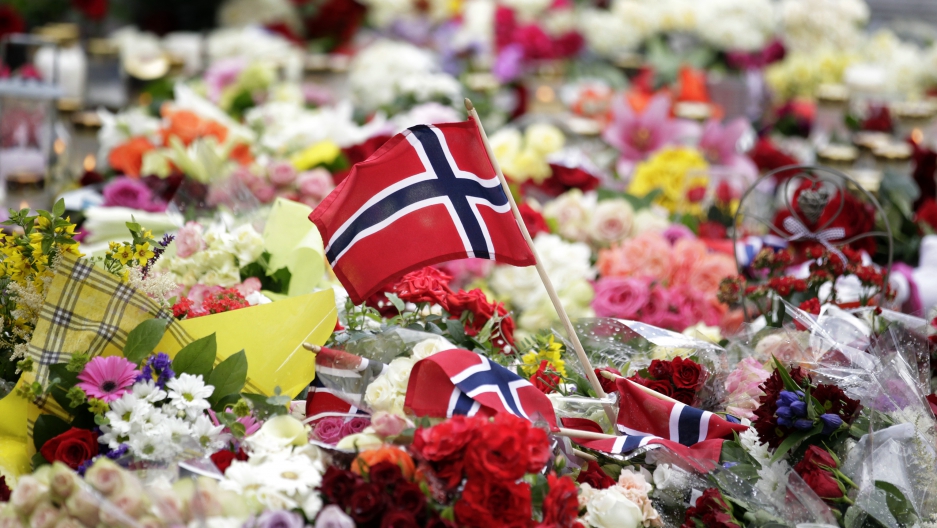
 Breivik’s massacre began on July 22, 2011, with a car bomb in Oslo that killed eight people. Later that day, using a semi-automatic rifle, he went on a shooting rampage on the island of Utoya, killing another 69 people, most of whom were young campers.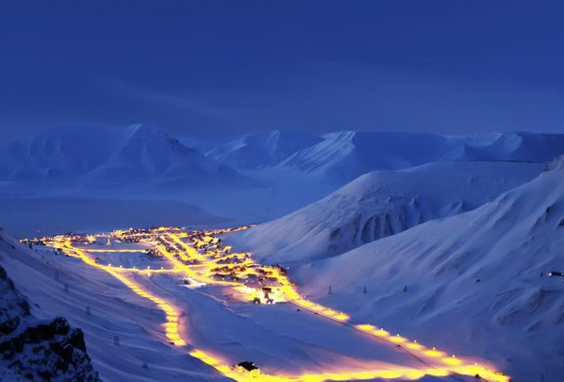
 The Norwegian ministry of culture has announced that it will establish an art foundation and artist residency in Longyearbyen—one of the world’s northernmost inhabited areas—which is located on an archipelago of four islands in the Artic Ocean called Svalbard, Anny Shaw of the Art Newspaper reports.
 Attorney Amir Mirmotahari, 38, who is accused of having planned the kidnapping and drugging of a rape victim, was arrested by Oslo Police on Thursday.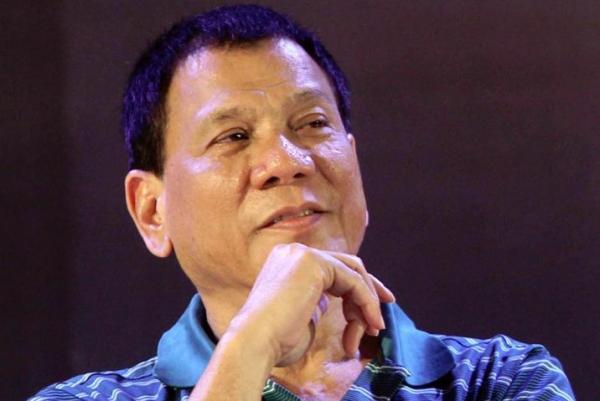
 Incoming President Rodrigo Duterte is stepping up efforts to beat back the Islamic State-linked Abu Sayyaf after it threatened to behead a Filipino woman and Norwegian man if it does not receive a $13 million ransom.
 Norwegian security startup CLTRe announced a new product series, enhancing its existing Saas offering, the Security Culture Toolkit. This new range consists of CLTRe Control, CLTRe Discover and CLTRe Improve, which provide customers with a suite of tools to assess, build and improve the security culture within their organization.

 Norway has agreed to support Sri Lanka to conduct a marine survey and a fish stocks assessment, the Sri lankan Ministry of Fisheries and Aquatic Resources Development.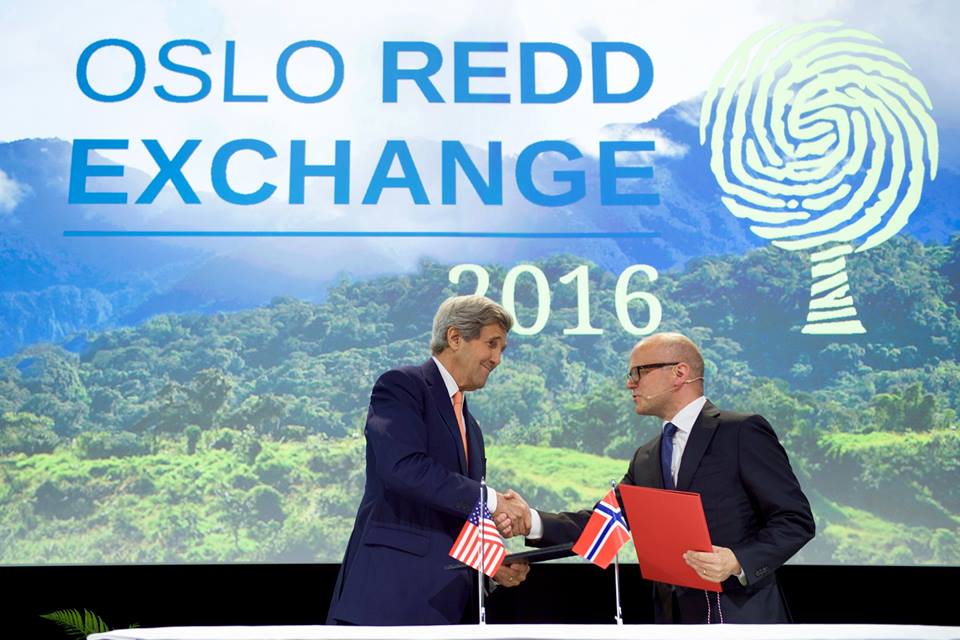
 SECRETARY KERRY: Well, Minister Helgesen, (in Norwegian), thank you very much, nice to be here with you. I am really glad to be here in Oslo and delighted to see all of you. I don’t know where you all come from, who you are – (laughter) – but it’s wonderful that you’re all here, delighted to be with you.
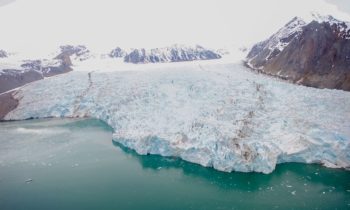 So one would hope that after a decade or two, one would begin to have an empiric, innate, inherent sense of understanding of what is happening. You don’t need to be a scientist to draw rational conclusions. We’re also seeing extreme drought and stronger and more frequent hurricanes and typhoons. We’ve seen more than 30 straight years of glacier ice loss. And the Greenland ice sheet continues to lose mass at an unprecedented rate. And we’re seeing more wildfires such as the one that has already ravaged some 900 square miles in Canada and continues to burn, forcing the evacuation of almost 100,000 people.
 The Paris agreement was a critical milestone. I know that many of you have spent decades focused on this issue and it is clear that the most comprehensive, ambitious climate change agreement in history was approved in December. So you felt a good sense of the enormity of what has finally been achieved. But – but – but everybody knows that what we did in Paris does not guarantee a cap on a 2 degrees centigrade rise in temperature. Everybody knows that Paris was a signal to the marketplace; it was a moment of 196 countries saying together, “Yes, we take this seriously, and yes, we have to do something about it,” but now we have to implement the commitments that we have made.
 Norway is a valued partner on so many environmental challenges – can’t tell you how many things we’re working on. But that is particularly true on forest management, and not just because its leaders bring together so many of the world’s experts and policymakers at the REDD+ forums. The policies and investments that Norway has pursued over time have made a real and a measurable impact. The Norwegian parliament has set out an ambitious vision for deforestation-free procurement. And that’s on top of its recent commitment to climate neutrality by 2030.
 So this is a transformation that can happen, and if the private sector and governments together will begin to make the right choices and send the right signals, you’re going to see a marketplace unlike any other that you’ve ever seen. The technology market that created the greatest wealth my country ever saw since the 1920s was the technology market of the 1990s. There was a $1 trillion market with 1 billion users – one for one – and look at the wealth that was created. Every sector of the American economy went up during those 10 years. Well, guess what? The energy market is already a 4 to 5 billion user market. It’s going to go up to 9 billion users, and you’re looking at literally trillions of dollars that will be invested over the next years to move to this new marketplace.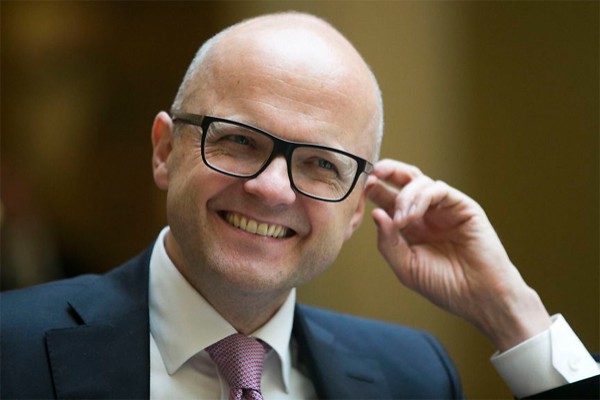
 Indonesia and Norway agree to strengthen cooperation to reduce gas emission as a result of forest denudation and destruction.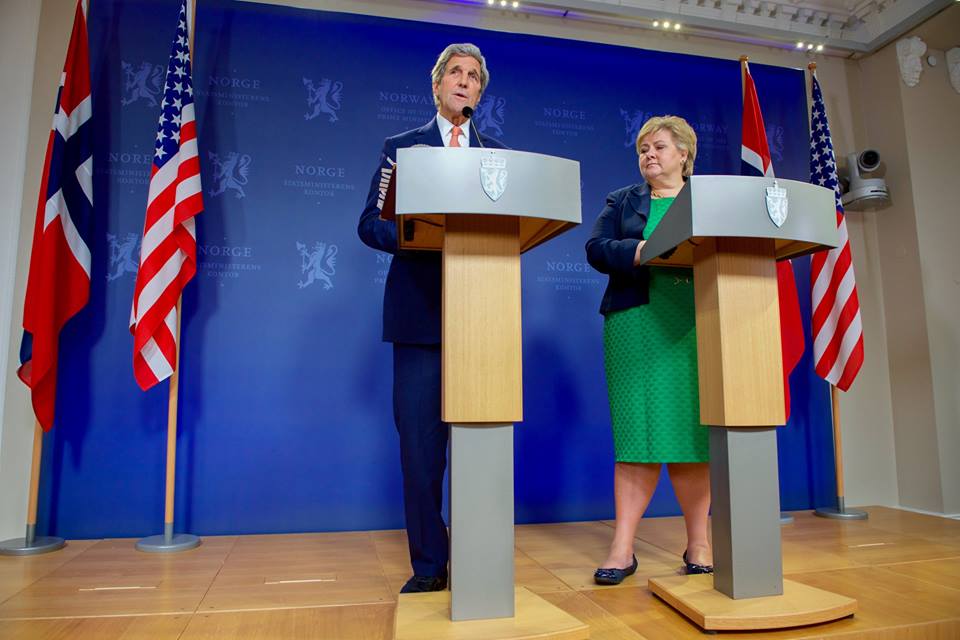
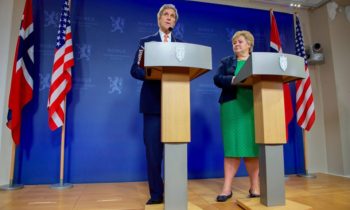 PRIME MINISTER SOLBERG: Good afternoon. I am very pleased to welcome Secretary of State John Kerry to Oslo. We last met in Washington, D.C. in May during the U.S.-Nordic Leaders’ Summit. Secretary Kerry’s visit here today serves to further underscore the close bilateral cooperation between the U.S. and Norway. We are close allies in NATO, we have a close bilateral defense cooperation, and we cooperate on a wide range of global issues where we share the same goals.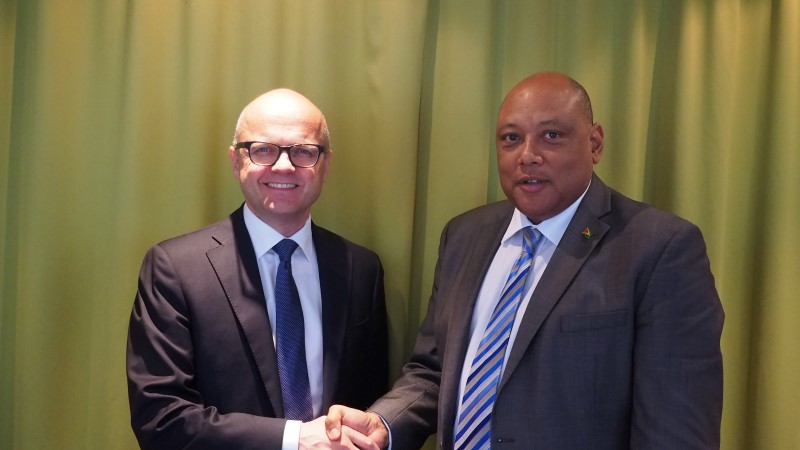
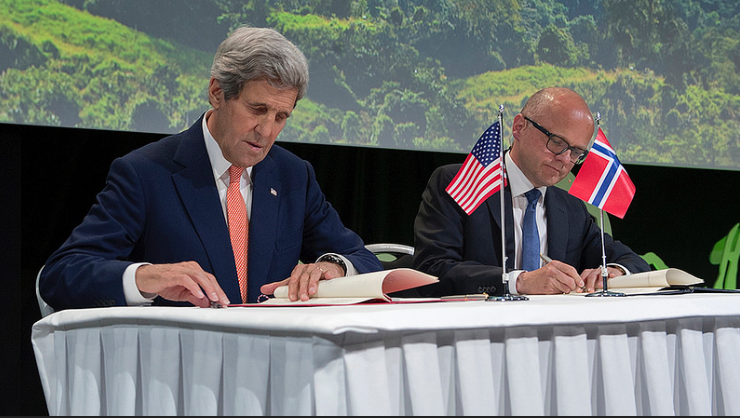
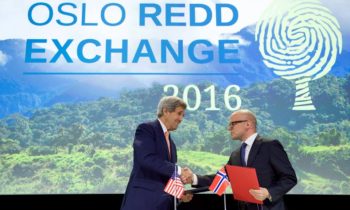
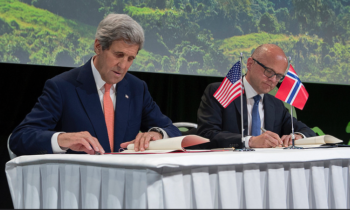 Norway will support the forest information and monitoring system Global Forest Watch with 115 million kroner for the period of 2016-2018. The Norwegian minister for Climate and Environment, Vidar Helgesen, announced this today at the opening of the Oslo REDD Exchange – the world’s largest conference on climate and forests.
 The Honorable Barack Obama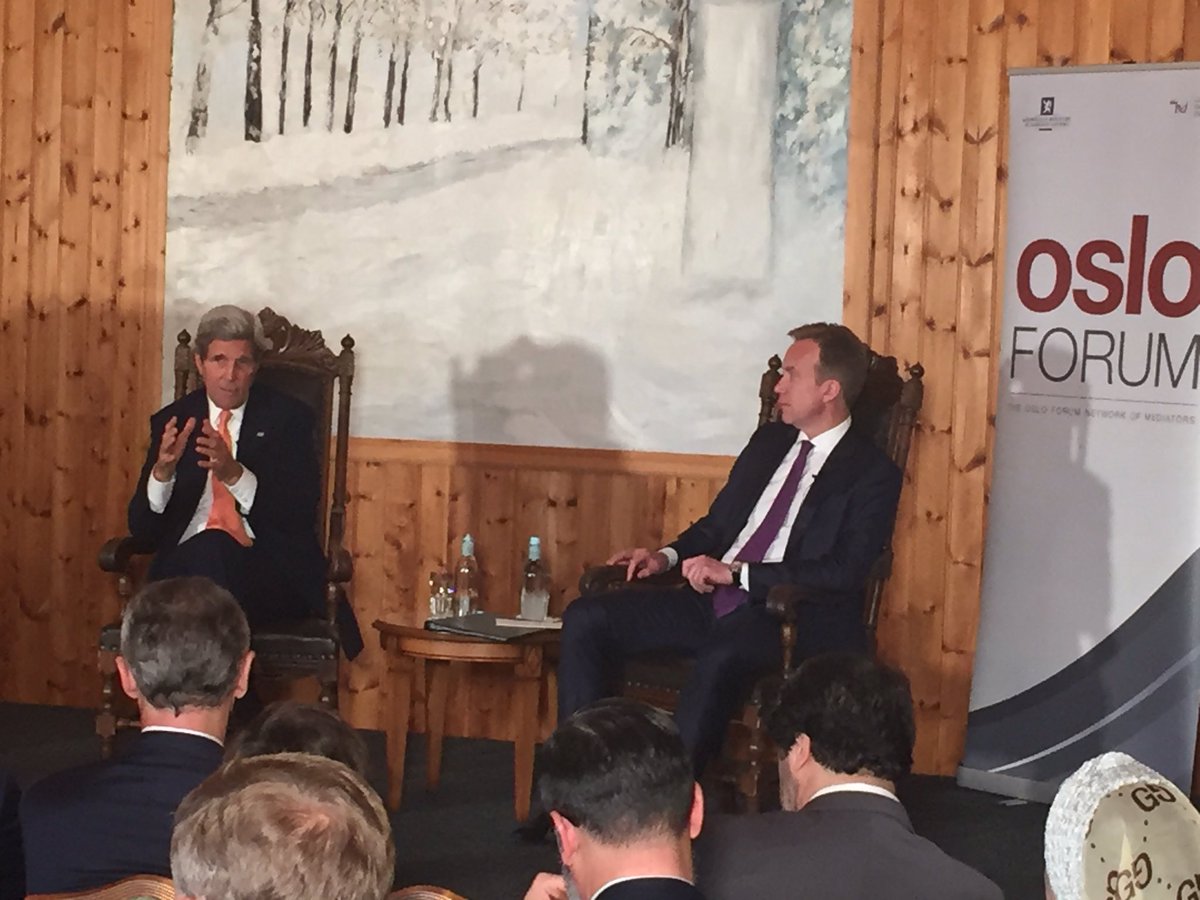
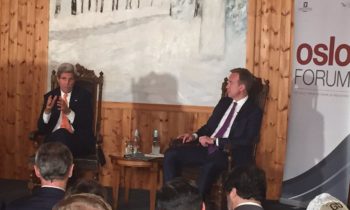
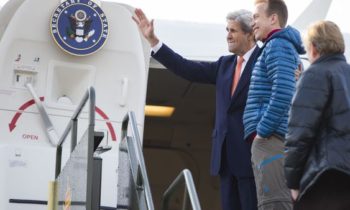 SECRETARY KERRY: Well, good morning, everybody. Borge, thank you so much for a very generous introduction. More importantly, thank you for a wonderful welcome back to Norway and to this pretty idyllic and appropriate setting for the discussions that you all are engaged in, and that I’m privileged to take part in this morning.
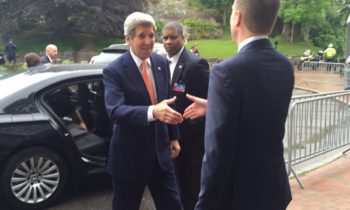 It’s also – let me just share with all of you – a pleasure for me to be back in Oslo. When I was 14 my Dad was posted to the U.S. embassy here and I came here and spent some extraordinary time learning how to cross-country ski up in back of the Holmenkollen, and playing in Frogner Park, climbing the hills, sailing the fjord. And I developed then a very deep affection and respect for Norway itself that has only grown over time as professionally I have been able to be engaged and see the full measure of what Norway does in the ways that I just mentioned a moment ago.
 The stakes of that period felt incredibly high, and that’s because they were. It was also a time when the challenges for those of us in either NGOs or public policy positions and public life were pretty clear. The “what to do about it” was limited in its options. And when the primary forces shaping our world were in fact leaders of recognized states, and mostly it was state action that was defining conflict. For the most part, it was a bipolar world: a Soviet Union-versus-the-West, locked in a strategic conflict. That is not to say that’s all there was, but it was, for the most part, the defining concept.