
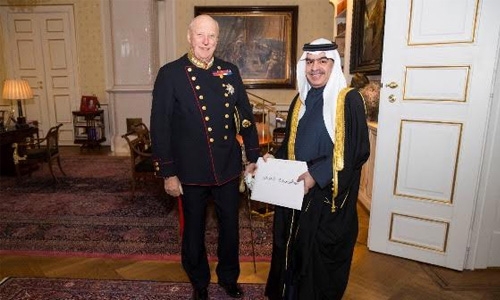
 Ambassador Shaikh Fawaz bin Mohammed Al Khalifa has conveyed the greetings of His Majesty King Hamad bin Isa Al Khalifa to King Harald V of the Kingdom of Norway and his best wishes for further progress and prosperity to the Norwegian people and kingdom.
This came as Shaikh Fawaz presented his credential to King Harald V as Accredited Non-Resident Ambassador of the Kingdom of Bahrain to the Kingdom of Norway.
King Harald V expressed his appreciation and thanks to HM the King, hailing the outstanding bilateral ties and wishing the ambassador success in his mission.
The ambassador visited Norway’s Ministry of Foreign Affairs where met with the officials. He also attended a dinner banquet hosted in his honour by the Ambassador of Saudi Arabia, Esam Abid Al Thaqafi to which the ambassadors of Arab countries were invited.
Norway’s Ministry of Foreign Affairs hosted a reception at the government premises that was attended by senior ministry officials and some of the accredited ambassadors to Norway.
In a statement on the occasion, the Dean of the Diplomatic Corps, Dr. Thomas Wunderbaldinger, welcomed the newly appointed diplomats.

 A number of Muslim MPs and organizations have joined Norway’s culture minister in criticism of the Islamic Council of Norway (IRN) after the group appointed a woman who wears the niqab — a full-face veil — to be its spokeswoman.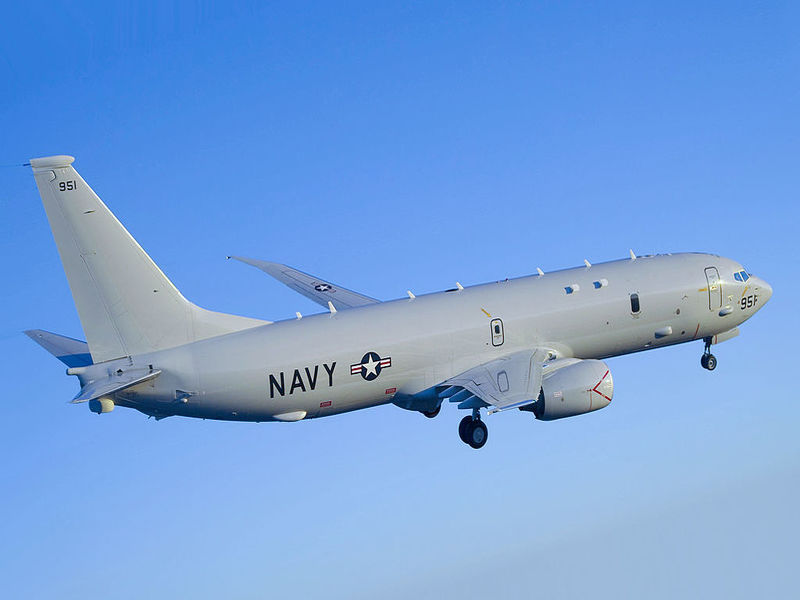
 Norway’s Defense Equipment agency has signed a new contract with the US authorities for the purchase of five P-8A Poseidon maritime patrol aircraft (MPA) for the Norwegian Armed Forces.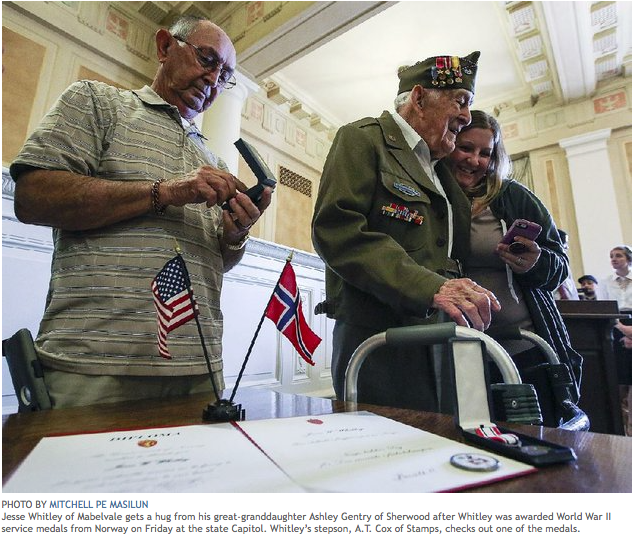
 Seventy-two years after Jesse Whitley of Mabelvale joined other members of the 474th Infantry to aid in the liberation of Norway at the end of World War II, the government of Norway sent its gratitude.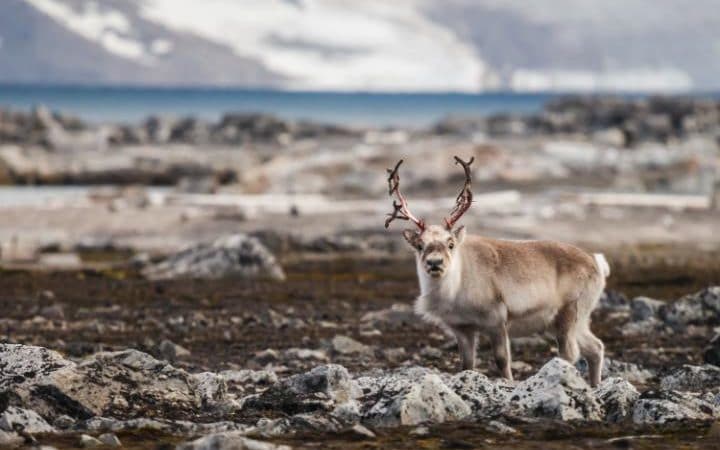
 Norway is planning a mass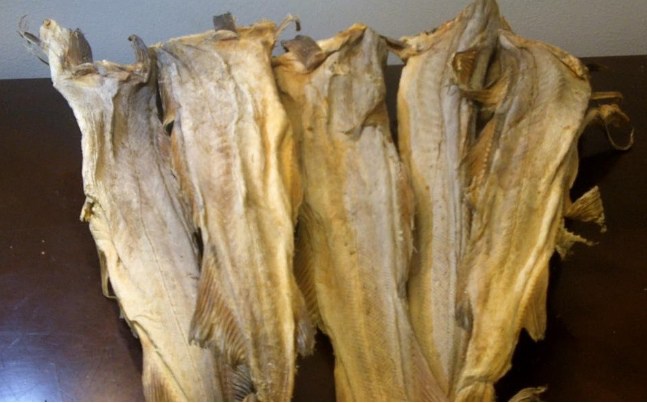
 The visiting Norwegian Deputy Minister of Trade, Industry and Fisheries, Ronny Berg, on Sunday announced the readiness of more Norwegian fishery companies to export their products to Nigeria.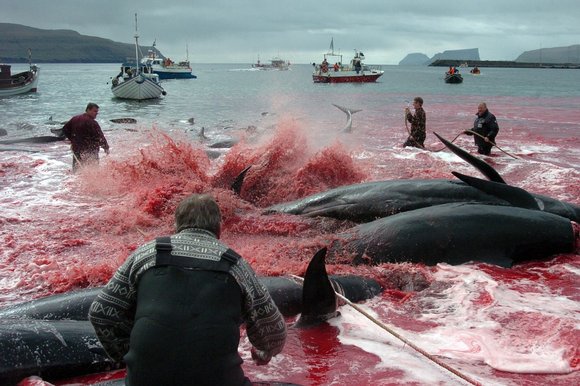
 Washington, DC—(April 3, 2017) — A coalition of international whale protection organizations today strongly condemned the start of Norway’s 2017 whaling season, which began on April 1.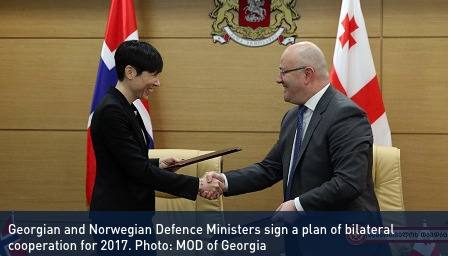
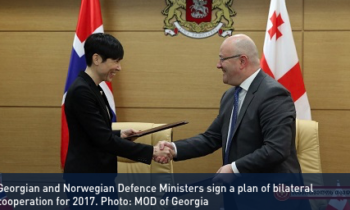 Norwegian Defence Minister Ine Eriksen Soreide is in Tbilisi today for her first official visit to Georgia.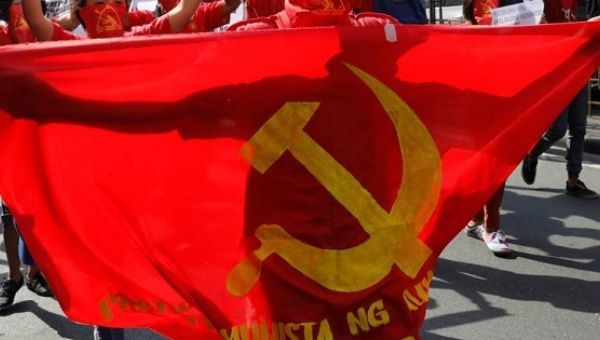
 President Duterte wants to end guerrilla wars with both communist and Muslim rebels in the country.


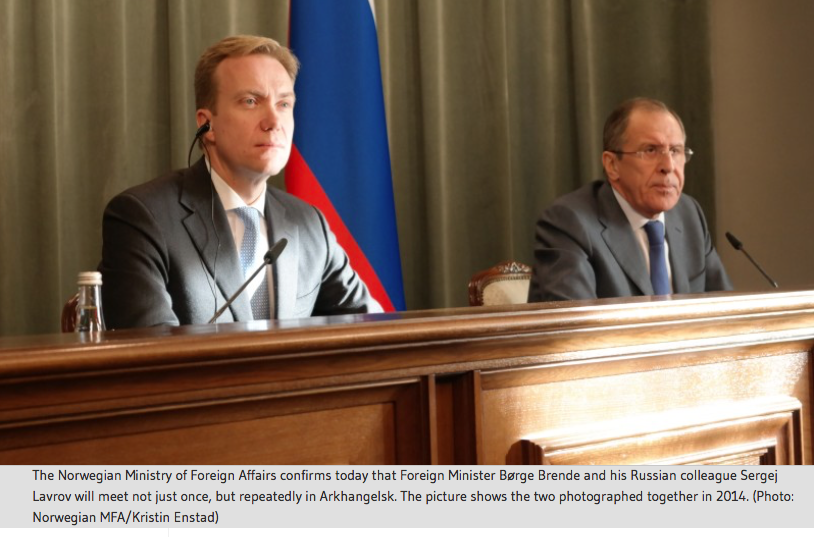
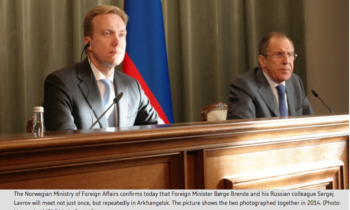 The political climate between Norway and Russia has varied between cool and frigid since 2014. Now there are signs of thaw. Tomorrow afternoon, foreign ministers Børge Brende and Sergej Lavrov meet in Arkhangelsk.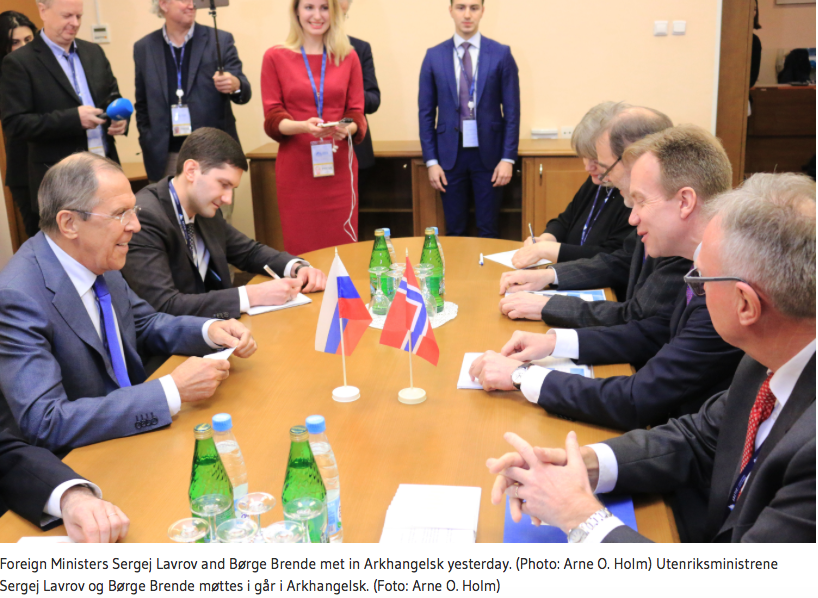
 Arkhangelsk: North Norwegian business and politics hope for a better relationship with Russia. They believe in a giant market on the other side of the border – and hope for political thaw. Following his meeting yesterday with his Russian colleague Sergej Lavrov, Norwegian Foreign Minister Børge Brende says it is important to strengthen the cooperation between Russia and Norway.

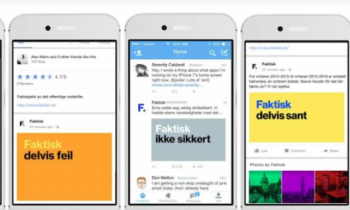 Imagine that The New York Times, The Washington Post and PBS launched a joint fact-checking project. That is, roughly speaking, what happened in Norway earlier this week.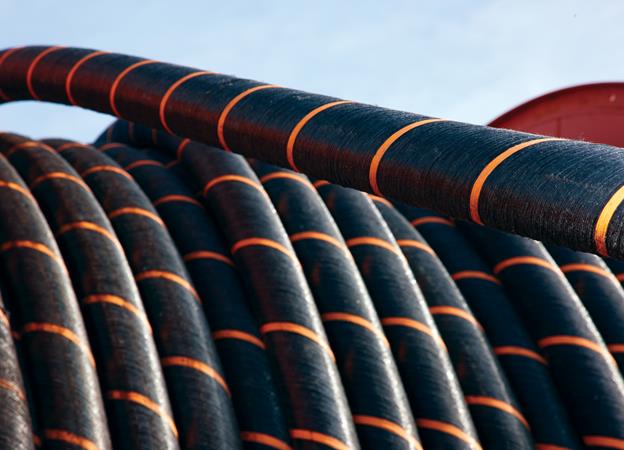
 Geoscience and engineering service provider Next Geosolutions has won two survey contracts for the 1.4GW North Sea Link (NSL) between the UK and Norway.
 Telenor has joined hands with Huawei, the China-based mobile-device manufacturer, to test and develop 5G prior to it being launched for public use in Norway in 2020.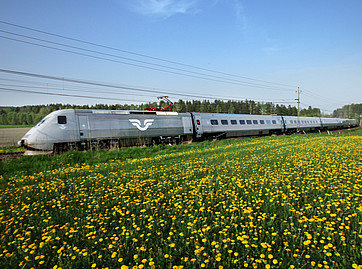
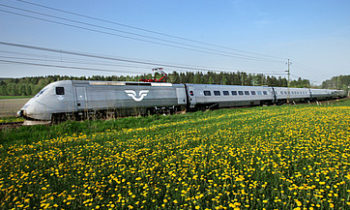 NORWAY: Swedish national passenger operator SJ has established local subsidiary SJ Norge to bid for the operating contracts which are being tendered under Norway’s railway reform programme.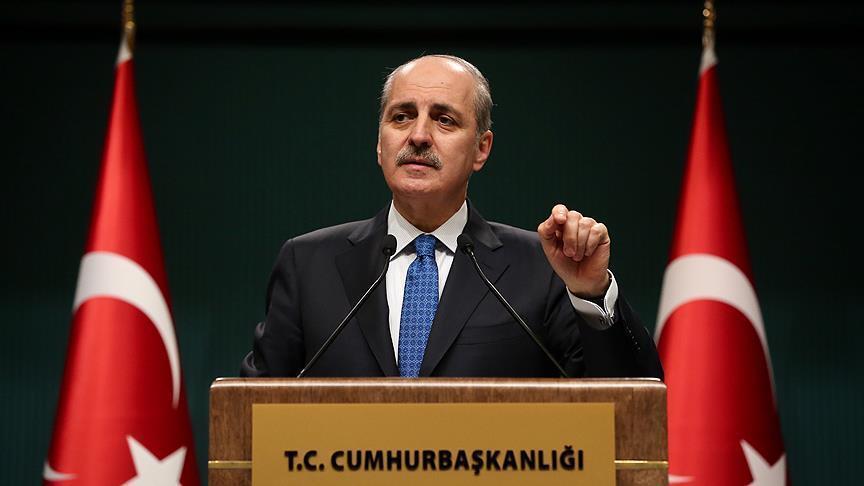
 Norway should extradite five Turkish military officers suspected of links to the Fetullah Terrorist Organization (FETO), the group blamed for last year’s defeated coup in Turkey, said Deputy Prime Minister Numan Kurtulmus Thursday.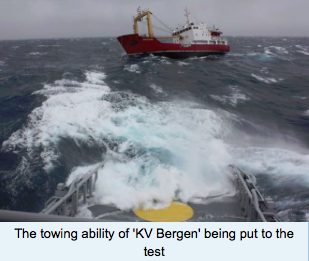
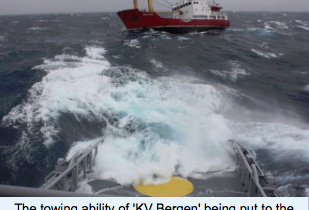 It has been a busy winter period for the Norwegian Coast Guard with one of its patrol vessels tasked to two separate incidents involving a disabled ex-buoy tender and a drifting barge carrier.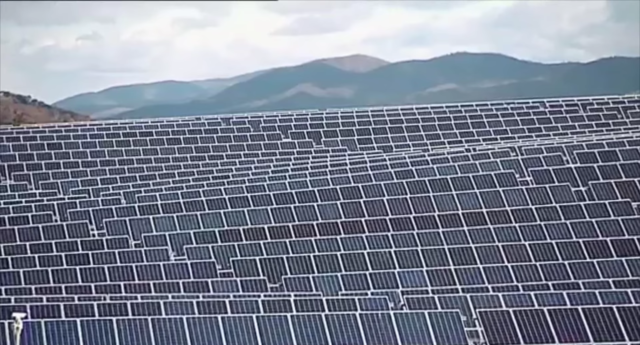
 Energy production is in a major state of transition. Technology companies such as Apple, Google, Tesla and Amazon are all investing in solar power.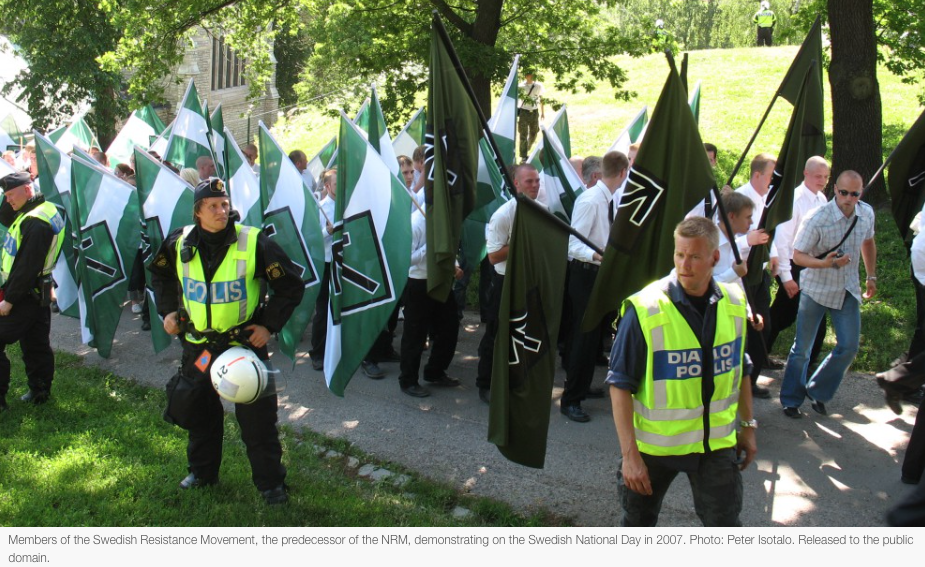
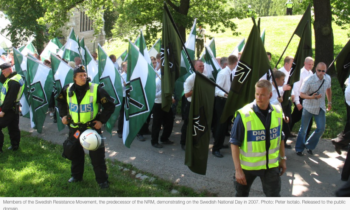 A new report from HSI looks at the violent past and present of the Nordic neo-Nazi organization calling itself the Nordic Resistance Movement.
 Standing Rock Sioux tribe representatives will meet the ethics watchdog for Norway’s $915 billion sovereign wealth fund on Monday over a U.S. oil pipeline, a watchdog official said on Monday.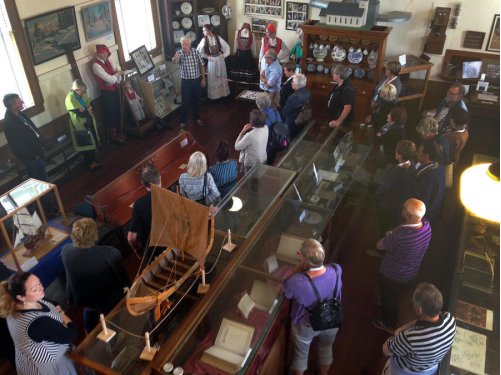
 NORWAY – Rob Borschsenius, a board member of the Norsk Museum, was trying to think of ideas for a fun way to raise money for the museum when he came across the Norway Temperance Association’s meeting minutes on display.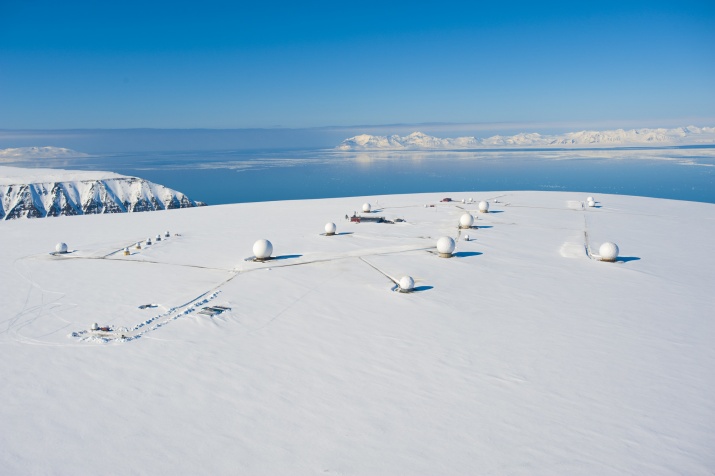
 Russia has warned Norway over consequences of joining NATO ballistic missile defense (BMD) plans. According to Russian ambassador to Oslo, Moscow will retaliate. Norway’s possible accession to NATO’s missile shield «will be a new factor that will be considered in our strategic planning as the emergence of an additional problem in the Arctic region», Teimuraz Ramishvili told the Norwegian state media network NRK.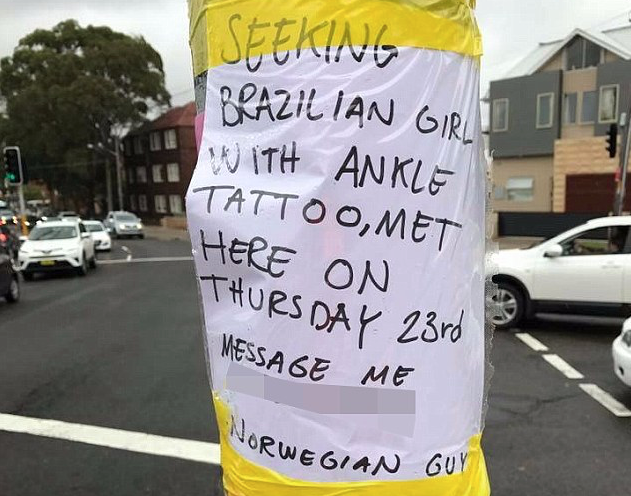
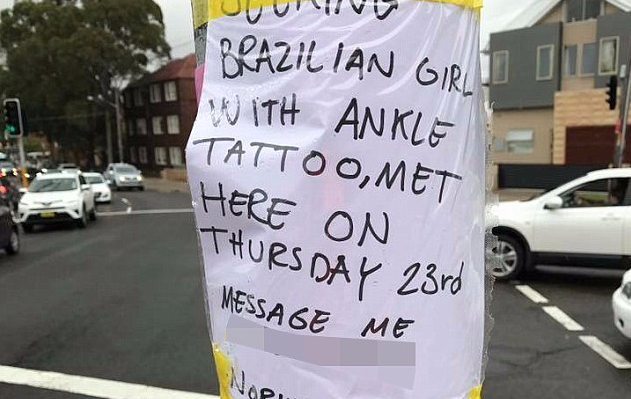 A romantic Norwegian guy has gone out on a limb to get back in touch with a young woman he met in Bondi on Thursday.