NORWAY NEWS – latest news, breaking stories and comment – NORWAY NEWS
  • Home
  • About us
  • News
  • Other News
    • Africa and Norway
    • Asia and Norway
    • Asylum
    • Breaking News
    • China and Norway
    • Corruption in Norway
    • Crimes
    • Defence
    • Diplomatic relations
    • Economics
    • Environment
    • Farming
    • Featured
    • Health
    • Killing
    • Media Freedom
    • Middle East and Norway
    • NATO and Norway
    • Nobel Peace Prize
    • Norwegian Aid
    • Norwegian American
    • Oil & Gas
    • Peace Talks
    • Politics
    • Racism in Norway
    • Religion
    • Royal House
    • Russia and Norway
    • Science
    • Sex scandal
    • Sports
    • Spy War
    • Srilanka and Norway
    • Svalbard
    • Taiwan and Norway
    • Terrorist
    • Travel
    • Video clips
  • Disclaimer
  • Contact us
NORWAY NEWS – latest news, breaking stories and comment – NORWAY NEWS
  • Home
  • About us
  • News
  • Other News
    • Africa and Norway
    • Asia and Norway
    • Asylum
    • Breaking News
    • China and Norway
    • Corruption in Norway
    • Crimes
    • Defence
    • Diplomatic relations
    • Economics
    • Environment
    • Farming
    • Featured
    • Health
    • Killing
    • Media Freedom
    • Middle East and Norway
    • NATO and Norway
    • Nobel Peace Prize
    • Norwegian Aid
    • Norwegian American
    • Oil & Gas
    • Peace Talks
    • Politics
    • Racism in Norway
    • Religion
    • Royal House
    • Russia and Norway
    • Science
    • Sex scandal
    • Sports
    • Spy War
    • Srilanka and Norway
    • Svalbard
    • Taiwan and Norway
    • Terrorist
    • Travel
    • Video clips
  • Disclaimer
  • Contact us
Thursday, February 19, 2026
NORWAY NEWS – latest news, breaking stories and comment – NORWAY NEWS
  • Home
  • About us
  • News
  • Other News
    • Africa and Norway
    • Asia and Norway
    • Asylum
    • Breaking News
    • China and Norway
    • Corruption in Norway
    • Crimes
    • Defence
    • Diplomatic relations
    • Economics
    • Environment
    • Farming
    • Featured
    • Health
    • Killing
    • Media Freedom
    • Middle East and Norway
    • NATO and Norway
    • Nobel Peace Prize
    • Norwegian Aid
    • Norwegian American
    • Oil & Gas
    • Peace Talks
    • Politics
    • Racism in Norway
    • Religion
    • Royal House
    • Russia and Norway
    • Science
    • Sex scandal
    • Sports
    • Spy War
    • Srilanka and Norway
    • Svalbard
    • Taiwan and Norway
    • Terrorist
    • Travel
    • Video clips
  • Disclaimer
  • Contact us
Copyright 2025- All Right Reserved Norway News
Russia and Norway

Russia expels Norway diplomat in tit-for-tat measure

by Nadarajah Sethurupan March 30, 2018
written by Nadarajah Sethurupan

Russia has decided to expel one Norwegian diplomat following Norway’s decision to expel a Russian diplomat from Oslo earlier this week, Norwegian public broadcaster NRK said on Friday.

Norway’s foreign ministry spokeswoman told the broadcaster that the expulsion of its diplomat from Russia was “unjustified”.

Norway ordered one Russian diplomat to leave Oslo on Monday in solidarity with Britain and in support of London’s standoff with Moscow over the poisoning of a former Russian spy and his daughter in Britain.

Sergei Skripal and his daughter Yulia were found unconscious on a bench in the city of Salisbury on 4 March.

The UK government has blamed Russia for the attack.

More than 20 countries have expelled Russian envoys in solidarity with the UK. Among them is the US, which earlier this week ordered 60 diplomats to leave and closed the Russian consulate general in Seattle.

In response Russia declared 58 US diplomats in Moscow and two in the city of Yekaterinburg to be “persona non grata”, the Interfax news agency reported. Mr Lavrov said other countries that expelled Russians could expect Moscow to respond in kind.
Mr Lavrov said the US ambassador had been informed of the “retaliatory measures”, including “the expulsion of the equivalent number of diplomats and our decision to withdraw permission for the functioning of the US consulate general in Saint Petersburg”.

Later, a US state department spokeswoman said Russia’s actions showed it was not interested in good relations with other countries and the US reserved the right to take further action.

“Russia has decided to further isolate itself. We’re reviewing options,” Heather Nauert told reporters.

Russia has vehemently denied any role in the Salisbury attack. Mr Skripal remains in a critical but stable condition. His daughter’s condition is said to be improving – separate sources told BBC that Ms Skripal was conscious and talking.

Here is a breakdown of the number of Russian diplomats each country has vouched to expel.
European Union member states:
France – 4
Poland – 4
Germany – 4
Lithuania – 3
Czech Republic – 3
Denmark – 2
Italy – 2
Spain – 2
Netherlands – 2
Estonia – 1
Latvia – 1
Sweden – 1
Belgium – 1
Ireland – 1
Finland – 1
Romania – 1
Croatia – 1
Hungary – 1
Ireland – 1
Total: 36

Non-EU European states:
Ukraine – 13
Moldova – 3
Albania – 2
Norway – 1
Macedonia – 1
Georgia – 1
Total: 21

Other countries:
US – 60
Canada – 4
Australia – 2
Total: 66

NATO:
NATO – 7
March 30, 2018 0 comments
0 FacebookTwitterPinterestEmail
Svalbard

Swiss seeds help mark anniversary of Global Plant Seed Vault

by Nadarajah Sethurupan March 29, 2018
written by Nadarajah Sethurupan

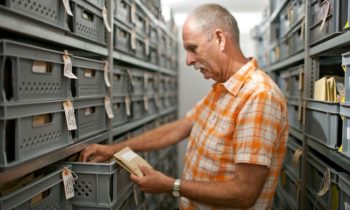
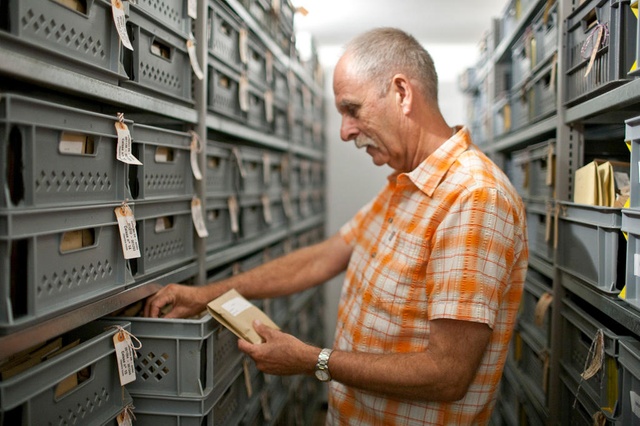
Switzerland this week sent more than 700 new plant seed specimens to the Global Plant Seed Vault in Svalbard, Norway, to mark its tenth anniversary.
The Swiss government’s agriculture research centre Agroscopeexternal link was among 23 gene banks that participated in the anniversary celebrations in Norway. Like other gene banks, Agroscope collaborates with the Svalbard Global Seed Vault to preserve plant genetic diversity, according to a Swiss government press releaseexternal link.

It describes the Global Plant Seed Vault as a “Noah’s Ark for plants in Norway”, whose mission is to protect plant genetic heritage in the event of a loss of a local gene bank. Over a million seed varieties from all around the world are currently stored there in duplicate. The samples remain the sole property of the depositor.

Switzerland sent two crates containing 719 plant samples to Svalbard. Protected in aluminium packets, the samples contained seeds from ancient and new varieties of wheat, triticale (a hybrid of wheat and rye), oats, rye, barley and spelt. They also included two sage varieties and an Italian parsley, which are the first Swiss medicinal and aromatic plants to enrich the Svalbard store. They were cultivated and maintained for over 30 years in Bassins, in Switzerland’s Vaud canton, by a local producer of aromatic and medicinal plants.

The diversity of plant genetic resources, whether natural or selected by humans, is vital for agriculture and for our diet, the press release explains. Present-day agricultural production is based on a relatively limited number of varieties which need to be enriched on a regular basis with plants that are disease-resistant, or better adapted to the climate. In particular, variety selection makes use of genetic material from gene banks that collect local varieties from farmers.
Switzerland’s Agroscope Gene Bank is over a century old, and the varieties collected 120 years ago are still preserved and available, it says. Regular exchanges take place with other banks and research centres as part of variety selection programmes.

(swissinfo.ch/jc)

March 29, 2018 0 comments
0 FacebookTwitterPinterestEmail
Environment

Norway’s electric car demand is outstripping supply – with lessons for the EU

by Nadarajah Sethurupan March 27, 2018
written by Nadarajah Sethurupan

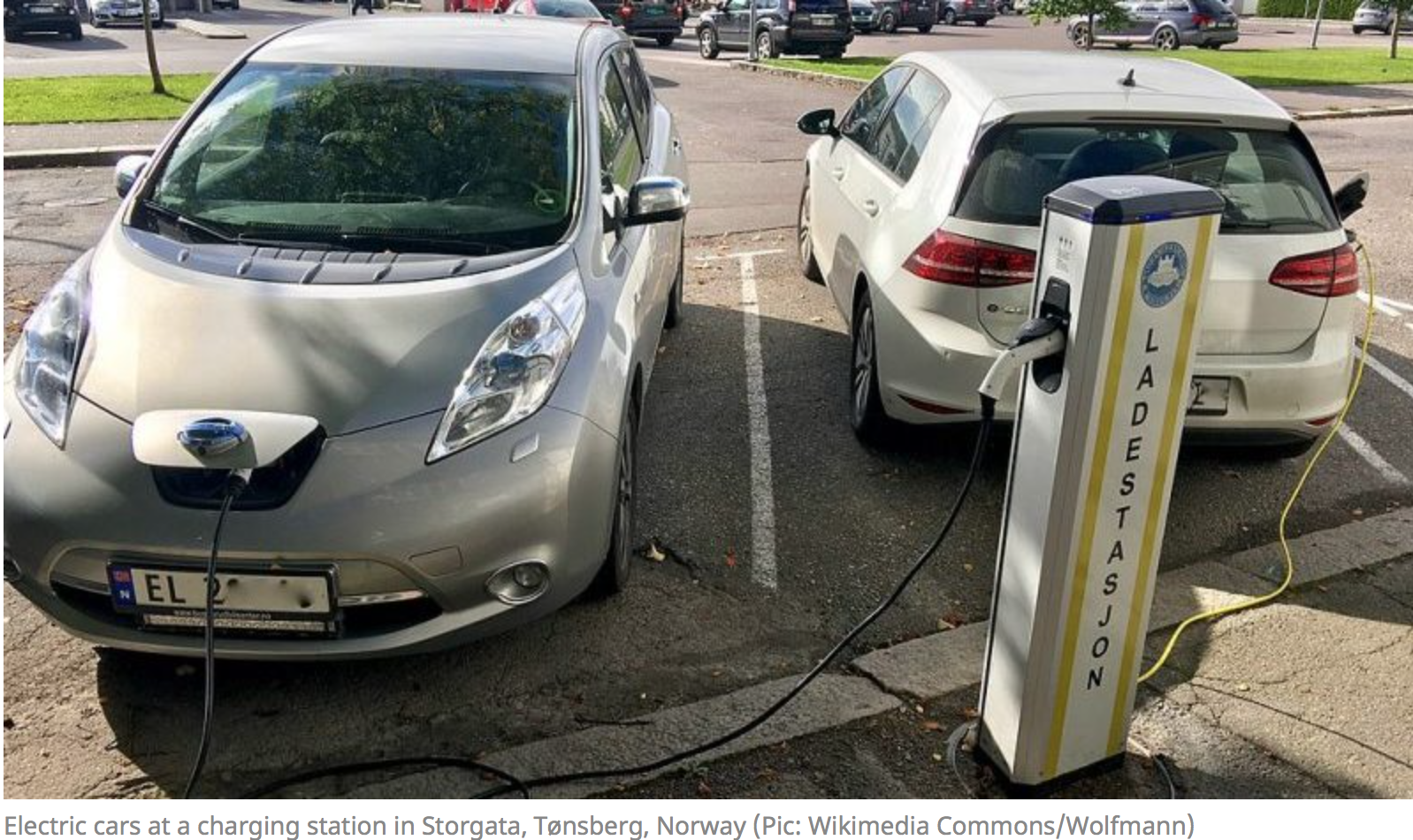
Norway is the country with the highest number of electric cars per capita in the world. One out of every five new cars sold is electric, and more than 50% of new cars sold in 2017 were electric or plug-in hybrids.
Driven by generous tax breaks (carrot) and increasing road tolls (stick), demand for EVs has been rising rapidly. Because of these tax breaks, electric cars can be sold at the same price as fossil fuel vehicles. EVs, however, are considerably cheaper to run.

A calculation by our institute shows that, for example, an e-Golf reduces total running costs (excluding insurance, depreciation and parking) by around 75% compared to its diesel equivalent, for someone driving through an Oslo toll station twice daily.

This makes it attractive for Norwegian consumers to replace their diesel or petrol cars by electric ones. A recent poll showed that nearly half of the people, who are planning to buy a new car in 2018, want a chargeable one.

In fact, the demand for electric cars in Norway is currently growing so rapidly that car producers cannot keep up with it. Thousands of Norwegians have been waiting for months for their new EVs and car sellers have repeatedly extended delivery dates.

The waiting time for existing models like Volkswagen e-Golf, Hyundai Ioniq and Opel Ampera-e is between eight months and two years. Meanwhile, thousands have paid to be put on a waiting list for new models by Nissan, Tesla, Audi and Jaguar, which will be launched in the coming months and years.

A recent survey among Norwegian consumers, which we ran as part of an EU-funded research project on energy efficiency, shows that Norwegian consumers are willing to pay considerably more for cars with lower running costs.

Yet what happens if supply does not meet demand, for various reasons? The delays risk putting off consumers buying energy-efficient products.

Climate goals

Moreover, delays in electric car production also put Norway’s and the EU’s climate targets at risk. Under the Paris Agreement, Norway pledged to reduce its greenhouse gas emissions by 40% by 2030, relative to 1990 levels. How Norway will meet this target outside the emissions-trading sectors is currently still a matter of negotiations with the EU.

Transport is certainly the most important sector in Norway’s climate efforts. Emissions from transport have risen since 2005. In order to fulfil the Paris pledge, emissions will need be to cut by half by 2030. The Parliament has set an indicative target that all new passenger vehicles sold by 2025 should be emissions-free.

While electric car sales in Norway are far ahead of most other European countries, they are only just keeping up with the Norwegian Environment Agency’s projections and are far behind projections from the independent Institute for Transport Economics.

The institute has estimated that Norway needs around 65,000 new electric vehicles on the road in 2018 alone to hit the 2025-target, which is close to twice the number of EVs sold in 2017. Supply will need to increase manifold over the coming years if Norway wants to meet its vehicle and climate targets.

The current waiting lists for new electric vehicles indicate that supply is limiting sales. Being dependent on production abroad, a small country like Norway is vulnerable to marketing decisions by car producers and other market players in the transport sector.

With the European Union currently reviewing its Clean Vehicles Directive, it can learn important lessons from the EV revolution, and its setbacks, in Norway.

First, a well-designed policy package of carrots and sticks can drive deployment of energy-efficient technologies faster than expected. Second, policy makers must make sure that car manufacturers actually can deliver – on acceptable timescales – what they offer.

The Clean Vehicles Directive would benefit from considering these lessons, and avoid that car manufacturers respond to the directive with EV “window dressing”. If not, the climate and energy targets in the EU may be in peril.

(climatechangenews, Steffen Kallbekken is the research director of the CICERO Center for International Climate Research. Håkon Sælen and Erlend Hermansen are senior researchers; Elisabeth Lannoo is a senior communication advisor of the same organization.)

March 27, 2018 0 comments
0 FacebookTwitterPinterestEmail
Racism in Norway

Human Rights Committee examines civil and political rights in Norway

by Nadarajah Sethurupan March 26, 2018
written by Nadarajah Sethurupan

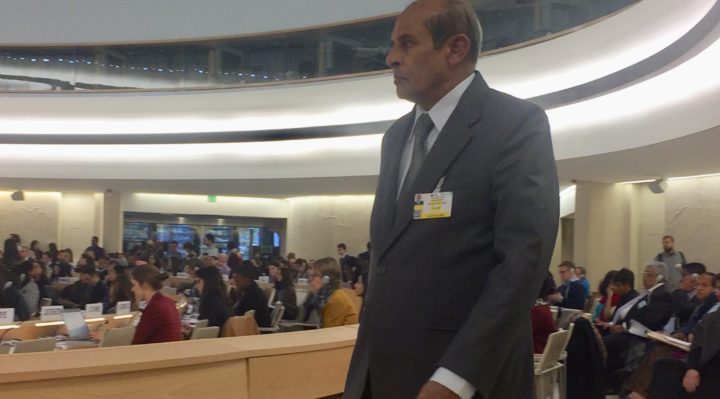
The Human Rights Committee this morning concluded the consideration of the seventh periodic report of Norway its implementation of the provisions of the International Covenant on Civil and Political Rights.


Presenting the report, Sveinung Rotevatn, State Secretary from the Ministry of Justice and Public Security of Norway, informed the Committee that a new human rights catalogue had been added to the Constitution in 2014 and that the national human rights institution in full compliance with the Paris Principles had been set up in 2015.  Also in 2015, Norway had adopted a comprehensive Equality and Anti-Discrimination Act, which was enforced through the Equality and Discrimination Tribunal which had the authority to impose coercive fines to ensure compliance or award compensation.  The Mental Care Act had been amended in 2017 to extend the patient’s right to make decisions concerning their own health.  The human rights debate in Norway revolved around the rights of the Sami and the integration of immigrants.  With the participation of the Sami Parliament, the Government was developing a proposal to formalize the consultation procedures in the law, said Mr. Rotevatn and stressed that a general requirement to obtain agreement or a free, prior and informed consent, the “right to veto”, could not be derived from international instruments.  Turning to the question of the integration of immigrants, Mr. Rotevatn said that Norway was starting a comprehensive reform of the integration and inclusion policy to accelerate and improve the results in that area.  A new integration strategy would be launched before the end of 2018, and would focus on the integration of immigrants in everyday life, into work and education, and on liberating immigrant youths from negative social controls.

During the discussion, Committee Experts remarked that Norway was, by many accounts, a world standard in many respects of human rights, however there was still work to be done.  Norway remained a country in which church and state were linked, while the human rights catalogue did not recognize the freedom of religion, raising concern that Christian religion was favoured over others.  An issue that drew particular attention was hate speech and its various manifestations, including on the Internet, and against groups such as Romani, Roma, Muslims, Jews and the Sami.  Experts inquired about the police surveillance in relation to the right to privacy, solitary confinement in places of detention, were concerned about the active ethnic profiling by the police.  People with immigrant backgrounds continued to face discrimination in the housing and the labour markets.  Norway had a reputation for having one of the most restrictive asylum policies in Europe, and recent legal amendments reduced criteria and safeguards for the “safe third country” and “safe country of origin” concepts, thus allowing returns to countries such as Afghanistan or Russia.  Detention of asylum seekers continued, and there was evidence of children being detained for unreasonable amounts of time.  Women continued to suffer violence, particularly Sami women who reported higher incidences of all forms of violence.  Experts inquired about actions to protect the Sami rights to land and resources, to protect their reindeer husbandry and fishing, and ensure their active participation in decision-making including through the Sami Parliament.

Yuji Iwasawa, Committee Chair, in his final remarks, thanked the delegation for the excellent dialogue on a range of issues, from problems of social exclusion to Sami rights to the situation in prisons.

The delegation of Norway consisted of representatives of the Ministry of Justice and Public Security, Ministry of Local Government and Modernisation, Ministry of Foreign Affairs, Ministry of Education and Research, Ministry of Children and Equality, Norwegian Directorate of Health, and the Permanent Mission of Norway to the United Nations Office at Geneva.

The Committee will issue its concluding observations and recommendations on the report of Norway towards the end of its session, which concludes on 6 April 2018.

All the documents relating to the Committee’s work, including reports submitted by States parties, can be found on the session’s webpage.  The webcast of the Committee’s public meetings is available at UN Web TV.

The Committee will next meet in public on Thursday, 15 March at 3 p.m., to begin the consideration of the third periodic report of Lebanon (CCPR/C/LBN/3).

Report

The Committee is considering the seventh periodic report of Norway (CCPR/C/NOR/7).

Presentation of Report

SVEINUNG ROTEVATN, State Secretary of the Ministry of Justice and Public Security of Norway, informed the Committee that a new human rights catalogue had been added to the Constitution in 2014, which until then only contained some human rights provisions but never a comprehensive catalogue of rights.  Essential human rights were now included as well as most of the rights found in the Covenant, and such an amendment clearly strengthened human rights in the Norwegian legal system.  A national human rights institution had been established in July 2015 in full compliance with the Paris Principles.  The Resource Centre for the Rights of Indigenous Peoples had been integrated into a new institution in January 2017, with a view of strengthening the capacity to monitor the situation of human rights of the Sami; it had already become an important actor in the public debate on human rights issues.  A comprehensive Equality and Anti-Discrimination Act adopted in 2015 prohibited discrimination on the grounds of gender, pregnancy, parental leave in connection to birth or adoption, caring for children or close family members, ethnicity, religion or belief, disability, sexual orientation, gender identity, gender expression and age.  The enforcement of the Act had been strengthened, since the Equality and Discrimination Tribunal had the authority to impose coercive fines to ensure compliance or award compensation in cases concerning employment matters.  The Discrimination Ombud would now act as a proactive agent for equal opportunities.

The use of coercive measures in the mental health sector was an area of concern both for the Committee and the Government, remarked Mr. Rotevatn, adding that Norway worked hard to improve legislation, reporting, leadership, competence, values and attitudes in this domain.  The 2017 amendment to the Mental Care Act extended the patients’ right to make decisions concerning their own health.  Patients with the capacity to consent could not be hospitalized or treated against their will except in extreme cases.  Under the new Act, patients were entitled to five hours of free legal counsel in connection with complaints concerning examinations and treatments carried out without their consent.  In terms of the implementation of the Act, Norway had invested in increasing health sector’s knowledge on how to reduce involuntary measures.  The Research Council of Norway had awarded a research grant of 15 million kroner to address geographical differences in the use of involuntary measures, and to develop an intervention study on how the municipal health care services could reduce referrals to specialized health care.  The use of police custody cells for pre-trial detention was another issue Norway had addressed.  Detained persons were now transferred to a prison facility within 48 hours as police custody cells were not suitable for a prolonged stay; however, a lack of prison capacity sometimes meant that this regulation was not fully implemented.

The human rights debate in Norway revolved around the rights of the Sami and the integration of immigrants, noted Mr. Rotevatn, and reiterated Norway’s belief in consultation and participation as fundamental principles of the rights of indigenous peoples.  In that vein, consultations between State authorities and the Sami Parliament had been formalized and in place since 2005, with many consultations taking place each year.  The Government was currently working, with the participation of the Sami Parliament, on a proposal to formalize the consultation procedures in the law, to be presented to Parliament this year.  Confirming that the central elements of the Sami policy in Norway revolved around article 27 of the Covenant and the Committee’s interpretation of that article, Mr. Rotevatn stressed the duty of the State to consult indigenous peoples to reach an agreement concerning the rights listed in the said article.  The denial of the right of a community to enjoy its own culture would be incompatible with the Covenant, he said, however a general requirement to obtain agreement or a free, prior and informed consent, the “right to veto”, could not be derived from international instruments.  Turning to the question of the integration of immigrants, Mr. Rotevatn said that Norway was starting a comprehensive reform of the integration and inclusion policy to accelerate and improve the results in that area.  A new integration strategy would be launched before the end of 2018, and it would focus on the integration of immigrants in everyday life, into work and education, and on liberating immigrant youths from negative social controls.

Questions by Committee Experts

At the beginning of the interactive dialogue, Committee Experts referred to the 2012 constitutional amendment and remarked that Norway remained a country in which church and state were linked, as the Church of Norway remained “the people’s church”.  What was more, the human rights catalogue did not recognize the freedom of religion, so there was a concern over favouring Christian religion over others.

The delegation was asked when the reservations to some articles of the Covenant, particularly in relation to the separation of juvenile offenders from adults, would be lifted.

Experts welcomed the establishment of the new national human rights institution, the efforts to ensure its compliance with the Paris Principles and the its A-status accreditation, as well as its broad mandate to protect human rights under the scope of the Constitution and international law.  They urged Norway to ensure that it had sufficient resources to run properly and independently.

An issue that drew Experts’ particular attention was hate speech and its various manifestations, including on the Internet, and against groups such as Romani, Roma, Muslims, Jews and the Sami.  Registering hate speech statistics would be valuable in helping victims of hate crime and prosecuting those found guilty of perpetuating the acts, Experts stressed and inquired about the measures to build the capacity of the police to address this issue.

Speaking about surveillance and the changes to the Police Act, Experts remarked that police monitoring through satellite and electronic communications systems raised questions about privacy.  There were also concern about ethnic profiling by the police, as section 21 of the Immigration Act authorized the police to stop people assumed to be foreign nationals.

Immigrants faced discrimination in the housing and the labour market, with many finding it difficult to rent property.  Unemployment rates among those with an immigrant background was nearly three times higher than the rest of the population, and discrimination was also reflected in their choices of profession and employment and education levels.

What was being done to address the gender wage gap?

Experts commended the steps to prevent discrimination on the basis of sexual orientation and gender identity, including through the adoption of the Legal Gender Amendment Act, and noted that transgender persons continued to experience difficulties in accessing public health care, including gender reassignment surgery and other treatments specific to transgender people.  How were the recommendations by the European Commission against Racism and Intolerance in this regard being implemented?

Committee Experts recognized the many initiatives to prevent violence against women, such as the 2015 information campaign launched by the police, the ongoing reforms of the police forces and the 2016 Project November initiative.  However, women continued to suffer violence and statistic showed that one in ten women had been raped and half of those who reported rape were under the age of 18.  Sami women reported higher incidences of all forms of violence compared to other women.  Further, it appeared that access to justice for rape victims was difficult: of the cases that did reach the courts, 30 per cent had resulted in an acquittal.  What was being done to reduce the acquittal rate in rape cases and to address violence, including sexual violence against Sami women in particular?

An Expert asked the State party to clarify the reform of the Ombud law, which had moved certain powers to the Tribunal, and to explain how the Ombud could help people before the cases reached the Tribunal.

The delegation was asked to inform about the results of the investigation into the disappearance of 68 unaccompanied asylum-seeking children in 2012, as well as disappearance of other 625 children during 2008 to 2015 period.  The number of children disappearing in Norway was alarming, with hundreds reported every year.

Responses by Delegation

In response to questions raised about the separation of the State and the Church, the delegation reiterated that the rights enshrined in article 18 of the Covenant concerning the freedom of religion were fully protected in Norwegian law.  The Parliament considered that article 16 of the Constitution sufficiently guaranteed this right, even if the King had to profess Lutheran religion.  While the article stated that the Church of Norway remained “the church of the people”, it also stipulated that all the philosophical and religious communities must benefit indistinctly from the support of the State.  The requirement that more than half of the members of the Government must profess the official religion of the State had been repealed.

On 1 January, 2017, the Church of Norway had become an independent legal entity, therefore the employer’s responsibility for the clergy and the national and regional administrations of the Church of Norway had been transferred from the State to the Church.  The State would continue to fund the Church of Norway, but this support now takes the form of a grant instead of a state budget appropriation.

Under the law, surveillance had to comply with the right to privacy.  There were plans to appoint a committee to assess methods available to the police with the respect to the right to privacy.  It was crucial that the legislative standards did not infringe on privacy or human rights, stressed the delegate, noting that this issue was subject of a heated debate in Parliament which was planning a hearing on privacy in the course of the year.

Norway was not ready to lift the reservations to article 10.2.B and 10.3 of the Covenant to keep juveniles separate from adults in prisons, however, in practice it ensured this separation.  The prison units were more than sufficient to accommodate minors, however being placed in a juvenile unit was not always practical.  By placing the child in a prison closer to home they could have better contact with their families.  Larger groups of juveniles were kept separate for logistical reasons, which would explain why some minors would spend a short period of time in ordinary prisons.

The funding of the national human rights institution was under the purview of the Parliament, which did not have the right to instruct it on operational or substantive matters. The Institution had 16 staff spread out over two offices who had expertise on the rights of indigenous peoples and minority groups, and it operated with a budget of 24.5 million Norwegian krona, an increase from 2016.

The Government had launched a comprehensive strategy to combat hate speech to 2020 which included 23 measures designed to counter hostile rhetoric based on gender, ethnicity, religion, belief, disability, sexual orientation, identity or gender expression.  The measures included police oversight, as well as the recording and reporting of offenses.  The strategy had been translated in English and in Sami language to aid its dissemination.  Since 2014, the Government was supporting a campaign entitled “Stop hate speech on the Internet” as part of a Council of Europe youth initiative which aimed to create a national network of youth mobilized against hate speech.  A Nordic conference had been held in Oslo on hate speech, while a website with efforts to combat hate speech directed at young people was available.

In 2017, the police had received 549 reports of hate crimes nationally, however the quality of registering those cases was not yet at a level to draw any concrete conclusions, said a delegate.  175 cases had been registered in 2016 and of those 50 had been violent crimes.  Hate crimes didn’t seem to have one main target in particular; they were committed against many groups from many walks of life.  No cases were dismissed because of a lack of police capacity, there were follow-ups and some cases were closed because of lack of evidence.

Speaking about ethnic profiling, a delegate said that section 21 of the Police Act allowed police to stop people and ask for their identity papers.  Basic police training taught how to deal with different groups in society with respect and tolerance.  Controls of individuals, regardless of their ethnicity, must be done in a proper way and not just because of the colour of their skin.  There had to be something that would give grounds for the controls: time, place and situation.  Norwegian citizens with foreign backgrounds had been stopped as a part of that Act, showing that it was still a work in progress.

As a part of a national strategy, all citizens were given tools to access the housing market and there had to be a decent rental supply to ensure proper housing.  Norway aimed, by 2020, to increase the rental capacity by ten per cent.  Immigrants were allocated housing six months after having obtained their residence permit.  Some 95,000 people had used Government’s housing allowance in 2017 but it was not known how many were of immigrant background.  While discrimination was prohibited including on grounds of skin colour, language, religion, or origin, discriminatory mechanisms were present in the housing market.  A rent disputes tribunal had been set up and there was a website with information for immigrants that explained how to file complaints, how to receive help and how to access an interpreter to resolve issues.  A website, “New in Norway”, explained tenant rights and supplied refugees and those with minority backgrounds information about how to rent property.

Norway was working on removing obstacles for immigrants to enter the labour market, and was focusing on integration in work and education.  In order to facilitate the integration by supporting language learning, a programme had been put in place to train teachers of Norwegian as a foreign language, which had the budget of about three million kroner, while another six million would be devoted to the organization of language examinations.  Additional 120 million kroner were allocated to a programme of job offers and training for refugees with a foreign university degree.  The job opportunity programme contained actions for women, subsidies for schools that offered education to young immigrants, and the support to municipalities to offer a fourth year in the introduction program if needed.

As far as multiple and intersecting discrimination was concerned, the delegation stressed that it was prohibited under the law and that the Equality and Discrimination Tribunal had the authority to award compensation for discrimination in a workplace.

The gender wage gap had reduced but the challenges concerning equal pay were still being discussed by the authorities and its social partners.  In 2016, the average salary of women working full-time was 87.6 per cent of that of men.

Transgender people had the same rights to healthcare as all other Norwegians.  Gay men had a higher risk of sexually transmitted diseases and higher records of substance abuse and psychological disorders.  Educational material was distributed to raise awareness about the lesbian, gay, bisexual, transgender and intersex community.  Health services should be provided without discrimination, however issues remained which launched a re-evaluation of the system in favour of transgender individuals.

Violence against women, including rape, was heavily underreported.  The delegation noted that 10.5 per cent of women reported the case themselves to police and 80.2 per cent of victims felt shame, to which societal attitudes toward rape contributed.  Victims’ fear of reprisal cold be another reason which explained underreporting.  Twelve support centres had been established to support and assist victims of violence and their families, including victims of rape.  The “Good Guy” campaign goal was to prevent rape and a new web portal had been created to explain the rights and promote assistance to victims of rape.  Other measures included better preparation and education of police forces.  There were plans to revise the definition of rape in the penal code.  A total of 1,904 rape cases had been reported to police in 2015; the police had investigated 1,392 cases, made charges in 393 cases of which 180 ended in convictions.

Concerning domestic violence in the Sami communities, many victims experienced barriers that prevented them from seeking help.  They faced cultural and linguistic barriers in accessing the support services, as well as the police.  The fact that Sami women were typically viewed as strong might prevent them from seeking help.  A research program yielded results of the extent and causes of domestic violence against the Sami women.  The Shelter Act provided shelter services to both women, men and children including in the traditional Sami areas.  In addition, there was at least one support centre in each county and a family counselling service, to provide help to families and children that experienced violence.  The Government was looking into the reports that a Sami shelter was not delivering adequate services for the Sami population.

The Ministry of Justice was considering a new plan to follow up on the previous legislation concerning domestic violence.  As the Council of Europe Convention on preventing and combatting violence against women and domestic violence (Istanbul Convention) had been ratified, it would be an important tool in preparing a new action plan.

The Ombud had the right to bring cases to the Tribunal and on the behalf of the victim, and could also bring cases to ordinary courts, as stated in the Dispute Act.

The delegation recognized that the issue of disappeared asylum seeking children was a complex and challenging one, and recognized that their disappearance from asylum centres was alarming.  The Government improved the guidelines on how to deal with such disappearances and how the reception centres should act in cases of potential human trafficking, and it also increased funding to the centres to strengthen the staff capacity.  The police often had little information about the missing person, but each and every case was thoroughly looked at.

Questions by Experts

In the next round of questions, Committee Experts took note with concern of the 2017 report by the Parliamentary Ombudsperson on the situation of persons with intellectual and psychosocial disabilities in prisons, including at Ila Prison, and raised issues of their isolation and lack of access to health services, which could amount to cruel treatment.  What system was in place to ensure that persons with disabilities were properly diagnosed and received proper health care in prison?

Prolonged solitary confinement of detainees could also amount to a violation of a prohibition of cruel treatment, an Expert remarked, and asked the delegation to explain the legal provision allowing a complete exclusion of prisoners.  What measures and safeguards were in place to guarantee fundamental rights of persons deprived of liberty?  Legal aid was dependent on the means of the person, but it failed to consider the circumstances of applicants and the actual cost of the legal services sought – were there plans to amend the Legal Aid Act and so remove barriers to access to justice?

With regards to juvenile justice, Experts recognized the steps Norway had taken to address the special needs of juveniles in prisons, and noted with concern the situation of 34 children who in 2016 had been held for longer than 24 hours without a court hearing, despite the provisions of the Criminal Procedure Act which required that a minor be presented to the court as soon as possible.

It was a matter of concern that Norway continued to detain asylum seekers, stressing that detention must be lawful, necessary and proportional, and must not be imposed on grounds of administrative expediency.  Recent legal amendments had allowed detention of a person whose asylum request was not likely to be granted, or if the application was unfounded.  There was evidence of children being detained for unreasonable amounts of time.

Norway had a reputation for having one of the most restrictive asylum policies in Europe.  The recent amendments to the Immigration Act introduced an expedited admissibility procedure with reduced criteria and safeguards for the “safe third country” and “safe country of origin” concepts, thus allowing returns to countries such as Afghanistan or Russia.  Did that mean that safeguards were watered down and people were more at danger now to be victims of violations than before?

There was a systemic policy to separate Roma children from their mothers and place them in foster care, even at birth; Roma children represented half of all non-immigrant children in foster care.  How were those children reintegrated within their families and how was their culture preserved while they were in foster care, asked an Expert?

The provisions which rules the process of acquiring nationality for people born in Norway had been changed, not by an act of Parliament but by an instruction, which raised concern about safeguards against statelessness.

The delegation was asked to inform on actions to protect the Sami rights to land and resources, and protect their reindeer husbandry and fishing, as well as to eliminate discrimination against the Sami peoples.  Were the Sami people consulted in decision-making matters and there were allegations that the mandate of the Sami parliament was restricted to the role of an advisory board, could the delegation comment?

Responses by Delegation

A delegate addressed questions raised on the incarceration of persons with mental health issues, and reiterated the commitment of the Government to strengthening the mental health services available for prisoners, especially as a study had found that the percentage of people with mental health problems in the population was much higher in prisons than outside.  One of the recommendations was to let the specialized health personnel work inside the prisons, and that was how mental health services had been organized in many prisons.  Thirteen prisons had substance use treatment centres.  There were no hospital wards in the prisons, in cases where a bed was needed, prisoners would be transported to hospitals.  Prisoners with mental health issues were reintegrated into prisons too soon after treatment in hospitals, which was an issue that needed to be addressed.  Ila Prison had a larger portion of prisoners with mental health issues and so they were allocated additional budget of ten million kroner to employ an extra psychologist and specialized prison staff to handle prisoners with mental health problems.

Isolation of prisoners was increasingly being replaced by more meaningful activities, while measures to compensate for the adverse effects of isolation for short periods of time had also been put in place.  The full exclusion could not be considered solitary confinement as defined by international law, as inmates could still participate in educational or physical activities. The total number of exclusions in 2016 was 3,697 and 4,550 in 2017.  There were no maximum limits as to the length of time a prisoner could be placed in exclusion.  The exclusion of minors could only be enforced if less extreme measures had been tried and failed.  In those instances, exclusion could be used as a last resort, but with the constant surveillance of the child and their best interests first and foremost.

There were security wings at Trandem prison where inmates were sent not as a punishment but to “calm down” and receive better follow up; the number of prisoners sent to the wing had increased in 2017 due to an increase in the prison population those with criminal and violent backgrounds.  Less than ten children a year were placed in the Trandem security wing; those transferred there included juveniles qualified as self-harmers but who were not eligible for a transfer to a health institution.

The Criminal Procedure Act allowed defendants access to a legal counsel at any stage of their judicial hearings, and they had to be notified of this right at the time of the arrest.  A legal counsel was appointed automatically to all detainees who were to remain in detention for longer than 24 hours.

There was no means testing of legal aid in criminal cases.  In civil cases which were not subject to means testing, legal aid was provided with no charge, while those who received means tested legal aid had to pay a share of the fees associated with the aid. Parliament had requested a revision of the legal aid system to ensure it was fair and establish whether it should be expanded; the request was being followed up by the Ministry of Justice and Public Security.

Concerns had been raised with the Ombud about prisoner confidentiality.  Two out of three doctors Trandem prison spoke Arabic, and interpreters were often used during health consultations.  If those services were not available, staff or family members could be used as interpreters but only at the request of the patient.

The national preventative mechanism against torture had visited Bergen police quarters in 2016; as a result, a procedure had been changed to ensure that intoxicated persons were received in a different and more thorough way.

Detention of a child could only be used as a last case scenario and for the shortest time possible.  After an arrest, the child had to be presented in court within 24 hours.  The maximum detention time for children was set at six days.  Child welfare officers were contacted immediately after a child had been brought to the police quarters.

The detention of asylum-seeking children and families was being used in the context of deportation, where there was signification risk of absconding.  The Government had presented a bill to Parliament that proposed more specific regulations of unaccompanied minors in those instances.

The Government had apologized to the Romani population for the discrimination suffered in the past.  The Romani People Assimilation and Resistance Report had been delivered in June 2015 and had been subject to a public hearing with over 200 submissions presented.  Consultation with the Romani was difficult as many were not involved in non-governmental organizations.  It had been decided to review the collective compensation system, which was unsatisfactory.

The Norwegian Child Welfare Act applied to all children in the country regardless of country of origin, ethnic or religious background.  Placing a child in care was always a measure of last resort.  A care order could be issued if the child was subject to neglect, violence or abuse and it must be in the best interest of the child.  Parents had legal rights in care order cases and were entitled to legal aid and due process.  They could also appeal decisions to the district courts.  A competency development strategy for child welfare service offered further protections with emphasis on national minorities and indigenous peoples. New amendments to strengthen legal safeguards for children and their families had also been put in place.

With respect to Roma children in foster care, the delegation stressed that placement with relatives or family of the community of origin was preferred.  Once a year, parents could request a return of the child to the family, which involved asking the child’s opinion.  At the same time, parents could ask for help with parenting.  According to the Council of Europe, Norway was one of the countries with the fewest minors placed in institutions.

The requirements for citizenship for stateless children born in Norway would be clarified in the Nationality Act.  Youths with no residency permit could to start their application for citizenship between the ages of 18 and 21, but the Government was still working on those proposals.  Stateless persons had no right to a residency permit unless for humanitarian purposes.  Norway had no regulations for procedures concerning stateless persons, as it did not consider them necessary for the present.

As for the Sami indigenous minority, the delegation indicated that one in four men and one in three Sami women claimed to be discriminated against.  For a decade now, Norway was trying to combat prejudices against the indigenous population, but it was a long-term effort.  Several subjects taught at school concerned the Sami civilization, while in areas with a high concentration of Sami, kindergartens and school education was being provided in the local language.  Unfortunately, there was a shortage of Sami-speaking teachers.  A white paper on the sustainability of reindeer husbandry had been presented to Parliament last year.  The opinion of the Sami Parliament and the Association of Sami Reindeer Breeders of Norway had been sought concerning measures likely to have a direct impact on the interests of the indigenous population.  A new budget scheme for the Sami Parliament was to be created and there was a consensus that the white paper would improve the dialogue on Sami politics.

Norway, Sweden and Finland had concluded the negotiations on the Nordic Sami Convention which aimed to enable the Sami people to preserve, practice and develop their culture with the least possible disruption of national borders.  The Nordic countries had approved the draft text of the Convention in January 2017 which would put in place a common legal framework for the three countries, but it could not be ratified before the Sami Parliaments of the concerned countries endorsed it.

A Truth Commission has been set up to examine Norway’s assimilationist policy towards the Sami, while the Sami statistics were available and published in Norwegian and in the North Sami language.

Closing Remarks

YUJI IWASAWA, Committee Chair, thanked the delegation for their participation and detailed responses to the Expert’s questions, and noted the key questions of interest which ranged from the problems of social exclusion to Sami rights to the situation in prisons.

(N.Sethurupan from UN)

March 26, 2018 0 comments
0 FacebookTwitterPinterestEmail
Oil & Gas

Norway clears duo of Aker BP field development plans

by Nadarajah Sethurupan March 26, 2018
written by Nadarajah Sethurupan

The Valhall field is in the southern part of the Norwegian North Sea, and has been the subject of several further development projects previously.
VFW represents a further development of the field.

Aker BP wants to install an unmanned wellhead platform and connect it to the Valhall Field Center.

VFW is thought to contain 9.5million standard cubic meters oil equivalent.

AkerBP, an operator, has estimated total investments of around £500million. First oil is slated for the fourth quarter of 2019.

Skogul field is in the middle of the North Sea, and is a smaller oil field with marginal volume of associated gas.

The development costs for the Skogul field are estimated at £140million, and estimated recoverable resources are estimated at about 1.6 million standard cubic meters (Sm3) oil equivalents (oe). Planned production start is Q1 2020.

Norwegian Energy Minister Terje Søviknes said: “It is positive that there is a lot of activity on Valhall and that further investments will be invested in the development of the field through the development of Valhall Flank West.

“Valhall is a field that has been in operation for a long time and will continue to produce for decades to come. The field has contributed enormous values ​​to Norwegian society.

“The Skogul field will contribute to value creation and government revenue. The development will largely be based on existing infrastructure. This type of development is an important part of the future on the Norwegian continental shelf, says Søviknes, Minister of Petroleum and Energy.”

March 26, 2018 0 comments
0 FacebookTwitterPinterestEmail
Peace Talks

The Holberg Prize Names Harvard Law Professor Cass Sunstein as 2018 Laureate

by Nadarajah Sethurupan March 23, 2018
written by Nadarajah Sethurupan

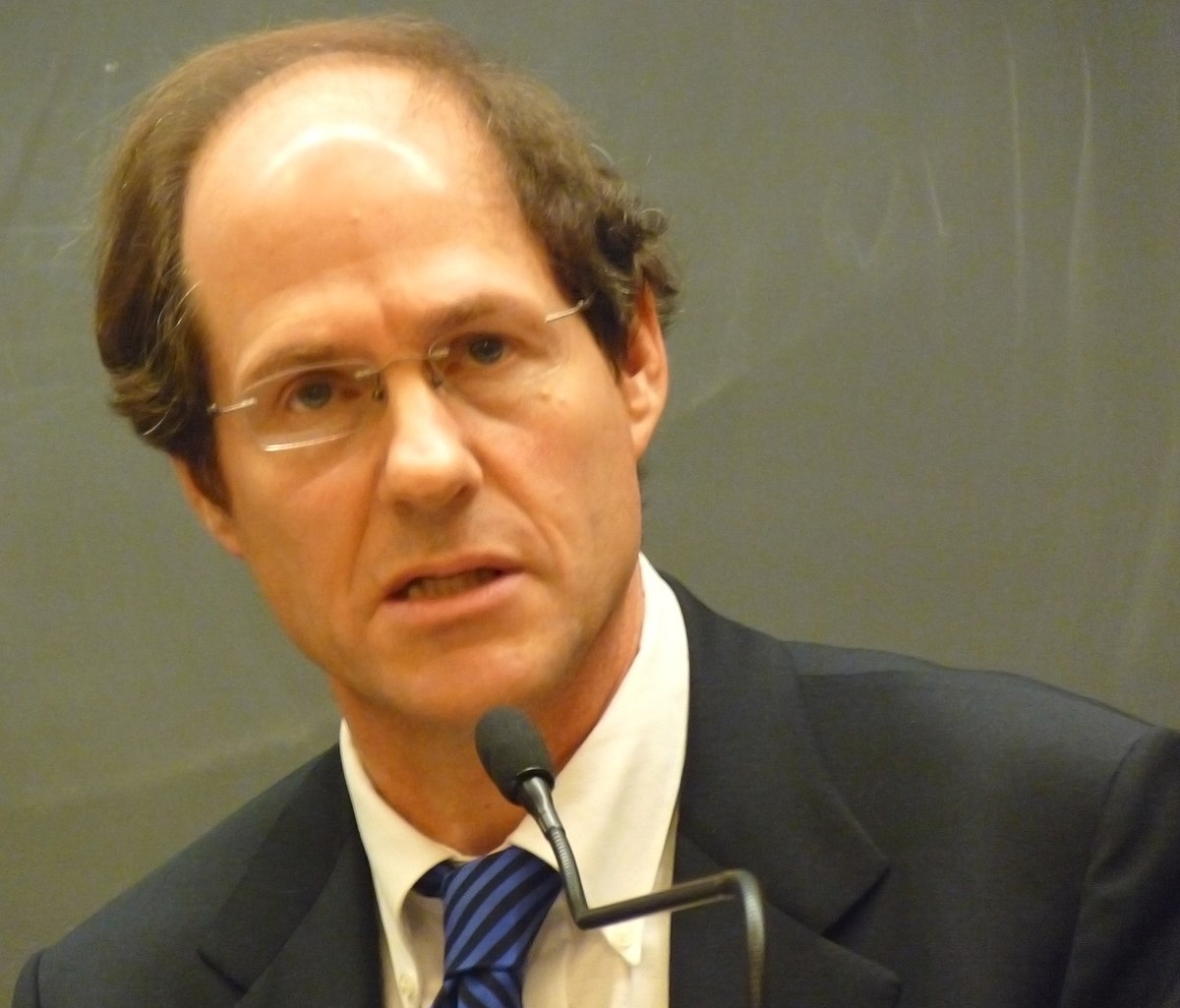
(BERGEN, Norway) – The Holberg Prize—one of the largest international prizes awarded annually to an outstanding researcher in the arts and humanities, the social sciences, law or theology—named US legal scholar Cass Robert Sunstein as its 2018 Laureate. Sunstein is currently the Robert Walmsley University Professor at Harvard University. He will receive the financial award of NOK 6,000,000 (approx. USD 770,000) during a formal ceremony at the University of Bergen, Norway, on 6 June.
Sunstein will receive the Holberg Prize for his wide-ranging, original, prolific and highly influential research. Not only has his research redefined several academic fields; it has also had a far-reaching impact on public policy. His scholarship spans several major areas: behavioral economics and public policy, constitutional law and democratic theory, legal theory and jurisprudence, administrative law, and the regulation of risk.  In particular, Sunstein’s academic work has reshaped our understanding of the relationship between the modern regulatory state and constitutional law. He is widely regarded as the leading scholar of administrative law in the U.S., and he is by far the most cited legal scholar in the United States and probably the world.

For four decades, Sunstein has combined his outstanding scholarly contributions with a range of public activities and participation in open debate.  He has influenced our thinking on some of the most pressing issues of our time: from climate change and free speech to health issues.

Describing the key purpose of his work, Sunstein says: “I have long been concerned with how to promote enduring constitutional ideals — freedom, dignity, equality, self-government, the rule of law — under contemporary circumstances, which include large bureaucracies that sometimes promote, and sometimes threaten, those ideals.” “The main goal,” he says, “has been to deepen the foundations of democratic theory, for the modern era, and to understand, in practical terms, how democracies might succeed in helping to make people’s lives better — and longer.”

To date, Sunstein has published forty-eight books and hundreds of scholarly articles. The books After the Rights Revolution (1990) and The Partial Constitution(1993) are considered his major works on American constitutional law and explore how constitutional ideals can be reworked and defended in face of the challenges posed by the rise of the administrative state. Impeachment: A Citizen’s Guide (2018) emphasizes the importance of self-government and of human dignity, linking those ideas to republican ideals and the power of impeachment.

In The Cost-Benefit State (2002), Risk and Reason (2002), The Laws of Fear (2004), and The Cost-Benefit Revolution (forthcoming 2018) he shows the ways in which cost-benefit analyses may discipline regulatory agencies. All of these works seek to bridge the gap between our deliberative ideals, distributive justice, human rights, and the demands of efficiency. Legal Reasoning and Political Conflict (2d edition 2018) is his most ambitious work on jurisprudence, the rule of law, and legal theory, emphasizing how law often reflects “incompletely theorized agreements,” which enable people to live together despite their disagreement or uncertainty about the most fundamental questions.

Sunstein won the Goldsmith Book Prize for Democracy and the Problem of Free Speech (1993), where he states that there is a need to reformulate U.S. First Amendment law. The book argues that it is necessary to move away from the conception of free speech as a marketplace, in order to “reinvigorate processes of democratic deliberation, by ensuring greater attention to public issues and greater diversity of views.” His decades of work on self-government, free speech, and modern technologies, culminating in #Republic: Divided Democracy in the Age of Social Media (2017), explores the problem of echo chambers and social polarization; it argues for the importance of common spaces and unchosen, serendipitous encounters with problems and ideas.

In 1998, Sunstein broke new ground, together with Richard Thaler and Christine Jolls, with the paper “A Behavioral Approach to Law and Economics,” which initiated a new academic field called “behavioral law and economics”. Sunstein and Thaler followed up with the best-selling book Nudge: Improving Decisions about Health, Wealth, and Happiness in 2008. The book discusses how public and private organizations can help people make better choices in their daily lives, and it helped popularize and cement the influence of behavioral law and economics. The Ethics of Influence (2016) investigates ethical constraints on the uses of behavioral science, with reference to ideals of autonomy and welfare. His forthcoming book, Unleashed: Behavioral Economics in the Wild (2019), argues that private preferences are constrained by social norms, and that when such constraints begin to lift, social change can be quite rapid – for better or for worse.

“Cass Sunstein’s work is animated by a profound sense of the ways in which human behaviour poses a challenge for regulation,” says Chair of the Holberg Committee, Dr. Pratap Bhanu Mehta. “Moreover, in addition to his contribution to the academic field, he has also mastered the art of communicating difficult and important ideas to the public. His work is rigorous, yet accessible, and marked by an extraordinary concern for human welfare as well as a commitment to an enlightened public discourse. Sunstein is one of the great intellectuals of our time.”

Cass Sunstein received a J.D. magna cum laude from Harvard Law School in 1978, where he was executive editor of the Harvard Civil Rights-Civil Liberties Law Review. From 1980 to 1981 he was an attorney-advisor at the U.S. Justice Department, before becoming an assistant professor of law at the University of Chicago Law School (1981–1983), where he also became an assistant professor in the Department of Political Science (1983–1985). Sunstein became full professor in both political science and law in 1985, and in 1988 he was named the Karl N. Llewellyn Professor of Jurisprudence in the Law School and Department of Political Science. In 2008, he joined the faculty of Harvard Law School as the director of its Program on Risk Regulation. From 2009 to 2012, Sunstein was Administrator of the White House Office of Information and Regulatory Affairs. He returned to Harvard in 2012 where he was Felix Frankfurter Professor of Law until 2013, when he became Robert Walmsley University Professor at the same institution. He is the Founder and Director of the Program on Behavioral Economics and Public Policy.

Sunstein was elected as a member of American Law Institute in 1990 and of the American Academy of Arts and Sciences in 1992. In 2017, he was elected Corresponding Fellow of the British Academy. He has won a number of awards, including the Regulatory Innovation Award (Burton Foundation, 2012), the Henderson Prize (Harvard Law School, 2002), the Certificate of Merit Award of American Bar Association (1991), and the Award of American Bar Association for best scholarship in administrative law (1978, 1989, 1999). He has honorary doctorates from Copenhagen Business School and Erasmus University.

Sunstein’s government service includes membership on President Barack Obama’s Review Group on Intelligence and Communications Technologies (2013) and the U.S. Department of Defense’s Innovation Board (2016-2017). He has also served on several committees, including the Institute of Medicine Committee (2004-2005) and the Presidential Advisory Committee on the Public Service Obligations of Digital Television (1997-1998). With George Akerlof and Adam Oliver, he is cofounder and coeditor of Behavioural Public Policy.  In addition, he has contributed to constitution-making and law reform activities in many countries. Sunstein has been on the Board of Editors for Studies in American Political Development, Journal of Political Philosophy, and Constitutional Political Economy. He has also been Contributing Editor to The American Prospect and The New Republic.

(N.Sethurupan)

March 23, 2018 0 comments
0 FacebookTwitterPinterestEmail
Asia and Norway

Norway woman takes FB route to find birth mom

by Nadarajah Sethurupan March 22, 2018
written by Nadarajah Sethurupan

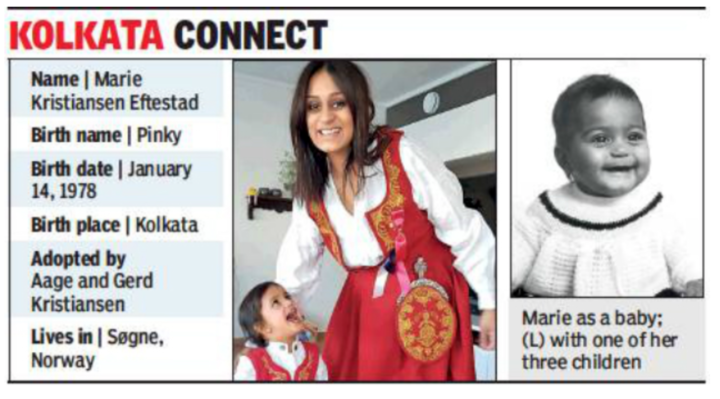
Marie Kristiansen Eftestad, a hairdresser in Norway, has had just one dream — to reunite with her biological mother. Forty years back, Marie was adopted from this city and now she and her wife Monica are on a mission to trace her mother.

Marie’s adoption papers state her birth name as Pinky and have all the details of her biological mother, but the only hitch is that she was unmarried at the time and didn’t want her identity to be disclosed. In order to persuade her mother to have a change of heart, Marie has put up a post on her Facebook page. She hopes if her mother is alive, she or someone close to her will read it and help in their reunion.

Marie was both on January 14, 1978, and was given up for adoption three months later. “I was born at Park View Nursing Home. I never went back to Kolkata, but would love to be there to reunite with my mother,” Marie said.

Marie has written that she is forever grateful to her biological mother for giving birth to her. “There must have been serious compulsions for you to give me up for adoption. I don’t hold that against you. I understand that you didn’t want to be identified then. But I am hoping, after all these years, you have had a change of heart. I really hope you too want to meet me as much as I do,” her post said. She also added that she would understand if the reunion can’t happen. “I don’t want to jeopardise your life for me. But if a meeting is impossible, I wish I can get a photo of yours to see how you look,” she wrote.

Five years ago, she married Monica who provides critical care to patients suffering from brain damage and psychological problems. “We have three children. Our eldest son is threeand-a-half-years-old. We also have two-year-old twins — a boy and a girl. Not a single day goes by when my wife doesn’t think about her biological mother,” said 44-year-old Monica.

“Even my parents who adopted me support my search,” Marie said.

 The two have pinned their hopes on Saroj Sood, founder and honorary secretary of The Indian Society For Sponsorship and Adoption (ISSA). When TOI got in touch with Soumeta Medhora, the chief functionary of ISSA, she said she has noticed Marie’s case. “I wasn’t around when this adoption happened. But I know about Pinky. We get a lot of queries for reunion, but the last one that happened was in case of Saroo Brierley (of “Lion” fame). We are looking into Pinky’s files to check the confidentiality clause. We will be happy if she reunites with her mother,” Medhora said.


(timesofindia)

March 22, 2018 0 comments
0 FacebookTwitterPinterestEmail
Srilanka and Norway

UN including Norway, USA, EU urged to exercise universal jurisdiction on Sri Lanka

by Nadarajah Sethurupan March 22, 2018
written by Nadarajah Sethurupan

The United Nations says that Sri Lanka has shown slow progress in establishing transitional justice mechanisms, insufficient progress in returning land occupied by the military and that authorities have yet to demonstrate with the willingness or the capacity to address impunity for gross violations of human rights.

UN Deputy High Commissioner for Human Rights, Ms. Kate Gilmore, addressing the 37th session of the Human Rights Council in Geneva, gave a written update on progress in promoting reconciliation, accountability and human rights in Sri Lanka (A/HRC/37/23) between March 2017 and January 2018.

She welcomed the Government’s constructive engagement with OHCHR and the human rights mechanisms, including its cooperation with visits of this Council’s Special Rapporteurs on human rights and terrorism; on truth, justice, reparation and guarantees of non-recurrence; and the Working Group on Arbitrary Detention.

The Office of the High Commissioner for Human Rights (OHCHR) also welcomed Sri Lanka’s accession to the Optional Protocol to the Convention against Torture and the adoption of the National Human Rights Action Plan.
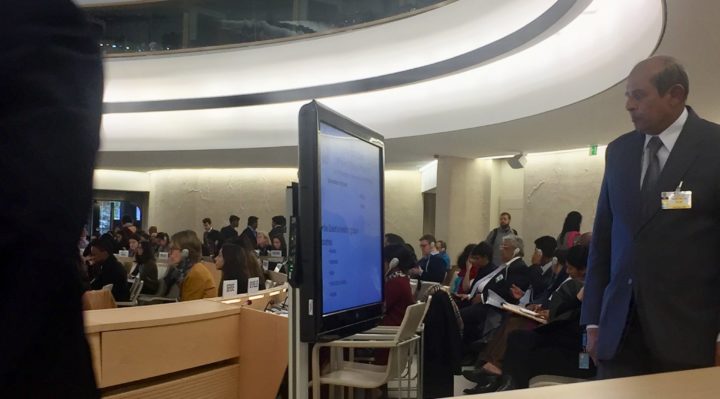
“Yet, it is with much regret that we must report slow progress in establishing transitional justice mechanisms,” she said.

In the absence of concrete results or publicly available drafts of legislation, it seems doubtful that the transitional justice agenda committed to by the Government under this Council’s resolution 30/1 could be fully implemented before our next report in March 2019, the Deputy High Commissioner said.

“We further regret that the commissioners of the Office of Missing Persons were only recently appointed, 20 months after the adoption of the legislation.”

In addition, there has been insufficient progress in returning land occupied by the military. Trust will not be rebuilt if land grabbing continues, nor without independent mechanisms established to determine fair compensations for land reserved for security reasons, she stressed.

“Furthermore, the Authorities have yet to demonstrate with the willingness or the capacity to address impunity for gross violations of international human rights and international humanitarian law.”
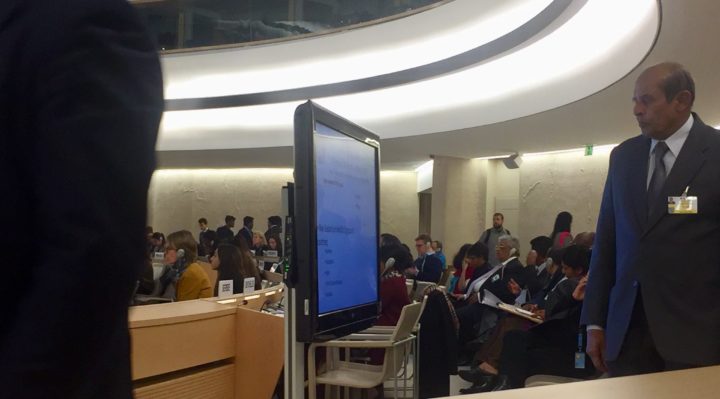
She stated that this strengthens the argument for the establishment of a specialized court to deal with serious crimes, supported by international practitioners. “In the absence of such a mechanism, we call on Member States to exercise universal jurisdiction.”

She said they are also seriously concerned about multiple incidents of inter-communal violence, attacks and hate speech against minorities observed last year – a worry further exacerbated by recent developments that have occurred since the drafting of the report, including violence against Muslims in Kandy district that led to the proclamation of state of emergency for 12 days.

“Allegations of continuing use of torture and continued reports of harassment or surveillance of human rights defenders are more than worrying.”

“In light of the gravity of the above matters and given the import role that this Council has played to date, the High Commissioner strongly advises that this Council continue to focus its attention  on the human rights of the people of Sri Lanka and in particular on the processes in place for accountability and reconciliation.”

(Nadarajah Sethurupan from Geneva)

March 22, 2018 0 comments
0 FacebookTwitterPinterestEmail
Terrorist

Norway’s justice minister quits in terrorists’ rights row

by Nadarajah Sethurupan March 21, 2018
written by Nadarajah Sethurupan

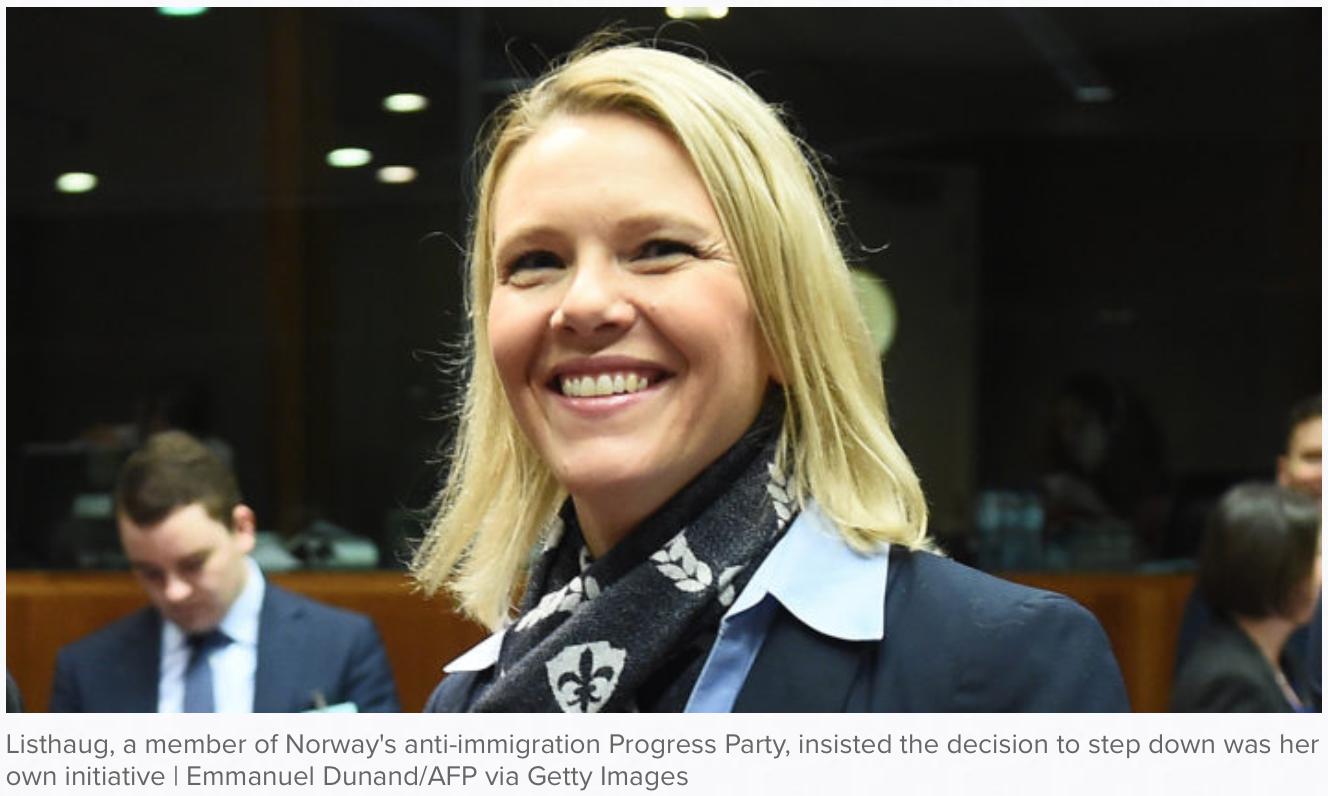
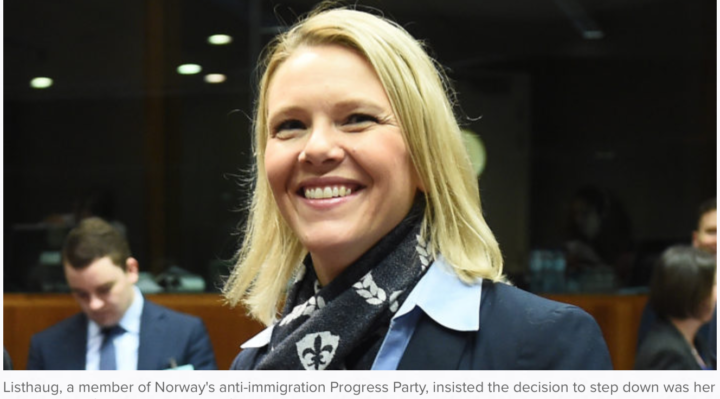
Norwegian Justice Minister Sylvi Listhaug resigned on Tuesday, ahead of a no-confidence vote she was likely to lose and which could have prompted the center-right minority government’s collapse.
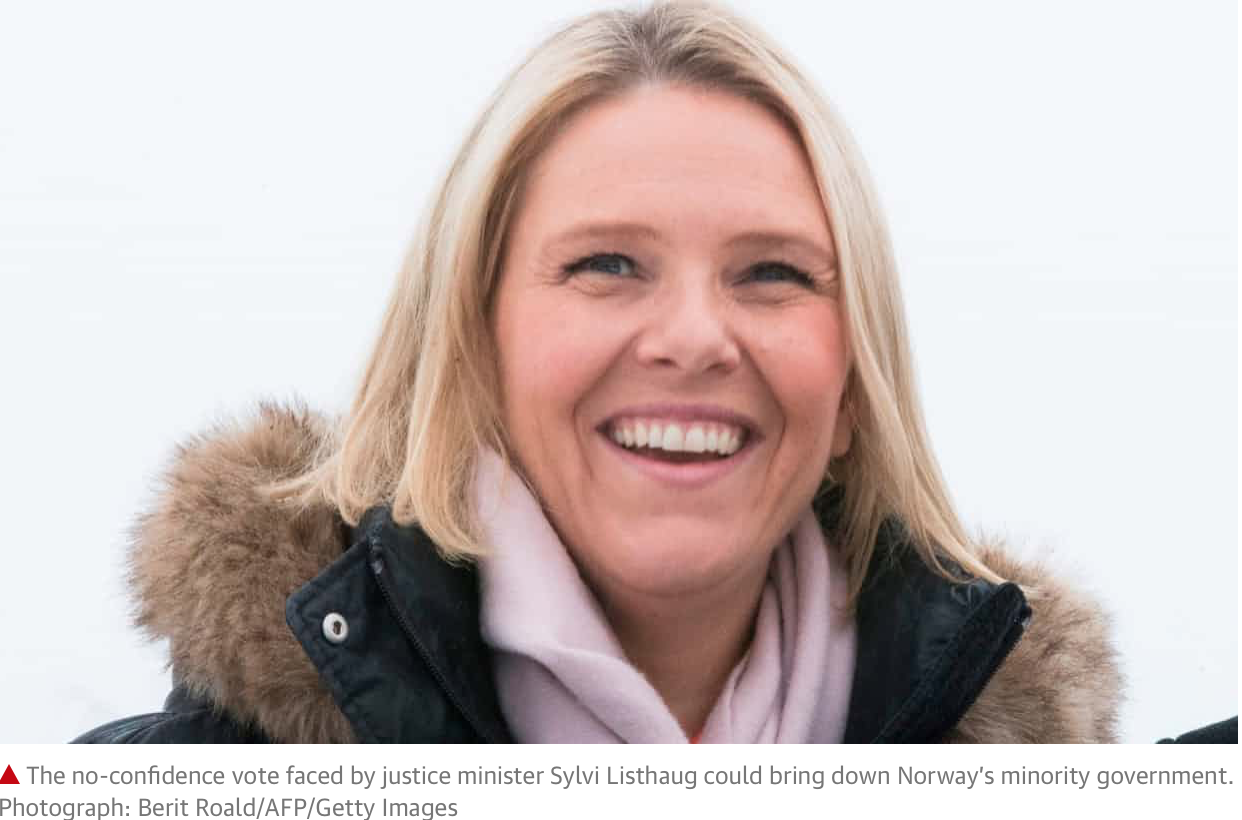
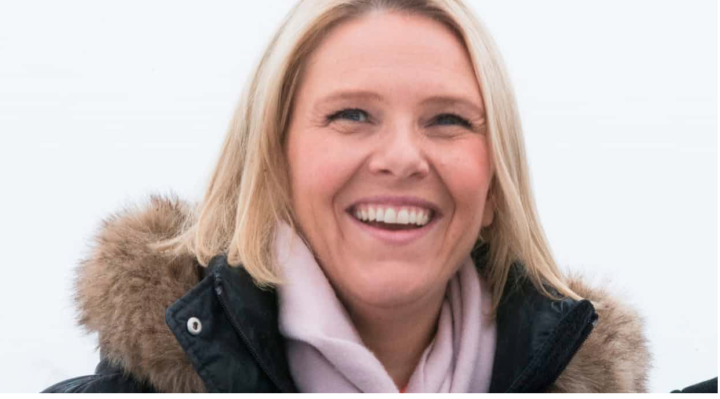
Listhaug, a member of Norway’s anti-immigration Progress Party, insisted the decision to step down was her own initiative, writing in a statement on Facebook: “I appreciate that Siv [Jensen, Progress Party leader] and the entire party were prepared to set aside our position as a government partner to support me as justice minister. But I cannot allow my departure to result in the Progress Party losing power and influence.”

Listhaug sparked anger earlier this month when she accused Norway’s opposition Labour party of putting the rights of terrorists ahead of national security. The Labour party, alongside the Christian Democrats, had opposed a bill that would have allowed the state to strip the citizenship of Norwegians suspected of terrorism or joining foreign militant groups without judicial review.

Her accusations struck a nerve with the Labour party, whose youth wing was the target of a mass shooting in 2011 when far-right militant Anders Behring Breivik killed 69 people at a summer camp of young center-left political activists.

“A Facebook post, which had nothing to do with July 22 [2011], and which I regretted was posted, has turned Norwegian politics into a kindergarten,” Listhaug wrote on Facebook. “Then I think it’s my responsibility to act adult.”

Listhaug also compared the outcry over her comments to a “witch hunt.”

Listhaug apologized for her comments in parliament last week. But the Christian Democratic party, also currently in opposition, said on Monday it would join five other parties in backing the no-confidence motion against Listhaug, making it likely she would be forced out.

Norwegian Prime Minister Erna Solberg previously said she would trigger a vote of confidence in the entire government if a majority voted against Listhaug in parliament.

(politico)

March 21, 2018 0 comments
0 FacebookTwitterPinterestEmail
Terrorist

Norway minister faces no-confidence vote after terrorism post

by Nadarajah Sethurupan March 19, 2018
written by Nadarajah Sethurupan

A social media post by Norway’s justice minister accusing the opposition Labour party of putting terrorists’ rights above national security has triggered a no-confidence vote that could bring down the country’s minority government.
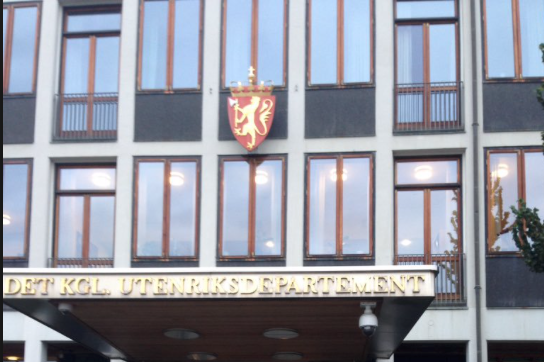
Five centre-left parties have said they aim to oust Sylvi Listhaug, of the populist, anti-immigration Progress party in the parliamentary vote on Tuesday, following widespread outrage at the Facebook post, which she has since deleted.

“Labour thinks the rights of terrorists are more important than the nation’s security. Like and share,” the minister wrote on 9 March beneath a photo of masked Islamist fighters dressed in combat fatigues, black scarves and ammunition belts.

The rightwing extremist Anders Behring Breivik shot dead 69 mainly young people at a summer camp run by the youth wing of the Norwegian Labour party on Utøya island in July 2011. Eight more were killed by a car bomb in central Oslo.

Listhaug’s post, which coincided with the Oslo premiere of a film about the Utøya killings, the country’s worst peacetime massacre, unleashed a political furore and she was eventually forced to apologise eight times in parliament last week.

The Labour leader, Jonas Gahr Støre, said Listhaug – who has previously called liberal attitudes to migration a “tyranny of good” and urged her Facebook followers to “like and share” a picture of an immigrant being expelled from Norway – was “fuelling the hatred” that led to the attacks.

The minister took six days to take the post down and faced further criticism when her initial apology to MPs referred to a “communications” error rather than the offensive content of the post. She eventually made an unconditional apology, saying “of course it is not the case” that Labour was a threat to national security.

The prime minister, Erna Solberg, also apologised on the government’s behalf, saying Norway had a “special link” with terrorism and had to “pay special attention in discussing it”.

Listhaug’s controversial post followed the defeat of a bill she had proposed that would have allowed the state to summarily strip individuals suspected of terrorism or joining foreign militant groups of their Norwegian citizenship. Labour argued that such decisions must be the prerogative of the courts.

The opposition Centre party on Friday joined several leftwing groups that had already said they would support the no-confidence vote, in effect leaving the fate of the justice minister – unless she resigns – to the Christian Democratic party, which was meeting on Monday to decide how it would vote.

“The polarising rhetoric and behaviour must end,” the party’s leader, Knut Arild Hareide, said before the talks started. “The conclusion has not been reached.”

Norwegian media reported over the weekend that the government would stand by Listhaug and resign if the Christian Democrats – who, while supporting Solberg as prime minister since 2013, have refused to join her coalition mainly because of their dislike of Listhaug and the Progress party – backed the motion.

Solberg, whose rightwing coalition of her Conservatives and the Progress and Liberal parties was formed in January after elections last September, could then either try to form a new cabinet or, if the Christian Democrats withdrew their backing, the task could fall to the Labour leader. Snap elections are not allowed.

(N.Sethu , (theguardian)

March 19, 2018 0 comments
0 FacebookTwitterPinterestEmail
Russia and Norway

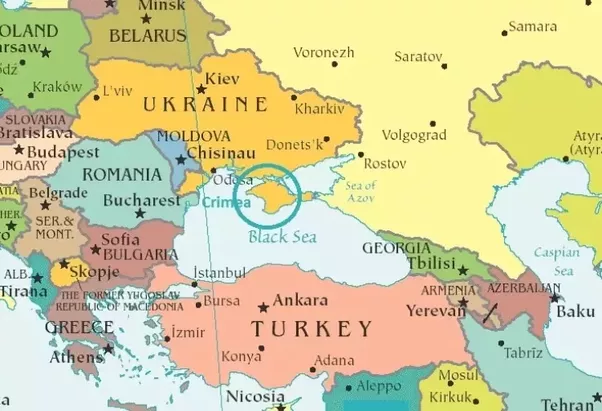
Norway do not recognize Russian presidential election in Crimea

by Nadarajah Sethurupan March 19, 2018
written by Nadarajah Sethurupan

France does not recognize the results of the Russian presidential election in the occupied Crimea. The press service of French foreign ministry reported that on Monday.

The official statement mentioned that France remains committed to the sovereignty and territorial integrity of Ukraine. ‘Four years after the illegal annexation of the Autonomous Republic of Crimea, France most decisively confirms its commitment to sovereignty and territorial integrity of Crimea within the internationally recognized borders,’ it says. ‘France is concerned about the militarization of the peninsula and the worsening situation in the human rights area, especially that of Crimean Tatars. France also urges Russia to save and protect the historical and cultural heritage of Crimea’.

Jean-Yves Le Drian, French foreign minister is to visit Kyiv this week.

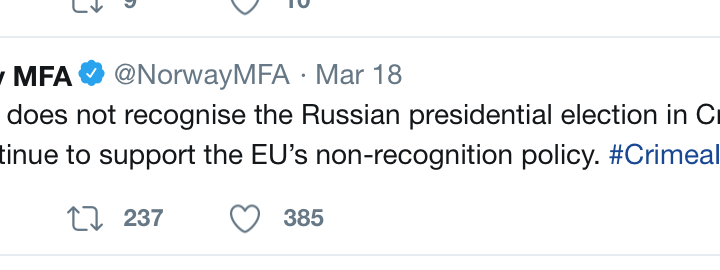
Norway followed France’s statement, not recognizing the outcome of Russian presidential election in Crimea; the respective post appeared on the official page of Norwegian foreign ministry on Twitter.

(N.Sethu, 112.international)

March 19, 2018 0 comments
0 FacebookTwitterPinterestEmail
Media Freedom

Social media post pushes Norway government to the brink of collapse

by Nadarajah Sethurupan March 18, 2018
written by Nadarajah Sethurupan

Norway Prime Minister Erna Solberg could face a tough choice: sacrifice her embattled justice minister or put her whole cabinet to a vote.

The minority government hangs in the balance after Justice Minister Sylvi Listhaug incensed the opposition by saying on Facebook that the Labor Party — whose youth camp was targeted by Anders Behring Breivik in the 2011 terrorist attack — cares more about the rights of terrorists than national security.

While she has since reluctantly apologised and erased the March 9 post after almost a week, the minister now faces a no-confidence vote in parliament on Tuesday (local time). The Christian Democrats have scheduled a meeting on Monday to decide on whether they will join the centre-left opposition and provide a majority for her ouster.

“This is a very demanding and serious matter, which we will have to discuss thoroughly before we decide,” Knut Arild Hareide, the head of the Christian Democrats, said on Friday.

The government would resign if the Christian Democrats back the no-confidence vote, VG reported on Sunday, citing a “central source.”

Listhaug has a power-base within the anti-immigration wing of her Progress Party, which is led by Finance Minister Siv Jensen. The 40-year-old Listhaug has in the past called political correctness on immigration a “tyranny of good” and has posted a picture on Facebook of an immigrant being expelled from Norway encouraging followers to “like and share!”

Her backers showed their support on Friday, flooding the Justice Ministry with flowers. A poll released on Friday for newspaper VG showed growing support for the Progress Party, its backing rising 2.8 percentage point to 15.9 per cent. Jensen also said over the weekend that she had full confidence in Listhaug.

She has also crossed swords personally with Hareide, who now could hold her fate in his hands. In a debate about religious extremism last year, she said he and other politicians are guilty of “licking Imams up the back.”

Solberg has already apologised for Listhaug’s March 9 comment on behalf of the government. But it could be until Tuesday until it’s revealed how the premier will deal with a no-confidence vote. “The question on how the government will handle a no-confidence vote will only be answered in parliament,” Solberg told news agency NTB.

Listhaug lashed out on Facebook after a majority in parliament, including Labor, defeated a government proposal to strip potential terrorists of their citizenship without a court order.

The no-confidence motion was brought by one of parliament’s smallest parties, the Red party, and was then backed by Labor and the others.

“The parliamentary majority can’t accept a Justice Minister who claims that we put terrorists’ rights above the nation’s security,” Red Party leader Bjornar Moxnes said on Twitter. “It quite simply goes beyond the limits of what a government minister can do.”

Labor Party leader, Jonas Gahr Store said on Saturday to broadcaster NRK that it would be acceptable if Listhaug was given another ministry to run. The plan was rejected by the Progress Party, which is also holding a meeting on Monday.

( – Bloomberg,stuff.co.nz)

March 18, 2018 0 comments
0 FacebookTwitterPinterestEmail
Russia and Norway

Four years since Russia’s illegal annexation of Crimea

by Nadarajah Sethurupan March 18, 2018
written by Nadarajah Sethurupan

‘Russia’s illegal annexation of Crimea and Sevastopol violated fundamental principles of international law. It has therefore had major consequences not just for Ukraine but also for the international order and for global security,’ said State Secretary Audun Halvorsen.


On 20 February 2014, under the false pretext of restoring law, order and stability in Crimea, Russian forces entered Ukrainian territory and took control of political institutions and key societal functions. In the course of a few weeks, a part of Ukraine was forcibly placed under Russian administration.

The so-called referendum of 16 March the same year was designed to legitimise Russia’s use of force. In the absence of any form of international recognition, the referendum was used to justify the illegal incorporation of Crimea and Sevastopol into the Russian Federation on 18 March.

Since then, the human rights situation in Crimea and Sevastopol has deteriorated. Today, four years later, Russia is still denying international organisations and NGOs access to Crimea.

‘We are still hearing claims that Crimea has always been Russian and that Russia was simply taking back an area of territory that was rightfully its own. The fact is that Russia chose to place itself above international law, disregarding a series of legally binding agreements developed in the wake of two devastating world wars to regulate relations between states,’ State Secretary Halvorsen said.

(Ministry of Foreign Affairs – Norway ) https://www.regjeringen.no/en/aktuelt/crimea_annexion/id2593565/
March 18, 2018 0 comments
0 FacebookTwitterPinterestEmail
Economics

KONGSBERG in Qatar

by Nadarajah Sethurupan March 16, 2018
written by Nadarajah Sethurupan
KONGSBERG has signed a cooperation agreement in Qatar for long-term technology development programs within defence, maritime industry and digitalization.
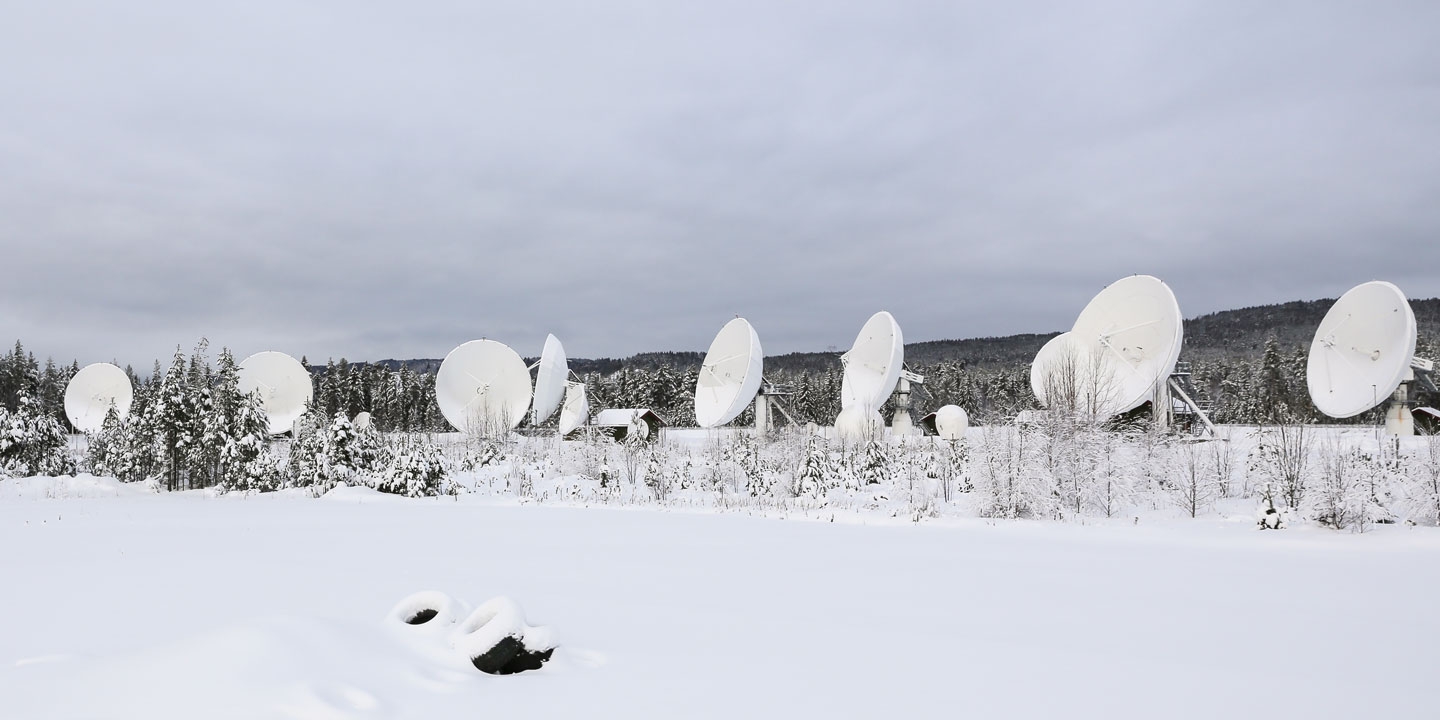
 

The first programme in relation to the cooperation will be delivery of communication, digitalization and tower solutions for military vehicles, a programme with a potential of approximately NOK 15 billion over the next eight years.

The programme will be the largest in KONGSBERG’s history and entail 15.000 Norwegian man-labour years and involve more than 170 Norwegian sub-suppliers.

Together with Barzan Holdings, KONGSBERG has established a new company for technology development programs. The company, BK Systems, will have its main office in Qatar Science & Technology Park, and KONGSBERG holding the CEO position. The park is an innovation hub for leading international industry and universities.

– BK Systems will be an important company for the development of technology and solutions within defence, digitalization and maritime industry in Qatar. The establishment of this cooperation shows that Norwegian high-tech industry is world-leading and in demand. We see considerable opportunities and potential for Norwegian industry and technology development with this establishment, says Geir Håøy, President and CEO of KONGSBERG.

Today, Barzan Holdings announced the companies that have been selected to deliver to the country’s upcoming vehicle programme which is to be delivered over the next eight years.

KONGSBERG is to deliver tower solutions, and digitalization and communication solutions to 490 armoured vehicles delivered by the French company Nexter. The next steps in the process will be detailing and final negotiations prior to signing the final contract for the programme.

– The vehicle program will be KONGSBERG’s single largest contract ever and entails considerable Norwegian value creation and high-tech jobs for many years to come. The potential is approximately 15 billion kroner for KONGSBERG. Approximately 15.000 Norwegian man-labour years and more than 170 small and medium sized sub-suppliers will be involved in the programme over the next eight years, says Håøy.

KONGSBERG is to deliver the solutions “PROTECTOR Remote Weapon Station” and “Medium Caliber Turret” to the programme, both tower solutions developed for increased protection of personnel.

The PROTECTOR Remote Weapon Station is a system that was developed in cooperation with Norwegian armed forces towards the end of the 1990s, and has since been continuously developed and is now the world-leading solution with close to 20.000 systems delivered to 19 nations.

The Medium Caliber Turret is a further developed, larger sized solution currently under delivery to the US armed forces. In addition to the delivery of the tower solutions, the agreement also includes delivery of integrated digitalization and communication solutions for the vehicles.

– Together with other Norwegian high-tech industry, KONGSBERG has for decades built up world-leading competence on system integration, decision support tools and digitalization solutions which are to be delivered to this vehicle programme. Today we are the world-leading supplier of these systems and we are pleased that the Qatari authorities have chosen our solutions, technology and competence, says Håøy.

(Kongsberg Gruppen)

March 16, 2018 0 comments
0 FacebookTwitterPinterestEmail
Spy War

NORWAY USED NSA TECHNOLOGY FOR POTENTIALLY ILLEGAL SPYING

by Nadarajah Sethurupan March 15, 2018
written by Nadarajah Sethurupan

BEHIND AN ABANDONED military facility 40 miles northwest of Oslo, Norway built a surveillance base in close collaboration with the National Security Agency. Its bright, white satellite dishes, some of them 60 feet in diameter, stand out against the backdrop of pine-covered hills and red-roofed buildings that scatter the area.
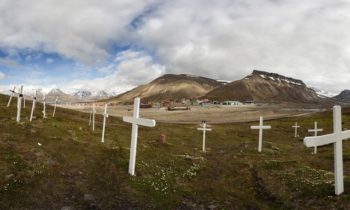
Classified documents describe the facility as “state-of-the-art,” with capabilities “previously not released outside of NSA.” Despite a hefty price tag of more than $33 million paid by Norwegian taxpayers, the Norwegian Intelligence Service has kept the operations at the site beyond public scrutiny.

The station, code-named VICTORY GARDEN, was ostensibly built to support Norwegian troops serving overseas and to combat terrorism. But its dragnet has also secretly captured records of phone calls and emails transmitted between law-abiding Norwegians and their friends, families, or colleagues in foreign countries, an investigation by The Intercept and the Norwegian Broadcasting Corporation, known as NRK, has found.

In 2014, the data collection at the base was central to a behind-closed-doors dispute between the Norwegian Intelligence Service and the oversight committee that monitors the conduct of the country’s spy agencies, according to sources with knowledge of the incident. The intelligence service argued that the surveillance was lawful and necessary. But the committee disagreed and claimed that the storing and searching of Norwegians’ communication records was legally dubious. The disagreement remains unresolved; meanwhile, the surveillance appears to have continued unabated.

[AdSense-A]

https://theintercept.com/2018/03/01/norway-nsa-victory-garden-surveillance/

March 15, 2018 0 comments
0 FacebookTwitterPinterestEmail
Svalbard

Norwegian Town Where You’re Not Allowed to Die

by Nadarajah Sethurupan March 14, 2018
written by Nadarajah Sethurupan

In addition to dealing with round-the-clock darkness in the winter and the constant threat of polar bears, the 2,000 residents in the remote Norwegian town of Longyearbyen must also follow one very strange law: It’s illegal to die there.

Located on the Norwegian archipelago of Svalbard about halfway between mainland Norway and the North Pole, Longyearbyen is so cold that dying has been illegal there since 1950 when locals discovered that bodies weren’t decomposing in the cemetery because of the frigid weather.

In fact, when scientists exhumed corpses of those who died in the 1918 flu pandemic in 1998, they were able to retrieve live samples of the deadly virus.

Inhabited mostly by cole miners, locals became so scared of diseases spreading after they found that bodies weren’t decomposing, they made it illegal for any more people to buried in the local graveyard. While cremation urns are allowed to be buried there, so few people have taken up on this option that the terminally ill must leave the island and fly to the Norwegian mainland to spend their last days.

“If you seem to be about to expire, every effort will be made to send you to the mainland,” Jan Christian Meyer, from the Norwegian University of Science and Technology, told The Sun.

However, there are very few people born here, too. While there is a small hospital in Svalbard, pregnant women are encouraged to travel to the mainland in advance of their due date.

These aren’t the only reason why you probably don’t want to move here anytime soon. The town is so far north that it stays dark in the winter for four months at a time with zero difference between night and day for nearly three of those months. There are also nearly 1,000 polar bears who call the island home, which pose a dangerous threat to locals. But hey, you’re basically guaranteed to see the Northern Lights there so maybe it’s worth a trip. Just don’t die.

(menshealth)

March 14, 2018 0 comments
0 FacebookTwitterPinterestEmail
Environment

Rape of forests must be stopped

by Nadarajah Sethurupan March 13, 2018
written by Nadarajah Sethurupan

The late Prof Wangari Maathai received a call from Ole Danbolt Mjøs, chair of the Norwegian Nobel Committee, informing her that she had become the first African woman, and the first environmentalist, to win the Nobel Peace Prize.
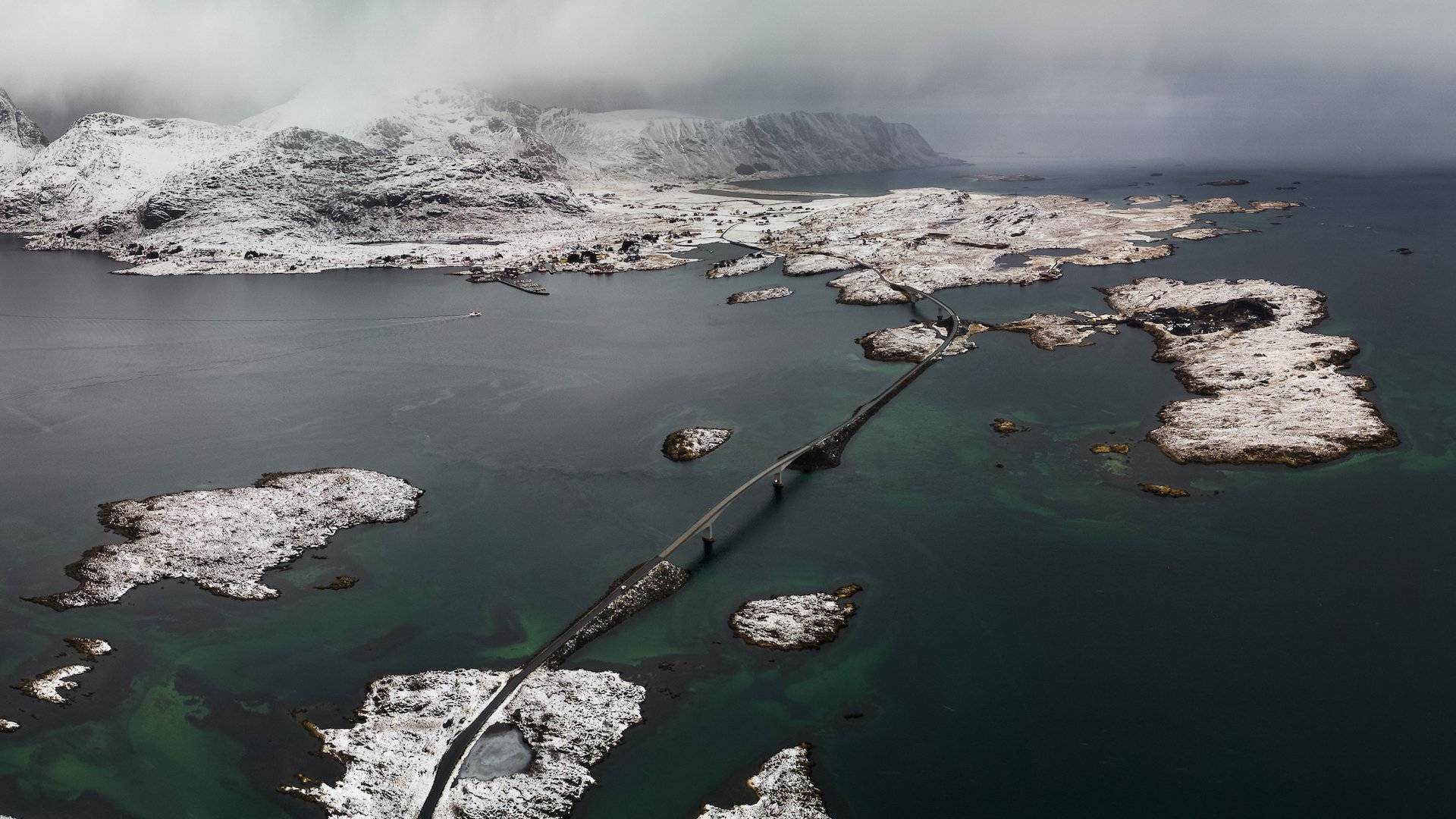

This was a feat like no other by a Kenyan, but it was just another feather in Maathai’s cap of accolades during her lifetime. One of her greatest achievements is her fight for the environment that saw her humiliated at the hands of the Kanu government.

And through her struggles, we cannot forget one of her many memorable quotes, “The generation that destroys the environment is not the generation that pays the price. That is the problem.”

If she were alive today, Prof Maathai’s words would resonate with the ongoing debate in the country about our forests — our water towers. For now, we have to remind ourselves of her warning against environmental degradation and the future of this country.

Last week, I decided to take a drive to Naivasha with my family. Along the way, near Lari, there were large bare tracts of land in an area that once was filled with beautiful trees, making the drive very scenic.

As I drove further down, there were multiple loggers openly cutting down trees and next to them was a board from the KFS stating they were removing ‘mature’ trees. This makes it official for them to cut down the trees with no actual plans to plant others.

And so I kept asking myself, what logic would anyone in this day and age use to cut down trees when our tree cover in the country is already threatened? Why would anyone continue depleting our already depleted forest cover? According to Global Forest Watch, between 2001-2016, Kenya lost 288,000 hectares of tree cover.

The lobby also says that in 2010, Kenya had 2.7 million hectares of tree cover, extending over 4.6 per cent of its land area. In 2016 alone, Kenya lost 19,000 hectares of forest.

In other words, we are losing more forest cover than we are gaining as time goes by. Global Forest Watch also says 10 counties were responsible for more than half ( 69 per cent) of all tree cover loss between 2001-16. Narok had the largest tree cover loss of 57,500 hectares.

The other nine counties with the greatest loss of forest cover are Nakuru, Kilifi, Lamu, Kwale, Elgeyo Marakwet, Kericho, Nandi, Uasin Gishu and Baringo, each of which lost more than 10,000 hectares of forest cover during that period.

If this does not worry every Kenyan, then I wonder what should. With the growing threat of global warming, human-driven forest cover loss should be one of the things that we should clearly and strongly discourage.

We thus need policies to populate forests such as Karura, Mau, Aberdares and Mt Kenya, among others. We must also ensure the recent ban on logging is real and extends beyond the 90-day period announced.

As a matter of urgency, we must start a nationwide tree planting initiative. Recently, India made news and broke the Guinness records for planting 66 million trees in 12 hours.

We should beat this record, aiming to plant 100 million trees in 12 hours and attempt to break this record every year. This is less than eight trees for every adult in the country. If we all come together and break this record, then we will set a precedent that will be emulated by future generations.

In the end, our children will thank us for starting an initiative that will transform the environment and leave this country better than we found it.

And in the words of Prof Maathai, “Until you dig a hole, you plant a tree, you water it and make it survive, you haven’t done a thing. You are just talking.”

(the-star)

March 13, 2018 0 comments
0 FacebookTwitterPinterestEmail
Environment

Oslo Wants to Use Drones to Alleviate Garbage-Filled Fjords

by Nadarajah Sethurupan March 11, 2018
written by Nadarajah Sethurupan

*** EXCLUSIVE – VIDEO AVAILABLE ***
LOFOTEN, NORWAY – APRIL 2016: While Joel was in Norway the sun was out for nearly 20 hours a day giving him the chance to make the most of the soft light in Lofoten, Norway, April 2016.
Submerge yourself in the fantastical natural beauty of Norways Lofoten Islands with these stunning landscapes. While leading a photo tour with fellow photographer Magali Tarouca, Joel Santos dedicated as much time as possible to documenting the regions famous scenery with his drone camera. The Portuguese photographer spent five days travelling over 1500km to thoroughly scout the locations before the participants arrived.With darkness only creeping in for a few hours in the early morning, Joel only slept for a few hours a night to take full advantage of the light and to capture the towns and villages of Reine, Hamnøy, Sakrisøya, Olenilsøya, Unstad, Uttakleiv, Nusfjord, Henningsvær and Fredvang.
PHOTOGRAPH BY Joel Santos / Barcroft Images
London-T:+44 207 033 1031 E:hello@barcroftmedia.com –
New York-T:+1 212 796 2458 E:hello@barcroftusa.com –
New Delhi-T:+91 11 4053 2429 E:hello@barcroftindia.com www.barcroftmedia.com (Photo credit should read Joel Santos / Barcroft Images / Barcroft Media via Getty Images)

Oslo’s fjords, inlets of glacier-derived waters ensconced by steep cliff-sides, might look pristine and majestic in the winter, but reveal hidden aggregations of garbage beneath when thawed. Amongst the environmentally disconcerting hunks of trash are abandoned cars and plastic materials that damage local marine life. In addition to Oslo eagerly working to become the first major European city to establish car-free zones by 2019, it is now proactively looking toward drone technology to combat its polluted Fjords beneath.

According to The New York Times, the depths of Norway’s southern fjords likely contain historically significant items like sunken Viking ships and World War II materials, in addition to potential homicide victims and general trash. It is the latter, that environmentalists in the area are keen on combating via unmanned vehicles equipped with drone technology. The reason these fjords have swallowed such an abundance of garbage is that they’ve provided a popular method of disposal. “Not many years ago, a mayor said if you want to get rid of a car, put it on ice,” said Solve Stubberud, general secretary of the Norwegian Divers Federation.

Not many years later, fortunately, the capital is keenly eyeing drone tech to proactively clean its surroundings. “We will test out drones,” said Svein Olav Lunde, chief technical officer of the Oslo Port Authority, to clear away the “islands of trash” under water. According to board member Geir Rognlien Elgvin, the city’s port will be the first in the world to attempt a drone-assisted clean up of this kind. The drones themselves will essentially dive beneath the surface and locate substantial build-ups of trash, so that the electric-powered ship they deploy from can utilize its crane to assist in removal.

As The New York Times is wise to point out, Norwegians have a strong sense of pride and justice when it comes to their environment, having collectively been disgusted in January by images on social-media of dead dolphin trapped in plastic. This loud, moral compass which is further evident by the city’s plans on designating car-free zones in certain areas was awarded the European Green Capital Award for 2019. It’s no surprise then, that the city is working on yet another way to improve environmentally, this time, through drone technology.

“Plastic is the real problem,” said Stubberud. He claims that that besides politicians publicly voicing their interest in fighting pollution, it’s the environmentalists driving the ambitious plans exemplified by this new drone-tech approach. Unfortunately, Norway’s government allows mines to dump their waste offshore, providing for a frustrating situation where one initiative could really begin to make a difference, and an active legislation allowing for waste to be dumped into the ocean on a regular basis.

Christine Spiten, a drone pilot and tech entrepreneur, would describe the amount of trash in the fjords as vast. “There are whole households of furniture,” she explained. Having showcased Blueye’s Pioneer remote operated vehicle (ROV) drone to Oslo Port Authority representatives in February, during which she found a rusty bicycle underwater, she argued for the technology’s convenience and functionality. Hopefully for her, the citizens of Oslo and every other living thing on this Earth, our collective tech advancements continue to be used for environmental clean-up in the area.

(thedrive)

March 11, 2018 0 comments
0 FacebookTwitterPinterestEmail
Science

Saab’s New Air Traffic Surveillance Capability Goes Operational In Norway

by Nadarajah Sethurupan March 9, 2018
written by Nadarajah Sethurupan

Saab and Avinor announced that the northern Automatic Dependent Surveillance (ADS-B) region of the Norway National Wide Area Multilateration (WAM) system is now operational.
The system will enable Avinor to implement a new reduced separation procedure, thereby increasing traffic capacity between the Svalbard archipelago and the mainland.

Avinor, who is responsible for the 45 state-owned airports and air navigation services for civilian and military aviation in Norway, is installing Saab’s WAM surveillance system, which features virtualised central processing and ground stations that are shared between systems. The system features three ADS-B only regions, partly to address areas where WAM is not possible due to site limitations. The Svalbard region provides surveillance to the northernmost permanent community on the earth.

Saab’s new Cooperative Surveillance System (CSS), is ideal for creating a national WAM in Norway, because of the need to phase in different geographical and service regions. It is the flexibility of CSS that allows one region to go into operation while the others are still being built.

“We have worked together with Avinor to set a new standard for cooperative surveillance technology. Bringing this ADS-B region in the extreme north into operation demonstrates the system’s ability to function in harsh conditions, and it’s flexibility in deployment approaches,” says Mike Gerry, head of Saab business area Industrial Products and Services.

(defenseworld)

March 9, 2018 0 comments
0 FacebookTwitterPinterestEmail
Diplomatic relations

Norway’s Deputy Minister Visits Malawi with International Treaty

by Nadarajah Sethurupan March 7, 2018
written by Nadarajah Sethurupan

Hanne Maren Blafjelldal, Norway’s Deputy Minister of Agriculture and Food joined FAO’s International Treaty Secretary, Kent Nnadozie, on a very special field mission in Africa today – to visit farmers’ fields in Malawi.
This visit marks the first time the International Treaty Secretariat is going into the field with a major donor to witness, first-hand, a project supported through the Benefit-sharing Fund of the International Treaty on Plant Genetic Resources for Food and Agriculture.

“We are excited to go into the field with Norway to see the Benefit-sharing Fund at work on the ground,” said Kent Nnadozie, Secretary of the International Treaty. “Norway is one of the International Treaty’s most steadfast champions and has long supported our efforts to conserve the world’s crop diversity and the rights of small farmers, and we are delighted to have the Deputy Minister participate in this field visit.”

Norway is a longtime supporter of the International Treaty and contributes a percentage of its annual seed sales to the Benefit-sharing Fund, which supports farmers in developing countries in conserving and using agricultural biodiversity in their fields as they cope with climate change.

“All countries benefit from the exchange of material and information made available through the Multilateral System of the International Treaty, so it is only right that we give back by contributing to the Benefit-sharing Fund and help farmers conserve agricultural biodiversity,” said Deputy Minister Blafjelldal.

  • Read the entire article at FAO
March 7, 2018 0 comments
0 FacebookTwitterPinterestEmail
Norwegian Aid

Norway to increase support to the Western Balkans by NOK 140 million in 2018

by Nadarajah Sethurupan March 7, 2018
written by Nadarajah Sethurupan

Norway is almost doubling its development assistance to the Western Balkans, with an increase from NOK 175 million in 2017 to NOK 319 million in 2018.
In the white paper on the course for Norwegian foreign and security policy published last year, the Government announced that it would be increasing its support for promoting stability, democracy and development in neighbouring areas. The EU and a number of individual European countries are also focusing more strongly on the Western Balkans at present. All the recipient countries in the region are seeking EU membership. On 6 February, the European Commission presented an ambitious strategy for enlarging the EU to include the Western Balkans.

‘The countries of the Western Balkans need to implement comprehensive reforms to guarantee democracy, strengthen the rule of law, create jobs and achieve economic and social progress. They are currently among the poorest countries in Europe, some of them with youth unemployment rates of up to 60 %. It is vital for these countries to succeed in their efforts, so that they can once again contribute to development, cooperation and security in Europe. This will be in the interests of both Norway and Europe as a whole,’ said Minister of Foreign Affairs Ine Eriksen Søreide.

Norway’s support is intended to promote cooperation and reconciliation in the region, economic growth and job creation, good governance and anti-corruption, the protection of minorities and a stronger civil society. Priorities will vary from country to country, depending on their needs and the priorities of other donor countries and the EU.

Norway’s support is based on the recipient countries’ own priorities, and will be harmonised with the contributions of other donor countries and the EU. Some of the funding will be allocated to programmes that are jointly financed by other donors, including the EU.

Norwegian funding is available for Albania, Bosnia and Herzegovina, Kosovo, Macedonia, Montenegro and Serbia. Some of the funding will be allocated to regional projects that include two or more countries.

(Press release – MFA)

March 7, 2018 0 comments
0 FacebookTwitterPinterestEmail
Environment

Norway uses connected cars to increase safety on wintry roads

by Nadarajah Sethurupan March 5, 2018
written by Nadarajah Sethurupan

Norwegian road authority Norska Statens Vegvesen (NSV) is deploying Klimator and Nira Dynamics’ Road Status Information (RSI) software in connected cars to determine and transmit road grip conditions in real-time with the intention of increasing safety on wintry roads. RSI uses algorithms that combine the data from the vehicles with information from roadside weather stations and weather forecasts.


The cars feature Nira’s on-board diagnostics (OBD) dongles and register current position, ambient temperature, wiper activity and road friction with data continuously available on the RSI-server.

Torgeir Vaa from NSV, said: “This technology quantum leap is overdue in the business to make use of new opportunities and meet the road users’ expectations. We have tested the new technology and are confident that RSI is the best performing solution.

“The plan was to have only about 50 OBD units for private volunteers, but we are very happy about this level of acceptance. The remaining OBD-dongles will be fitted into taxis, rental cars and delivery vehicles with varying use patterns – we expect very interesting winter months,” Vaa added.

(itsinternational)

March 5, 2018 0 comments
0 FacebookTwitterPinterestEmail
Crimes

Norwegian Police Raid Five Poker Rooms In Oslo

by Nadarajah Sethurupan March 5, 2018
written by Nadarajah Sethurupan

There was a massive crackdown on underground poker in Oslo Thursday evening, per a translated report from nrk.no. According to the report, around 100 police officers arrested the operators of five poker clubs in the city.
The poker game raids were unprecedented in Norway, said the report.

Police Attorney Philip Matthew Green said that authorities received tips about the underground poker rooms. The clubs allegedly had connections to other criminal activity. The government crackdown will not ensnare the poker players themselves, but rather the organizers of the games, police said.

According to authorities, the clubs hired people with criminal histories to protect the games.

Apparently, the five clubs that were shut down Thursday might just be the first of subsequent raids on the Oslo poker scene. Several years ago, Norway loosened its laws against poker, but the new rules made it clear that a legal poker game couldn’t take a rake from the players.

March 5, 2018 0 comments
0 FacebookTwitterPinterestEmail
Defence

Norway’s military contribution to the fight against ISIL in 2018

by Nadarajah Sethurupan March 3, 2018
written by Nadarajah Sethurupan

Norway will continue its contribution to the fight against the terrorist organisation ISIL. Norway will maintain its troop contributions from the Army and the Special Forces after March 2018, and will in addition deploy a medical unit to Iraq.


– The fight against ISIL has now reached a critical phase. Almost all the areas previously controlled by the group have now been won back. However, ISIL is still able and willing to carry out terrorist attacks both within and outside the region, and to destabilise areas that have been liberated. Iraq therefore needs continued support from the international coalition to prevent ISIL from regaining a foothold in the country, and to contribute to civilian stabilisation, said Minister of Defence Frank Bakke-Jensen.

The coalition against ISIL is now in a transitional phase, where international support is being shifted from warfare against ISIL to building up the capacity of the Iraqi forces.

– Iraqi force development since 2014 has been impressive, but many units still need further training, and new units need to be built up, said Mr Bakke-Jensen.

The original mandate for the Norwegian forces expires on 10 March 2018. The Government has now decided to continue Norway’s contribution until the end of 2018. The number of troops will be maintained at about the same level, but possibly with a reduction in numbers during the year, depending on the coalition’s needs and how the security situation develops.

Norway will provide around 110 troops from the Army and the Special Forces. They will assist in strengthening the capacity of the Iraqi forces tasked with securing and stabilising areas of Iraq that have been won back from ISIL. In addition, Norway will provide a 20-strong medical unit for up to six months. Norway will maintain its presence in Jordan for logistical support, and will also retain a limited number of staff officers in the relevant coalition headquarters.

(MFA – Norway)

March 3, 2018 0 comments
0 FacebookTwitterPinterestEmail
Corruption in Norway

FBI contacted over fake Trump Nobel nom

by Nadarajah Sethurupan March 2, 2018
written by Nadarajah Sethurupan

Police in Norway have contacted the FBI as part of an investigation into a fake nomination for Donald Trump to win this year’s Nobel Peace Prize.

Norwegian police have contacted the FBI as part of a probe into a fake nomination of US President Donald Trump for this year’s Nobel Peace Prize.

The Norway-based Nobel Committee earlier this week said it had made a police complaint.

Rune Skjold of the Oslo police force’s economic crimes unit on Thursday confirmed reports that the FBI was contacted for assistance.

“We are investigating possible forgery of documents,” Skjold said, adding that he could not offer details or name any suspects.

Forging documents can result in several years in prison, he added.

Skjold said the Nobel Committee had contacted Oslo police about a month ago. Police had also been alerted last year over a similar suspect nomination for Trump.

A meeting with FBI officials was due next week in Oslo, Skjold said.

Concerning “the nomination of the US president, I can say that we have good reason to believe it is a fake nomination,” Olav Njolstad, non-voting secretary of the Nobel Committee, had told Norwegian public broadcaster NRK earlier this week.

Njolstad, who is also head of the Norwegian Nobel Institute, which assists the five-strong award panel in vetting nominated candidates, declined to comment further.

This year the committee received 329 nominations, the second-highest number to date. Last year’s prize went to the International Campaign to Abolish Nuclear Weapons (ICAN).

(Source: AAP, N.Sethu)

March 2, 2018 0 comments
0 FacebookTwitterPinterestEmail
Newer Posts
Older Posts

Norwegian Nobel Prize 2024

101207 The Norwegian Nobel Committee has decided to award the Nobel Peace Prize for 2024 to Japan’s Hiroshima bomb survivor group Nihon Hidankyo.

Special Interest

  • Africa and Norway
  • Asia and Norway
  • Asylum
  • China and Norway
  • Corruption in Norway
  • Crimes
  • Defence
  • Diplomatic relations
  • Economics
  • Environment
  • Farming
  • Killing
  • Media Freedom
  • Middle East and Norway
  • NATO and Norway
  • Nobel Peace Prize
  • Norwegian Aid
  • Norwegian American
  • Oil & Gas
  • Peace Talks
  • Politics
  • Racism in Norway
  • Religion
  • Russia and Norway
  • Royal House
  • Science
  • Sex scandal
  • Sports
  • Spy War
  • Srilanka and Norway
  • Svalbard
  • Terrorist
  • Taiwan and Norway
  • Video clips

Follow Us

Recent Posts

  • Norway and Germany sign defence arrangement

    February 15, 2026
  • China hopes Norway will play a role in the Europe ties

    February 15, 2026
  • Norwegian cross-country skier breaks Olympic medal record

    February 15, 2026
  • Norway police search former PM’s properties in Epstein links probe

    February 12, 2026
  • Afghan National Killed in Norway

    February 11, 2026
  • Việt Nam strengthening cooperation with Norway: Việt Nam FM

    February 11, 2026

Social Feed

Social Feed

Editors’ Picks

Norway opens market for Sri Lankan fish exports...

May 13, 2016

Sri Lanka – Nordic Business Council holds discussions...

May 15, 2016

Good governance to Sri Lanka

May 15, 2016

Shock and Joy in Sri Lanka – Erik...

May 15, 2016

Sri Lanka-Norway plenty of new opportunities for business–...

May 15, 2016

NORWAY NEWS is an online news site, written in English, dedicated to Norwegian affairs at home and abroad. Norway News.com is published online. It is a daily online newspaper in existence since May, 2003. The site is run by an Independent Journalist.

Facebook Twitter Youtube

Useful Links

    • Work With Us
    • Contact Us
    • Collaboration
    • Data Collection
    • Workplace
    • Adverstising
    • Privacy Policy
    • International Collab
    • Feedback
    • Terms of Use
    • About Our Ads
    • Help & Support
    • Entertainment
    • News Covering
    • Technology
    • Trending Now

Politics

Syrian, Norway to boost cooperation on mine clearance
Erna to step down as Conservative Party leader in 2026
Norwegian Labour Party on re-election win

Latest Articles

Norway and Germany sign defence arrangement
China hopes Norway will play a role in the Europe ties
Norwegian cross-country skier breaks Olympic medal record
Norway police search former PM’s properties in Epstein links probe

Norway News 2025 . All Right Reserved. Designed and Developed by Norway News

  • Home
  • About us
  • Disclaimer
  • Contact us
NORWAY NEWS – latest news, breaking stories and comment – NORWAY NEWS
  • Home
  • About us
  • News
  • Other News
    • Africa and Norway
    • Asia and Norway
    • Asylum
    • Breaking News
    • China and Norway
    • Corruption in Norway
    • Crimes
    • Defence
    • Diplomatic relations
    • Economics
    • Environment
    • Farming
    • Featured
    • Health
    • Killing
    • Media Freedom
    • Middle East and Norway
    • NATO and Norway
    • Nobel Peace Prize
    • Norwegian Aid
    • Norwegian American
    • Oil & Gas
    • Peace Talks
    • Politics
    • Racism in Norway
    • Religion
    • Royal House
    • Russia and Norway
    • Science
    • Sex scandal
    • Sports
    • Spy War
    • Srilanka and Norway
    • Svalbard
    • Taiwan and Norway
    • Terrorist
    • Travel
    • Video clips
  • Disclaimer
  • Contact us
NORWAY NEWS – latest news, breaking stories and comment – NORWAY NEWS
  • Home
  • About us
  • News
  • Other News
    • Africa and Norway
    • Asia and Norway
    • Asylum
    • Breaking News
    • China and Norway
    • Corruption in Norway
    • Crimes
    • Defence
    • Diplomatic relations
    • Economics
    • Environment
    • Farming
    • Featured
    • Health
    • Killing
    • Media Freedom
    • Middle East and Norway
    • NATO and Norway
    • Nobel Peace Prize
    • Norwegian Aid
    • Norwegian American
    • Oil & Gas
    • Peace Talks
    • Politics
    • Racism in Norway
    • Religion
    • Royal House
    • Russia and Norway
    • Science
    • Sex scandal
    • Sports
    • Spy War
    • Srilanka and Norway
    • Svalbard
    • Taiwan and Norway
    • Terrorist
    • Travel
    • Video clips
  • Disclaimer
  • Contact us

Editor’s Picks

  • UN concern over Sri Lanka’s cases of enforced disappearances

    October 8, 2025
  • UN Human Rights Council Resolution on Sri Lanka’s Path to Reconciliation

    October 7, 2025
  • International should support Sri Lanka: Solheim

    October 4, 2024
  • Norwegian Meets Sri Lankan’s Challenges

    May 3, 2024
  • Norwegian Ambassador meets JVP in Sri Lanka

    May 2, 2024
  • “The man who didn’t run away” – Eric Solheim

    April 30, 2024

Newsletter

@2025 - All Right Reserved. Designed and Developed by Norway News