NORWAY NEWS – latest news, breaking stories and comment – NORWAY NEWS
  • Home
  • About us
  • News
  • Other News
    • Africa and Norway
    • Asia and Norway
    • Asylum
    • Breaking News
    • China and Norway
    • Corruption in Norway
    • Crimes
    • Defence
    • Diplomatic relations
    • Economics
    • Environment
    • Farming
    • Featured
    • Health
    • Killing
    • Media Freedom
    • Middle East and Norway
    • NATO and Norway
    • Nobel Peace Prize
    • Norwegian Aid
    • Norwegian American
    • Oil & Gas
    • Peace Talks
    • Politics
    • Racism in Norway
    • Religion
    • Royal House
    • Russia and Norway
    • Science
    • Sex scandal
    • Sports
    • Spy War
    • Srilanka and Norway
    • Svalbard
    • Taiwan and Norway
    • Terrorist
    • Travel
    • Video clips
  • Disclaimer
  • Contact us
NORWAY NEWS – latest news, breaking stories and comment – NORWAY NEWS
  • Home
  • About us
  • News
  • Other News
    • Africa and Norway
    • Asia and Norway
    • Asylum
    • Breaking News
    • China and Norway
    • Corruption in Norway
    • Crimes
    • Defence
    • Diplomatic relations
    • Economics
    • Environment
    • Farming
    • Featured
    • Health
    • Killing
    • Media Freedom
    • Middle East and Norway
    • NATO and Norway
    • Nobel Peace Prize
    • Norwegian Aid
    • Norwegian American
    • Oil & Gas
    • Peace Talks
    • Politics
    • Racism in Norway
    • Religion
    • Royal House
    • Russia and Norway
    • Science
    • Sex scandal
    • Sports
    • Spy War
    • Srilanka and Norway
    • Svalbard
    • Taiwan and Norway
    • Terrorist
    • Travel
    • Video clips
  • Disclaimer
  • Contact us
Wednesday, February 18, 2026
NORWAY NEWS – latest news, breaking stories and comment – NORWAY NEWS
  • Home
  • About us
  • News
  • Other News
    • Africa and Norway
    • Asia and Norway
    • Asylum
    • Breaking News
    • China and Norway
    • Corruption in Norway
    • Crimes
    • Defence
    • Diplomatic relations
    • Economics
    • Environment
    • Farming
    • Featured
    • Health
    • Killing
    • Media Freedom
    • Middle East and Norway
    • NATO and Norway
    • Nobel Peace Prize
    • Norwegian Aid
    • Norwegian American
    • Oil & Gas
    • Peace Talks
    • Politics
    • Racism in Norway
    • Religion
    • Royal House
    • Russia and Norway
    • Science
    • Sex scandal
    • Sports
    • Spy War
    • Srilanka and Norway
    • Svalbard
    • Taiwan and Norway
    • Terrorist
    • Travel
    • Video clips
  • Disclaimer
  • Contact us
Copyright 2025- All Right Reserved Norway News
NATO and Norway

NATO Chief Expects Russian ‘Professionalism’ As Both Prepare For War Games

by Nadarajah Sethurupan November 7, 2018
written by Nadarajah Sethurupan

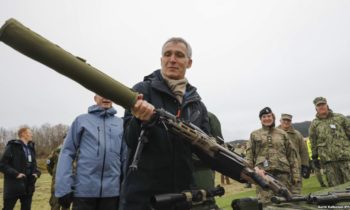
NATO Secretary-General Jens Stoltenberg says he expects Russia to behave in a “professional” manner as the Russian Navy and the Western military alliance both conduct exercises in the same area in waters off Norway’s coast this week.

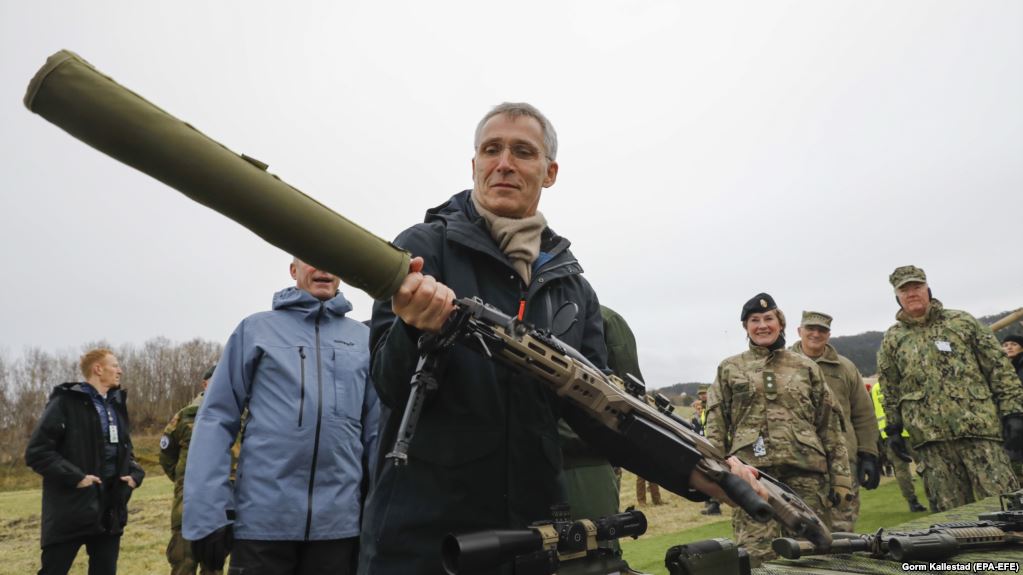
Speaking on October 30 as he attended NATO’s Trident Juncture war games in his native Norway, Stoltenberg reiterated that the alliance was informed last week about Russia’s planned tests of missiles in international waters off the Scandinavian country’s coast from November 1-3.

The missile tests and Trident Juncture exercises — NATO’s largest since the end of the Cold War — come amid persistent tension between the alliance and Russia.

The Kremlin accuses the alliance of provocative behavior near its borders, while NATO has sharply criticized the annexation of Crimea, which Russia seized from Ukraine in 2014, as well as Moscow’s backing of separatists in an ongoing conflict in eastern Ukraine.

Stoltenberg, a former Norwegian prime minister, sought to ease tensions, saying this wasn’t the first time exercises have been held near each other “without creating a dangerous or difficult situation.”

“So, I’m absolutely confident that the Russian forces will behave in a responsible way and act safely as will, of course, the NATO forces,” he added.

The NATO chief also said the alliance will monitor the Russian missile-firing tests, which he said “will not change the plan of our exercise.”

On October 29, a spokesman for Avinor, which operates Norwegian airports and air-navigation services, said Russia had informed it about the three-day missile tests in a so-called NOTAM, a notice to pilots about potential hazards along a flight route.

The spokesman, Erik Lodding, told the dpa news agency that the message was “routine.”

The missile tests are to take place west of the coastal cities of Kristiansund, Molde, and Alesund. The Trident Juncture drills will stretch from the North Atlantic Ocean to the Baltic Sea.

The live-field drills, which Stoltenberg called a “necessary exercise” to “send a strong signal of unity,” are set to run until November 7. They will involve around 50,000 soldiers, 10,000 vehicles, 250 aircraft, and ships from all 29 NATO allies, plus partners Finland and Sweden.

The aim of the exercise, which has drawn criticism from Moscow, is to practice the alliance’s response to an attack on one of its members.

Stoltenberg said NATO had invited observers from member states of the Organization for Security and Cooperation in Europe (OSCE), including Russia, to watch the exercises and will use the NATO-Russia Council to brief Moscow on the drills.

Conversely, NATO has accused Russia of failing to meet its international commitments by lacking transparency about its war games.

Russia held large military exercises called Zapad-2017 (West-2017) in September 2017 in its western regions jointly with Belarus, which borders several NATO countries, and last month conducted massive drills across its central and eastern regions.

Ambassadors from the 29 NATO countries are set to meet Russian officials on October 31 for the first meeting of the NATO-Russia Council since May. The discussions are also expected to cover the situation in Ukraine and the war in Afghanistan.

No details of the agenda have been announced, but an unidentified European diplomat was quoted as saying that Moscow asked for talks on a decades-old nuclear arms agreement between the United States and Russia.

U.S. President Donald Trump earlier this month declared his intention to withdraw from the Intermediate-Range Nuclear Forces (INF) Treaty, citing alleged Russian violations since 2014 and concern that China is not covered by its ban on ground-launched short- and intermediate-range ballistic and cruise missiles.

Russian Defense Minister Sergei Shoigu on October 30 warned that Washington’s withdrawal from the 1987 accord would have “serious consequences” for Europe.

Russian President Vladimir Putin has warned that the U.S. plan could lead to a new “arms race.”
(With reporting by AP, dpa, and AFP)
November 7, 2018 0 comments
0 FacebookTwitterPinterestEmail
Norwegian Aid

Priority given to countries affected by conflict and fragility, humanitarian assistance, and human rights

by Nadarajah Sethurupan November 7, 2018
written by Nadarajah Sethurupan

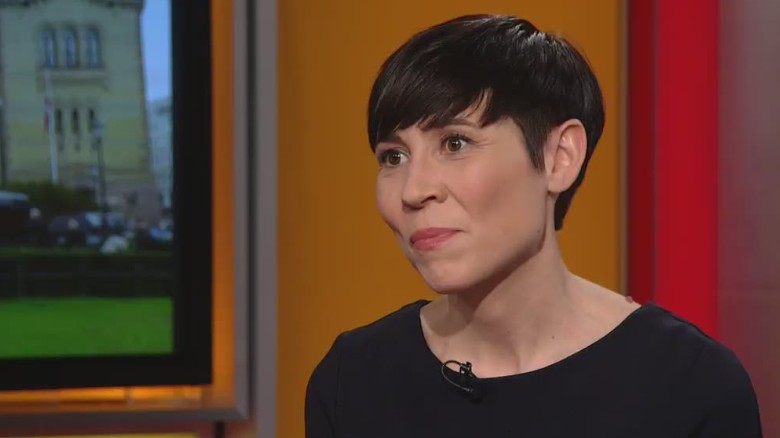
‘International institutions and joint solutions are under pressure. At the same time, global security challenges are becoming more complex. In the 2019 budget, the Government has therefore proposed to increase the allocation to countries affected by conflict and fragility and to people in need, and to step up efforts to promote human rights,’ said Minister of Foreign Affairs Ine Eriksen Søreide.
The need for humanitarian assistance has risen dramatically in recent years. The Government has therefore increased Norway’s total humanitarian aid budget by over 50 % since 2013. The Government has now proposed a further increase of around NOK 250 million in humanitarian funding for 2019, bringing the humanitarian budget to almost NOK 5.4 billion.

The Government has proposed to more than double Norway’s support for countries and regions affected by conflict and fragility, to a total of NOK 706 million in 2019. The purpose of this allocation is to help prevent and de-escalate armed conflicts, and promote more peaceful and inclusive social development.

‘Norway attaches importance to supporting the countries that are most affected by conflict and fragility. If the situation in these countries remains unstable, this can provide a breeding ground for various kinds of threats that can also affect Europe, Norway included,’ said Ms Eriksen Søreide.

In addition, in 2019 the Government will increase its funding for efforts to combat global security challenges in developing countries by NOK 30 million, and support for efforts to promote democratic and economic development in Central Asia and Europe by NOK 140 million.

In the budget proposal for 2019, Norway will increase its support for promoting human rights by NOK 88 million. In total, the various budget items relating to human rights will amount to NOK 680 million in 2019.

‘Human rights are under increasing pressure in various parts of the world. The Government will give priority to strengthening efforts to promote human rights internationally, in line with its political platform,’ said Ms Eriksen Søreide.

Binding international cooperation is vital for Norway’s security, economy and welfare. The UN is the cornerstone of a multilateral, rules-based world order.

‘In order to make sure that the UN is adapted to current challenges and can respond effectively to common global problems, we are actively supporting political and economic reform of the organisation. The Government will increase its efforts to promote UN reform, and has proposed an allocation of NOK 170 million to support the implementation of necessary reforms in 2019,’ said Ms Eriksen Søreide.

The EEA and Norway Grants are intended to reduce social and economic disparities in Europe and strengthen bilateral relations between Norway and the beneficiary countries. The Government has proposed an allocation of NOK 2.8 billion to Norway’s agreement with the EU on the EEA and Norway Grants in 2019.

In the period leading up to 2024, Norway will contribute around NOK 26 billion to the 15 beneficiary countries under the EEA and Norway Grants scheme. Memorandums of understanding (MoUs) have been signed with 13 of the 15 beneficiary countries, and these specify the areas of cooperation with each country. Support for civil society is particularly important, and Norway’s total funding for this area in the period up to 2024 is expected to be just under NOK 2 billion.

The Government has proposed an increase in the Ministry of Foreign Affairs’ total budget to NOK 41.9 billion. Of this amount, 34.6 billion is allocated to the part of the aid budget managed by the Ministry. The rest of the aid budget (NOK 3.2 billion) is primarily managed by the Ministry of Climate and Environment.

(MFA NORWAY)

November 7, 2018 0 comments
0 FacebookTwitterPinterestEmail
Norwegian Aid

World leaders pledge US$1 billion to transform health and nutrition of world’s poorest women, children and adolescents

by Nadarajah Sethurupan November 6, 2018
written by Nadarajah Sethurupan
  • –  Ten new investors—Burkina Faso, Côte d’Ivoire, Denmark, the European Commission, Germany, Japan, Laerdal Global Health, the Netherlands, Qatar and an anonymous donor—have joined since the launch of the Global Financing Facility replenishment. They join existing funders the Bill & Melinda Gates Foundation, Canada, MSD for Mothers, Norway, and the United Kingdom to fund the GFF to improve the health and nutrition of women, children and adolescents.
  • –  US$1 billion pledged to the GFF Trust Fund in Oslo today is expected to link to an additional US$7.5 billion inIDA/IBRD resources for women, children and adolescents’ health and nutrition.
  • –  Burkina Faso reaffirmed its commitment to allocating at least 15% of its annual budget to improve health; Côte d’Ivoire committed to increasing its health budget 15% annually; and Nigeria recommitted to investing US$150 million per year from its budget to sustainably finance health and nutrition of women, children and adolescents.
  • –  US$1 billion will help the GFF partnership on the pathway toward expanding to as many as 50 countries with the greatest needs, to transform how health and nutrition are financed. Alongside other global health initiatives, this can contribute to saving and improving millions of lives by 2030.

The Global Financing Facility (GFF) in Support of Every Woman Every Child today announced US$1.005 billion in contributions from the Bill & Melinda Gates Foundation, Burkina Faso, Canada, Côte d’Ivoire the European Commission, Denmark, Germany, Japan, Laerdal Global Health, the Netherlands, Norway, Qatar and the United Kingdom.

“Today there is great hope that the world’s poorest countries can build healthy, vibrant futures where no woman, child or youth is left behind. The GFF partnership is effective and efficient—working with countries to develop the capacity to build and sustain the health systems their women and children need to survive and thrive,” said Erna Solberg, Prime Minister of Norway and Co-Chair of the Sustainable Development Goals Advocates.

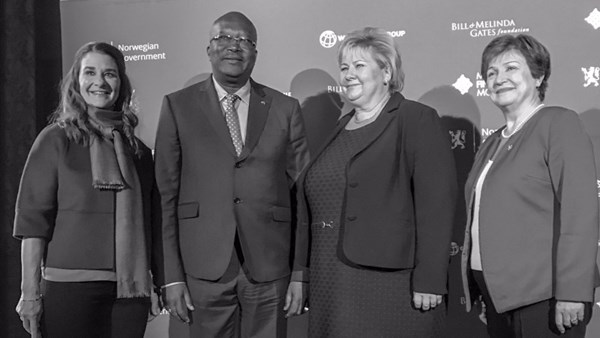
Melinda Gates, Roch Marc Christian Kaboré, Erna Solberg and Kristalina Georgieva. Credit: Arvid Samland/Statsministerens kontor

This will help the GFF partnership on the pathway toward expanding to as many as 50 countries with the greatest health and nutrition needs and contribute to saving and improving millions of lives by 2030.

The GFF is a catalyst for health financing that is helping countries to transform how they invest in women, children and adolescents because for too long, their health and nutrition has been chronically and persistently de-prioritized and underfunded—resulting in the preventable deaths of 5 million women and children every year.

Statement by Prime Minister Erna Solberg at the first replenishment event of the Global Financing Facility (GFF), Oslo 6 November 2018.

It is a privilege to be hosting all of you here today. Thank you for making the time and effort to come to Oslo to take the Global Financing Facility to the next level.

Let me start with a fact that never fails to bring home to me and my government the enormity of the challenge the world faces.

Every year, more than five million women, children and adolescents die from preventable causes.

They die from conditions or situations that we have the ability to prevent or treat. Conditions, which in many countries aren’t seen as life-threatening or life-limiting at all – like childbirth for example.

For me it is impossible to accept that the number of lives lost every single year is equivalent to the entire population of Norway. Five million lives being wiped out, every single year.

And all because these people cannot access basic health services.

This silent atrocity must stop.

And the GFF is playing a vital role in this effort.

Through innovative solutions like the GFF, we are tackling global health and related SDGs head on.

As co-chair of the SDG advocacy group, I keep insisting that the different SDGs are interlinked. Progress on one goal will create progress on others.

Health is the best example: Improving health services will have direct impact on poverty reduction, on gender equality, on education and on economic growth.

And for that reason, the GFF is a priority for the Norwegian government, and indeed the Norwegian people.

A core aspect for me is GFFs ground-breaking approach of maximising the effects of health-investments.

It is an approach that is helping to ensure that every single human being has the chance to survive and the opportunity to thrive.

We are strong believers in the GFFs potential – it is already working with 27 countries, and more will follow.

By expanding the GFF, more governments will build and strengthen the health systems that millions of people rely on for survival.

We are also strong advocates of its guiding principles – principles that have country-ownership and working in partnerships at the core.

That focus on national ownership is key.

Because for long-lasting change to take root and be sustainable, the countries themselves need to be in charge.

To encourage this, we must change the way health services are viewed. We must stop seeing it as a large expenditure in our budgets, and start seeing it as an investment in our people, and thereby in our economies.

We can create positive, sustainable cycles: healthy populations lead to higher economic growth and prosperity. This, in turn, means that more can be invested in improving services such as health and education.

Creating these cycles is how we reach the SDGs.

A failure to invest today, on the other hand, could amplify problems for decades to come and undermine the potential for economic growth.

Ladies and gentlemen. The Global Financing Facility is an important innovative financing mechanism.

It takes a cross-sector approach, addressing health, family planning and nutrition in consolidated national plans. And it is tailor-made for sustainability because it involves countries’ ministries of finance and domestic financing.

Every country needs to invest in a sustainable future for their population. And the GFF encourages just that.

A recent study showed that 2.6 billion dollars from the GFF can mobilise between 50 and 75 billion dollars from other sources, primarily domestic.

This can contribute to saving as many as 35 million lives by 2030.

Together, we are taking important steps towards saving these lives here today. Let’s make sure we succeed.

Thank you all for your support, your efforts and your commitments, and I look forward to the rest of the day.

Thank you.


November 6, 2018 0 comments
0 FacebookTwitterPinterestEmail
Middle East and NorwayTerrorist

Iran Sponsoring Terrorism in Europe – USA Senior Policy Advisor

by Nadarajah Sethurupan November 6, 2018
written by Nadarajah Sethurupan

The Trump administration says it will be relentless with its sanctions against Iran until it’s a “normal country,” but still giving major importers of Iranian oil a chance to continue business without penalties.
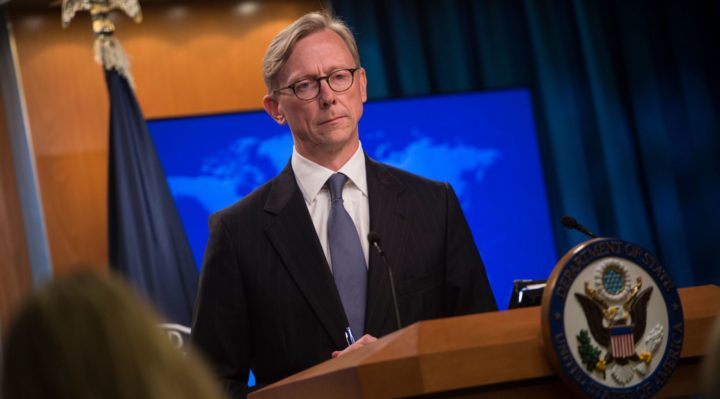
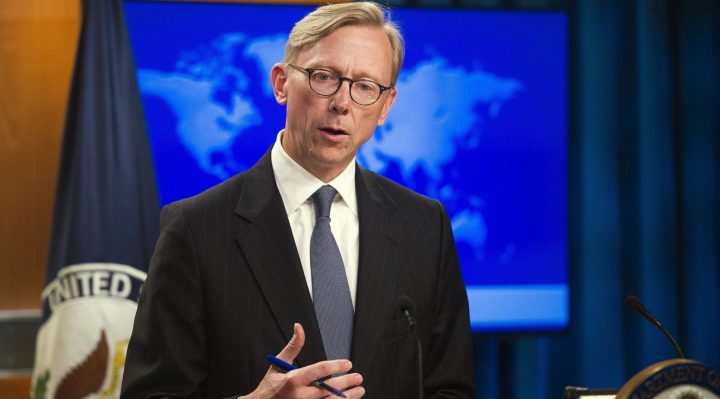
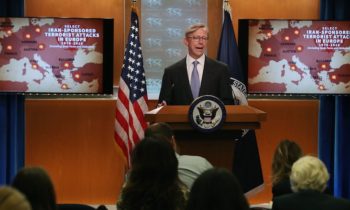
Iran has lost around $2 billion in oil revenue since May, when U.S. President Donald Trump pulled out of the nuclear deal, U.S. Special Representative for Iran, Brian Hook, told reporters on a call on Monday.

In a teleconference with journalists in the region, Brian H. Hook, US Special Representative for Iran and Senior Policy Adviser to Secretary of State Mike Pompeo said the Trump administration’s goal was zero imports of Iranian oil. “We have prepared for this day for the past six months. A million Iranian barrels of oil per day have been reduced from the market. More than 20 countries that previously imported oil from Iran have stopped” doing so, Hook said. “We will impose maximum economic pressure on Iran until it changes its behaviour.”

“We have taken 1 million barrels (of oil) off the market and that alone will reduce the Iranian regime’s oil revenues by $2 billion,” he said.

Brian Hook, Washington’s special representative for Iran, has underlined the risks for European companies, warning that any EU country hosting the so-called special purpose vehicle (SPV) could potentially be sanctioned.

“The United States will not hesitate to sanction any sanctionable activity in connection with our Iran sanctions regime,” Hook told a telephone call with European reporters when asked about the vehicle.

Hook said he did not see a demand from European companies to use the SPV because they preferred to invest in the United States.

“If you look at over 100 corporations that have decided to choose the United States market over the iranian market, they are not looking to avail themselves of any type of vehicle, they are very happy to continue working with the United States, “He told reporters.

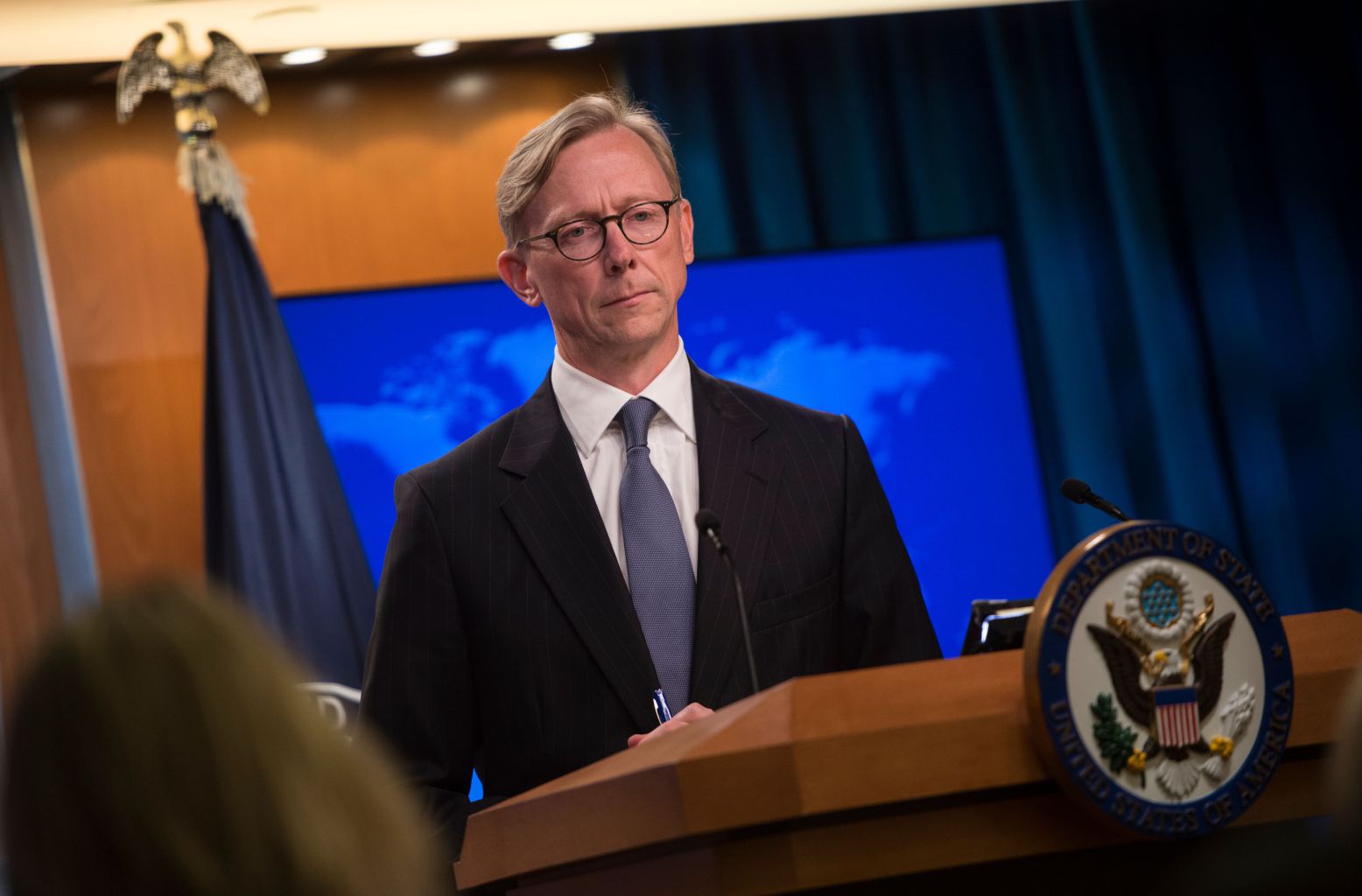
The State Department’s director of policy planning and head of the Iran Action Group, Brian Hook, speaks about the “Iran Action Group” during a press briefing at the State department in Washington, DC, August 16, 2018. – Pompeo said the initiative is aimed at “directing, reviewing and coordinating all aspects of the State Department’s Iran-related activity.” (Photo by Andrew CABALLERO-REYNOLDS / AFP) (Photo credit should read ANDREW CABALLERO-REYNOLDS/AFP/Getty Images)

“In October, an Iranian assassin was arrested in Denmark for plotting an attack against members of a dissident group. And then you also had in June, security officials arrested an Iranian official for plotting to bomb a political rally in the heart of Paris.

Since the Iranian regime has come to power in 1979 it has conducted terrorist plots, assassinations and attacks in more than 20 countries and five continents around the world. And if you look at the report that I mentioned earlier, Outlaw Regime, on the State Department website, we list all of these assassinations and terrorist plots and attacks not only in Europe, but in all parts of the world.

So we have applauded European nations who have taken action against this threat. It is very strange to us to see this Iranian regime would spend so much time trying to keep the Europeans on-side, at the same time conducting bomb plots and assassination attempts in Europe. And it’s important for everybody to understand this is the regime that they’re dealing with, “He told to NORWAY NEWS.

Below is a full rush transcript of a press conference by Brian H. Hook, Special Representative for Iran and Senior Policy Advisor at the Secretary of State.

Mr. Brian H. Hook : These are the toughest sanctions on the Iranian regime that have ever been imposed. Secretary Mnuchin said today it’s the largest-ever single-day action targeting the Iranian regime. And today the Treasury Department has sanctioned more than 700 individuals, entities, aircraft, and vessels.

This marks the reimposition of the remaining sanctions that were lifted or waived under the Iran nuclear deal.

The purpose of these sanctions is to diminish the regime’s capacity to fund its broad range of threats to peace and security. We want to place unprecedented financial pressure on the Iranian regime so that it will ultimately come to the negotiating table and decide that the cost/benefit analysis of behaving like a violent revolutionary regime is no longer in their favour.

The second round of sanctions that have gone into effect focus on critical sectors of Iran’s economy such as its energy, shipping, banking and ship-building sectors. Also insurance services and transactions with Iran’s Central Bank.

I just want to also mention that over the last six months —since the time the President announced he was getting out of the deal- we have allowed corporations and other businesses to unwind their investments in Iran, and that also includes the energy sector. And over the last six months we have taken at least one million barrels of Iranian oil off the market. This is a loss of revenue of more than $2 billion. We have had more than 20 countries that imported Iranian oil prior to May, have now zeroed out their imports because of our sanctions. We’ve also had more than 100 major companies from around the world have withdrawn from Iran or canceled their planned investments. And this is tens of billions of dollars in lost investment.

These are the consequences of behaving like an outlaw regime. The State Department in September released a report titled “Outlaw Regime” that I encourage everybody to take a look at. The Secretary put it out on Twitter and it’s available on the State Department’s website, and it does a nice job of summarizing the range of Iran’s threats to peace and security, and this includes terrorism, terror finance, cyber attacks, maritime aggression, missile proliferation. The list is quite extensive.

Question: Turkey is amongst eight countries granted favor from U.S. oil sanctions on Iran. Could you give us some details on the terms and conditions? And Turkey violated the previous U.S. sanctions on Iran and until now has repeatedly said it will not comply with the U.S. sanctions. How do you plan to find a common ground?

Mr. Brian H. Hook : I last week met with the Deputy Foreign Minister from Turkey. I also had a very good conversation with him the week before. Our diplomats have had very good discussions with Turkey. We did decide to grant an SRE. As is the case with all SREs, we don’t talk about the terms of granting the SREs. We decided to issue a handful. Understand that two of the eight importers have already stopped importing, and there’s a third that will be at zero by the end of the year. So of the eight, there were three that needed a little bit of time to conclude. The biggest challenge we’ve had is ensuring that while we meet our national security objectives we do not at the same time increase the price of oil. That would be bad for the American economy, it would be bad for the global economy, and it would give Iran an advantage if the world were to see higher oil.

So we have taken a very thoughtful approach. We, as I said earlier we’ve already taken off two million barrels, from 2.7 to 1.6. There will be further reductions. We have done a good job during this period of taking off a million barrels of oil. We have at the same time ensured an adequately supplied and balanced oil market.

Iran has been engaging in fear mongering to try to increase the price of oil. I think the analysts who follow this understand that there are strong fundamentals in the oil market, and we have done a good job of balancing national security and economics.

Question: Do you see the EU’s Special Purpose Vehicle as an effort to undermine the U.S.’s maximum pressure campaign? And what message do you have to any European firm that’s thinking of trying to use the Special Purpose Vehicle to continue dealing with Iran?

Mr. Brian H. Hook : We have not seen much, if any, demand for the Special Purpose Vehicle. I think if you take a look at the over 100 corporations that have decided to choose the United States market over the Iranian market, they’re not looking to avail themselves of any type of vehicle. They are very pleased to continue working with the United States. It’s much easier to work with the United States. We have a transparent and open economy. We don’t have an economy that’s run by a revolutionary guard corps. And there’s no reputational risk working with the United States, unlike Iran where if you decide to invest in Iran you’re never quite sure whether you’re facilitating commerce or terrorism. There’s a great deal of reputational risk given that Iran takes the revenues from its dark economy and spends them in supporting Assad, supporting the Houthis, supporting Lebanese Hezbollah, supporting Hamas.

We have now visited over 30 countries, teams from the State Department and Treasury have visited over 30 countries around the world to educate nations on the dangers and the reputational risk of doing business in Iran. We think that message has been very well received. We have seen only support for our sanctions regime and we do not anticipate any significant corporation using a Special Purpose Vehicle.

Question: Last week reports surfaced a Norwegian man of Iranian origin who planned to carry out an assassination attempt in Denmark. This person was arrested last week. Can you comment on activities by Iran on European soil?

Mr. Brian H. Hook : That’s a great question. In October, an Iranian assassin was arrested in Denmark for plotting an attack against members of a dissident group. And then you also had in June, security officials arrested an Iranian official for plotting to bomb a political rally in the heart of Paris.

Since the Iranian regime has come to power in 1979 it has conducted terrorist plots, assassinations and attacks in more than 20 countries and five continents around the world. And if you look at the report that I mentioned earlier, Outlaw Regime, on the State Department website, we list all of these assassinations and terrorist plots and attacks not only in Europe, but in all parts of the world.

So we have applauded European nations who have taken action against this threat. It is very strange to us to see this Iranian regime would spend so much time trying to keep the Europeans on-side, at the same time conducting bomb plots and assassination attempts in Europe. And it’s important for everybody to understand this is the regime that they’re dealing with.

Question: can you explain on the humanitarian trade side, what actions is being taken either via Swift or via other notes from the U.S. authorities, what action is being taken to allow that trade to continue for non-U.S. companies? And secondly, can you confirm that the three civilian nuclear projects that are being exempted in addition to Bushehr, the work on retooling Arak, and Fordow will there be others.

Mr. Brian H. Hook : On the second question, we’ll be releasing a fact sheet on that shortly today.

On the first question, just as was done before, humanitarian transactions to non-designated entities will be allowed to use the Swift messaging system, just as they have done before.

The United States has always maintained broad authorizations that allow for the sale of agricultural commodities, food, medicine and medical devices by U.S. persons or from the United States to Iran, and then we also provide the same exemptions by non-U.S. persons, to non-designated persons in Iran. And we understand the importance of this humanitarian channel because it does help the Iranian people, and we have never targeted humanitarian trade as part of any sanctions regime.

The United States is the largest donor of humanitarian assistance in the world. It would make no sense for us to apply anything other than a robust policy of permission.

The biggest challenge we have is with Iran which historically has diverted humanitarian transactions away from the Iranian people. The Iranian people know through various press reports that they have a history of ensuring that the regime elites receive humanitarian assistance, access to medicines, etcetera. They do not make those available to the Iranian people. The longest-suffering victims of the Iranian regime are the Iranian people. So, they know, the Iranian people know that the regime when it was given over $100 billion in sanctions relief, $1.5 billion in cash, and they chose to spend that wealth on militias and on Bashir Al Assad and terrorism around the world rather than addressing the domestic needs of its own people.

So, we encourage these transactions to take place. Iran needs to create a financial sector that is open and transparent to facilitate those humanitarian sales which are permitted by our sanctions regime.

Question: Whether any countries have applied for waiver exemptions within Europe that were not granted them. I see for one, Spain has not been granted a waiver despite the fact they were importing more crude oil than Greece and Italy, who have been given for much of this time, and if there’s any color you could give around that decision.

And just secondly, very quickly, you reported on Friday that Russia has said it will continue trading oil with Iran. I just wondered whether you had any response to that under their so-called Oil for Goods program.

Mr. Brian H. Hook : The United States will not hesitate to sanction any sanctionable activity in connection with our Iran sanctions regime. That’s the answer to the second question.

On the first one, we’ve had 20 countries, as I said, that have already zeroed out their imports. We have only had to grant a handful of waivers for the reasons I’ve talked about earlier, but we’re very satisfied with the architecture that we have set up. So I can’t say much beyond that.

We have, of the eight, there are only five that are significant. The other three are already at zero, and they’re just finishing up a payment, or they’ll be done by the end of the year.

So most countries, the majority of the countries that import Iranian crude have gone to zero, and our policy, our goal remains getting countries to zero over time, and we’re not looking to grant exemptions or waivers. I talked about the reasons why we did it this time. So we’ll be, over the next six months the significant reduction exceptions are granted for a period of six months, and then when we get to May, we’ll be reassessing where we are with our diplomacy. We’re hopeful that we’ll have a more robustly supplied oil market. Right now it’s adequately supplied. We’ve seen more supply coming on in 2019, which of course puts us in a better position to accelerate our path to zero.

Question: This unprecedented sanction and pressure against Iran did you see any window that you missed for the Iranian authorities to reengage on the regional and with the international community on the matters of concern whether it is nuclear or ballistic activity?

Mr. Brian H. Hook : The President and the Secretary of State have made clear that we are open to negotiations with Iran. The Ayatollah has said publicly that the Iranian regime requires hostility with the United States. They have said on a number of different occasions that they are not, Iran is not seeking talks with us. But we have made it clear, Secretary Pompeo made it clear in May when he listed the 12 requirements that Iran must meet. These 12 requirements reflected the global consensus prior to the adoption of the Iran Nuclear Deal. We’re simply asking the Islamic Republic to behave like a normal country so that it can enjoy the privileges of a normal country. Normal countries don’t terrorize other nations, proliferate missiles and rob their own people blind. This is a dark religious dictatorship that has been imposing enormous suffering for 39 years on the Iranian people. Many of the demands that the Iranian people make are the same demands that we are making.

We would like Iran to get out of Syria. So would the Iranian people. You saw that in the protests in December and January where people were holding up signs saying, “Forget Syria, Remember Us.”

So we think that we have been very clear about the best path going forward. If Iran is willing to start behaving like a normal country and we can get to a new agreement that addresses the entire range of threats that Iran presents to peace and security, then it’s a very positive future for the Iranian people. Full diplomatic relations with the United States, commercial relations. We would welcome Iran into the international financial community.

The problem is that because the regime has behaved like a revolutionary regime for 39 years, the regime, the country has gone through economic and diplomatic isolation for much of its history. That certainly isn’t for the benefit of the Iranian people. They pay an enormous price for the revolutionary behavior of this regime.

So we hope and are confident in our diplomacy, deployment of maximum pressure other than to deny than revenues to fund terrorism and violent misadventures around the world, is to get them to come back to the negotiating table. Historically, that has worked. In the run-up to the Iran Nuclear Deal in the last administration you had a great deal of economic pressure that was put on Iran, and they eventually came to the table. We anticipate the same outcome under the current sanctions regime.

Question: What risks are there for energy markets in EU countries of the results of the sanctions against Iran?

Mr. Brian H. Hook : We don’t see any risk to the energy market because we have, the United States has increased its crude oil production. We’re up by 1.7 million barrels per day. Our exports are up one million barrels. Over the next year U.S. production will increase by one million barrels per day or more. The Saudis have increased production, Iraq, Russia, they’ve all increased production. So we see in 2018, we anticipate that supply will exceed demand, and I think the price at Brent in May is about the same price it is now, which shows that we have been able to take off a million barrels of Iranian crude without increasing the price of oil.

We will ensure, as we continue to take more barrels of Iranian crude off the market that those are replaced with alternative crude supplies to keep the oil market stable and well supplied.

Question: Earlier you described the Special Purpose Vehicle basically as an empty hole. Those weren’t your words, but you described it as something that isn’t gaining a lot of traction on the market.

However, it does seem to be held up as sort of a shiny object in Tehran by those people who argue in favor of upholding the terms of the JCPOA.

So my question to you is, is it actually in the U.S. interest to, are you actually encouraging the Europeans to keep up their work, that way to give the Iranians a reason to not start engaging in nuclear activity? Or put differently, what would you like the Europeans to do differently than they are doing now?

Mr. Brian H. Hook : Whether the Europeans and the other parties to the deal provide or don’t provide economic benefits to the regime under the JCPOA is irrelevant to the broader question of whether Iran should restart its nuclear program. That would be an enormous mistake. If Iran were to do that, then that would presumably end the nuclear deal.

We’ve made our decision to get out of the deal. Other nations need to make their own decisions in their sovereign capacity. We are very much focused on the future, not the past. We are focused on getting a new and better deal, one that does not just address one threat that Iran presents to peace and security, but the range of threats that Iran presents. We think that was one of the mistakes of the Iran deal, was that it was narrow. It was too narrow. And then it gave a green light to Iran to engage in all of the non-nuclear threats to peace and security which Iran has done for the life of its regime.

Going back to your question about the Special Purpose Vehicle, doing business with the regime just gives it revenues. You’re just giving revenues to the number one state sponsor of terrorism in the world. And when you look at the costs of doing business, we see it illustrated by the terrorist activities inside of Europe: in Paris and in Denmark. So we think that it is in Europe’s best interest to take the range of threats that Iran presents with more focus. We know that we share the same threat assessment. We think it’s important for the members of the European Union to take action against Iran’s missile program, which has been proliferating around the Middle East, in Iraq, Syria, Yemen, Lebanon. We’re very pleased to see more than 100 companies that have decided to end doing business with Iran. We think that number will grow. And we will continue to take all the actions that we think are necessary to improve the security of the American people and to put enough pressure on the regime so that it decides to change its behavior.

Question: I wanted to know if the European country hosting the SPV would be talked to by U.S. sanctions? So the headquartering country of SPV, would it be vulnerable to U.S. sanctions? Thank you.

Mr. Brian H. Hook : If an individual or entity engages in a transaction that is in violation of our sanctions regime then, as we’ve said repeatedly, we will sanction sanctionable activity.

We do not anticipate much need for this because we have already seen such enormous support for our way forward. If you are a major European company or if you’re a major company anywhere in the world, you will choose, if you’re given a choice between doing business in the United States and doing business with Iran, it will be the fastest decision you ever make as CEO. So we just don’t anticipate people availing themselves of any kind of vehicle to evade our sanctions regime.

Brian Hook is the U.S. Special Representative for Iran and Senior Policy Advisor to the Secretary of State. Prior to this appointment, he served as Director of the Policy Planning Staff from 2017-2018.

From 2009-2017, he managed an international strategic consulting firm based in Washington, DC. He held a number of senior positions in the Bush Administration, including Assistant Secretary of State for International Organizations; Senior Advisor to the U.S. Ambassador to the United Nations;

Special Assistant to the President for Policy in the White House Chief of Staff’s office; and Counsel, Office of Legal Policy, at the Justice Department.

He practiced corporate law at Hogan & Hartson in Washington from 1999-2003. Before practicing law, he served as an advisor to Iowa Governor Terry Branstad and to U.S. Congressman James Leach.

November 6, 2018 0 comments
0 FacebookTwitterPinterestEmail
Diplomatic relations

UN secretary-general to appoint Geir Peders as Syria envoy

by Nadarajah Sethurupan November 6, 2018
written by Nadarajah Sethurupan

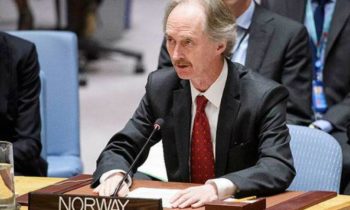
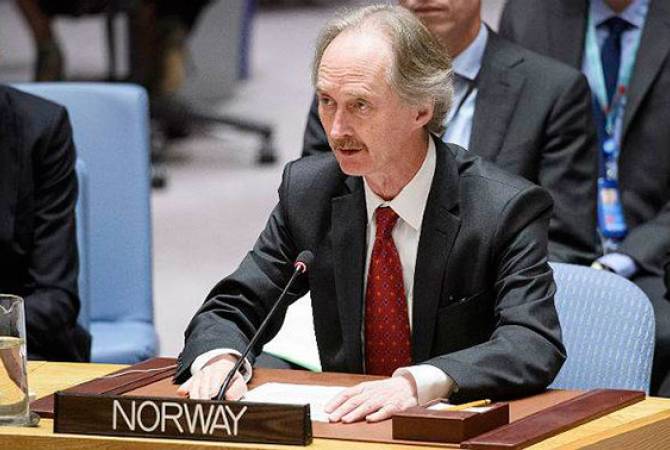
Norwegian diplomat Geir Pedersen will be the new United Nations Syria envoy, U.N. Secretary-General Antonio Guterres told the U.N. Security Council in a letter seen by Reuters on Tuesday.
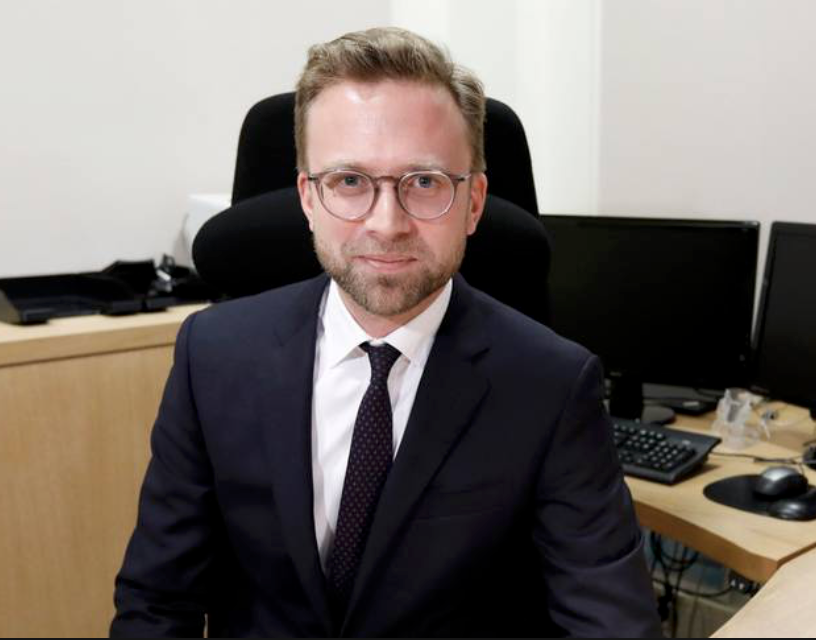
Diplomats speaking on condition of anonymity said Pedersen, now Norway’s ambassador to China, had the informal approval of the council’s permanent five members – Russia, China, the United States, France and Britain, Reuters reported.

“In taking this decision, I have consulted broadly, including with the Government of the Syrian Arab Republic,” Guterres wrote, according to Reuters.

“Mr. Pedersen will support the Syrian parties by facilitating an inclusive and credible political solution that meets the democratic aspirations of the Syrian people.”

Pedersen will replace Staffan de Mistura when he steps down for family reasons at the end of November.

Pedersen has also served as Norway’s ambassador to the United Nations. In 2005, he replaced de Mistura as then-U.N. chief Annan’s personal representative in southern Lebanon.

November 6, 2018 0 comments
0 FacebookTwitterPinterestEmail
Norwegian Aid

Increase of NOK 250 million to humanitarian crises

by Nadarajah Sethurupan November 6, 2018
written by Nadarajah Sethurupan

The Government proposes to increase the humanitarian budget by about NOK 250 million in 2019.
‘Norway will be a driving force for rapid and effective humanitarian efforts. In Syria, Yemen, South Sudan and many other countries affected by conflict, natural disasters and other crises, there is a huge need for help,’ said Minister of Foreign Affairs Ine Eriksen Søreide.

Humanitarian needs in the world have strongly increased in recent years, and the crises have become more long lasting and complex. According to the UN, more people than ever need humanitarian assistance.

‘The Government has executed a powerful commitment to humanitarian efforts. Since 2013, we have increased the overall humanitarian budget by more than 50 %. In 2019 we propose spending almost NOK 5.4 billion to help victims of the world’s humanitarian crises,’ said the Foreign Minister.

Norway is a major donor to many of the greatest humanitarian crises in the world, even those crises that rarely appear in the media. In September 2018, the Ministry of Foreign Affairs signed a four-year agreement with the UN Central Emergency Relief Fund (CERF) for NOK 1.68 billion. The agreement allows the UN to help quickly when new crises emerge and assist so that under-financed crises receive needed funds.

‘Norway is one of the largest donor countries to the Syria crisis. By the end of 2019, the Government will have fulfilled its pledge of NOK 10 billion over four years to Syria and neighbouring countries,’ said Ms Eriksen Søreide.

The Government is concerned that humanitarian aid is used as efficiently as possible to reach as many people as possible with best efforts.

‘Our humanitarian budget will be maintained at a high level also in the years to come. The changes happening in the world mean that we have to think differently about things. As a result, we launched a new humanitarian strategy this August. As part of our budget proposal for 2019, we will follow up on this strategy with concrete measures,’ said the Foreign Minister.

The new strategy for Norway’s humanitarian policy will lay the guidelines for our efforts the next five years. The main priority areas will be protection of civilians, humanitarian innovation and a more comprehensive effort to prevent and reduce future humanitarian needs.

Norwegian humanitarian assistance goes mainly via the UN system, the Red Cross movement and Norwegian humanitarian organizations.

More information – see the government’s humanitarian strategy.

November 6, 2018 0 comments
0 FacebookTwitterPinterestEmail
NATO and Norway

US military equipment stored in Norwegian caves a unique capability – US marine

by Nadarajah Sethurupan November 5, 2018
written by Nadarajah Sethurupan
Norwegian caves packed full of American military equipment, ammunition and vehicles provide a unique capability that is more important than ever, a senior US Marine has said.
Billions of dollars worth of kit has been stored in a series of fortified caves in undisclosed locations as part of an agreement between the US and Norway that is more than three decades old.

The bilateral arrangement between the two countries sees the millions of dollars a year bill for upkeep split between them, with Norway keeping the contents in good working order.

Major General Dave Furness, the commanding general of the US Marine Corps 2nd Marines Division, said having prepositioned equipment, either in caves or on ships, allows for speed of assembly.

“It is a unique capability – the Norwegians take really, really good care of all the equipment. It is all in first class shape,” he said.

“So not only do you not have to move it, it is here, it works and it is readily accessible.”

Asked whether the equipment-stocked caves are a capability that is more vital than ever in the face of a resurgent Russia, he said they were “reconstituted” several years ago after kit was taken out during the campaigns in Afghanistan and Iraq.

“It allows us to quickly assemble a force here that can reinforce the Norwegians or deter a potential aggressor,” he said. “I think that is as important now as ever.”

With three separate cave sites, he said there is enough equipment to stand up a Marine Expeditionary Brigade – which could comprise more than 9,000 personnel.

They are currently taking part in Exercise Trident Juncture, which involves more than 50,000 troops, 65 ships, 10,000 vehicles and 250 aircraft from all 29 member states of the alliance and partners.

Beginning last week, it is taking place in Norway – a country which shares a border with Russia – and comes amid rising tensions between the Kremlin and the alliance.

Lieutenant Colonel Joe Moye said half the equipment being used by the 2nd Marines Division has been taken out of the caves for Nato’s biggest military exercise since the end of the Cold War.

He described the cave complex as a “warehouse inside a mountain”, with no bare rock showing and that simply looks like an unassuming mountain on the outside.

The battalion and combat logistics commander said that as well as working with allies, they are also using Trident Juncture to understand how to use those supplies and generate a force.

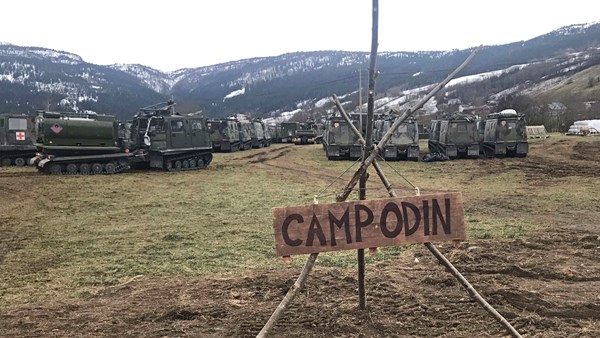
Maj Gen Furness was speaking from Camp Odin, named by the Norwegians after the most powerful Norse god, which acts as the 2nd Marines Division headquarters or tactical assembly area.

With more than 1,100 Marines and 600 vehicles under his command during the exercise, the troops, who live and work in a mass of tents, are sent out to nearby strategic positions.

Based around a fictitious attack on Norway’s sovereignty, resulting in Article 5 of the North Atlantic Treaty being triggered, Trident Juncture is testing Nato’s collective capacity and capability to respond.

Maj Gen Furness said they are there to show “we can get here, deploy quickly, assemble a force and be a credible deterrence against any Article 5 violation in the Nato region”.

He said the large exercise helps them understand complexity of scale, and is good for the young marines to learn how to work and operate in a cold environment, a skill he said is “critical” to gain.

“We have to be good at fighting across the globe,” he added.

Hospitalman Amir Shaheed, 22, from Maryland, has been in the US Navy for four years and is attached to the 2nd Marines Division.

Asked if he has found the exercise beneficial so far, he said: “I feel like my skills have definitely been tested, and I have used everything I have been taught over the years.”

Corporal Bradley Teague, 21, who is originally from Tennessee, in the US, said that the weather in Norway was “constantly changing” – which can be a challenge.

“It is a different experience from home,” he said as rain lashed down. “It goes from wind, to freezing temperature, to sunshine and then there’s the mud.

“But it is fantastic, it is great being in a different country, especially Norway.”

His troops will take part in a simulated seizure of the town of Oppdal and the surrounding area on Thursday, as Spanish and Italian forces counter their attack.

November 5, 2018 0 comments
0 FacebookTwitterPinterestEmail
Environment

Dramatic increase in funding for efforts to combat marine litter

by Nadarajah Sethurupan November 5, 2018
written by Nadarajah Sethurupan

‘Norway is playing a leading role in the global efforts to promote clean and healthy oceans. The oceans are being filled with waste, and we must put a stop to this before it is too late. That is why we have launched a development programme to combat marine litter, and in the budget for 2019 we have proposed an increase of NOK 400 million for efforts in this area, an increase of NOK 250 million from the 2018 budget,’ said Minister of Development Nikolai Astrup.

Marine litter is one of the biggest environmental problems of our time. Every year, around eight million tonnes of plastic end up in the oceans. The plastic does not disappear, and it is highly damaging to marine life.

‘Some 80-90 % of marine plastics come from land-based sources. This is because many countries have inadequate waste management systems. It is therefore vital to develop waste management systems in developing countries, increase awareness about the issue of marine litter, and facilitate effective clean-up programmes. The Government’s ambition is to allocate NOK 1.6 billion over the next four years to this area, with a view to ensuring a long-term perspective and lasting results,’ said Mr Astrup.

The development programme on marine litter is a key element of the Government’s ocean efforts, and is an important Norwegian contribution to the global efforts to ensure clean and sustainable oceans.

‘Norway has worked to ensure that the prevention of marine pollution, including marine plastic litter, is included as a key theme  in the World Bank’s new multi-donor Problue Trust Fund. The Government has provided NOK 125 million to the Fund in 2018. Various countries have together pledged a total of around NOK 600 million to the Fund. The Problue Trust Fund will play an important role in helping countries to reach the SDGs and achieve the goal of eliminating marine litter,’ said Mr Astrup.

( https://www.regjeringen.no/en/aktuelt/marin_litter/id2613686/ )

November 5, 2018 0 comments
0 FacebookTwitterPinterestEmail
NATO and Norway

International observers visit exercise Trident Juncture 2018

by Nadarajah Sethurupan November 4, 2018
written by Nadarajah Sethurupan

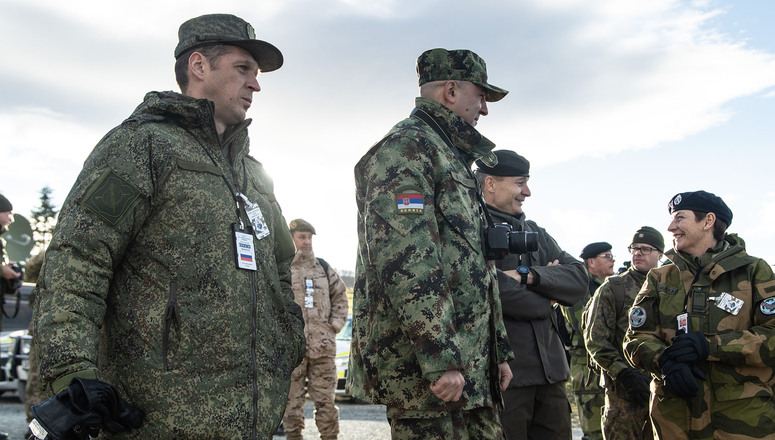
Military observers with the Russian Federation, left, and Serbia, center, watch a demonstration during Exercise Trident Juncutre 2018. Both Russia and Serbia are members of the Organization for Security and Cooperation in Europe, and they observed Trident Juncture at the invitation of NATO.

Observers from member nations of the Organization for Security and Cooperation in Europe (OSCE) are witnessing NATO’s largest military exercise since the end of the Cold War, Trident Juncture 2018, which is currently taking place in Norway.

Trident Juncture 2018, involving 50,000 troops from more than 30 nations, will certify the NATO Response Force for 2019. Under the OSCE Vienna Document on military transparency, exercises must be notified to OSCE member states 42 days in advance if exceeding 9,000 troops, and observation is required starting at 13,000 troops.

“All members of the Organisation for Security and Cooperation in Europe have been invited to send observers to the exercise, because NATO Allies respect the letter and the spirit of our international commitments. So Trident Juncture is not only a great example of NATO’s strength, but also of NATO’s transparency,” said the NATO Secretary General Jens Stoltenberg.

Observers are provided with briefings on the exercise, opportunities to observe forces and speak to troops, and aerial overflight of the area of military activity. Twenty observers from thirteen OSCE countries – Austria, Belarus, Canada, the Czech Republic, Germany, Finland, the UK, the Netherlands, Serbia, Russia, Sweden, Ukraine and the United States – also participated in the exercise’s Distinguished Visitor’s Day on Tuesday (30 October 2018).

In a separate programme, NATO has invited observers from partner nations to the exercise, including Sweden, New Zealand, Serbia, Azerbaijan, United Arab Emirates, Algeria and Switzerland.

NATO strongly supports efforts to build confidence and transparency on military activities and exercises. International rules on military exercises are respected in full, and NATO regularly updates its schedule of military exercises online.

(NATO)

November 4, 2018 0 comments
0 FacebookTwitterPinterestEmail
Environment

More than a billion kroner for renewable energy

by Nadarajah Sethurupan November 4, 2018
written by Nadarajah Sethurupan

‘The lack of access to energy is still a barrier for international development. The Government has therefore increased its grants towards renewable energy from NOK 570 million in 2018 to more than NOK 1 billion in 2019. In addition, we are stepping up our support to Norfund’s (Norwegian Investment Fund for Developing Countries) investments in renewable energy.

The proposed increase means support for renewable energy would more than double from NOK 495 million in 2017 to more than 1 billion in 2019. This is in line with the Government’s pledge in the white paper on international development policy from 2017 (Meld. St. 24 (2016-2017)).

‘A stabile electricity supply is important in order for developing countries to reach their sustainability goals within 2030. Electricity is not just a prerequisite for economic growth. It is also crucial for operating health institutions, for schools to be a part of digital developments, and so that students can do their homework at night. We must ensure that we reach the world’s poorest through our energy initiatives. This means, for example, that Africa will be a very relevant region,’ said Mr Astrup.

Norway is world leading within energy management, energy markets, hydropower, solar power and offshore wind power. Norway’s expertise and industries within these areas are sought after internationally. These advantages should be utilised to reinforce development efforts in the area.

The Minister of International Development has close dialogue with Norwegian companies and expertise-based communities engaged in developing countries.  These groups point to a demanding risk picture as the biggest obstacle for investments and increased engagement in developing countries. The industry highlights in particular that the lack of risk mitigation measures, such as guarantees, limits the possibilities for investing in developing countries.

‘We want the most development effect out of every krone we invest. But we also know that energy markets are in a volatile period. Going forward, we must therefore evaluate whether there is a need for new funding models for renewable energy in developing countries. Irrespective, we will actively use our assistance towards risk mitigation measures by, among other things, supporting the build up of regulatory competence in developing countries and expanding the electricity grid,’ said Mr Astrup.

On top of the NOK 1 billion increases for renewable energy comes the contribution towards Norfund. In the international development policy white paper, the Government pledged to increase its contribution to Norfund by 50 % within the next parliamentary term. The 2018 Government budget increased the capital contribution to Norfund by NOK 187.5 million and will be increased by a further NOK 187.5 million in the 2019 budget. In total, NOK 1.875 billion in new assets will be transferred to Norfund in 2019.

‘Norfund fulfils the criteria that roughly half of added capital should be renewable energy investments. This makes Norfund an important supplement to the Government’s funding for renewable energy,’ said Mr Astrup.

( https://www.regjeringen.no/en/aktuelt/renewable_energy/id2613723/ )

November 4, 2018 0 comments
0 FacebookTwitterPinterestEmail
Terrorist

Norway summons Iranian ambassador over alleged murder plot

by Nadarajah Sethurupan November 3, 2018
written by Nadarajah Sethurupan

The Norwegian government has summoned the Iranian ambassador over a suspected assassination plot in Denmark. The plan is said to have involved a Norwegian citizen with an Iranian background.
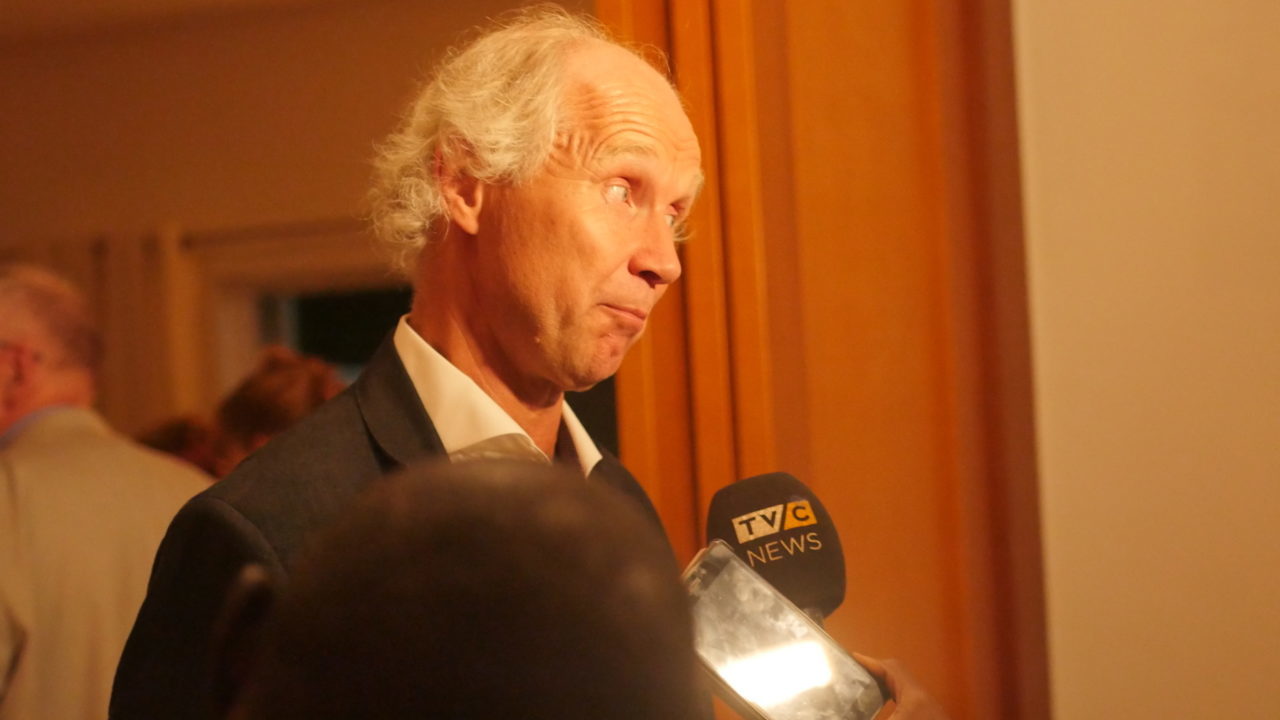
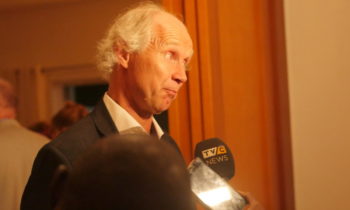
Norway summoned Iran’s ambassador to Oslo on Thursday to register concern over a foiled plot to carry out attacks in Denmark.

The alleged attack was intended to target a leader of the Danish branch of the Arab Struggle Movement for the Liberation of Ahvaz (ASMLA). An Iranian-born Norwegian citizen is currently being held in pre-trial detention in connection with the plot.

Foreign Minister Ine Eriksen Soreide said Iranian Ambassador Mohammad was informed “that we look at the case with great concern.”

“During the meeting we underlined that the activity that has come to light through the investigation in Denmark is unacceptable,” Soereide said in a statement. “We see the situation that has arisen in Denmark as very serious and that a Norwegian citizen of Iranian background is suspected in this case.”

The Norwegian citizen, who was arrested by the Swedish security service Sapo, has denied all charges and Iran has dismissed the accusation that it was involved.

According to the Danish security service PET, three members of AMSLA are still under police protection because the “threats have not been eliminated.”

November 3, 2018 0 comments
0 FacebookTwitterPinterestEmail
Africa and Norway

Nigeria, Norway seek stronger ties as trade hits $30 billion

by Nadarajah Sethurupan November 2, 2018
written by Nadarajah Sethurupan

With Nigeria being Norway’s largest trade partner on the continent, both economies have stressed the need to strengthen the bilateral ties even further.Indeed, both economies with apparently the same Gross Domestic Product (GDP) size believe that fresh investment opportunities abound for both countries to be explored as trade volume between both countries stood at $30 billion.
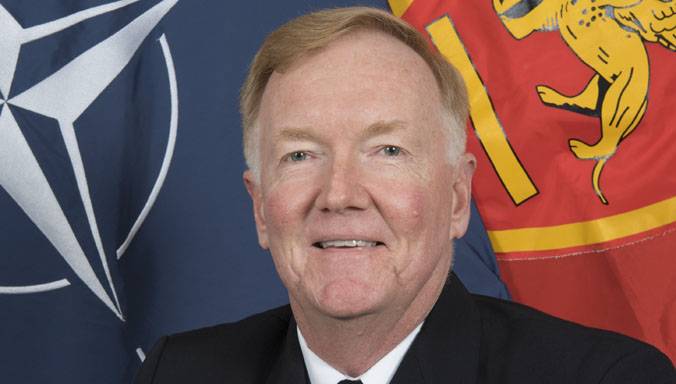

The Norwegian Ambassador to Nigeria, Jens-Petter Kjemprud, explained that there is a lot both countries can do together, pointing out that Norway is currently making plans to increase investments in Nigeria’s oil and gas industry with focus also on the power sector.

The Ambassador at a stakeholders’ meeting to present and promote the investment opportunities and incentives in Norway for prospective Nigerian investors in Lagos, advised that Nigeria’s manufacturing sector can only be competitive globally if the sector gets stable and cheap power supply.

According to him, “Nigeria needs renewable energy to take root in the country and incentivize investments.“The power sector needs to be regulated and organised to attract investments. There are huge investment opportunities in the power sector and there is also need to secure these investments.”He tasked the managers of the Nigerian economy to deploy the use of technology in all sectors of the economy to achieve accelerated economic growth.

Also speaking at the event, the Chairman, Nigerian Norwegian Chambers of Commerce (NCNN), Chijioke Igwe, said the primary objective of the chamber is to grow the volume of business-to-business interaction between Nigeria and Norway, maintaining that the forum explores ways on how best to tap into the resilience and discipline of the Norwegian economy.

In his words, “The chamber cuts across all industries and we are looking at creating an enabling environment for businesses in Nigeria and Norway to interact and develop projects to the benefits of both sides of the divide. We have put together a group of professionals across different sectors to engage the government on impact of policies on the economy, because most of the times, the government does not have a clear understanding of the impact of their policies on the business environment.”

The Chief Executive Officer, Marine Platforms and Consul General of Norway, Taofik Adegbite, said Nigeria must harness the technology of Norway to fast-track rapid growth and development, stating that the forum would give Nigerian businesses the opportunities to interact with key stakeholders of the Norwegian economy while also developing Nigerian businesses which he said are in dire need for technological development.

Adegbite, said Norway should also tap into massive opportunities in Nigeria in terms of technology, training of youths and power sector, among others.He however enjoined Nigerian Government to create a business friendly environment and encourage private investors to operate vessels in the maritime sector.On the side lines, the Director General, Lagos Chamber of Commerce and Industry (LCCI) added that most of the policies of the federal government are not State specific, pointing out that the federal government must create the enabling environment and put the right policies and institutions in place to achieve an all inclusive economy.

Regional Director for Middle East and Africa, Innovation Norway, Ole-Johan Sandvaer said: “We are a country of pioneers; we are explorers and we are known for that. We are mainly connected to the sea. We want to be known as pioneers also when it comes to sustainability in industrial development. That is why we invite any country and investors in this line to come to Norway.”

(guardian.ng)

November 2, 2018 0 comments
0 FacebookTwitterPinterestEmail
NATO and NorwayNorwegian American

We’ll deal with it, we’ll work around it – Admiral James G. Foggo

by Nadarajah Sethurupan October 31, 2018
written by Nadarajah Sethurupan

Russia, irked by the largest NATO-led exercise in decades occurring in and around Norway, has announced plans for its own drills, to include missile launches, in areas overlapping with where the Western alliance is training.

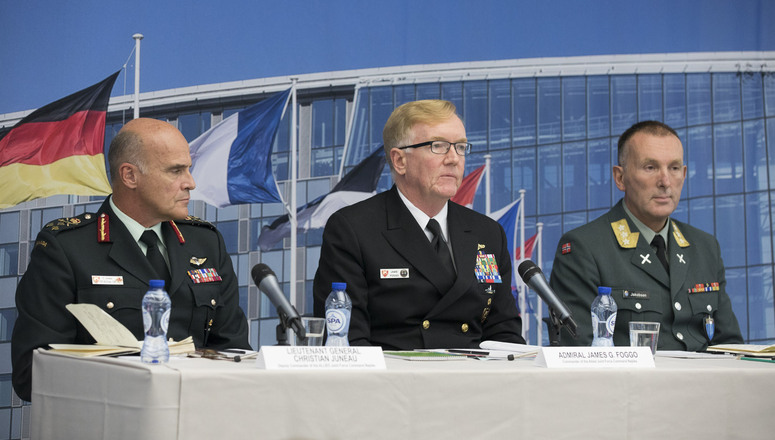
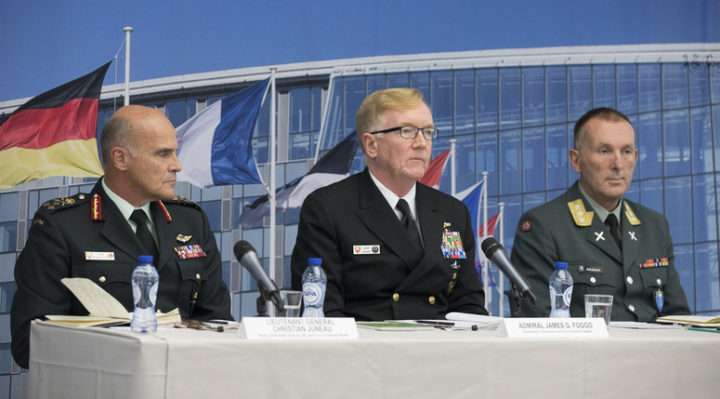
Admiral James G. Foggo , Commander, U.S. Naval Forces Europe has downplayed the provocation, acknowledging that Trident Juncture has given us an opportunity to test our capacity and capability to respond to a collective defense scenario here in Norway.

“We’re doing all this is in rather wet, cold, snowy and tough weather conditions which really stresses and challenges the force. Russia has indicated an intent to establish a warning area in international waters off the coast of Norway, As far as we’re concerned, this is something that is not abnormal. It is in international waters. These things are called “notams” notice to mariners to let people know that there may be some kind of military activity in that space. We’ll deal with it, we’ll work around it. We have no particular issue with that. When we do exercises we lay down the same kinds of areas” admiral James G. Foggo said.

On Oct. 30, 2018, the Main Air Traffic Management Center of Russia issued a Notice to Airmen, or NOTAM, alerting civilian aircraft to ‘rocket test firings’ between Nov. 6 and Nov. 9, 2018, in an area of the Barents Sea north of Norway. This came a day after a similar notice emerged covering a zone further south in the Norwegian Sea and lasting from Nov. 1 to Nov. 3, 2018. Both areas are in international waters, but share space NATO had designated for its sprawling exercise, known as Trident Juncture, the live-fire portion of which runs through Nov. 7, 2018.

Below is a full rush transcript of the press conference by Admiral James G. Foggo , Commander, U.S. Naval Forces Europe & U.S. Naval Forces Africa

Admiral Foggo: Thank you very much. Ladies and gentlemen, media, thank you for your interest in Trident Juncture and NATO.

Let me just give you a quick overview of where we are. We’re about halfway through the LiveEx portion of NATO’s Exercise Trident Juncture 2018. Trident Juncture has given us an opportunity to test our capacity and capability to respond to a collective defense scenario here in Norway. So Norway’s sovereignty has been violated and under Article 5 in the NATO Charter they have asked for our assistance. We’re doing all this is in rather wet, cold, snowy and tough weather conditions which really stresses and challenges the force.

We’ve brought together almost 50,000 soldiers, sailors, airmen and marines from the 29 NATO nations — all the Allies — and two partner nations, Sweden and Finland. And we’re very happy to have the Swedes and the Finns with us, especially because they’re used to this cold weather environment.

I think Trident Juncture illustrates that NATO is a very relevant organization, flexible and responsive, and we are united and we are strong. We’re ready to defend the borders of the core members of the Alliance.

At the very focal point or core of this exercise we’re testing our spearhead force, the Very High Readiness Joint Task Force which was instantiated at a NATO Summit a couple of years ago. We have about 8,000 personnel involved in that Task Force. I have visited their headquarters and spent time with the [chairman] brigade commander who was under a land component commander, a Dutch three-star general, General [Vanderline]. We’re learning a lot of lessons learned about how to get some place quickly and set up our capacity and capability to deter and defend.

Today I was out on USS Iwo Jima. Tomorrow I will head up to the Bodø Air Base in Norway, and I’ll try to get out to sea and see some of our striking and supporting forces pending the upcoming weather in the next few days. I’ll be here for another week.

We had a wonderful DV demonstration yesterday. You probably saw that broadcast on the internet. NRK, one of the local channels, had a very high resolution camera so it’s 43 minutes and it’s fantastic if you have the time to review it. I was with Secretary General Stoltenberg and Deputy Secretary General Gottemoeller and the permanent representatives or the ambassadors of the Alliance nations and chiefs of defense of the Alliance nations and I think everybody was overwhelmingly supportive of the demonstration of NATO’s unity and NATO’s strength.

So I’ll stop right there and turn it over to your questions.

Question: Can you describe Ukraine’s participation in Trident Juncture 2018?

Admiral Foggo: As you know, Ukraine is not a member of NATO and the two partner nations that are participating with forces on the ground here during LiveEx are… We do have a plan to shift from the LiveEx phase in the field to the Command Post Exercise phase at my headquarters in Naples, Italy about a week after we terminate operations here.

The Command Post Exercise will prepare us for the qualification to be NATO’s response force for 2019. We currently have two Joint Force Headquarters that are fully manned — one in Naples, one in Brunssum. Brunssum is the NRF for 2018. If certified we will become the NRF for 2019. We have SHAPE, Supreme Headquarters Allied Powers Europe, monitors on site. We have NATO mentors on site. And we have the entire headquarters and the components involved in this tabletop exercise which will go on for the better part of ten days. Ukraine is part of that with staff officers, so that is their contribution and they’ll have an opportunity to see and learn from the rest of us as a Partnership for Peace nation.

Question: Can you tell us more about reports of rockets Russia is expected to fire off the Norwegian shore, again, according to reports, and what reaction has there been from Russia concerning this exercise of NATO so far?

Admiral Foggo: I think the Secretary General, Jens Stoltenberg, treated this question very well yesterday.

Russia has indicated an intent to establish a warning area in international waters off the coast of Norway between the 1st and the 3rd of November, and it could be used, this warning area, an area could be used for some kind of a demonstration of a weapons test, but we’re not sure. To be sure, I’d recommend you ask the Russians.

As far as we’re concerned, this is something that is not abnormal. It is in international waters. These things are called “notams” notice to mariners to let people know that there may be some kind of military activity in that space. We’ll deal with it, we’ll work around it. The Secretary General shares my view in that we expect that if Russian forces are going to use this area for any kind of a demonstration that they do so peacefully and professionally, as we would do if we were in similar circumstances.

Question: Thank you very much. for years the Finns were rather negative to cooperate with NATO and also not exactly keen to do so. Now both Scandinavian nations are participating. Is it because of Russia? Is it because of changed environment? And how seriously they are involved? And what do you think about their plans to increase cooperation with NATO?

Admiral Foggo: To truly answer your question, the question itself on why the Finns are more disposed to work as partners with NATO now versus years ago, probably that deserves to be asked of a Finn, or in the case of the Swedes.

I can tell you, however, I am delighted that the Swedes and the Finns are with us. They are not members of NATO, they are partners, but they have very effective joint military forces. I’ve worked with them before in BALTOPS in 2015 and 2016. I’ve done amphibious landings in Utö, in Ustka in Poland, and Hanko in Finland. I know many of their officers. I stopped in Finland before I came here for the commencement of Trident Juncture. I met with their CHOD, General Jarmo Lindberg who is a fantastic guy. He was with me yesterday during the DV day, and I also spent time in the last two months in Sweden with the CNO, Jens Nykvist who I’ve known for many years throughout BALTOPS and through my current assignment as JFC Naples.

Both forces extremely professional, extremely capable. Modern equipment. They integrate well with us. They are here and they’re doing a great job.

And I think what that does is it sends a message of deterrence to anybody who might want to bother those countries, and I have no particular country in mind when I say that. I say that they are honing their skills for the defense of their territory and that of their interests in the Baltic, and we’re very happy that they’re with us.

Question: I want to go back to the recent announcement on the missile training areas. They indicated another area as well today up in the north, off the coast of Finnmark. My question is whether there is a an allied force, specifically having in mind that the U.S. carrier Harry S Truman is also in the area. Does that pose a specific security challenge for both the exercise and for the forces? Thank you.

Admiral Foggo: On the “notam” or the intent to conduct missile training, again, those are in international waters, whether it be off Trondheim or further up north. So there is no particular issue. We have no particular issue with that. When we do exercises we lay down the same kinds of areas.

As far as any impact on our training, our ability to get our objectives and our goals conducted in Trident Juncture, absolutely minimal impact. And as far as any security concerns of USS Harry S. Truman, that is a very powerful aircraft carrier. We like to say 90,000 tons of diplomacy. An air wing of almost 70 aircraft. Very strong fighter aircraft with long range weapon systems capability to surveillance aircraft. They are able to get airborne and see the picture, the common operating picture for hundreds of miles around, to refuelers and to electronic countermeasures aircraft, and to helicopters to provide support, sustainment and movement ashore, back and forth.

So no impact whatsoever on what we’re trying to do here.

Question: What is the performance of the Greek forces and more specifically the four F-16s of the Greek Air Force so far at the exercise?

Admiral Foggo: I’ve got a great relationship with the Greek CHOD, Admiral Postalakis. I want to just say hello to him from up here in Norway. Also across your joint force to your Chief of Air Staff. Thank you for sending the four F-16s up here.

I was elated yesterday in bright blue skies off the coast of Trondheim when two of the F-16s came overhead, escorting the NATO AWACS aircraft. It was during the beginning opener of the show, and I was sitting with the Secretary General. We both looked up and saw those aircraft. So they’re obviously airborne, they’re conducting their mission and they’re doing a great job. Thanks for that.

Question: Article 5 has only ever been invoked once in NATO’s history. With that in mind, is an exercise of this scale worth the time and money and why now?

Admiral Foggo: I’m glad that you brought up the fact that Article 5 has been invoked before. That time was after 9/11 and the NATO Alliance came to support and defend the interests of the United States of America when we were attacked during 9/11 by violent extremist organizations. NATO has continued to support us throughout and we’re very grateful for that as qualified members of the
Alliance.

Now is Article 5 relevant? Seventy years in the alliance, Article 5 has been used once. I think that is a testament to the strength and the power of the alliance because we have deterred any other adversaries out there from taking any measures against any one of the now 29 members of the alliance.

As far as Trident Juncture is concerned and its connection to Article 5, because this is an Article 5 scenario, an exercise scenario where we use fictitious names. It’s for the defense of Norway, which in this exercise has had its sovereignty violated.

So it’s important for us to demonstrate our capacity and our capability and our military mobility. In other words, in order to deter, you must be present. In order to be present, you have to move large numbers of equipment and personnel very quickly. You have to be agile and flexible in the field.

So if you look at the report card on the 28th of October when the RSOM occurred, which is the receipt and support and onward movement of personnel, with 50,000 people here in this country. That was a huge success. We brought with them 10,000 tracked or rolling vehicles; 250 aircraft; over 65 ships. That’s a big lift. So we proved that we could get there quickly. The Very High Readiness Joint Task Force is here — 8,000 personnel who are out in the field maneuvering against real forces, live forces right now.

So there’s a very strong message there that NATO can move all this equipment, the equivalent of seven brigades, in 30 days. That’s impressive and in and of itself sends a very strong message. It’s relevant to Article 5. It’s worth the expenditure. It’s an incredible training value and it has visibility throughout the entire alliance and with all the media coverage we’ve been getting it’s got visibility around the world, thanks to you guys.

Question: First of all, could you uncover please, do the member states of NATO somehow coordinate their activities of their underwater fleet with the Russian submarines in the Mediterranean Sea? I mean near the coast of Syria in order to avoid the incidents and crashes?

can you confirm the fact that some time ago British submarine wasn’t able to hit the target in Syria due to some escort of Russian submarines?

Admiral Foggo: As far as the question goes on the operational issues associated with water space management, that’s something that I don’t normally get into. Certainly there has been a step increase of submarine presence in the Mediterranean. This is my fifth European assignment. During my first assignment as the Commander of Allied Submarines South and the Commander of Submarine Group 8. So allied submarines for NATO, Submarine Group 8 for the United States of America in Naples, Italy. I was a one-star admiral and that was a great job. There were no Russian submarines in the Mediterranean at that time.

I had one opportunity in Cartagena in Spain to do a submarine rescue exercise where units from the Turkish Navy, a Turkish submarine, the U.S. Navy Deep Submergence Rescue Vehicle and a Kilo Class submarine, a Russian submarine from the Black Sea came out and participated in this submarine rescue exercise. That that was 2011-2012. All that stopped in 2014 with Russia’s illegal annexation of Ukraine.

During my time as 6th Fleet Commander from 2014 to 2016, I was a three-star and I had responsibility for Naval Forces in the Mediterranean and in other bodies of water around Europe. I saw the stepped increase of six additional Kilo Class submarines in the Black Sea and in the Med. So there’s two operating in the Med right now, four in the Black Sea. That’s a huge increase. And they carry the Kalibr missile which I’m very interested in. It’s a capable weapon system and from where the Russians operate it’s capable of targeting any capital in Europe. Do I think they’ll do that? No, I don’t, because I think that the NATO Alliance operates from a position of strength.

So it’s important for us to know where those submarines are at all times, and that’s one of the things in my job description as the Commander of Naval Forces Europe and Africa, and also as the Commander Joint Forces Command, Naples.

On the second question, I have no idea. I can’t comment on that.

Question: How satisfied are you with the contribution of Montenegrin soldiers, in particular given that Montenegro joined NATO a little more than a year ago?

Admiral Foggo: Let me just say that I was down in your country, in Montenegro, and I met the leadership and the Minister of Defense. Fantastic people. I congratulated them on or about the time of their one-year anniversary of NATO membership, and then arranged for an opportunity for them to see NATO firepower at its best, and we took them out to the aircraft carrier USS Harry S. Truman. I had the strike group commander do a birthday cake for the Montenegrins to celebrate their one-year birthday of NATO membership.

The team out there on the Harry S. Truman did a fantastic job and I think the leadership of the Joint Force and the Ministry of Defense of Montenegro really got a good experience out of that. And really felt welcome in the Alliance, in one of the most powerful weapon systems that we can bring to bear, the U.S. carrier strike group.

That said, as I’ve traveled around here in the last few days, I’ve run into a lot of Montenegrin flags on uniforms. I was down at the [RAFE] Brigade, that’s the Italians, and I went to see Brigadier General Ristuccia down south, a very cold part of Norway. He was there with almost 200 Italian soldiers and many others from many other nations including Montenegro. Montenegro was playing a part in the intelligence, surveillance and reconnaissance unit with the [RAFE] Brigade. They’re very enthusiastic to be there.

It’s funny that you asked me this question because just yesterday before we got into the demonstration of NATO capabilities on the beach with the Secretary General, I walked him through several static displays. We had tanks, we had Howitzers, we had snipers’ rifles, we had rocket launchers, we had medical assistants, we had trucks and heavy equipment for moving earth or moving snow as the case may be, and we had a logistics tank to show him how we got all this stuff here to Norway, a country of his origin where he was Prime Minister for ten years. And as he was walking around he saw a Montenegrin flag on a uniform and he made a point of going over to talk to that soldier, and that soldier was a medic. They had a great conversation and he congratulated him for his one-year anniversary. Said thanks for being here. Asked him how it was going. And the Montenegrin soldier said hey, it’s pretty cold here. The SecGen goes well, I’ve been to your country. It can be pretty cold there too. So they both came to an agreement that climate can be an important part of what we do out here in the field.

I think the Montenegrins are doing great. I congratulate them on their membership in the alliance. I think the one year has gone by quickly, and they’re fully integrated into what we’re doing as you can see from these examples in Trident Juncture. So thank you.

Question: I wondered why it is that we allow Russian observers, at least at the beginning of these exercises when it isn’t reciprocal.

Admiral Foggo: I have reporters asking me a lot about the Vostok Exercise that the Russians did out in the Pacific, and I tell them with tongue in cheek, I don’t know much about it because I wasn’t invited. Now as far as Trident Juncture is concerned, because we subscribe as NATO nations to the rule set of the Organization for Security and Cooperation in Europe, when you have an exercise of this size, and there’s a certain criteria and a certain number of vehicles, you are obliged as a treaty member to invite observers from a long list of nations. Russia is one of those nations, as is Belarus. While I was back in the Pentagon probably six weeks ago I mentioned this. The Russians had been invited, we hadn’t received a response from them yet, but they did respond, and yesterday at the DV Day presentation on the guest list of observers there were two Russian names of individuals who had come from the Russian Federation to see how things went on the beach.

Why do we do that? I think I’ll make the answer short, but there’s a flow that goes here. The Secretary General talks about three D’s. In his speeches, if you did a word map you’d see that he mentions the term Deterrence, Defense and Dialogue a lot. And I even mentioned this yesterday in the wrap-up. I said sir, I agree with you. In order to deter we must be present. We talked about that. We have to move a large number of personnel and equipment to a space to show a credible deterrent, and we’ve done that in Trident Juncture.

We’re ready to defend. So now that the troops have the capacity, the numbers and the capability, the equipment, and the technological superiority in the systems that we have are here, we can defend the territory of Norway and we can move this aggressor force that’s come in here in the exercise out. We can increase the risk calculus and reduce their return on investment to get them to withdraw. That’s the whole point.

Now at the same time as NATO operates day to day to day, it’s important to have dialogue. Dialogue amongst ourselves as the 29 members of NATO and dialogue with our partners like Sweden and Finland, and also dialogue with non-members of NATO who are not friendly to NATO. And you could count Russia in that mix.

So there’s been a lot of dialogue lately. The Secretary General in fact today left Norway, last night, to go back to Brussels and to have a NATO-Russia Council Meeting today with the Russian Ambassador and his delegation that are assigned to NATO. To have a discussion about areas where we may agree or areas where we may disagree. My own Chief of Defense, General Dunford, came to Helsinki recently, sat down at the table and talked to General Gerasimov of the Russian Armed Forces. General Scaparrotti who is my NATO boss here in Europe, he’s the Supreme Allied Commander, he has periodic conversations with General Gerasimov and that is a good thing. Because it’s a conversation about military matters, again, where we may agree or disagree, to minimize mistakes and miscalculations between our forces as we operate in this theater or other theaters, such as in Syria and Iraq in the Middle East.

So deter, defend and dialogue. The observers were here as part of that dialogue. And I think what they took away from that demonstration yesterday is wow, NATO is united, NATO is strong, and the choreography of that whole thing with aircraft that came as far as from South Dakota in the United States of America, the B-1 bomber flew over nine hours and refueled over the Atlantic Ocean a couple of times to get here and to provide battlefield effects for the demonstration. That’s impressive. And I think that’s what we want the observers to walk away with, so that it has the requisite deterrent effect.

Admiral Foggo: Thank you very much. I’m a big fan of the media and getting out story out and you all help us do that. You ask hard questions and I like that and I admire that and you should continue to do so. I appreciate your interest, and I hope that as we move forward with the Alliance that you will continue to track what we’re doing. We’ll certainly be here operating for another week, and then there will be new horizons to sail off into as we move forward in 2019.

So thanks a lot, and as we all move into the holiday season I hope you have a safe and productive holiday with your families.

Admiral James Foggo is a 1981 graduate of the U.S. Naval Academy. He is also an Olmsted Scholar and Moreau Scholar, earning a Masters in Public Administration (MPA) at Harvard University and a Diplome d’Etudes Approfondies (DEA) in Defense and Strategic Studies from the University of Strasbourg, France.

He commanded the attack submarine, USS Oklahoma City (SSN 723) in 1998, which was awarded the Submarine Squadron (SUBRON) 8 Battle Efficiency award and the Commander Fleet Forces Command ADM Arleigh Burke Fleet Trophy for being the most improved ship in the Atlantic Fleet. Foggo completed his major command tour of SUBRON-6 in 2007.

Ashore, he has served in a variety of assignments, most notably as Executive Assistant to the Director of Naval Nuclear Propulsion (NAVSEA 08); Division Chief, Joint Staff (J5) for Western Europe and the Balkans; Executive Assistant to Chairman of the Joint Chiefs of Staff; Executive Officer to the Supreme Allied Commander Europe (SACEUR) and Commander, European Command (EUCOM); and Director, Navy Staff.

In Naples, Italy, he served as Commander, Submarine Group 8; Commander, Submarines, Allied Naval Forces South; Deputy Commander, U.S. 6th Fleet. During this period, he also served as the Operations Officer (J-3) for Joint Task Force Odyssey Dawn (Libya). Additionally, Foggo was a NATO Task Force Commander in Joint Task Force Unified Protector (Libya). During his last European assignment, Foggo commanded the U.S. 6th Fleet, Naval Striking and Support Forces NATO.

Foggo’s awards include the Distinguished Service Medal, Defense Superior Service Medal, Legion of Merit, and NATO Meritorious Service Medal. In addition, he was awarded the 1995 Admiral Charles A. Lockwood Award for Submarine Professional Excellence and the State of Oklahoma Distinguished Service award by The Adjutant General. In 2006, he was awarded the Chevalier de l’Ordre National de Merité and in 2017 he was awarded the Legion d’Honneur by the French Government. Foggo is also a member of the Council on Foreign Relations and the Explorer’s Club of New York.

October 31, 2018 0 comments
0 FacebookTwitterPinterestEmail
Africa and Norway

Ethiopian Airlines success at Avinor Oslo Airport

by Nadarajah Sethurupan October 31, 2018
written by Nadarajah Sethurupan

Since launching on 27 March 2017, Ethiopian Airlines has firmly established itself at Norway’s main airport. Now they are enhancing their service offering between Addis Ababa and Oslo Airport.
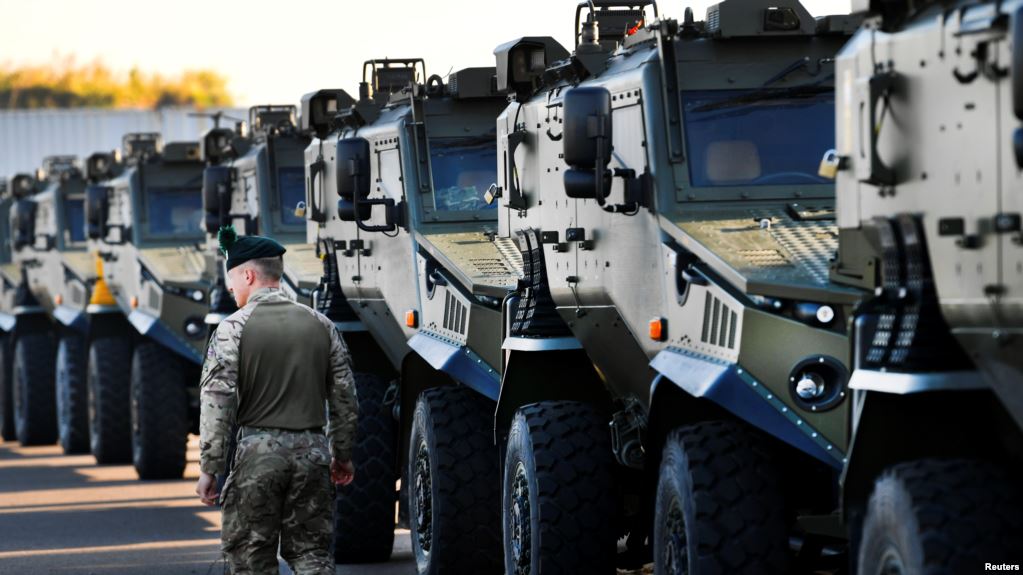
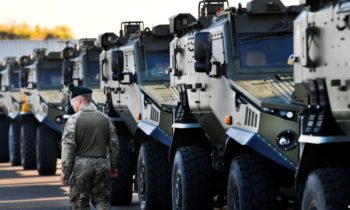
From 11 December, Ethiopian Airlines will be increasing its frequency between Addis Ababa and Avinor Oslo Airport, which means the route will be operated six times a week using Ethiopian’s Boeing 787-8 Dreamliner.

‘We have developed a very close partnership with Ethiopian Airlines, and have worked hard with them to make this route a success story. This is proof that our cooperation has worked well, and that Ethiopian has succeeded in developing a good portfolio of business, holiday and leisure passengers. The segment for passengers visiting friends and family has also been a hit on this route,’ says Jasper Spruit, Vice President Traffic Development at Avinor.

‘This will provide us with a further 25,000 seats annually on our longhaul network,’ says Jasper Spruit, Vice President Traffic Development at Avinor.

Ethiopian Airlines is a member of Star Alliance, the largest and oldest global airline alliance with frequent flyers of Star Alliance member airlines able to accrue and re-deem miles on all carriers of the Alliance.

Group CEO Ethiopian Airlines, Mr. Tewolde GebreMariam, on his part remarked: “We are pleased to witness the success of our flight from Addis Ababa to Oslo, which has now increased to six flights per week. The Oslo route has proven to be a success within just one year of its launch. It will soon become daily and we plan to add new services to Oslo from Asmara in December 2018. Thru these flights, we are serving the growing travel need between Africa and Northern Europe. In addition to the passenger flights, we have started a fully dedicated freighter operation from Oslo to Guangzhou in China on 11 October 2018, facilitating the export of Norwegian seafood to the Asian market.”

‘Ethiopian has really made its mark on Oslo Airport since launching last year, and its membership of Star Alliance is an important factor in passengers securing an effective way of travelling between Norway and Africa,’ says Spruit.

In addition to six weekly passenger departures from Oslo Airport, Ethiopian Airlines also launched a cargo route on Thursday 11 October with two weekly departures to Guangzhou in China.

‘We are very much looking forward to getting the new cargo route off the ground. It will make a major contribution to the export of fresh Norwegian seafood to the ever-growing Asian market. Our partnership with Ethiopian means a great deal for Norwegian value creation,’ Spruit concludes.

October 31, 2018 0 comments
0 FacebookTwitterPinterestEmail
Africa and Norway

Norway to provide NOK 450 million for development in Somalia

by Nadarajah Sethurupan October 30, 2018
written by Nadarajah Sethurupan

During the World Bank’s annual meeting in Bali, Minister of International Development Nikolai Astrup signed an agreement committing Norway to contribute NOK 450 million to Somalia through the World Bank’s Multi Partner Fund for Somalia for the next three-year period.

The Multi Partner Fund seeks, among other things, to support the Government of Somalia’s efforts to increased tax revenues, better financial management and improved basic services for the people of Somalia.

‘Even though the security situation has improved, Somalia is still vulnerable. The relationship between the federal government and the federal member states remains challenging. The international community must do what it can to promote stability and trust. Improving the security situation and ensuring the provision of basic services to the population are important elements of this work,’ Mr Astrup said.

In the period 2015-2017, Norway contributed NOK 212 million to the Multi Partner Fund for Somalia. The Fund has delivered significant results.

‘The Fund has contributed to increased stability and development in Somalia, and we are very pleased to see what has been achieved so far. We also greatly value our collaboration with the World Bank, which has enabled a creative and flexible approach despite a challenging situation,’ Mr Astrup said.

( Press release / MFA )

October 30, 2018 0 comments
0 FacebookTwitterPinterestEmail
NATO and Norway

US Soldiers Injured in Collision in Norway

by Nadarajah Sethurupan October 28, 2018
written by Nadarajah Sethurupan

Four U.S. soldiers were injured in a major North Atlantic Treaty Organization exercise in Norway in an accident involving four vehicles Tuesday, the U.S. military said.
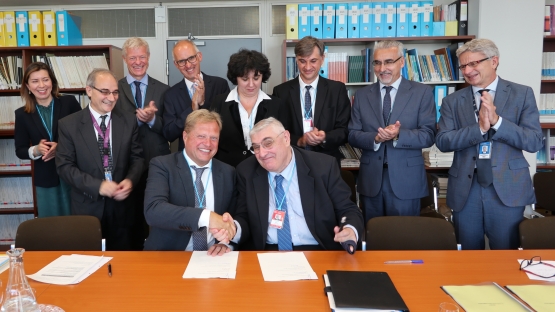
One soldier was released shortly after being hospitalized, and the three others are under observation in stable condition, the U.S. Joint Information Center said in a statement.

The soldiers were in trucks delivering cargo to Kongens Gruve, Norway, in support of Trident Juncture 18, the biggest NATO exercise in recent years, two days ahead of the start date.

Trident Juncture 18 will involve around 50,000 personnel from NATO Allies and partner countries, about 250 aircraft, 65 vessels and up to 10,000 vehicles. It will take place from Oct. 25 to Nov. 7 in central and eastern Norway, the surrounding areas of the North Atlantic and the Baltic Sea, including Iceland and the airspace of Finland and Sweden.

“The accident occurred when three vehicles collided and a fourth vehicle slid off the pavement and overturned while trying to avoid the three vehicles that had collided,” the information center said.

The vehicles and personnel in the accident were assigned to the U.S. Army’s 51st Composite Truck Company stationed in Baumholder, Germany.

The U.S. military is working with Norwegian authorities to investigate the accident.

(VOA)

October 28, 2018 0 comments
0 FacebookTwitterPinterestEmail
Environment

Norway and Romania Extend IAEA-supported Partnership

by Nadarajah Sethurupan October 28, 2018
written by Nadarajah Sethurupan

Romanian State Secretary Rodin Traicu, President of the National Commission for Nuclear Activities Control (CNCAN) and Per Strand, Deputy Director General the Norwegian Radiation Protection Authority shake hands after extending their partnership. (M.Zimmermann/IAEA)

Norway and Romania, supported by the IAEA, have extended a partnership to assist Romania in strengthening its regulatory infrastructure for nuclear safety and security, including emergency preparedness.

The extension of the partnership for another 4 years will focus on improving Romania’s capabilities to prevent accidents and malicious acts involving nuclear or other radiological material. It also aims to strengthen the country’s preparedness for nuclear and radiological incidents and emergencies.

Deputy Director General Juan Carlos Lentijo, Head of the IAEA Department of Nuclear Safety and Security, commended this project aiming at improving Romania’s safety and security.

Romanian State Secretary Rodin Traicu, President of the National Commission for Nuclear Activities Control (CNCAN), welcomed the focus of the project on training the new staff CNCAN plans to add in the coming three years.

Per Strand, Deputy Director General the Norwegian Radiation Protection Authority, noted that this partnership also offers to NRPA opportunities to improve its own regulatory program, for example through the development of new regulatory processes and enhanced training.

The new agreement was concluded during a signing ceremony held in September 2018 on the margins of the IAEA General Conference. The cooperation started in 2009.

October 28, 2018 0 comments
0 FacebookTwitterPinterestEmail
Asia and Norway

‘Climate change is as much an opportunity as it is a problem’

by Nadarajah Sethurupan October 27, 2018
written by Nadarajah Sethurupan

The floods in Kerala were an absolutely shocking example of how we are already seeing the devastating impact of climate change, says Erik Solheim, head of UN Environment. As former Minister of Environment and International Development, Norway, he had put in place the Nature Diversity Act, which many consider as the country’s most important piece of environment legislation in so many decades. An experienced peace negotiator, Mr. Solheim had acted as the main facilitator of the peace process in Sri Lanka from 1998 to 2005, which led to a ceasefire and the Oslo Declaration in 2002. In an e-mail interview, the Executive Director of United Nations Environment Programme pointed out that there is no excuse for inaction on climate change.

United Nations Chief Antonio Guterres had cited the devastating floods in Kerala twice this month among other natural disasters across the world to highlight the urgency of climate crisis. Is climate change “moving faster than we are”?

At the moment, yes, I’m afraid it is. The data shows that even if all the commitments under the Paris Agreement are met — including those from the United States before President Trump announced he was pulling out — then we’re still headed for a temperature rise of 2.9 to 3.4 oC this century. That’s too far above the minimum goal of limiting temperature rise to 1.5 oC.

At the same time, we’ve seen a remarkable shift in China and India, both of whom are moving rapidly towards renewables, and of course Europe is continuing to lead in innovation and deployment.

Even in the United States, investors have got the message that renewables are a better bet than coal.

The urgency of this is clear for everyone to see. It’s playing out right in front of us. But the opportunities and the solutions are also there. So really there is no excuse for inaction.

I’m optimistic that we’ll see exponential progress. We’re at a turning point and, broadly speaking, we are moving in the right direction — just not yet fast enough.

The next few years will be critical, because science also tells us we have a tight window of opportunity to halt the course of runaway climate change.

Kerala has lost hundreds of lives and suffered damages worth crores of rupees in the devastating floods. How can India expedite the adaptation and mitigation measures to avert the risks posed by extreme weather events to its communities and their livelihood?

The floods in Kerala were an absolutely shocking example of how we are already seeing the devastating impact of climate change.

In terms of mitigation, we are already on an amazing trajectory, and in New Delhi and many States I’ve seen incredible innovation and action. India is getting off coal and going big on solar. It’s made huge strides on energy efficiency. It has the potential to lead the world on renewable mega-projects, on clean mobility, and on the harnessing of new technologies like blockchain in improving economic efficiency and lowering emissions. In India I’ve also seen exciting infrastructure and building projects, the kind we need for the low carbon urban spaces of the future. India’s pledge to phase out single-use plastic will also cut another source of carbon impact. It’s now a case of doing everything possible to unleash these positive developments and allow them to really disrupt the business as usual mindset. India will be a huge winner.

Adaptation is also crucial to get right. The bottom line here is that India — just like every other country — now needs to seriously think about climate and its impact in urban planning, infrastructure, agriculture and more. It will require tough choices and big changes, but these are also opportunities.

What are the key takeaways for India and the rest of the world from the 2018 New Climate Economy Report ahead of the milestone 2020 meeting of parties to the Paris Agreement?

The key message is that climate change needs to be seen as an opportunity as much as it is a problem. In fact, the latest data shows that we are massively under-estimating the bounty of economic benefits that come from positive climate action, and that climate action will unlock economies, not hold them back.

We also need to move more quickly to putting a price on carbon, and also pricing it at a level that can drive the kind of massive shifts in financing flows that we need. Infrastructure also needs to be a priority. We’re on the cusp of massive global infrastructure development, and we need to integrate climate and sustainability into these projects.

Another key theme is that of innovation — and putting in place the kind of policies that will help unlock it.

That means creating a level playing field for the green economy to have a fair fight, and for the markets to shift and for new ideas and products to flourish. That means empowering the private sector. Finally, we need to put people at the centre of our work. After all, this is about people and planet.

(thehindu)

October 27, 2018 0 comments
0 FacebookTwitterPinterestEmail
Religion

3,000 Norwegians convert to Islam

by Nadarajah Sethurupan October 26, 2018
written by Nadarajah Sethurupan

The number of converted Muslims in Norway increased to at least 3,000 in the recent years, a researcher at Oslo University’s Department of Culture Studies and Oriental Languages said.
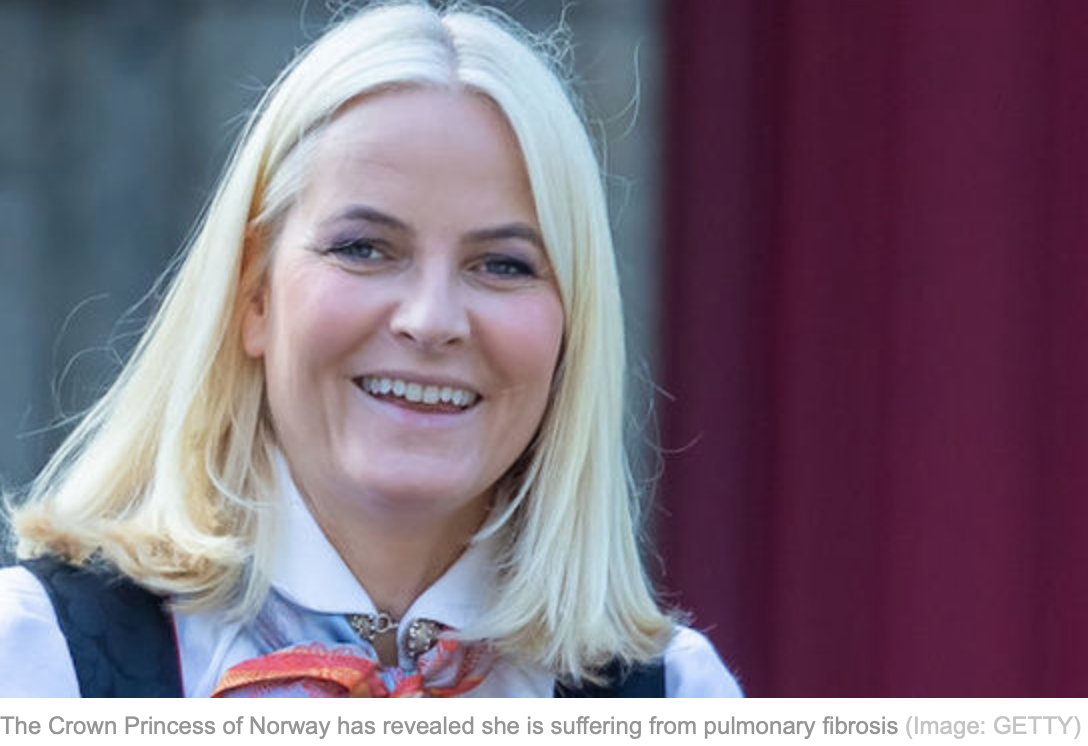
Norway’s leading Verdens Gang newspaper reported on Sunday that the number of Norwegians choosing to become Muslim since 1990s have increased.

The report said the number of converted Muslims in the country during 1990s were around 500 while this number has reached around 3,000 in the recent years.

Noting that previously Norwegian women used to convert to Islam as a result of marrying Muslim men, Vogt said: “This trend has now changed drastically. Now, women are choosing Islam after reading and researching about Islam.”

Monica Salmouk, a converted Muslim, told the newspaper that she chose Islam 4 years ago after researching and reading number of books about the religion.

Salmouk said she visited the Islamic Cultural Center (ICC) mosque in Greenland, Oslo and chose to adopt Islam as her religion.

Solva Nabila Sexelin, a 42-year old Norwegian, also said she decided to convert to Islam after being inspired by the Muslim asylum seekers which she has been helping out.

October 26, 2018 0 comments
0 FacebookTwitterPinterestEmail
Royal House

Royal Family shock illness: Norway’s brave Crown Princess Mette-Marit reveals lung disease

by Nadarajah Sethurupan October 26, 2018
written by Nadarajah Sethurupan

NORWAY’s Crown Princess Metter-Marit has been diagnosed with lung disease pulomonary fibrosis – but has vowed to continue working ‘as much as possible’ with the condition.
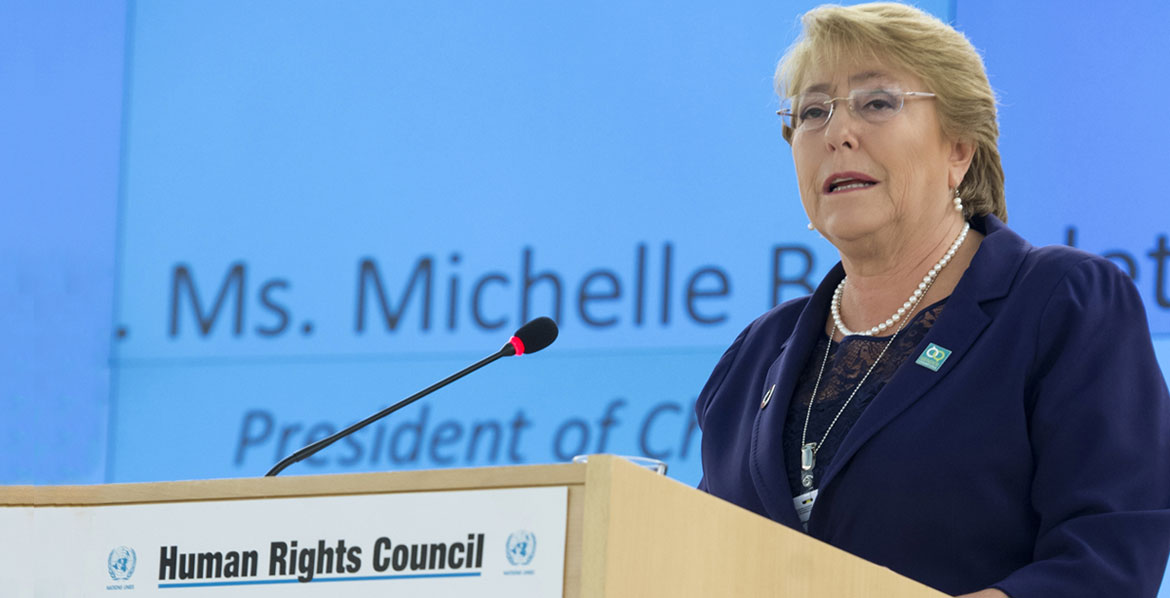
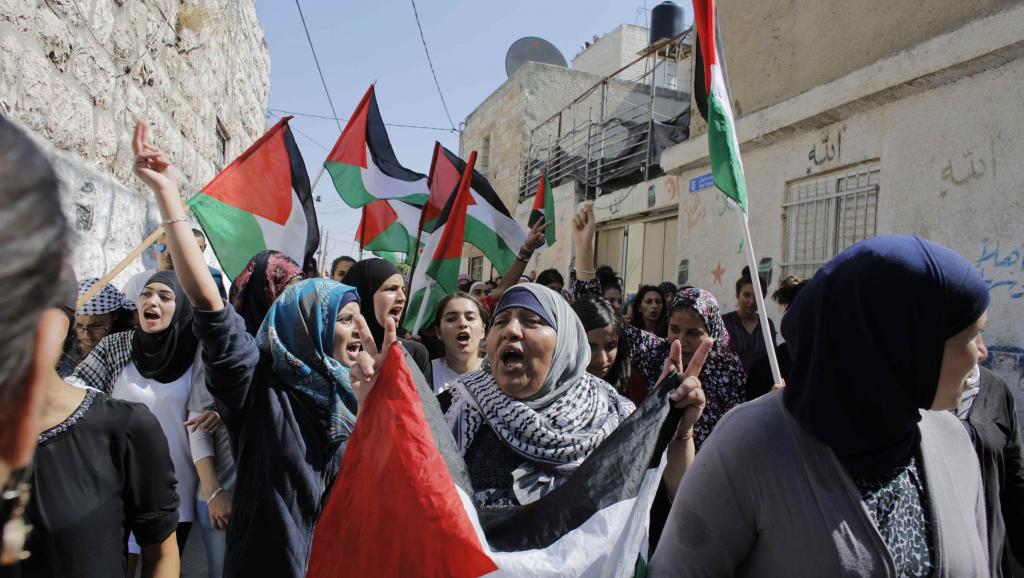
The Norwegian royal, 45 – who previously revealed she suffered from Veritgo – has said she is suffering with chronic pulmonary fibrosis.

The wife of Crown Prince Haakon is thought to be in the early stages of the disease, which sees scar tissue forming inside the lungs.

However, a determined Princess Metter Marit vowed to continue her work and said she would seek treatments and further tests.

However, she gave no further details of treatment or the exact stages of the illness.

Confirming the illness through a statement late on Wednesday, the Norwegian Royal Court said: ‘The Crown Princess has undergone extensive investigations related to her health and an unusual variant of fibrosis has been detected in the lungs, according to the Crown Princess’s doctor, Professor Kristian Bjøro at the National Hospital.

“It is not yet clear whether the pulmonary disease is linked to a more extensive autoimmune disease process or if there are other causes that underlie the lung changes.”

The mother-of-three also released her own statement following the diagnosis – and vowed to carry on her royal duties as normal, despite the debilitating disease.

She said: “Although such a diagnosis in times will limit my life, I’m glad that the disease has been discovered so early.

“My goal is still to work and participate in the official programme as much as possible.”

NHS England says the average life expectancy of pulmonary fibrosis can be as little as three years.

Regular monitoring can indicate the speed of the deterioration of the lungs. Sufferers of the disease regularly get short of breath and experience a shortness of breath.

Princess Mette-Marit previously revealed she was suffering from Benign Paroxysmal Positional Vertigo (BPPV) – an acute illness that causes a loss of balance, dizziness and nausea, similar to illnesses such as Labyrinthitis.

She told Norwegian radio station P3 how she discovered the rare condition, saying: “I turned my head quickly, and it was like the whole world began to move.

“I began to sweat and felt nauseous — I thought I’d started early menopause.”

The Crown Princess worked as a former waitress before she met her future husband at a music festival in the 1990s.

During the time, she was a single mother – before marrying into the Norwegian royal family in 2001.

She went on to have two more children with Crown Prince Haakon – Princess Ingrid Alexandra, 14, and Prince Sverre Magnus, 12.

(express.co.uk)

October 26, 2018 0 comments
0 FacebookTwitterPinterestEmail
Norwegian Aid

Norway to provide NOK 660 million to UN’s human rights efforts

by Nadarajah Sethurupan October 25, 2018
written by Nadarajah Sethurupan

Michele Bachelet, Presidente of Chile speaks during Special Session of the Human Rights Council. 29 March 2017.

Norway has entered into a four-year agreement with the Office of the United Nations High Commissioner for Human Rights (OHCHR), totalling NOK 660 million. The funding will be used to strengthen the UN’s efforts to protect and promote human rights, both in individual countries and globally.

‘Human rights are under pressure in the world today. The Office of the United Nations High Commissioner for Human Rights plays a leading role in the international community’s efforts to promote human rights, and needs strong and clear support for its work. The fact that we are now entering into a four-year agreement will give OHCHR greater predictability,’ said Minister of Foreign Affairs Ine Eriksen Søreide.

Under the new agreement, Norway will provide NOK 165 million in funding to OHCHR annually in the period 2018-2021. In addition to providing support for efforts in specific countries and regions, such as Colombia and the Sahel region, Norway will give earmarked funding for thematic priority areas, including efforts to safeguard freedom of expression and freedom of religion or belief, and efforts to protect human rights defenders at country level.

‘There are clear links between a lack of respect for human rights and other challenges facing the international community. If we fail to safeguard human rights, we are unlikely to succeed in our efforts to promote sustainable development and peace,’ said Ms Eriksen Søreide.

Ms Eriksen Søreide and UN High Commissioner for Human Rights Michelle Bachelet signed the agreement in New York today. The agreement follows up a memorandum of understanding that was signed in February.

Michelle Bachelet assumed office as UN High Commissioner for Human Rights on 1 September. She has long and extensive experience: she has for example served as President of Chile on two occasions, and has been Director of UN Women. She also has personal experience of being a political prisoner and a refugee. Her background gives her a unique starting point for leading the UN’s work to promote human rights.

Every year, Norway hosts the Trygve Lie Symposium in New York during the UN General Assembly high-level week in September. The topic of the symposium this year is human rights defenders, and Ms Eriksen Søreide and Ms Bachelet will both be participants.

October 25, 2018 0 comments
0 FacebookTwitterPinterestEmail
Norwegian Aid

Norway to make extraordinary contribution to Palestine refugees

by Nadarajah Sethurupan October 24, 2018
written by Nadarajah Sethurupan

‘The UN’s agency for Palestine refugees (United Nations Relief and Works Agency, UNRWA) is in a critical financial situation following the US decision to cut all funding to the organisation. Norway has decided to make an extraordinary contribution of NOK 64 million. This will help to ensure that schools remain open and humanitarian needs continue to be met,’ said Minister of Foreign Affairs Ine Eriksen Søreide.
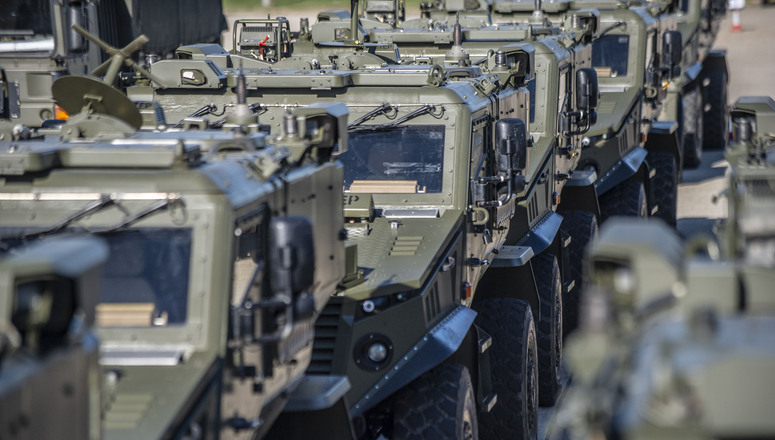

The Foreign Minister announced the contribution at an extraordinary meeting on UNRWA’s precarious situation in New York 27 September. The UN Secretary-General, UNRWA’s Commissioner-General and foreign ministers from several other countries also participated at the meeting.

‘UNRWA plays a crucial role in promoting regional stability while the efforts to find a political solution to the conflict between the Israelis and the Palestinians are ongoing,’ said Ms Eriksen Søreide.

UNRWA plays a key role in responding to the humanitarian needs of Palestine refugees in Palestine, Jordan, Syria and Lebanon, including those who have been displaced again as a result of the crisis in Syria. The organisation provides education, health services and other basic services, including schooling for over 526.000 Palestinian children. As things stand, UNRWA does not have the resources to keep schools open beyond the end of September. If the services provided by UNRWA are reduced, this could have serious consequences for the refugees and for regional stability.

For many years, Norway has been one of the biggest donors to UNRWA. This year, Norway has already contributed NOK 230 million to the organisation. The extraordinary contribution announced today brings Norway’s total support this year to NOK 294 million.

October 24, 2018 0 comments
0 FacebookTwitterPinterestEmail
NATO and Norway

UK and German forces test military mobility

by Nadarajah Sethurupan October 24, 2018
written by Nadarajah Sethurupan

A group of foxhounds line up in the vehicle park before the road move starts.
Exercise TRIDENT JUNCTURE 2018 (TRJE) is the largest in a series of long-planned military exercises to ensure that NATO forces are trained, able to operate together and ready to respond to any threat, from any direction. Over 30 nations, involving 40,000 personnel are taking part in this 6 week exercise.
The British ArmyÕs 4th Infantry Brigade HQ will deploy to command UK Reconnaissance, Infantry, Combat and Logistic Support units alongside a Danish battlegroup and a Polish Mechanised Infantry Company.
The main British Army units will consist of The Light Dragoons, 1st Battalion The Royal Irish Regiment, 1st Battalion The Duke of Lancaster Regiment and 102 and 104 Logistic Brigade.
Ex TRJE 18 consists of 4 elements
¥ Deployment & Redeployment Ð The British Army will move 1600 soldiers and over 1000 vehicles and equipment over 2500kms by road, rail, sea and airfrom the UK across Northern Europe and into Norway.
¥ NATO alliance and international training.
¥ Main exercise (Livex)
¥ Command Post exercise.
Photographer:
Corporal Ben Beale/ MoD Crown

UK troops landed at Rotterdam in the Netherlands on Wednesday (10 October 2018) as German tanks boarded a cargo ship on their way to Norway for Exercise Trident Juncture 2018 – NATO’s largest since the Cold War.

Over the next few days, 70 Foxhound, Husky and Landrover vehicles will make the 2,000km journey from the Hook of Holland harbour through northern Europe to Norway. The UK convoy’s move through the Netherlands, Germany, Denmark and Sweden will test how efficiently soldiers and equipment can move between European countries. It will also test customs, border regulations and infrastructure’s ability to cope with rapid and heavy troop movements.

As UK troops make their way through northern Europe, the German army is shipping Leopard tanks and other military vehicles onboard a civilian cargo ferry from the northern German town of Emden to Fredrikstad, Norway where they are scheduled to arrive on Thursday (11 October).

“Military mobility is vital, especially to reinforce in a crisis. That’s exactly why we exercise it,” said NATO spokesperson Oana Lungescu. “Over the past few years, NATO has made real progress in improving our ability to deploy troops quickly across Europe. We are overcoming legal hurdles and cutting red tape, including by working closely with the European Union. Looking ahead, we aim to further reduce border-crossing times (clearances within five days by the end of 2019), identify alternative supply routes, and exercise even more to practice military mobility,” she added.

Around 50,000 troops and 10,000 vehicles from all 29 NATO countries, as well as Sweden and Finland, will come together for the Trident Juncture exercise, which starts in Norway on 25 October.

(NATO)

October 24, 2018 0 comments
0 FacebookTwitterPinterestEmail
Environment

An appreciation of the persistently grim tweets from the Norway Ice Service

by Nadarajah Sethurupan October 23, 2018
written by Nadarajah Sethurupan

Monday through Friday of each week, the Norwegian Ice Service, a government agency within the Norwegian Meteorological Institute, tweets out rather dismal news about the state of the thawing Arctic.

But these tweets aren’t intended to be grim. They’re simply an objective account of the modern Arctic reality. Each morning, the agency puts the current sea ice cover over a large swath of ocean between Norway and the North Pole into an emotionless, historical perspective.

Take, for instance, a post from August 22, 2018:

The happenings in this 600,000-square kilometer area monitored by the Ice Service are consistent with what’s occurring in the greater Arctic: Of the nearly 40 years of satellite records observed by the National Snow and Ice Data Center, each of the last 12 years have seen the 12 lowest ice extents on record.

“It’s certainly really enforcing that we are on a declining trend — and we can expect it to go lower,” Nick Hughes, head of the Norwegian Ice Service, said in an interview.

Arctic sea ice is now vanishingly at an accelerating rate. As more ice melts, there are significantly fewer bright, white surfaces to reflect the sun’s energy back into space. Instead, the ocean absorbs the heat, further boosting the warming over the expansive Arctic.

(mashable)

October 23, 2018 0 comments
0 FacebookTwitterPinterestEmail
NATO and Norway

Trident Juncture 2018 Press Conference

by Nadarajah Sethurupan October 23, 2018
written by Nadarajah Sethurupan

with Admiral James G. Foggo, Commander of Allied Joint Force Command in Naples, Italy, and Lieutenant General Rune Jakobsen, Commander of the Norwegian Joint Headquarters in Bodø, Norway


Lieutenant-General Christian Juneau, Deputy Commander of the Allied Joint Force Command in Naples; Admiral James G. Foggo, Commander of the Allied Joint Force Command in Naples and Lieutenant General Rune Jakobsen, Commander of the Norwegian Joint Headquarters in Bodo, Norway

Piers Cazalet: Good afternoon ladies and gentlemen, apologies for the delay this morning. We have just come out of a long North Atlantic Council meeting where the Admiral was briefing ambassadors on Trident Juncture. So if Admiral Foggo could first of all say a few words, and then we will pass to General Jakobsen. Admiral.

Admiral Foggo: Thank you Piers, for bringing us here together today. Ladies and gentlemen, again apologies for running late, we didn’t expect the meeting to go that long. I thought we would be here thirty minutes ago. I did a similar event here last year that some of you may have attended, and I am pleased to be back at this marvellous NATO headquarters today with Lieutenant General Jakobsen and Lieutenant General Christian Juneau. Christian is my honourable deputy, in Naples, he is a Canadian Forces Officer, as you can see, and he will be operating with the Land Component on the ground for Exercise Trident Juncture alongside General Jakobsen while I am at sea doing what I do best.

The Trident Juncture exercise will take place in and around Norway from October 25th to November 7th. We have been very open about these dates, and they have been consistent. We will have advance activities taking place in and around Iceland from October 15th to the 17th. General Juneau will oversee the exercise from the NATO Joint Warfare Centre in Stavanger and I will travel throughout the region, be there for the amphibious landings and get ashore and do key leader engagement and observe the exercise as it takes place. I will also be on the beach for the conduct of the DV Day [Distinguished Visitors’ Day] on the 30th October.

We are boiling down Trident Juncture to a core theme of just a few words, I call it the three Ds – NATO is a Defensive alliance, Trident Juncture Demonstrates our credible capability, and together we Deter potential adversaries. All 29-member NATO nations will participate in the exercise, along with our partners from Sweden and Finland. And we are delighted about that.

Trident Juncture illustrates NATO’s relevance and unity, and that we are ready to defend ourselves and the territory which is contained within those 29 allied nations. At the core of the exercise is the NATO Response Force and within that, the 5000 person-plus Spearhead force, otherwise known as the VJTF or the Very High Readiness Joint Taskforce.

Today it is my privilege to announce that the aircraft carrier USS Harry S. Truman and its strike group, including its ships and aircraft, will participate in Trident Juncture, adding about 6000 personnel to the mix.  That puts our total strength up at 45 plus 5 – you can do the math. The US Navy is demonstrating its capability because of our flexibility, our agility and our commitment to the Alliance. And we have deployed the Harry S. Truman as a function of our dynamic force employment planning throughout the globe. And it’s one of the first platforms to actually participate in dynamic force employment; it came to the theatre, went back to the States and then returned just a month ago. While Truman remains ready rapidly to respond to any crisis anywhere, I am thrilled to announce my intent to employ this very capable strike group in Trident Juncture commencing on the 25thOctober.

I am confident Trident Juncture will be an outstanding opportunity to demonstrate our unity and resolve, and I am very grateful to our very capable NATO Ally and host nation Norway. General Jakobsen commands Norway’s joint force headquarters in Bodo, I had the pleasure of visiting him the headquarters this year, and I am thrilled with their incorporation of NATO into Norway’s Total defence concept. Their planning and support has been nothing short of stellar. Over to you for your prospective.

Lt Gen Jakobsen: Thank you very much Admiral for your kind words and I take the opportunity to highlight the outstanding partnership we have enjoyed with Joint Force Command Naples in all aspects of the preparation for the exercise.

Our political leaders were very pleased five years ago when NATO decided to execute Trident Juncture 18 in Norway. Additionally to the benefits of stress-testing our national defence plans, we provide NATO Allies with first-hand experience of NATO’s Northern flank and hopefully, in challenging weather conditions. Norway is a small country and our defence relies heavily on NATO’s collective defence. Invoking Article 5 means to be able to receive Allied forces and reinforcements, and to that we must have plans and we mush rehearse the plans. That is why Trident Juncture 18 is important for us.

The exercise will give us the opportunity to test, evaluate, further develop our Total Defence Concept, as well as national reception plans. During the exercise, the regional forces will cooperate closely with civil emergency services, the police, the railway, port and transportation authorities, as well as with local and national businesses. The size and complexity of the exercise ensure a very realistic stress test for everybody. More than 10 thousand Norwegian troops will participate directly or indirectly, and both on the tactical and operational level; the field exercise will facilitate for testing of the interoperability and training cooperation between Allies, in a high-intensity war fighting scenario. I believe Norway will provide a unique training opportunity for all participants: with large sea, air and land areas available for manoeuvre, with very high freedom of manoeuvre in all dimensions.

Allied training in Norway is also highly appreciated by the normal population. More than 76% of our population are positive to NATO, and hopefully all allied soldiers will enjoy the hospitality of the local people in the exercise area.

I would also like to highlight the excellent partnership we have with our neighbouring countries Sweden and Finland, who will host aircraft deployments and make their airspace available for operations.

My most important task as the Joint Force Commander is to provide a good training experience for all participating troops and nations.  And facilitate for every unit to meet their training objectives through the best possible host nation support. The only important task for me is to support the Commander to create a safe exercise environment. Thanks for your attention I will give the word to Piers to lead.

Piers Cazalet: Thank you very much, now we have some time for questions. If you have a question could you, please say your name and your outlet. Yes, please?

Bulgarian Club Z media: How far from the Russian border will it take place, that’s the first question; and second question, so, according to the scenario, NATO will repel attack from the North. Does it mean that this imaginary attack will come from Russia? Thank you.

Adm. Foggo: How far from the Russian border, well, Norway has a border with Russia, and we are operating in Norway and we are operating North as far as Tromso and Alta. I will let Commander Jakobsen comment on that or add to that if he desires. This exercise has several messages, that is, NATO is capable of defending, it is capable of deterring any adversary, not anyone in particular, no particular adversary, in the conduct of its operations throughout the theatre of the Alliance. And that is what we intend to do, so I wouldn’t comment on any particular country. This is a message to anyone who might conduct any kind of aggressive act leading to an Article 5 scenario inside the NATO Alliance. Did you want to comment?

Lt. Gen. Jakobsen:   Yeah, the core exercise area is more than one thousand kilometres from the Russian border, and air operations could take place up to five hundred kilometres away from the border, so there should not be any reason for the Russians to get scared, or see this as something else than a defensive exercise. And the six brigades training, they train both offensive and defensive operations, so the scenario is designed to make the units on the battalion and brigade level meet their training outcomes.

ARD: I was just wondering, Admiral, can you say anything about the role of the German contribution of the exercise and second, I would like to have some personal views of your dedication to the transatlantic security environment and your personal dedication to NATO?

Admiral Foggo: I was born in Mönchengladbach in NATO in Northern Army headquarters of Rheindahlen  in 1959, so you might say I was born into NATO. This is my fifth assignment in Europe, my forth command in NATO if you include the JTF that I commanded during the Unified Protector transition. I am a firm transatlanticist; I have been educated in Europe, at Strasburg – the heart of the European community, and that’s the reason I think I’m here in this job. It is a dream job for me and every day I wake up and pinch myself knowing that I’m  a NATO commander in Naples and I am able to get underway and go to sea with a force of  over 45 thousand soldiers, sailors, airmen and marines, to defend the interest of this Alliance that I believe so strongly in.

As to the German contribution, I am pleased to say that when I was in Berlin earlier last month I had a chance to visit General Zorn, the German CHOD, and complement and congratulate him on the contribution of 85 hundred personnel and their associated kit, if you will, the equipment that they are bringing into Norway. Germany is part of the German-Netherlands Corps, which is part and parcel of the 5 thousand-plus Spearhead Force that I told you about, the very high readiness joint task force, which shows that NATO can move quickly. Part of the discussion during the Summit in July was the proposition to be able to do the 30 / 30 / 30 point, so that was to move 30 battalions, 30 aircraft squadrons or 30 ships in 30 days. The alliance aspires to be able to do that extremely well, and we will demonstrate that with the heavy logistics capability that will be demonstrated in this exercise. I think I have said it before: logistics is the sixth domain of warfare. And you can see that play out through Trident Juncture. Thank you for your question.

Lt. Gen. Jakobsen:   If I can add to that – the Admiral mentioned the contribution of Germany; from the land perspective they are going to provide a brigade – a very robust brigade that will be part of the primary training audience, because the live portion of Trident Juncture 18 is focused at the brigade level. So, they have an extremely important role from the land perspective to play.

Piers Cazalet: Can we have a question over here?

Wall Street Journal – Can you talk a little bit more about the challenge of getting all the equipment into Norway because logistics and military mobility is a very big issue in Europe – the European Union is working with NATO on this – how does this play into all of that? Thank you.

Adm. Foggo:  When you are talking about moving over 45 thousand soldiers, sailors and marines, over 60 ships – large ships, 120 aircraft and 10 thousand vehicles to respond to a crisis, that is no small feat. It has to be done through sealift, airlift or by land. The United Kingdom has chosen to drive its force on the land, so they’re testing their ability to do that through landlines. We have plenty of forces, lots of US forces, lots of US Marines coming from the United States, that will be exercising our ability to operate in sea lines of communication. So, part of the victory of all this is that everybody shows up on Day One on the 25th October with their associated support and ready to defend. And so, that’s when I say, logistics is the sixth domain of warfare – we are testing that. It’s not going to be perfect, we have about 10% of the personnel and the equipment on the ground right now. So we’ve got a heavy lift over the next 18 days to get the rest of those folks there and ready to defend; and it was designed that way, because that’s kind of the way we would approach a crisis – if something happens, we have got to respond.

NATO is working this through its logistics programme for delivery of equipment with all various means of delivery from the sea, from the air and from the land. And there will be some significant lessons learned out of this; and we don’t expect it to go perfectly. That’s why we do exercises. So, thanks for your question. Christian?

Lt Gen Juneau: When we talk about over 10 thousand vehicles on Norway’s roads,  that will present a traffic control challenge that will stress-test the system. The second point I want to make is the weather in Norway, in late October-early November, will be a factor, for sure. As a Canadian I know what it can look like in a northern country during that time of the year. They have already had some snow in Norway, so that will certainly be stressing the movement control in our logistics, as well.

Jane’s Defence: I just wanted to build on the question about military mobility – two quick questions, how much of the NRF is going to be deployed, and I assume it’s the entire Spearhead that will be deployed? If not, could you tell us what percentages of both of those are at play? And is the way that the NRF going to be deployed in Norway designed to specifically to test military mobility, or are you relying on air transports in the past for the Spearhead? Thank you.

Christian: The whole of NRF will be deployed, it’s a brigade part of the German Netherland brigade, it will deploy from Europe it will finish an exercise, get on ships and aircraft and fly in theatre like it would happen during a conflict.

Jane’s Defence: No overland movement?

Christian: No, not from that element –

Jane’s Defence: Is that how it will always be in a war case situation?

Christian: Well, it depends on where you are going, right? So, Norway there are very few countries from where you can drive to Norway. I know the United Kingdom will deploy a significant element over land, so they’re going to drive all the way to Denmark and then they’re going to sail to Norway, just to test that military mobility that you’re talking about.

Jane’s Defence: I guess, I’m just wondering if you shouldn’t be testing more overland, testing more of the movement of the NRF overland in case in future Trident Juncture was held strictly in Eastern Europe with no sea access.

Lt Gen Juneau: Well, there are other exercises that are testing that, actually. The Noble Jump exercise that was conducted last summer in 2017, we had troops moving from Greece all the way to Romania overland.

DPA: I have a question in the same direction, a lot of experts are wondering if NATO is really capable to deploy troops very quickly – wouldn’t it makes sense to also do so called snap exercises like Russia – what do you think about it?

Admiral Foggo:  I would like to get some training value out of an exercise; and whereas a snap ex will tell you something about your readiness and your ability to respond on very short notice, I think that through a deliberate plan and over the course of time, when you have an opportunity to look at different scenarios throughout the European theatre and then apply the full force and capability of NATO, is probably better training and better lessons-learned to come out of it. Particularly with regard to monitors and assessors. So, there is a lot that comes to bear to do an exercise of the volume of which Trident Juncture has become. And so I think that deliberate approach is going to allow us to take lessons learned away from this, to refine and improve our training tactics of procedures in the future, more so, than a snap ex would do. Would you like to comment on that?

Lt Gen Juneau: I can partly answer your question or concern – the VJTF – very High Readiness Taskforce, as part of their annual training plan, there is an alert exercise that is taking place. So we do that, we bring the folks in, bring the vehicles in, we don’t necessarily deploy them right away, but at least part of that readiness is tested that way.

Europa Press: Could you talk a little bit more if there is going to be any kind of training or putting into test any kind of cyber capabilities and also maybe against A2AD into the exercise? Thank you.

Admiral Foggo: I wouldn’t talk about offensive cyber capabilities, I wouldn’t talk about specific operational aspects the exercise but, I would tell you that we intend to defend our networks against anyone who might have any kind of ulterior motives while we are in the exercise; and I believe they are very robust so we will get a chance to test that.

Piers Cazalet: Any other questions? Okay. Thank you very much Admiral, Generals – thank you for your time. Thank you, ladies and gentlemen.

(NATO)

October 23, 2018 0 comments
0 FacebookTwitterPinterestEmail
Newer Posts
Older Posts

Norwegian Nobel Prize 2024

101207 The Norwegian Nobel Committee has decided to award the Nobel Peace Prize for 2024 to Japan’s Hiroshima bomb survivor group Nihon Hidankyo.

Special Interest

  • Africa and Norway
  • Asia and Norway
  • Asylum
  • China and Norway
  • Corruption in Norway
  • Crimes
  • Defence
  • Diplomatic relations
  • Economics
  • Environment
  • Farming
  • Killing
  • Media Freedom
  • Middle East and Norway
  • NATO and Norway
  • Nobel Peace Prize
  • Norwegian Aid
  • Norwegian American
  • Oil & Gas
  • Peace Talks
  • Politics
  • Racism in Norway
  • Religion
  • Russia and Norway
  • Royal House
  • Science
  • Sex scandal
  • Sports
  • Spy War
  • Srilanka and Norway
  • Svalbard
  • Terrorist
  • Taiwan and Norway
  • Video clips

Follow Us

Recent Posts

  • Norway and Germany sign defence arrangement

    February 15, 2026
  • China hopes Norway will play a role in the Europe ties

    February 15, 2026
  • Norwegian cross-country skier breaks Olympic medal record

    February 15, 2026
  • Norway police search former PM’s properties in Epstein links probe

    February 12, 2026
  • Afghan National Killed in Norway

    February 11, 2026
  • Việt Nam strengthening cooperation with Norway: Việt Nam FM

    February 11, 2026

Social Feed

Social Feed

Editors’ Picks

Norway opens market for Sri Lankan fish exports...

May 13, 2016

Sri Lanka – Nordic Business Council holds discussions...

May 15, 2016

Good governance to Sri Lanka

May 15, 2016

Shock and Joy in Sri Lanka – Erik...

May 15, 2016

Sri Lanka-Norway plenty of new opportunities for business–...

May 15, 2016

NORWAY NEWS is an online news site, written in English, dedicated to Norwegian affairs at home and abroad. Norway News.com is published online. It is a daily online newspaper in existence since May, 2003. The site is run by an Independent Journalist.

Facebook Twitter Youtube

Useful Links

    • Work With Us
    • Contact Us
    • Collaboration
    • Data Collection
    • Workplace
    • Adverstising
    • Privacy Policy
    • International Collab
    • Feedback
    • Terms of Use
    • About Our Ads
    • Help & Support
    • Entertainment
    • News Covering
    • Technology
    • Trending Now

Politics

Syrian, Norway to boost cooperation on mine clearance
Erna to step down as Conservative Party leader in 2026
Norwegian Labour Party on re-election win

Latest Articles

Norway and Germany sign defence arrangement
China hopes Norway will play a role in the Europe ties
Norwegian cross-country skier breaks Olympic medal record
Norway police search former PM’s properties in Epstein links probe

Norway News 2025 . All Right Reserved. Designed and Developed by Norway News

  • Home
  • About us
  • Disclaimer
  • Contact us
NORWAY NEWS – latest news, breaking stories and comment – NORWAY NEWS
  • Home
  • About us
  • News
  • Other News
    • Africa and Norway
    • Asia and Norway
    • Asylum
    • Breaking News
    • China and Norway
    • Corruption in Norway
    • Crimes
    • Defence
    • Diplomatic relations
    • Economics
    • Environment
    • Farming
    • Featured
    • Health
    • Killing
    • Media Freedom
    • Middle East and Norway
    • NATO and Norway
    • Nobel Peace Prize
    • Norwegian Aid
    • Norwegian American
    • Oil & Gas
    • Peace Talks
    • Politics
    • Racism in Norway
    • Religion
    • Royal House
    • Russia and Norway
    • Science
    • Sex scandal
    • Sports
    • Spy War
    • Srilanka and Norway
    • Svalbard
    • Taiwan and Norway
    • Terrorist
    • Travel
    • Video clips
  • Disclaimer
  • Contact us
NORWAY NEWS – latest news, breaking stories and comment – NORWAY NEWS
  • Home
  • About us
  • News
  • Other News
    • Africa and Norway
    • Asia and Norway
    • Asylum
    • Breaking News
    • China and Norway
    • Corruption in Norway
    • Crimes
    • Defence
    • Diplomatic relations
    • Economics
    • Environment
    • Farming
    • Featured
    • Health
    • Killing
    • Media Freedom
    • Middle East and Norway
    • NATO and Norway
    • Nobel Peace Prize
    • Norwegian Aid
    • Norwegian American
    • Oil & Gas
    • Peace Talks
    • Politics
    • Racism in Norway
    • Religion
    • Royal House
    • Russia and Norway
    • Science
    • Sex scandal
    • Sports
    • Spy War
    • Srilanka and Norway
    • Svalbard
    • Taiwan and Norway
    • Terrorist
    • Travel
    • Video clips
  • Disclaimer
  • Contact us

Editor’s Picks

  • UN concern over Sri Lanka’s cases of enforced disappearances

    October 8, 2025
  • UN Human Rights Council Resolution on Sri Lanka’s Path to Reconciliation

    October 7, 2025
  • International should support Sri Lanka: Solheim

    October 4, 2024
  • Norwegian Meets Sri Lankan’s Challenges

    May 3, 2024
  • Norwegian Ambassador meets JVP in Sri Lanka

    May 2, 2024
  • “The man who didn’t run away” – Eric Solheim

    April 30, 2024

Newsletter

@2025 - All Right Reserved. Designed and Developed by Norway News