NORWAY NEWS – latest news, breaking stories and comment – NORWAY NEWS
  • Home
  • About us
  • News
  • Other News
    • Africa and Norway
    • Asia and Norway
    • Asylum
    • Breaking News
    • China and Norway
    • Corruption in Norway
    • Crimes
    • Defence
    • Diplomatic relations
    • Economics
    • Environment
    • Farming
    • Featured
    • Health
    • Killing
    • Media Freedom
    • Middle East and Norway
    • NATO and Norway
    • Nobel Peace Prize
    • Norwegian Aid
    • Norwegian American
    • Oil & Gas
    • Peace Talks
    • Politics
    • Racism in Norway
    • Religion
    • Royal House
    • Russia and Norway
    • Science
    • Sex scandal
    • Sports
    • Spy War
    • Srilanka and Norway
    • Svalbard
    • Taiwan and Norway
    • Terrorist
    • Travel
    • Video clips
  • Disclaimer
  • Contact us
NORWAY NEWS – latest news, breaking stories and comment – NORWAY NEWS
  • Home
  • About us
  • News
  • Other News
    • Africa and Norway
    • Asia and Norway
    • Asylum
    • Breaking News
    • China and Norway
    • Corruption in Norway
    • Crimes
    • Defence
    • Diplomatic relations
    • Economics
    • Environment
    • Farming
    • Featured
    • Health
    • Killing
    • Media Freedom
    • Middle East and Norway
    • NATO and Norway
    • Nobel Peace Prize
    • Norwegian Aid
    • Norwegian American
    • Oil & Gas
    • Peace Talks
    • Politics
    • Racism in Norway
    • Religion
    • Royal House
    • Russia and Norway
    • Science
    • Sex scandal
    • Sports
    • Spy War
    • Srilanka and Norway
    • Svalbard
    • Taiwan and Norway
    • Terrorist
    • Travel
    • Video clips
  • Disclaimer
  • Contact us
Tuesday, February 17, 2026
NORWAY NEWS – latest news, breaking stories and comment – NORWAY NEWS
  • Home
  • About us
  • News
  • Other News
    • Africa and Norway
    • Asia and Norway
    • Asylum
    • Breaking News
    • China and Norway
    • Corruption in Norway
    • Crimes
    • Defence
    • Diplomatic relations
    • Economics
    • Environment
    • Farming
    • Featured
    • Health
    • Killing
    • Media Freedom
    • Middle East and Norway
    • NATO and Norway
    • Nobel Peace Prize
    • Norwegian Aid
    • Norwegian American
    • Oil & Gas
    • Peace Talks
    • Politics
    • Racism in Norway
    • Religion
    • Royal House
    • Russia and Norway
    • Science
    • Sex scandal
    • Sports
    • Spy War
    • Srilanka and Norway
    • Svalbard
    • Taiwan and Norway
    • Terrorist
    • Travel
    • Video clips
  • Disclaimer
  • Contact us
Copyright 2025- All Right Reserved Norway News
Asia and Norway

Independence Day of BiH marked in Oslo

by Nadarajah Sethurupan March 5, 2019
written by Nadarajah Sethurupan

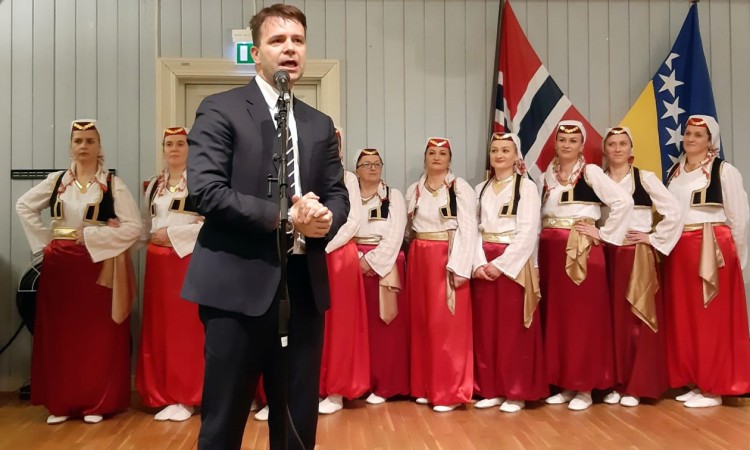
The Association of Citizens of Bosnia and Herzegovina (BiH) in Norway, led by Miralem Becirovic, organized the marking of BiH’s Independence Day.

The ceremony took place in Norway’s capital, with a cultural-artistic program, after which BiH’s Ambassador to Norway Nedim Makarevic spoke on the importance of this holiday for BiH.
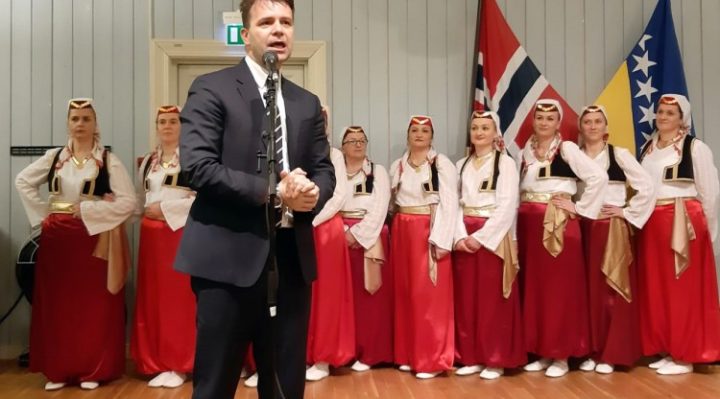
In addition to the recitals performed by children from the Bosnian school “Jabuka”, performances by members of the Institute of Sevdah also presented Bosnian traditional folklore dance.

Special guest of the event was General Sulejman Vranj who addressed the present ones, speaking on the importance of the Independence Day of BiH.

March 5, 2019 0 comments
0 FacebookTwitterPinterestEmail
Environment

Europe’s first underwater restaurant opens in Norway

by Nadarajah Sethurupan March 4, 2019
written by Nadarajah Sethurupan

Europe’s first underwater restaurant has been started in Norway. This restaurant in Spangereid, has a 100 people sitting capacity. On the opening day of the restaurant, almost 7,000 people booked a table for dinner.

The restaurant “Under” is located at a depth of 5 meters below sea level.

The walls of this restaurant are made of glass. The people coming here can seethe sea creatures. In some countries of the world there are under water restaurants. Artificial lights will be used to guide the fish and their prey near the viewing window.

A meal at this restaurant can cost you $430 (€376). “Under” measures 34 meters in length and is designed to blend into the marine environment over time. Its rough concrete shell will act as an artificial reef for limpets and kelp.

March 4, 2019 0 comments
0 FacebookTwitterPinterestEmail
Environment

Norway’s first Radisson RED to open in 2021

by Nadarajah Sethurupan March 4, 2019
written by Nadarajah Sethurupan

Radisson Hospitality is launching the first Radisson RED hotel in Norway, the Radisson RED Okern Oslo. This vibrant and unique hotel concept is set to open its doors in 2021 in one of the most forward-thinking buildings in Oslo. Apart from the hotel, the 81,000m² complex will also comprise flexible office premises, restaurant, a rooftop bar offering 360-degree views over Oslo and a rooftop garden. The property is being built in partnership with Oslo Pensjonsforsikring AS and Norlandia Hotel Group. All design choices in the hotel project will be made with the guest experience and sustainability in mind – with the aim of achieving BREAAM-Nor certification.

Okern is often referred to as the future City Center of Oslo, as it’s a living laboratory with the goal of becoming Europe’s most environmentally friendly urban development project. It is situated in the heart of Hovinbyen, one of Oslo’s newest and most ambitious city development areas. The district of Hovinbyen is Oslo’s biggest development area, with up to 40,000 new apartment buildings in planning – providing homes to 100,000 people. The hotel enjoys easy access to the public transport system, with the metro, airport express bus and Ring 3 being within the walking distance from the property.

Elie Younes, Executive Vice President & Chief Development Officer, Radisson Hotel Group, said: “We’re thrilled to bring the first Radisson RED to Norway and offer our guests this bold, playful brand in such an up-and-coming area of Oslo. It’s hugely exciting to be part of this highly innovative project – the perfect fit for Radisson RED.”

Morten A. Kahrs, CEO of Norlandia Hotel Group, the owner, commented: “It’s with great pleasure and excitement that we’ve signed the agreement to bring Radisson RED to Oslo with this fantastic hotel. The property will provide guests with untraditional experiences and be built with truly innovative and sustainable solutions as key features.”

March 4, 2019 0 comments
0 FacebookTwitterPinterestEmail
Norwegian Aid

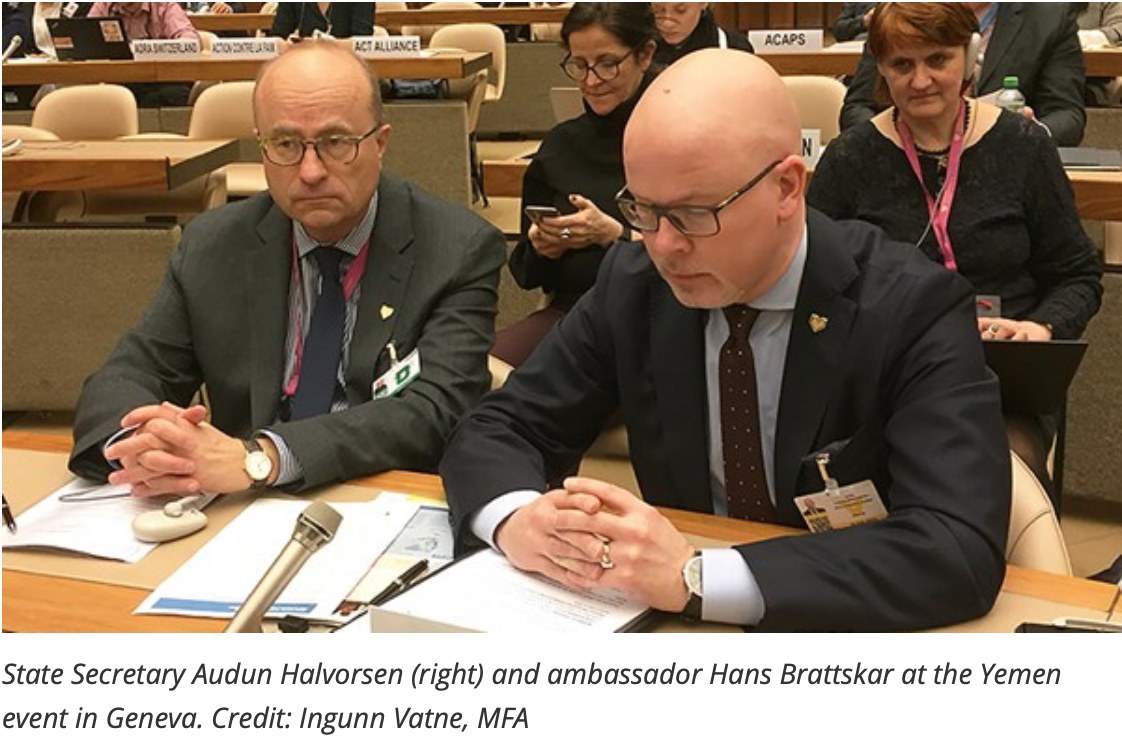
Norway to provide NOK 150 million in humanitarian support to Yemen

by Nadarajah Sethurupan March 3, 2019
written by Nadarajah Sethurupan

‘The crisis in Yemen is the world’s worst humanitarian disaster. According to the UN, 80 % of the population will need humanitarian assistance and protection in 2019. Norway and other donor countries must provide support to ensure that the people of Yemen are given protection and life-saving assistance. The Government has therefore decided to allocate a further NOK 150 million to the humanitarian efforts in Yemen,’ said Minister of Foreign Affairs Ine Eriksen Søreide.

State Secretary at the Ministry of Foreign Affairs Audun Halvorsen is today representing Norway at the High-Level Pledging Event for Yemen in Geneva, where Norway’s contribution will be announced. UN Secretary-General Antonio Guterres has convened the event to draw attention to the crisis and mobilise increased humanitarian support. Some 3.3 million Yemeni people have been internally displaced as a result of the conflict. According to UN estimates, around 14 million people are in acute need. 

‘This is a food crisis and a protection crisis that is having a devastating impact on the people of Yemen. The parties to the conflict must comply with international humanitarian law and ensure that humanitarian actors have safe and unimpeded access to all those in need. The attacks on hospitals, schools and other civilian infrastructure must stop, and more needs to be done in many other areas to protect civilians, not least against sexual and gender-based violence,’ said Ms Eriksen Søreide.

Earlier this year, the most important parties to the conflict in Yemen agreed on a ceasefire agreement at a meeting in Sweden. UN Special Envoy Martin Griffiths is engaged in intensive efforts to ensure that the parties comply with the agreement and start consultations on a political solution to the conflict.

‘Only a negotiated political solution can bring an end to the humanitarian crisis in Yemen. Norway is supporting the work of the UN Special Envoy,’ said Ms Eriksen Søreide.

The additional funding from Norway that was announced today will be channelled through the UN, the Red Cross Red Crescent movement, and humanitarian civil society organisations that are working with local partners in Yemen. In addition to this funding, Norway is providing support through multilateral channels such as the UN Central Emergency Response Fund (Cerf) and the World Bank.

March 3, 2019 0 comments
0 FacebookTwitterPinterestEmail
Media Freedom

Time for Leadership at US Agency for Global Media

by Nadarajah Sethurupan March 1, 2019
written by Nadarajah Sethurupan

After two years of stalling, it’s time for the USA administration to get its own leadership in place at the U.S. government’s global media complex.

After a few cliffhanging and nail-biting developments in late 2018, the Senate is positioned to move forward with the nomination for the top job at the U.S. Agency for Global Media.

The nomination of filmmaker Michael Pack to be the agency’s chief executive officer was resubmitted last month to the Senate Foreign Relations Committee.

The job as CEO of the U.S. Agency for Global Media requires broadcasting experience, understanding of U.S. global media and their mission, and executive skills.

Pack has ample qualifications for the job. He is a former U.S. Information Agency Worldnet executive and a maker of documentary movies, broadcast primarily by PBS.

Pack was until recently president of the Claremont Institute, a leading public policy organization dedicated to the principles of the American founding. He would bring all those assets to the job.

The U.S. Agency for Global Media is the government’s primary public diplomacy tool and is funded to the tune of $685 million by U.S. taxpayers. It dwarfs any other expenditure by the government on international outreach, including educational and cultural exchanges, embassy outreach, and American centers at foreign universities.

The sooner the Trump administration can get its own leadership in place, the sooner the U.S. Agency for Global Media can become the asset for U.S. global leadership that it was always intended to be.

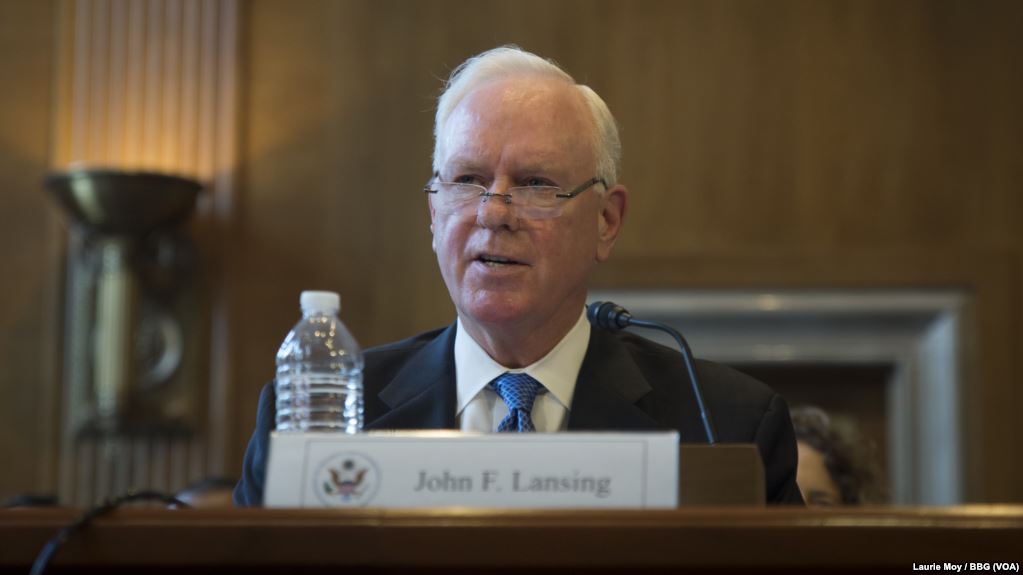
Below is a full rush transcript of a press conference by John F. Lansing, U.S. Agency for Global Media, CEO and Director.

Mr. Lansing: Thank all of you for your interest in our new initiative, VOA 365.

By way of background, I’m the Director and CEO of the U.S. Agency for Global Media, an independent federal agency supervising all U.S. government supported civilian international media. With the mission to inform, engage and connect people around the world in support of freedom and democracy our five networks — the Voice of America, Radio Free Europe, Radio Liberty, the Office of Cuba Broadcasting including radio and TV Marti, Radio Free Asia and the Middle East Broadcasting networks, Alhurra TV and Radio Sawa — all have a measured audience of 345 million people, unduplicated in more than 100 countries and in 60 languages.

A statutory U.S. firewall prohibits interference by any U.S. government official in the objective and independent reporting of news, thereby safeguarding the ability of our journalists to develop content that reflects the highest professional standards of journalism free of any political interference. And that’s by statute.

Of our top priority markets around the world, none has more of our attention right now than Iran. Given the dynamic political situation, it’s more important than ever that Iranian citizens get the facts about U.S. positions, responsible informed analysis and discussion about important developments bilaterally and regionally.

As you may know, USAGM has two networks that broadcast in Farsi “Voice of America and Radio Free Europe/Radio Liberty” with a measured weekly audience of over 23 percent that’s roughly a quarter of all adults in Iran. So we’re reaching 14 million Iranians across digital mobile TV and radio platforms.

Based on our most recent survey data, a strong majority of RFE/RL’s Farda and VOA Persian audiences trust our programming. Over seven in ten say they find the content of Radio Farda and Voice of America Persian trustworthy.

Our skyrocketing audience in Iran is aided by our internet freedom tools which allow citizens there to circumvent Iranian government censorship. For example, our coverage during the wave of protests that rippled through Iran in late 2017, early 2018 was in such high demand that USAGM sponsored circumvention technology averaged 800,000 users per day and ranked in the top three downloads among all apps.

Our coverage of President Trump’s announcement of the U.S. withdrawal from the Iran deal also saw enormous engagement across all platforms.

VOA reached Persians in Iran and around the globe with a live special report on satellite TV channels, simulcast on four digital platforms. This included simultaneous translation in Farsi of the announcement and live reactions from Diaspora representatives in Los Angeles and Paris.

In fact, VOA’s Persian service piloting of simultaneous interpretation of live political events including hearings on Capital Hill, White House press conferences and other major political events to give the Iranian people unfiltered access to American democracy in action. It’s unique and something we’re very proud to deliver.

On social media, videos of President Trump’s remarks translated into Persian were viewed more than two million times. More broadly, we’re looking at all major and emerging platforms as part of a distribution strategy. Last year content from VOA generated over 40 million engagements on Instagram. That’s a 74 percent increase from the previous year. Instagram also produced almost 140 million video views for VOA — a 228 percent increase.

Now while we’re pleased with the numbers we’ve seen and we’re actively looking for ways to sharpen the impact of VOA Persian, and RFE/RL’s Radio Farda. Further, the administration has placed high emphasis on confronting the disinformation efforts of the Iranian regime and enhancing U.S. efforts to speak directly to the Iranian people and the global Persian Diaspora during a pivotal time in U.S.-Iranian relations.

So our new initiative called VOA 365 is a 24×7 Persian language global network. It will build upon the successful model set by our 24×7 Russian language global network called Current Time. That’s a collaborative project between RFE/RL and VOA as will this new network VOA 365.

We want to meet the market demand among Persian language audiences for multi-faceted and dynamic programming. The network will be distributed in Iran and importantly, everywhere around the world wherever large Persian Diaspora audiences can be found — from Paris to Dubai to beyond.

The new network produces high quality news, debate, magazine content and breaking coverage and cultural programming, all delivered in a clear, contemporary and compelling style. Specifically the four pillars of the content for the network are first, news and information produced in a high-quality contemporary style. Second, long form talk debate magazine programming. Third, high quality acquired and commissioned programs on culture and science. And fourth, an immediate and robust breaking news coverage of events in the U.S.

Now that’s a huge differentiator among other broadcasters.

The network will take advantage of all platforms available satellite, digital, mobile and the promising option of OTT, over the top, and video on demand. Audiences in Iran and elsewhere see USAGM programming as a key source of objective news during moments of uncertainty as well as in their everyday lives. With this new global network VOA 365 we continue our commitment to bring unbiased, accurate and comprehensive news and information to the people of Iran and Iranians and Farsi speakers around the world.

We continue to make great strides to improve the delivery and content of our programming to Persian-speaking audiences in Iran and to the worldwide Diaspora.

Question: Could you please tell us more about the public roll-out events?

Mr. Lansing: We are planning, a first event will be on Capital Hill next week. We’ll be in the Rayburn House Office Building and we’ll be announcing to staffers and members alike the creation and launch of the new network. And then later on in March and into April we’re planning events in New York, Washington, DC and Los Angeles to inform the Diaspora and other interested leaders in the DC area not on Capitol Hill, and we would welcome the participation of the Washington Post at any and all of those.

Question: Nadarajah Sethurupan ask about journalists’ safety and how does the U.S. promote journalists’ safety around the world when there are many places in the world that are promoting state terrorism against journalists including in Iran and Russia ?

Mr. Lansing: That’s a very important question. I’m glad it was raised.

Journalist safety is the top priority of our agency. Of course we have experienced some tragedy through the years including last year we lost three journalists from Radio Free Europe/Radio Liberty at the bombing in Kabul. So we take seriously the journalists who work for us and their safety every day. That includes stringers and anybody associated with any of our five networks around the world.

We’re also in the process of developing a new USAGM Foundation that will allow us to raise money, to have funds available for the families of fallen journalists, and we hope to, that’s actually new, and we’ll be announcing that at our upcoming board meeting next week.

Question: If you could give us some more information about how this new Network VOA 365 is different from other networks that you may have had. What makes it sort of new and exciting?

Mr. Lansing: As I said in my opening remarks, it’s patterned along the same model as Current Time, our Russian language network, and generally the strategy of the shift away from strictly targeting geographic areas into targeting languages around the world. So in the past, for example, our Russian language content at VOA and RFE/RL was distributed within Russia for Russians which is fine. But the new network, Current time, as will be the case with VOA 365, we’re expanding now to a language-based strategy. So our target is not just Iranians within Iran, of which we are reaching 25 percent, but the large Diasporas of Farsi-speaking people around the world. Our thinking is that if we can reach Farsi speakers in key areas around the world, then their use, their personal use of social media will act as a force multiplier for our content as they share it both between themselves and back into Iran itself.

Question: Is there any chance you can get into ? Iran, what kind of programs they really want to know in terms of themes, subjects, issues they want to have linked with VOA 365?

Mr. Lansing: Thank you. We do have some recent research out of Iran and have been able to stylize our content strategy based on what we’re learning from audiences within Iran.

Number one is, a fair and journalistically honest report on issues important to Iranians that are happening in the United States and in the government of the United States. And also coverage within Iran of stories that otherwise aren’t being covered by state media.

I think back to the protests that erupted at the beginning of 2018. Much of that coverage was not seen around rural Iran, and we were able to provide coverage of that [inaudible] and Radio Farda.

Those are two news pillars. And then beyond that cultural news, science, entrepreneurialism, business, different subjects that carry the dimensions of this network beyond being just a news network.

Question: I used to follow the BBG when I was based in Washington, DC, now I’m back in Russia, and I’m afraid that I’m out of the loop a little bit. I was not even aware of the name change for the BBG. Could you give me an overview about how this actually works. For instance, in the old days the administration was giving guidance to the BBG I think through the Secretary of State , Under Secretary for Public Diplomacy and the board. So how does it work now? The political guidance.

Mr. Lansing: Thank you, Andrei. We still have a board of directors and there’s a representative on the board of directors that represents the Under Secretary for Public Diplomacy.

The important thing to understand, though, is that by law and by statute our content, our journalism is protected as independent from any government interference. And the Secretary of State and the Under Secretary of State for Public Diplomacy both agree with that, understand it, and support that. So that hasn’t changed.

The name was changed because we felt like BBG just didn’t say what it was we did. It didn’t articulate our mission. We wanted to have a name that not just articulated our mission, but also represented our commitment to move beyond radio and TV to be on every platform possible to reach audiences.

In terms of our Russian audience, Current Time plus VOA Russian plus RFE collectively now reach about 7.5 percent of Russians on a weekly basis. Increasingly we’re seeing the fastest and greatest growth on social media networks inside Russia. Videos on social media from Current Time are very much the fastest growth category for us in Russia. And then as I said earlier, Current Time now is targeting Russian speakers everywhere. So we are distributed in Jerusalem, and we’re distributed in Madrid and anywhere outside of the U.S. where there’s a large Russian language Diaspora, we’re also distributing Current Time.

Question: So at the moment we can see some cooperation between Radio Farda and VOA Farsi. For example we can see the [logos] of both channels on the screen. Is the next phase going to be a complete merger between the two entities? And is there any expansion plan in terms of resources and number of journalists?

Mr. Lansing: The answer to your first question is no, we’re not planning a complete merger of VOA and RFE/RL. They really have distinctive missions. VOA’s mission is to tell America’s story to the world, and in this case America’s story to Iranians, Persian-speaker. And it’s really the role of RFE/RL to act as surrogate journalists within Iran to cover stories that state media would choose not to have covered.

So the combination of RFE/RL and VOA allows us to blend those two missions into one 24×7 global network, and that’s really the full breadth of that strategy.

Yes, we were able to, in terms of resources we were able to garner more support from Capital Hill for the launch of this new network, and that has allowed us to hire more journalists and to put more time, energy and money into the production quality of our television content. Studio sets, graphics, music, etcetera.

Question: I have a follow-on question regarding the reach in the audience. 25 million Iranians listening to radio programs and podcasts every month. Are these separate individuals, or is this the total of the number of people listening where there might be of course a repetitive listener?

Mr. Lansing: It’s unduplicated individual listeners on a weekly basis.

Mr. Lansing: I would just like to thank you and thank those that participated. We really appreciate your interest.

But this launch of a 24×7 global network for Iranian speakers not only follows in the path of a successful launch of Current Time for Russian speakers, but it paints the path forward for how we look to grow in the future by growing in global languages and global networks around the world. So keep an eye out for further stories coming out of USAGM and once again, thank you very much.

March 1, 2019 0 comments
0 FacebookTwitterPinterestEmail
Norwegian American

Hillary Clinton to visit BI on International Women’s Day

by Nadarajah Sethurupan March 1, 2019
written by Nadarajah Sethurupan

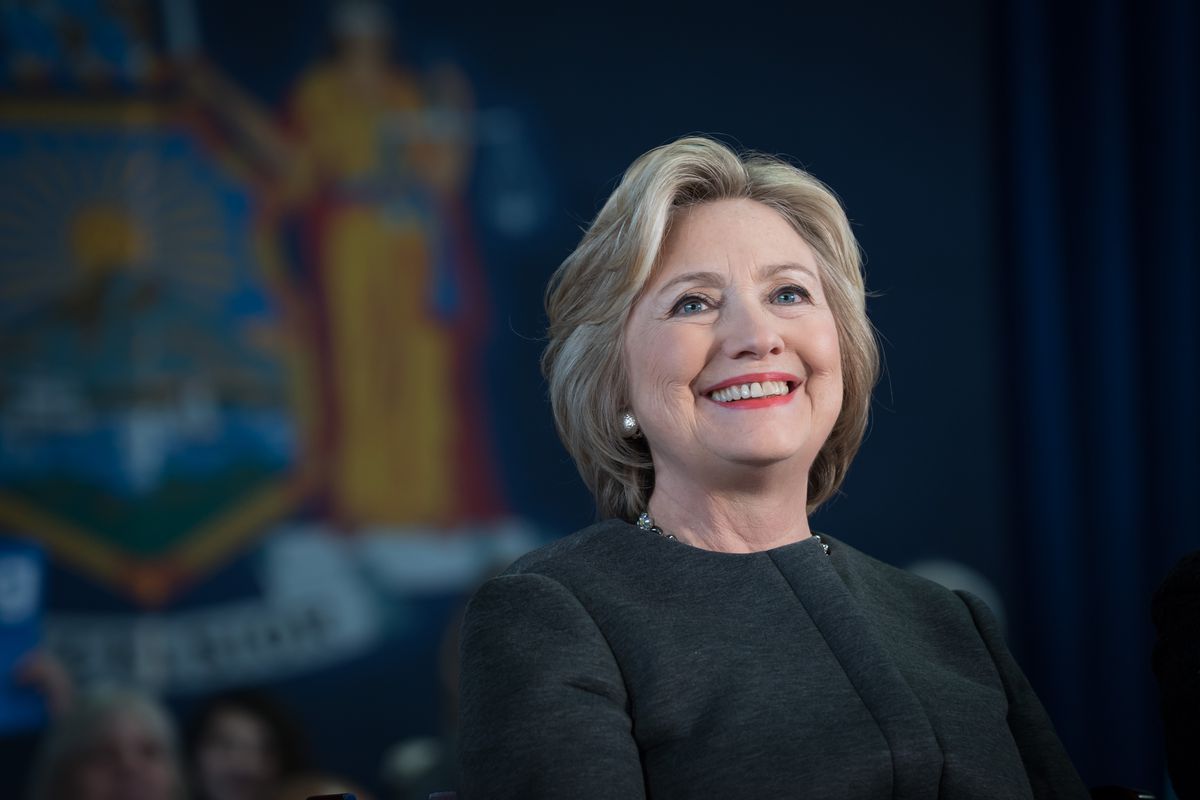
On March 8 the former US Secretary of State, Senator and First Lady Hillary Rodham Clinton will visit BI Norwegian Business School as the keynote speaker for an international conference focusing on gender equality.

Photo – BI

“This will be an exciting week. We look forward to welcoming both former Secretary Clinton and students from all over the world to BI. It will be interesting to get Clinton’s perspective on gender equality and diversity as essential drivers for a sustainable economy” says Inge Jan Henjesand, president of BI.

Secretary Clinton’s lecture is part of a larger BI project called “The Gender Equality Experience” in which BI has invited international students from around the world to come to Oslo to participate in an exciting and challenging week programme focusing on the theme of gender equality.

Interest from international students to participate has been overwhelmingly positive. Out of 785 applicants, 6 lucky participants have been selected for an exciting and educational week in which they will gain new perspectives and face challenging tasks related to gender equality, the economy, and diversity.

“As an international higher education institution, it is important for us to contribute to the knowledge and dialogue on important issues. This is directly connected to BI’s strategy, which has both sustainability and internationalisation as two of our most important pillars” Henjesand concludes.

About Hillary Rodham Clinton:

  • United States Secretary of State, 2009-2013
  • United States Senator New York, 2001-2009
  • First Lady of the United States, 1993-2001
  • First Lady of Arkansas, 1983-1992

The event is reserved for BI’s full-time students. It is therefore not possible to purchase a ticket or otherwise secure a seat for this event. The conference will be streamed live and you are most welcome to follow us there. The link will be published in BI’s channels prior to the conference.

March 1, 2019 0 comments
0 FacebookTwitterPinterestEmail
Srilanka and Norway

Norwegian State Secretary to visit Sri Lanka

by Nadarajah Sethurupan March 1, 2019
written by Nadarajah Sethurupan

Ms. Marianne Hagen, State Secretary (State Minister) at the Ministry of Foreign Affairs of Norway, will make a two-day official visit to Sri Lanka from 5 to 6 March 2019.

During the visit, Ms. Hagen will call on Prime Minister Mr. Ranil Wickremesinghe, Foreign Minister Mr. Tilak Marapana and Finance Minister Mr. Mangala Samaraweera. In addition, she will meet with representatives from the Office of Mission Persons, Human Rights Commission, Civil Society and Business.

She will be a guest at a “Kids can code” event organized jointly by SLASSCOM and their Norwegian sister organization ICT Norway. She will also be present at the signing ceremony of a Letter of Intent between the Royal Norwegian Embassy in Sri Lanka and SLASSCOM about expanding their cooperation in the information and communication technology (ICT) sector for sustainable employment and innovation.

Her visit to Sri Lanka is expected to provide an opportunity for the two countries to discuss ways to build partnership in areas of common interest ranging from business and healthy oceans to a rules-based world order and sustainable development. They will discuss Sri Lanka’s important efforts for reconciliation and justice after the conflict. Since Norway took over the presidency of the Mine Ban Treaty in 2018, Ms. Hagen will also be visiting demining sites in the North.

Ms. Hagen arrives in Sri Lanka after concluding a two-day official visit to the Maldives.

March 1, 2019 0 comments
0 FacebookTwitterPinterestEmail
Norwegian Aid

Norway to disburse NOK 125 million to UNRWA

by Nadarajah Sethurupan February 24, 2019
written by Nadarajah Sethurupan

‘The UN Relief and Works Agency for Palestine Refugees (UNRWA) is in a critical financial situation and is facing a severe funding gap. That is why we like last year are disbursing the whole of our core contribution of NOK 125 million to UNRWA at the beginning of the year,’ said Minister of Foreign Affairs Ine Eriksen Søreide. 

The way UNRWA is handling its critical financial situation, which is partly a consequence of the US cutting all its funding to the organisation last year, was one of the topics discussed today when Ms Eriksen Søreide met UNRWA Commissioner-General Pierre Krähenbühl at the Munich Security Conference. They also discussed the need for continued reforms.

‘It is crucial for stability in the region that UNRWA’s schools remain open and that the Palestine refugees have access to basic services. In 2018, UNRWA succeeded in mobilising increased contributions, in particular from the Gulf states. It is vital that these contributions are maintained in 2019, and that the donor countries provide support quickly,’ said Ms Eriksen Søreide.

Norway is a significant donor to UNRWA. In addition to its core contribution of NOK 125 million, Norway will also provide humanitarian funding. In 2018, Norway contributed NOK 294 million to UNRWA’s work.

UNRWA was given its mandate by the UN General Assembly in 1949. Among other things, the organisation provides health services and education to over 5 million Palestine refugees on the West Bank, in Gaza, and in Jordan, Lebanon and Syria. Over half a million schoolchildren attend UNRWA-operated schools. The organisation is also an important employer of Palestine refugees. The international community has given UNRWA the mandate to carry out these tasks until the refugee issue is solved as part of a negotiated two-state solution between the Israelis and the Palestinians. 

February 24, 2019 0 comments
0 FacebookTwitterPinterestEmail
Russia and Norway

11 Russian bombers flew a mock attack on a Norwegian radar site in early 201

by Nadarajah Sethurupan February 23, 2019
written by Nadarajah Sethurupan

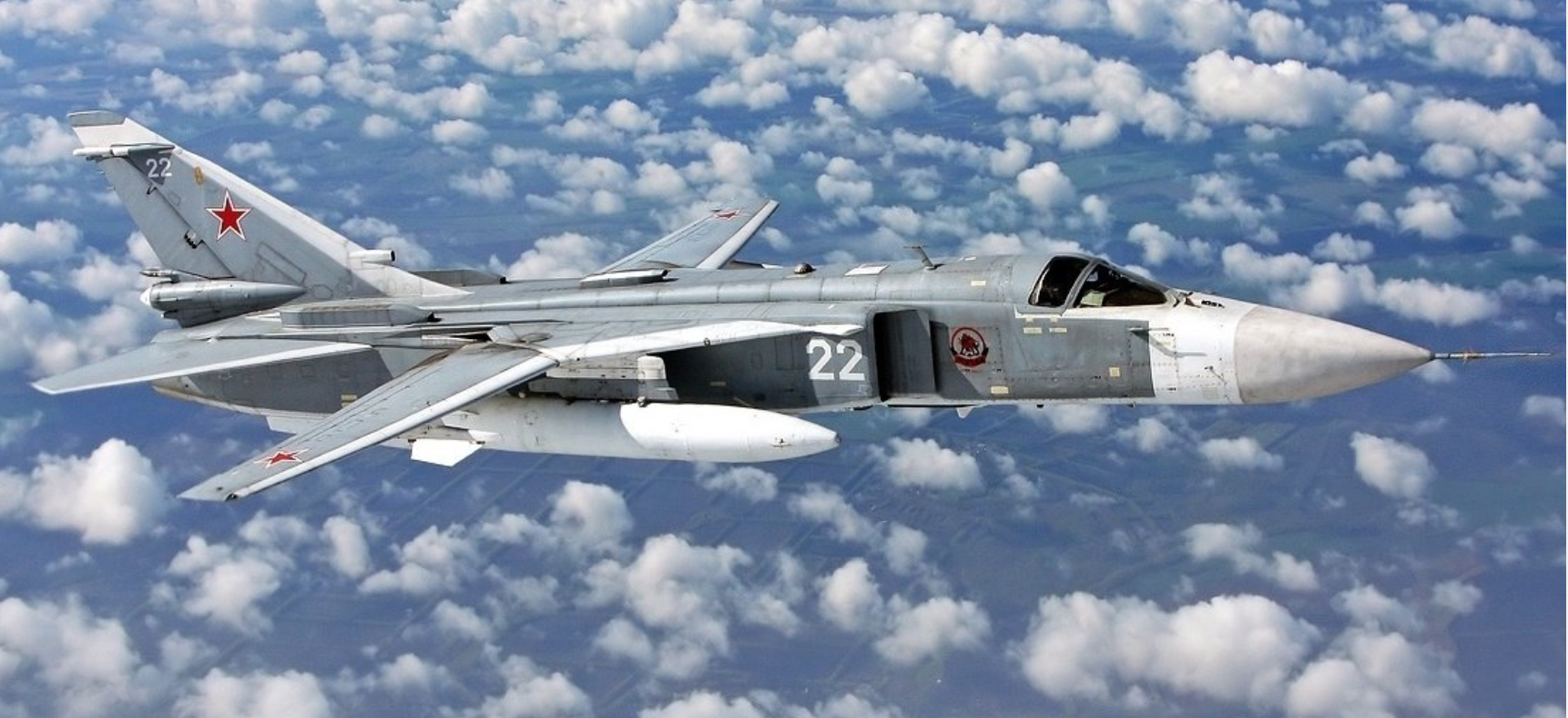
Eleven Russian bombers in early 2018 flew a mock attack on a Norwegian radar site, Lt. Gen. Morten Haga Lunde, the director of Norway’s intelligence service, revealed in early February 2019.

The Su-24 supersonic bombers took off from Monchegorsk air base on the Kola Peninsula, flew out over the Barents Sea then turned and formed into an attack formation before zooming toward the Norwegian town of Vardø, Lunde recalled.

A Sukhoi Su-24M of the Russian Air Force inflight over Russia in May 2009. (WIkimedia Commons/Alexander Mishin0)

“Located on a small island on the Barents Sea coast, Vardø is traditionally a fishing town, but its location close to Russia’s heavy militarized Kola Peninsula makes it a perfect location for radar surveillance,” The Barents Observer explained.

“The so-called Globus-II radar has for decades been a thorn in relations between Moscow and Oslo. Officially the radar observes objects in space,” the news site continued. “It is also believed to be highly capable of monitoring and building a signature database of Russian ballistic missiles.”

“The radars in Vardø are operated by the Norwegian Intelligence Service.”

Russia frequently conducts mock air and commando raids, both as practice for war-time operations and as a form of intimidation targeting rival states.

Kristian Åtland, an expert with the Norwegian Defense Research Establishment, told Barents Observer the 2018 simulated attack was a “deliberate and carefully planned Russian signaling operation.”

Russian forces in July 2018 daringly simulated an assault on Gogland Island in the Finland Sea just south of Sweden. The island is Russian territory.

“The difficulty of landing on the coast of the island was [due to] the unpreparedness of the site and the choppy wind that is characteristic of all the islands of the Gulf of Finland,” the Kremlin stated.

“The special forces left the side of the Mi-8AMTSH helicopter at an altitude of 2,500 meters three kilometers from the island.”

The commandos used satellite navigation to steer themselves to the landing zone, the Russian statement continued. “After landing, the scouts disguised the parachutes and advanced into the interior of the island.”

Shortly before the island raid and around the same time as the mock attack on Vardø, 17 Russian warplanes buzzed the Royal Navy destroyer HMS Duncan in the Black Sea.

A year earlier in March 2017, nine Russian warplanes conducted another raid targeting Vardø. Three months later in May 2017, 12 Russian planes simulated attack runs on NATO vessels exercising in Norwegian waters off Tromsø.

The same month, a separate Russian force pretend-bombed military installations in the vicinity of Bodø, the home of the Norwegian military’s joint headquarters and its fleet of F-16 fighters.

In April 2014, a Russian Su-24 made several passes near the U.S. Navy destroyer USS Donald Cook in the Black Sea. “It would be real interesting to see what shows up in the Russian papers in the morning, how they play it,” Rick Hoffman, a retired Navy captain, told Navy Times .

A few months prior to the Donald Cook incident, two Russian Su-27 fighters and four Tu-22M bombers simulated attack runs against Poland, the Baltic countries and the southern tip of Öland in Sweden.

At least some of those mock attacks matched the profile of a nuclear strike, NATO officials admitted in 2016.

“As part of its overall military build-up, the pace of Russia’s military maneuvers and drills have reached levels unseen since the height of the Cold War,” Jens Stoltenberg, then the secretary general of NATO, warned in 2015.

Reacting to Russia’s attempted intimidation of HMS Duncan, Royal Navy lieutenant commander James Smith was defiant. “They may consider it to be escalatory, we certainly don’t,” Smith told The Daily Mail . “But it depends on how you spin the narrative. The one thing the Russians are very good at is spinning a narrative.”

“We have to demonstrate and create our own as well,” Smith continued. “They can scream and shout all they want but we still have the right, as do all these units, to be where we are, operating how we are.”

(This article originally appeared on The National Interest.)

February 23, 2019 0 comments
0 FacebookTwitterPinterestEmail
Terrorist

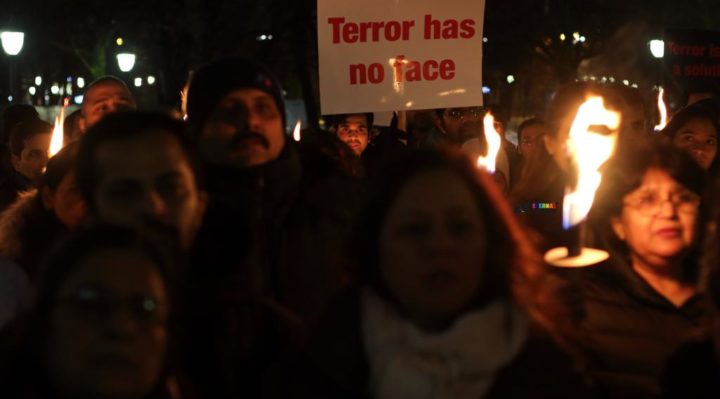
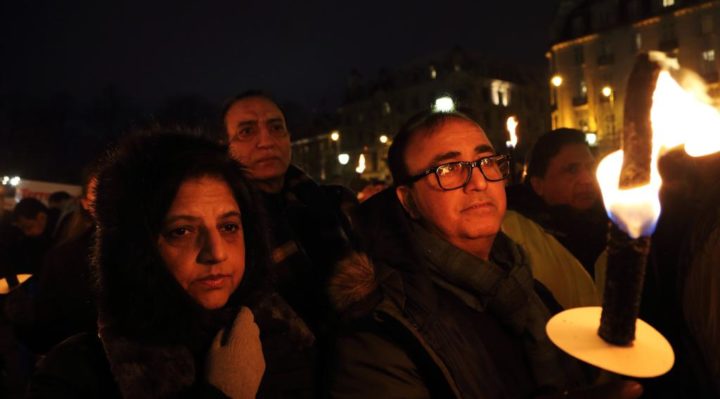
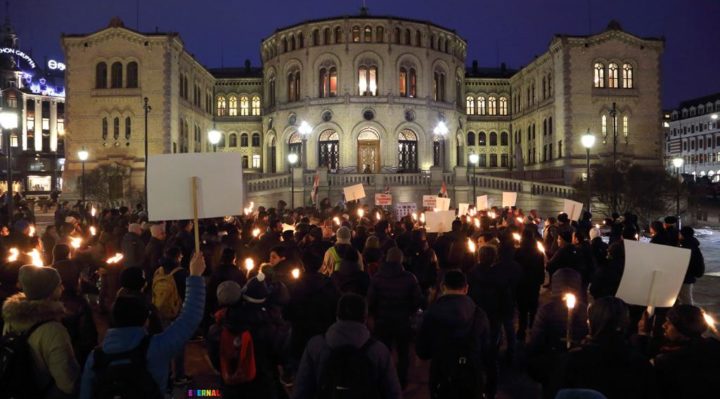
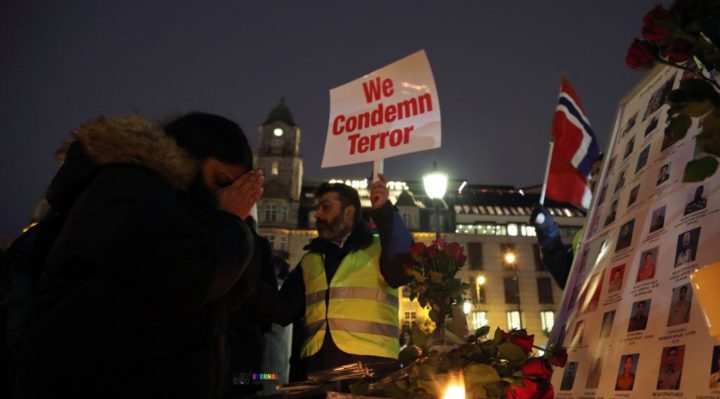
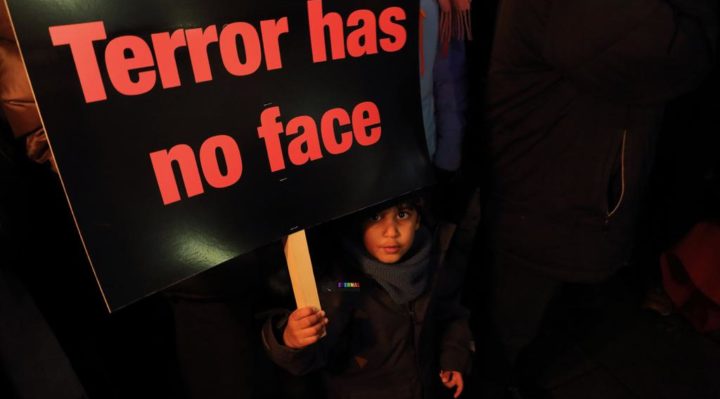
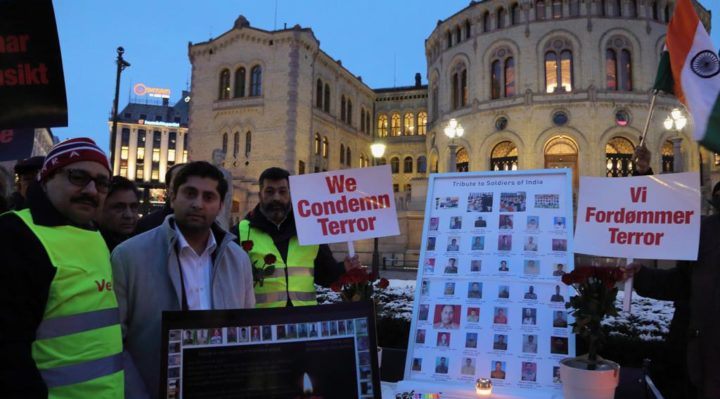
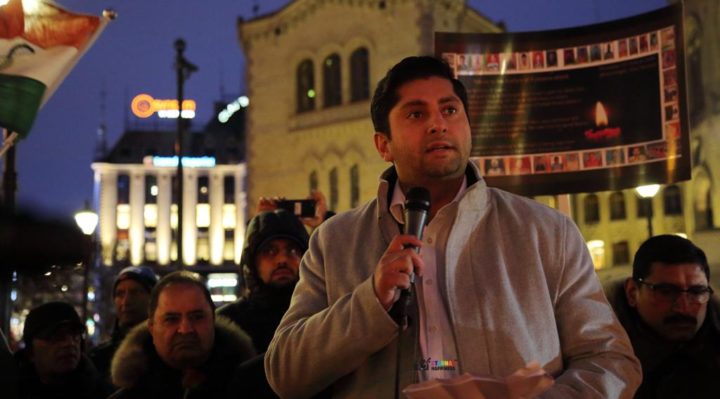
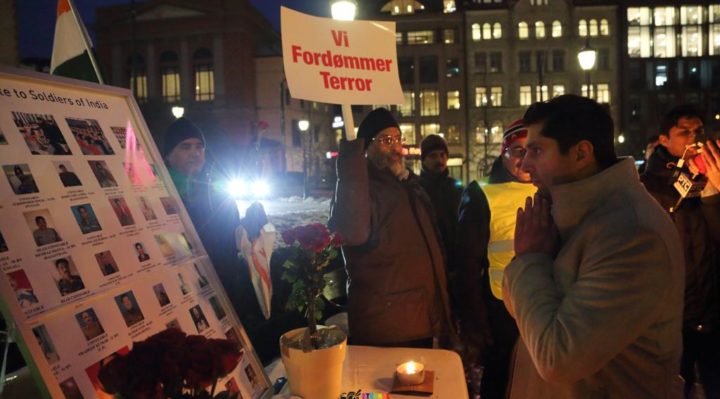
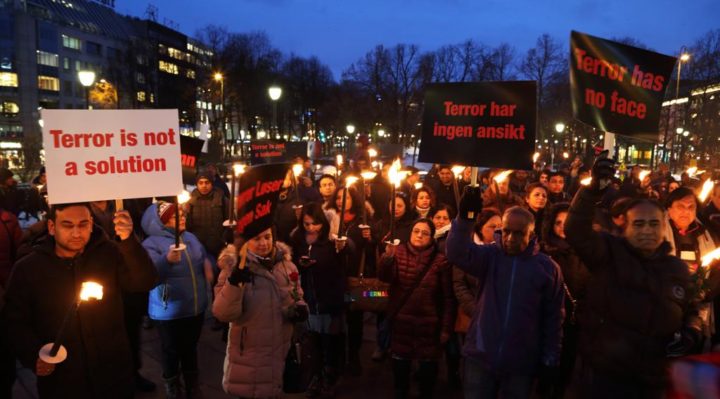
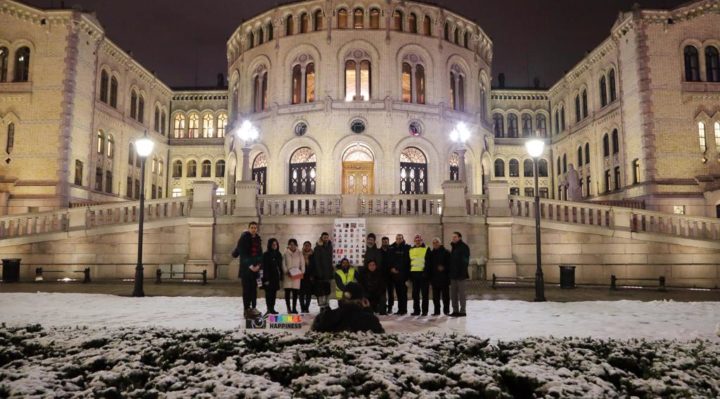
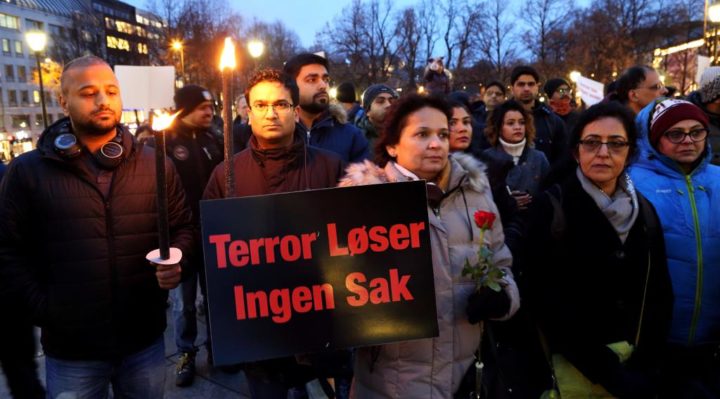
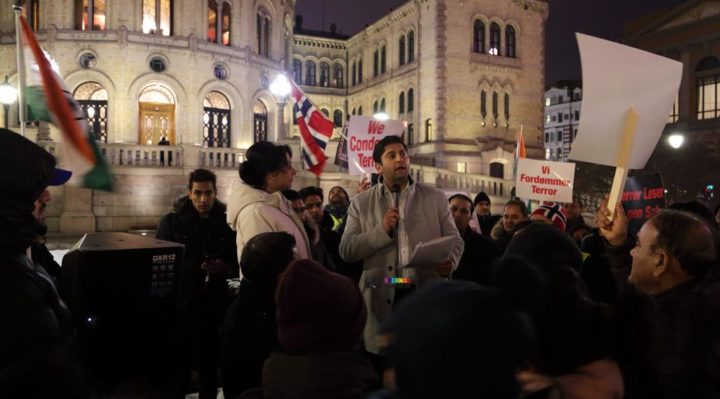
Norwegian-Indians maintain a memorial in entrance of Parliament

by Nadarajah Sethurupan February 22, 2019
written by Nadarajah Sethurupan

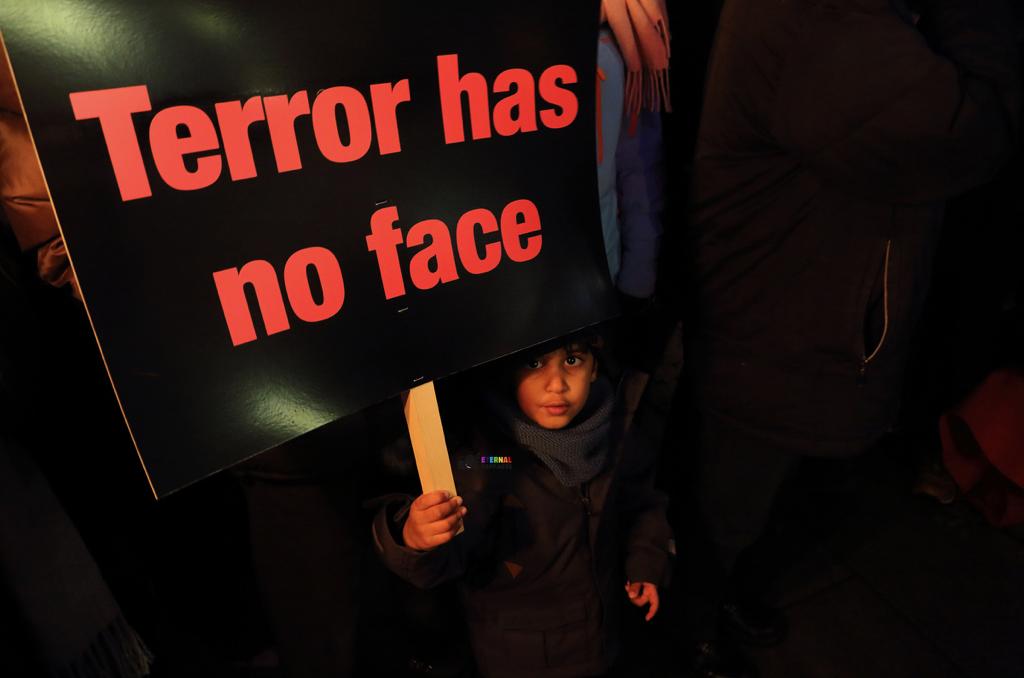
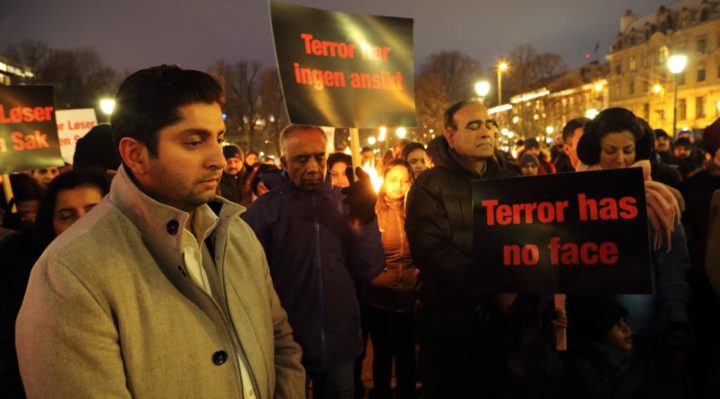
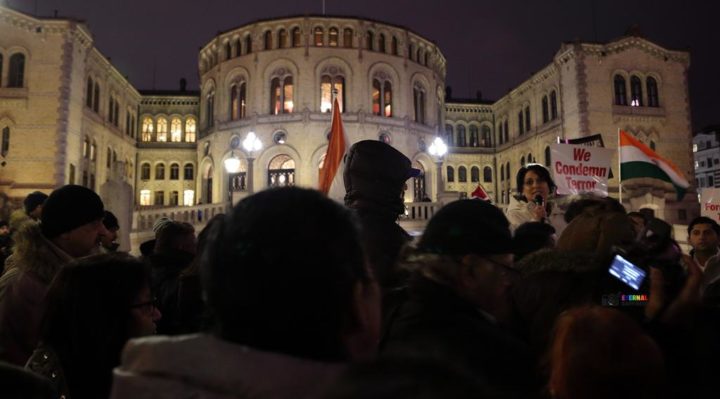
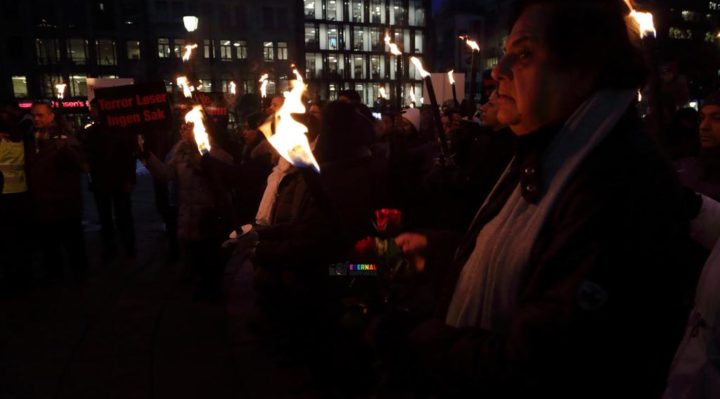
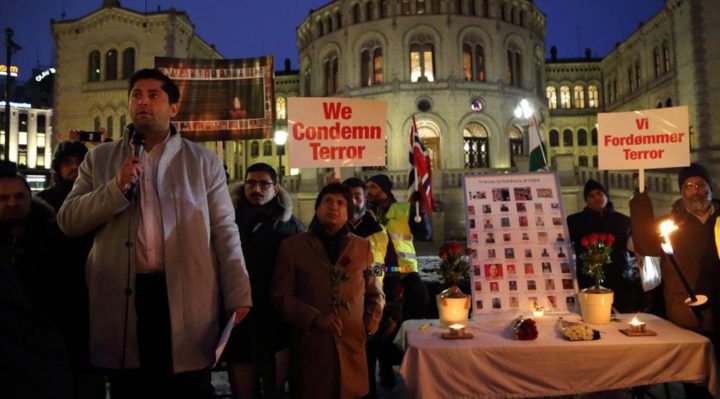
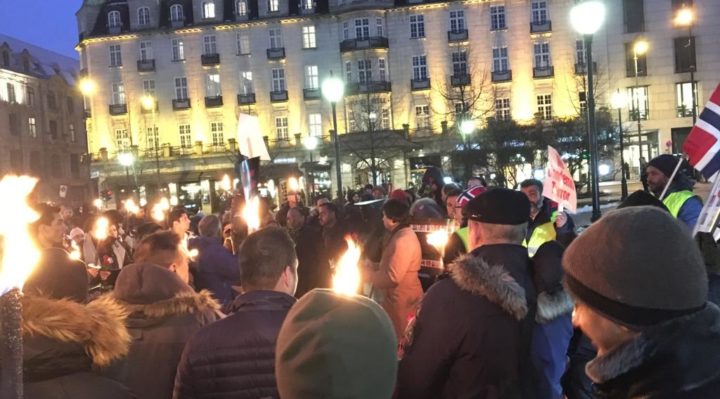
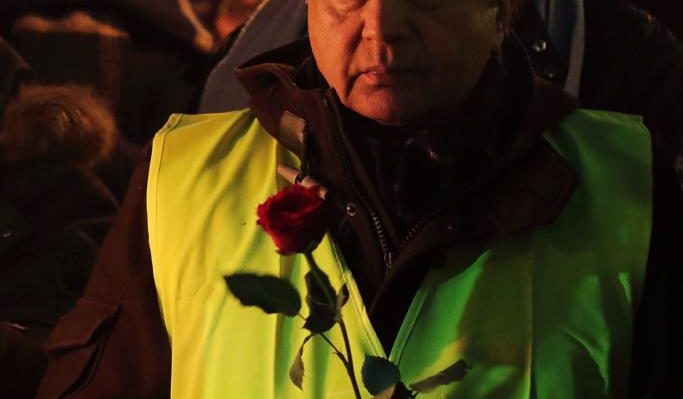
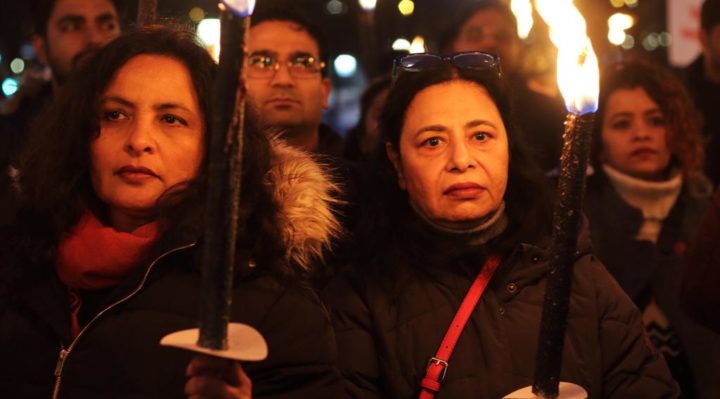
The Norwegian-Indian association held a memorial in front of Parliament on Thursday to honor the victims of the terrorist attack in Indian-controlled Kashmir last week.

India has accused the Pakistani Islamist group Jaish-e-Mohammed of being behind the attack.

The Norwegian-Indian association encourages the Norwegian government to list the group.

“We cannot accept terrorist organizations such as Jaish-e-Mohammed. We therefore ask the Norwegian authorities to list the group on the terror list and to work to list them as well at the UN,” says Manoj Mishra, who is one of the initiators of the marking.

Parliamentary representative Himanshu Gulati (FRP) appealed against terror during the memorial, and received the petition on behalf of the governmental parties.

“This is a worthy memorial mark for the 42 victims of the terrorist attack and an opportunity for all Norwegians to show that we stand together against terror.

I have understood that the Norwegian-Indian association will also hand over a call for terrorist lists to some organizations, and I will bring it to the government,” Gulati says.

(© NTB Scanpix / #Norway Today)

February 22, 2019 0 comments
0 FacebookTwitterPinterestEmail
Science

Scientists create new 3D printing equipment for industry

by Nadarajah Sethurupan February 21, 2019
written by Nadarajah Sethurupan

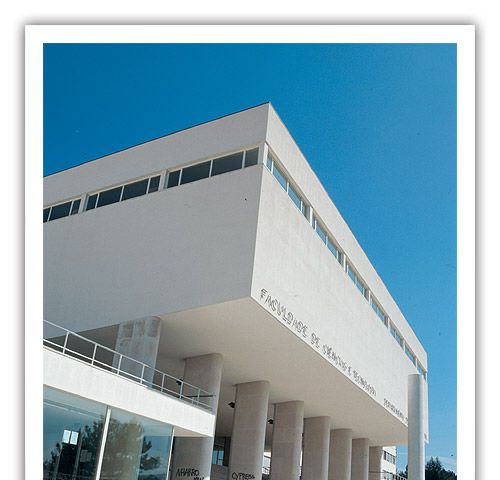
Researchers from Portugal and Norway have developed a first-ever robotic system for 3D printing with six movement axes which allow “the printing of large-scale metal parts in various angles and planes”.

This was announced on Wednesday by Portugal’s Faculty of Science and Technology of the University of Coimbra (FCTUC). The new system represents a new generation of 3D printing for the entire industry and has already attracted the interest of the Indian multinational Tata Steel, one of the largest metal suppliers in the world.

The new system represents a new generation of 3D printing for the entire industry that uses “large metal materials” (aeronautical and oil industries, for example), with relevant impacts on time reduction and production costs,” the faculty added.

In addition to enabling double the performance of traditional 3D printers (using three axes), “the added value of this new robotic system” is, according to the faculty, its flexibility, allowing “to engage a set of tools never achieved before,” especially real-time simulation software.

To obtain this robotic configuration, researchers had to overcome various challenges, the first of which was to “realise whether the current robotic technology was available to absorb a system of this complexity.”

The entry of this solution into the market depends on the high investment, according to Norberto Pires, the faculty’s researcher and professor from the mechanical engineering department, estimating a value of €2 million. For this reason, Pires formed and leads a Consortium that brings together research centres of New University of Lisbon and several universities in Germany, Austria, Spain and Norway, as well as companies from different branches of activity.

The results of the research, funded by the community support programme PT 2020 (Portugal 2020) and by ignition grants, were published in the scientific journal Emerald.

February 21, 2019 0 comments
0 FacebookTwitterPinterestEmail
Religion

Muhammad is the top name in Oslo again – for the 11th year

by Nadarajah Sethurupan February 20, 2019
written by Nadarajah Sethurupan

Norway’s fertility rates have reached all-time lows, risking the country’s economic stability. Muslim immigrants are keeping the labour force alive, as the country undergoes demographic changes.

Muhammad was the most popular name among male children in Oslo in 2018, for the 11th year in a row, according to statistics released on Wednesday by the Norwegian Statistics Department. 

The name, with its many variations, surpassed Oscar, Aksel and Jacob as it maintained its lead. 

Mohammad has been the most popular name in Oslo since 2008, reflecting a strong and growing Muslim community in the large city. 

In 2017, 8.7 percent of Oslo’s population identified as Muslims, with their largest communities originating from ethnic Pakistanis, Somalis, Iraqis and Morrocans.

Nearly 40,000 Norwegian Pakistanis make up the largest ethnic group among Norwegian Muslims. Many migrated to the country as guest workers in the 1960s to 1970s and played a significant role in the country’s construction and development.

Oslo is home to the largest immigrant population in the country. Out of Oslo’s 624,000 residents, almost 190,000 are immigrants or born to immigrant parents, making up nearly 31 percent of the city’s population. 

Falling birth rates, changing demographics

The statistics department also found evidence of demographic change underway, with fewer traditional Norwegian surnames ending with “sen”, as with as Jensen, Hansen or Andersen. Today, “sen” surnames make up only 14.7 percent of the population, compared to 22.4 percent in 1995.

While Norway once enjoyed a significant baby boom after World War II, that lasted until the mid-1960s. But it has been struggling with low fertility rates since the 1980s.

The fertility rate, once a high 2.9 in 1960, has fallen to 1.7 in 2018, according to the World Bank. 

The minimum fertility rate in any country needs to sustain its population, without including migration, is 2.1. 

If this rate is not met, the country faces the challenges of an increasingly aged workforce eventually in need of care, with an increasing burden on young people to care for the elderly. Faced with this responsibility, young people are more likely to remain unmarried or have fewer children altogether. 

With a decreasing labour force that has no prospect of renewal, economic productivity falls, while government budgets are forced to spend more on social security and health care.  

Muslims in Norway

While Muslims in Norway are a minority, Islam is the second largest religion in the country after Christianity. Meanwhile, an increased number of Norwegians are choosing to become Muslim, according to reports by Norway’s leading Verdens Gang newspaper, up to 3,000 in recent years from 500 during the 1990s.

Research estimates that the number of Muslims in Norway varies between 120,000 (2005) and 163,000 (2009). The Pew Research Centre estimates that with a high flow of migration, this number could reach 2,200,000 by 2050. 

February 20, 2019 0 comments
0 FacebookTwitterPinterestEmail
Norwegian Aid

Indonesia reports reduced deforestation, triggering first carbon payment from Norway

by Nadarajah Sethurupan February 18, 2019
written by Nadarajah Sethurupan

Indonesia confirms that carbon emissions from deforestation declined in 2017. When the emission figures are independently verified, Norway will guarantee payments to Indonesia for approximately 4.8 millions tons of CO2. This will be the first payment for reduced emissions during the climate and forest partnership between the two countries that started in 2010. Halting deforestation is essential for the world to meet the Paris Climate Goals.

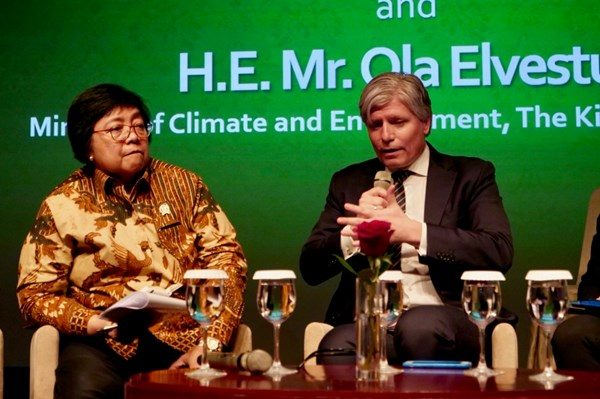
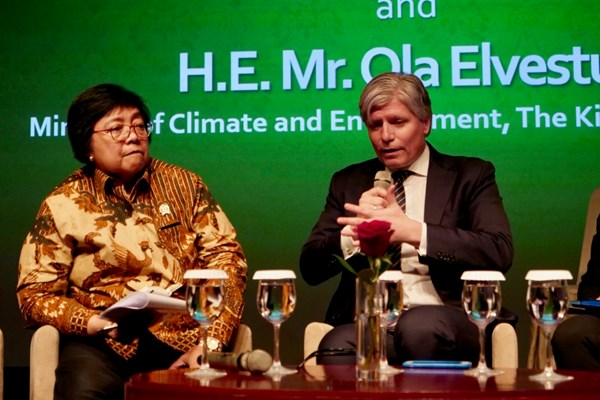
Meeting in Jakarta on Saturday, the Minister of Environment and Forests of Indonesia, Ms. Siti Nurbaya Bakar and the Minister of Climate and Environment of Norway, Mr. Ola Elvestuen, announced that the two countries were launching a new phase of their landmark bilateral climate and forest partnership that started in 2010. The two countries have agreed to the rules for results-based payments from Norway to Indonesia for reduced emissions. With that, Indonesia will be the largest rainforest nation to receive payments for reduced deforestation at the national level.

“I am glad during the last four years, the Indonesian government led by President Joko Widodo has managed to undertake a series of corrective measures in the forest and land use sector. The bold measures have resulted in significant reduction of deforestation, forest degradation, as well as GHG emissions”, said Minister Siti Nurbaya.

The Minister of Environment and Forests of Indonesia, Ms. Siti Nurbaya Bakar and the Minister of Climate and Environment of Norway, Mr. Ola Elvestuen. Credit: Snorre Tønset

She added “I’m also pleased that Indonesia and Norway have agreed on the rules for results-based payments. With these developments, we are ready to step into the third phase of the partnership, in which emission reductions on the field is rewarded by Norway.”

“Indonesia has embarked on bold regulatory reforms, and it is showing results”, said Minister Elvestuen. “It may be too early to see a clear trend, but if deforestation continues to drop we stand ready to increase our annual payments to reward Indonesia’s results and support its efforts.” The minister’s remarks came at the end of a successful weeklong visit to Jakarta and a West-Papua, where he met Governor Dominguus Mandacan and visited mangrove forests.

Indonesia has implemented a number of critical reforms and actions in the forest and land use sectors over the last few years. The government has introduced new measures to protect forests, including a ban on destroying primary forests and peatlands. In 2018, president Jokowi announced a policy to drive future increases in palm oil production from existing plantations instead of opening new forest areas. Indonesia has embarked on a comprehensive legal review of existing forestry and agriculture concessions, and increased law enforcement efforts against forest crimes. Importantly, the adat and other local communities have gained rights to land.

Following an independent third-party verification of the annual emission reduction numbers Indonesia presented today, Norway will guarantee payment for a portion of the result. Assuming the verified result matches the reported result for 2016-17, the first payment would be for approximately 4.8 million tons CO2. In 2010, Norway pledged to support Indonesia with up to 1 billion USD depending on results. So far, about 13% of this pledge has been spent to support the efforts of the Indonesian government to address deforestation.  

Indonesia has the world’s third largest tropical rainforest. The total emissions from deforestation and peatland destruction has put Indonesia amongst the world’s top emitters, but Indonesia has set ambitious targets for reducing its emissions from deforestation. It has called for international partnerships to increase its ambitious contributions to the Paris Climate Agreement and reduce emissions by up to 41% by 2030.

Forests are critical for meeting both the Paris Climate Agreement and many of the Sustainable Development Goals. Substantial actions on reducing emissions from deforestation are necessary if the world is to keep global temperature increase below 1,5–2 degrees.

About the new results protocol

  • Starting from the forest year 2016-17, results are estimated for reduced deforestation and forest degradation at the national level.
  • Results are measured against a 10-year historical average emissions level. For the period 2006- 16 that was estimated at approx. 237 mill tons CO2 per year from deforestation and approx. 42 mill tons for forest degradation.
  • Emission reductions from peat degradation and peat fires will be included in the results protocol in the near future, as estimates improve.
  • Indonesia will set aside 20% of the results to account for uncertainty, and another 15% to reflect its own ambition in reducing emissions. The remaining 65% of the results can be rewarded by Norway or other financiers.
  • Norway will guarantee payment for a portion of the available tons. Norway will not use emission reductions from Indonesia to offset its climate commitments.

https://www.regjeringen.no/en/aktuelt/indonesia-reports-reduced-deforestation-triggering-first-carbon-payment-from-norway/id2629504/

February 18, 2019 0 comments
0 FacebookTwitterPinterestEmail
Crimes

Norway Helicopter Crash: Two Confirmed Dead

by Nadarajah Sethurupan February 18, 2019
written by Nadarajah Sethurupan

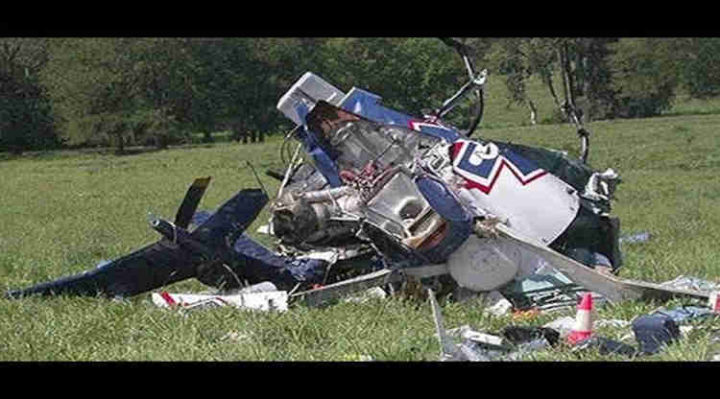
Western Norway Emergency Services and Police on Monday announced Two People have been found dead after a helicopter crashed into a mountainside.

The civilian helicopter was reported missing on Sunday, triggering a search and rescue operation led by the Joint Rescue Coordination Centre for southern Norway.

The two people on board were a man and woman, both in their 40s, from the western county of Rogaland, public broadcaster NRK reported.

The terrain where the bodies were recovered was challenging and visibility was poor, the emergency services said.

“There were no signs of an attempted emergency landing,’’ Johan Mannsaker of the rescue centre told local daily newspaper, Bergensavisen.

The helicopter was a Robinson 44.

The planned flight was from a ski centre at Roldal to Karmoy, just north-west of the city of Stavanger.

The helicopter took off about 3.20 p.m. (1420 GMT).

The crash site was located about 2.5 kilometres north of Roldal.

The cause of the accident was not immediately clear.

Police have launched an accident investigation and inspectors from the national accident investigation board were also heading to the scene.

Initial reports said the helicopter’s emergency beacon was not activated.

The emergency services tried to trace a mobile phone linked to one of the passengers and were aided by a tracking device installed in the helicopter by a former owner, Mannsaker said.

February 18, 2019 0 comments
0 FacebookTwitterPinterestEmail
Asia and Norway

US slams Iran for blocking peace

by Nadarajah Sethurupan February 15, 2019
written by Nadarajah Sethurupan

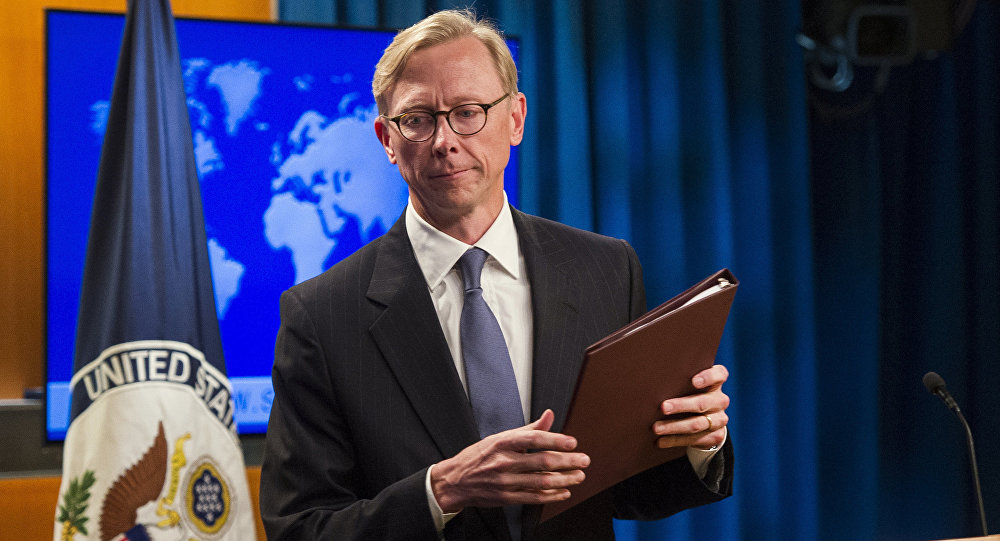
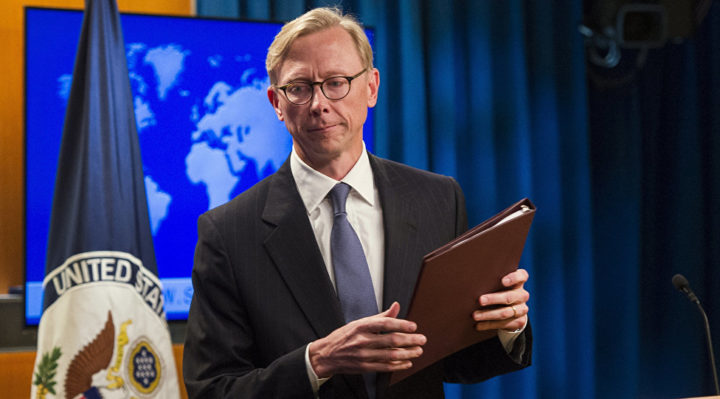
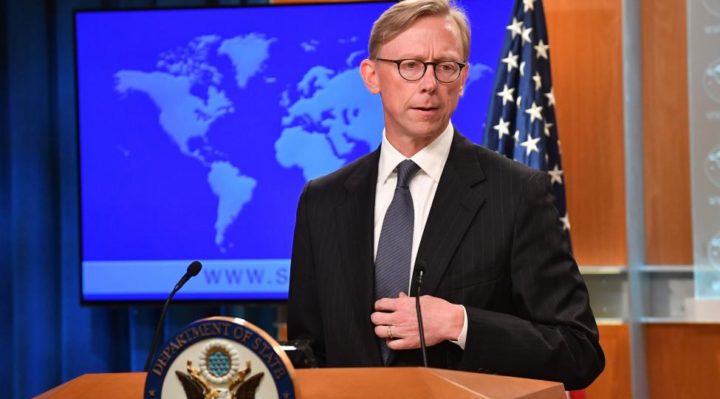
US Special Representative for Iran Brian Hook underlined a difference between the US and Europe in dealing with Iran. While he said that no government participating in the Warsaw conference has defended the Iranian regime, he affirmed his country’s determination to tighten the grip on Tehran and its regional proxies.

Speaking to Media at the Middle East conference in Warsaw, Washington’s special representative for Iran Brian Hook said there had been extensive discussion at the meeting of the war, which is now in its fifth year.

While Hook accused Tehran of being the biggest obstacle to peace in the Middle East, he urged the regime to play a positive role in the process that seeks to bring an end to the conflict in Yemen.

“This conference was a very useful opportunity for us to educate the world about the very dangerous role Iran has played and continues to play in Yemen,” Hook said.

“We have a very good agreement that came out of Sweden, Stockholm, but we now need the will of Iran and Houthis to implement the agreement. That is the diplomatic role that we need to take and we very much urge Iran and the Houthis to take that role.”

Hook said Iran had “organized, equipped and trained” the Houthi militia, which seized the capital Sanaa in 2014 to spark the conflict.

“Iran has intensified, prolonged and widened the conflict in Yemen,” he said. “They have allowed this war to go well beyond the course it would otherwise take.”

Hook accused the Western media of missing the story of Iran’s involvement in Yemen. Weapons shipments from Iran have been intercepted heading to the Houthis on dhows and ballistic missiles fired at Saudi cities from Yemen have been supplied by Iran.

Below is a full rush transcript of a press conference by Brian H. Hook, Special Representative for Iran and Senior Policy Advisor at the Secretary of State.
Special Representative Brian Hook: Good morning from Warsaw. I thank everybody for joining the call.

Secretary Pompeo was very pleased with the Warsaw Ministerial in the last couple of days. It was an excellent forum for almost 70 countries from every region of the world to come together. We’re all nations who are concerned about instability in the Middle East. They were able to share their assessments and security, and offer ideas on a better way forward. We had a very ambitious agenda, and we had sessions on regional crises, how we respond to those crises, missile development and proliferation, cyber attacks, terrorism, illicit finance. It was a very broad and ambitious agenda, but I think that very much reflects the administration’s policy agenda in the Middle East.

We had a very high-level delegation from the United States which underscores the priority this administration is placing on our policy in the Middle East.

Secretary Pompeo said a number of times, but we recognize that every country attending is going to have different perspectives, and there will be times when their views conflict with our own. But we see this as essential to having a useful discussion, a useful debate. bringing together countries with some kind of interest in stability, stakeholders in the Middle East. The Middle East has a global impact, and I think that’s why we wanted to have a global ministerial, to bring a lot of countries around the world together. And really, it was a great chance for us to think about some old and recurring problems in new ways.

We re building consensus so that we are stronger and more united in the actions that we are taking going forward, whether that is something which is done [with] United States policy but also sometimes through a group of like-minded countries or multilateral.

Question: With the Iran, Turkey and Russian presidents meeting on Syria as the ministerial was being held in Poland, what can the Americans and their Gulf allies realistically hope to achieve in reducing Iran’s presence in Syria, Yemen, Lebanon, and the Middle East in general?

Special Representative Brian Hook: We did have an entire session at the Plenary dedicated to Syria. Secretary Pompeo led the discussion. We had a lot of key relations there, people who are very actively engaged in promoting an irreversible political process, and that included the Secretary’s Special Representative for Syria James Jeffrey. We reiterated our policy of doing everything we can to diminish Iran’s influence in Syria. It is very difficult to envision a peaceful and stable Syria with Iranian forces on the ground. I don’t think , for the constructive role that Iran plays in Syria’s future.

So we had a very long discussion about Syria. Very useful to hear the views of Arab Ministers from around the region. We also had Prime Minister Netanyahu there who spoke about what Israel is doing to prevent Iran from installing forward deployed missile bases.

What we notice is this pattern of behavior by the Iranian regime where they export missiles to other parts of the Middle East, and then either they or one of their militias fire those missiles onto countries that Iran has decided is an adversary. So whether it’s missiles and rockets in Lebanon that fly into Israel or missiles and rockets in Syria that fly into Israel, or missiles and rockets that fly from Yemen with the Houthis into Saudi Arabia.

So it’s the same kind of play book, and this is what in part this ministerial was designed to focus on, is to educate and to talk about the vast range of threats that Iran presents. I just described the missile aspect in Syria. It is the case that since 2013 Iran has spent $16 billion in Syria and in Iraq and in Yemen and no one is arguing that that is money well spent.

Question: U.S. ally Turkey did not participate in the meeting in Warsaw and has different opinions regarding Venezuela, Iran, and of course Syria. It’s not aligning itself with the U.S. I would like to know how you evaluate Turkey’s policies and what do you expect from Turkey?

Special Representative Brian Hook: Turkey was certainly invited to the meeting so you’ll have to, I guess, direct your question Turkey as to why they decided not to attend. But we were very happy to invite Turkey.

The Secretary has very regular and frequent discussions at all levels with Turkey. James Jeffrey has been very involved in his role as the Special Envoy. So we have very regular dialogue with Turkey. That channel is wide open. And with respect to why they didn’t attend, you’d have to ask Turkey.

Question: Prime Minister Netanyahu did an interview with Andrea Mitchell yesterday and said that in the Middle East Iran’s aggressions have to be countered now. Do you believe that you are making headway with regard to the Europeans coming on board in terms of implementations of sanctions going forward?

Special Representative Brian Hook: We have been very pleased with actions that Europe has taken on Iran, really at the time since the President has left the Iran deal. The President was out of the deal in May.

In June the Austrian, Belgian, French and German governments exposed the Iranian plot to bomb an opposition in Paris and they arrested several Iranian operatives. That same month the Netherlands expelled two Iranian diplomats in connection with the November 2017 assassination.

In July you had, Bavaria arrested an Iranian diplomat for his connection, his complicity with the bomb plots in Paris. September, French Foreign Minister Le Drian condemned Iran’s attacks on U.S. diplomatic missions in Iraq. And then also the same month France announced that it had frozen the nomination of [their] ambassador to Tehran in relation to the Paris bomb plot. October, France froze the assets of and two agents in connection with the bomb plot. Belgium extradited an Iranian from Germany for his role in the Paris attacks.

October, Serbia revoked visa-free travel for Iranian citizens. In October, Denmark recalled its ambassador to Tehran and condemned an Iranian plot to assassinate members of a dissident group in Denmark.

In November the E3 sent a letter to the UN Security Council raising concerns about Iran’s launching of short-range ballistic missiles on targets in Syria. In December France condemned Iran’s medium range ballistic missile launch.

Then in December you have the E3 — Poland, Netherlands and the EU raised concerns regarding Iran’s ballistic missile program at a meeting of the UN Security Council. I was at that meeting. Very pleased with the strong statements that those countries made about Iran’s ballistic missile program in clear defiance of the UN Security Council.

In December, Albanian expelled Iran’s ambassador and another Iranian diplomat for being involved in terrorist plots. In December the E3 sent a letter to the UN Security Council condemning Iran’s testing of the medium range ballistic missiles.

In January, the European Union for the first time since adoption of the Iran nuclear deal imposed sanctions on Iran in connection with Iran’s terrorism in both acts of terrorism and terrorist plots in Paris and in Denmark.

You had Germany in January announce that it is banning flights of Mahan Air. In January, you had German authorities arrest a German civilian who was working as a spy for Iran. In January you also had the Dutch, they announced for the first time that Iran was likely behind the murders of two Dutch citizens who were Iranian dissidents.

And that’s just in the last seven or eight months. So I think we’ve seen, an answering your question about what kind of pressure have we seen Europe place on Iran, and I think that list underlines a lot of the work that the United States has been doing to build greater international unity to respond to Iran’s acts of aggression and terrorism and the other threats to peace and security they present.

There is no question that we disagree with our European partners about the Iran nuclear deal, but when you look at the non-nuclear threats, the broad range of threats to peace and security that Iran presents, we share the same threat assessment with Europe and we’ve also seen Europe take a number of actions as all the initiatives that I’ve just described.

Question: Is the U.S. administration preparing countermeasures against INSTEX? And can you be specific?

Special Representative Brian Hook: This is a question I’ve received many times but I’m happy to answer it again. We don’t see any corporate demand for a special purchase vehicle to evade American sanctions. I think any international corporation that has links to the U.S. financial system is always going to choose the American market over the Iranian market. I think we’ve made clear, everybody understands that we will sanction any sanctionable activity. I think that point has been made very clear. We’ve backed that up. Since that time our sanctions have been reimposed. Treasury has issued sanctions against individual and entities who have violated our sanctions. And we’re doing that because we’re committed to our campaign of maximum economic pressure on the regime. It’s something which is a necessary thing to do if we want to deny the Iranian regime the revenue it needs to conduct its foreign policy, terrorism, and sort of its expansionist foreign policy that introduces a degree of sectarianism that would otherwise not be there.

Secretary Pompeo in May announced a new Iran strategy. We have made clear the kind of changes in behavior that we are expecting. Those 12 objectives reflect a global consensus prior to the Iran nuclear deal. If you look through that list it’s not too much to ask.

I think Iran has been behaving like an outlaw regime for so many decades that we’ve become desensitized to their activities, and we shouldn’t normalize Iran’s foreign policy. We shouldn’t accept it as just the natural order of things in the Middle East. And at this ministerial we were very pleased with the frustration that was expressed by so many countries from all over the world with Iran’s foreign policy and its regional aggression and its missile program, its missile testing, its missile proliferation, down the line. So we’re very pleased with the discussion we had here.

Question: President Trump last month appear to support President Erdogan of Turkey’s plan to establish a safe zone in Syria in territory now controlled by the Syrian Kurds. Could you tell me, is the U.S. still backing that policy by Turkey? And more broadly, what stage of discussions are you at with Turkey about your withdrawal from Syria? can you tell me what steps you are taking to ensure that the weapons intelligence and expertise that you’ve supported the Kurds with over the past are not going to be transferred to the Syrian regime once you withdraw, given that the Kurds are in discussions with Damascus at the moment?

Special Representative Brian Hook: You’ve asked two very good questions. We were originally scheduled to have my colleague, Ambassador James Jeffrey, on this call. Because of logistical complications we had to move the call time. So I’m going to stay in my lane and not answer a question in his lane. But maybe there’s a way that we can get your question to Ambassador Jeffrey and then we will have him follow up with you directly.

Question: Warsaw was the first international forum that includes Arab and Israeli leaders. Do you think it achieved any kind of progress and normalization between the two sides? And what kind of progress if any?

Special Representative Brian Hook: Yes, we did. We did see progress. Iran’s foreign policy has done an excellent job of driving Arab states and Israel much closer together. And when you look at the most urgent and pressing threats to the Middle East, if you want to get serious about the future of peace and security in the Middle East with what you’ve seen at this ministerial, you have to increase our focus on the threats that Iran presents. We heard that from key Arab states and we heard it from Israel. And we also heard it from countries from every region of the world.

There is a growing international unity, especially among Arab states and Israel, to resist Iranian aggression. And to restore deterrence against Iran’s expansionist foreign policy. Iran [turns] into a country, dissolves national identity, creates parallel systems of security and governance, and undermines regimes. We saw that first in Lebanon, and they have been trying to replicate that playbook around the Middle East to create a Shia corridor of power. You see that certainly in Bahrain. Iran has been undertaking efforts to overthrow the government in Bahrain since 1981. In 1979 with the Revolution, it introduced into the Middle East an entirely new dynamic. I don’t think the Middle East has recovered from it ever since. There is a, at this conference you heard a deep frustration with that and a desire to resist Iran’s hegemonic ambitions and to counter as best we can together Iran’s violent foreign policy and its foreign policy of terrorism and creating a climate of fear.

We heard coming out of this Warsaw Ministerial a real desire to not make this a one-off. We heard this from Arab states and from Israel. That we hope that this can create a foundation for greater coordination and cooperation and certainly you would organize that around the most pressing threats. The most significant security threat we face in the Middle East today is the Iranian regime. And it’s important to bring allies and friends together to talk about it and to deepen our cooperation. I think that’s a very important outcome from this ministerial. We want to, and we will have follow-on meetings from this. We want to create a foundation that can focus in a very timely fashion on these threats that Iran presents. That foundation of working together can create opportunities that could open the doors to other areas of coordination and cooperation that on the whole will promote a more safe and secure and prosperous Middle East.

Special Representative Brian Hook: Other than to say our deep appreciation for all of the 65-70 countries that came to Warsaw here. I think as some people know, this is the 100th anniversary of diplomatic ties between the United States and Poland. Poland put on an exceptional ministerial. It was a terrific gathering of nations that came together. Secretary Pompeo is very grateful to Poland for everything that they’ve done, and we look forward to building on the work that started here in Warsaw, and we’re very pleased with all of the outcomes of the ministerial.

February 15, 2019 0 comments
0 FacebookTwitterPinterestEmail
Norwegian Aid

Norway Announces €100,000 Voluntary Contribution to OPCW’s Trust Fund for Syria Missions

by Nadarajah Sethurupan February 14, 2019
written by Nadarajah Sethurupan

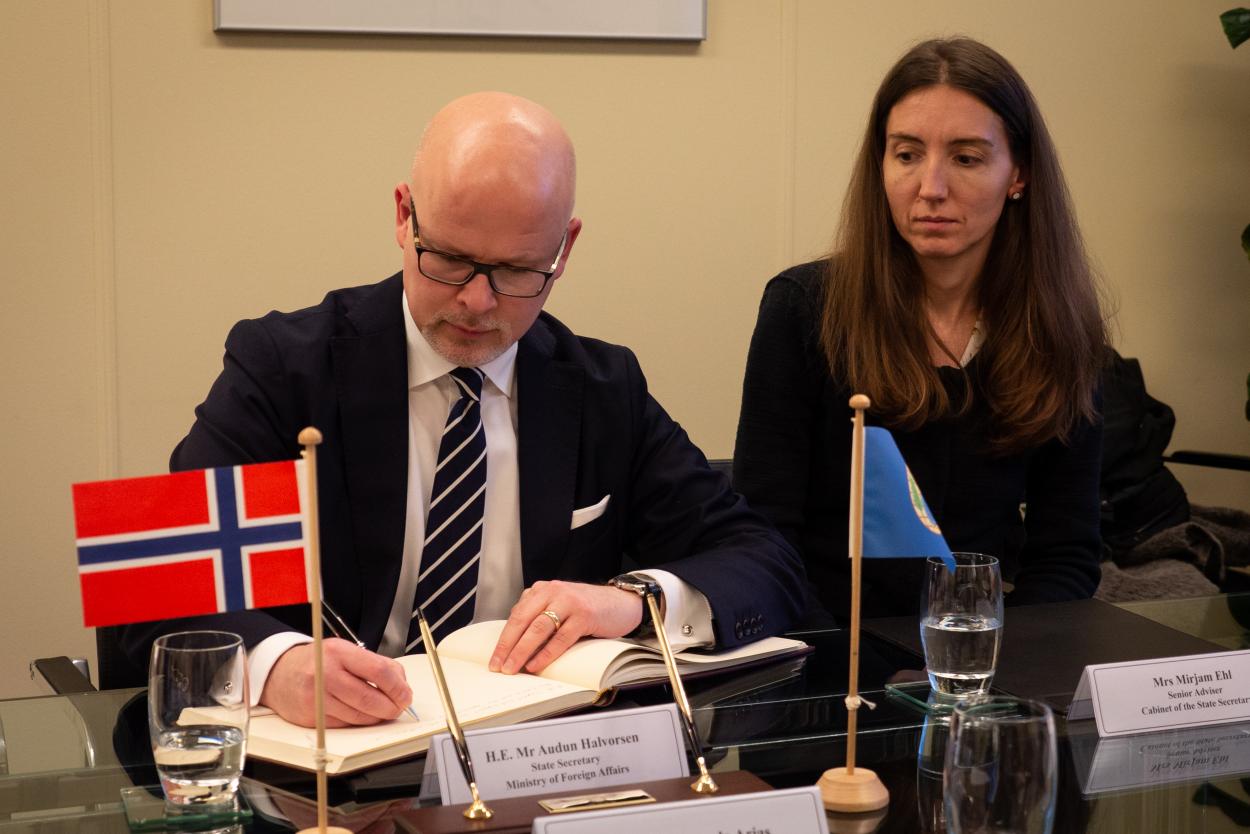
The Director-General of the Organisation for the Prohibition of Chemical Weapons (OPCW), H.E. Mr Fernando Arias, met with the State Secretary for Foreign Affairs of the Kingdom of Norway, H.E. Mr Audun Halvorsen, during a visit to OPCW Headquarters in The Hague today.

The Director-General and the State Secretary discussed progress in the implementation of the Chemical Weapons Convention (CWC), as well as the June 2018 decision by the States Parties to address the threat from chemical weapons use.

The State Secretary for Foreign Affairs of the Kingdom of Norway, H.E. Mr Audun Halvorsen

With reference to that decision, and in accordance with the Programme and Budget decision of the OPCW for 2019, the State Secretary announced a voluntary contribution of €100,000 from Norway to the Trust Fund for Syria Missions.  He remarked: “Norway has always been a strong supporter of the work of the OPCW to keep the world free of chemical weapons. This is now more important than ever. This grant will contribute to the identification of the perpetrators of chemical weapons use in Syria, and, hence, contribute to increased security and diminishing human suffering in Syria.” 

The discussions further focused on the implications of the recent Fourth Review Conference for OPCW’s future activities, and the expansion of the Organisation’s laboratory capabilities through the construction of a Centre for Chemistry and Technology.

The Director-General thanked the State Secretary for Foreign Affairs for the contribution and expressed: “The work of the OPCW is sustained by the humanity’s desire to live in a world free of chemical weapons and underpinned by the support of State Parties to the Chemical Weapons Convention. I want to express my thanks to Norway for its long-standing and staunch commitment to verifiably eliminating chemical weapons.”

Background

The Kingdom of Norway joined the Chemical Weapons Convention in 1997 and has actively contributed to a variety of OPCW’s programmes and projects.

As the implementing body for the Chemical Weapons Convention, the OPCW, with its 193 Member States, oversees the global endeavour to permanently eliminate chemical weapons. Since the Convention’s entry into force in 1997, it is the most successful disarmament treaty eliminating an entire class of weapons of mass destruction.

Over 96% of all chemical weapon stockpiles declared by possessor States have been destroyed under OPCW verification. For its extensive efforts in eliminating chemical weapons, the OPCW received the 2013 Nobel Peace Prize.

February 14, 2019 0 comments
0 FacebookTwitterPinterestEmail
Environment

PSA investigates Norwegian ice impact risk

by Nadarajah Sethurupan February 14, 2019
written by Nadarajah Sethurupan

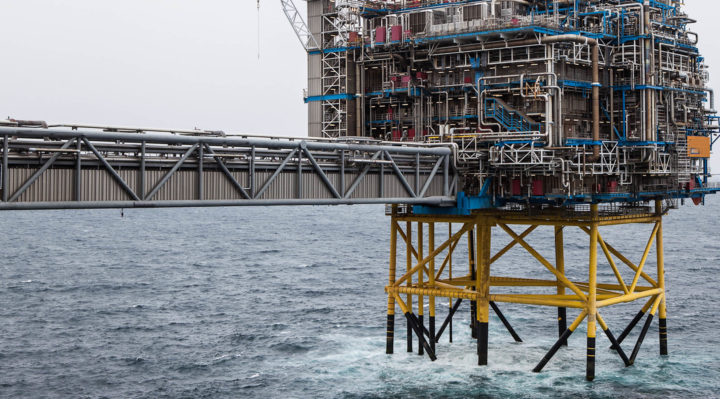
The Norwegian Petroleum Safety Authority (PSA) has been assessing the potential for collisions between floating glacial ice and semisubmersibles in the far north of Norway.

Work has included studying interactions between a modeled body of ice and a semisubmersible platform.

The study, part of a wider program investigating structural safety in the region, looked at the likely points of impact and associated collision speeds.

It involved use of SAMS simulation software to draw up an energy map for the required energy absorption at possible impact points on the structure.

The calculated energy absorption was distributed between the ice and the structure, and damage assessments were based on the energy the structure was assumed to have absorbed.

For the model studied – encountering glacial ice of 15 m (49 ft) extent – the largest absorption energy was 7.32 MJ, which resulted in moderate damage to the hull. However, the PSA stressed that different ratios of stiffness and strength between a structure and ice will generate different conclusions.

Over the past few years there has been steadily increasing exploration drilling and field development activity in the High North, and at the same time discussions as to whether knowledge of the HSE challenges in the region is adequate.

The PSA has called for further improvements and has initiated a series of knowledge-gathering projects.

February 14, 2019 0 comments
0 FacebookTwitterPinterestEmail
Srilanka and Norway

Norway and FAO launch findings of the Nansen survey on Sri Lanka marine resources

by Nadarajah Sethurupan February 14, 2019
written by Nadarajah Sethurupan

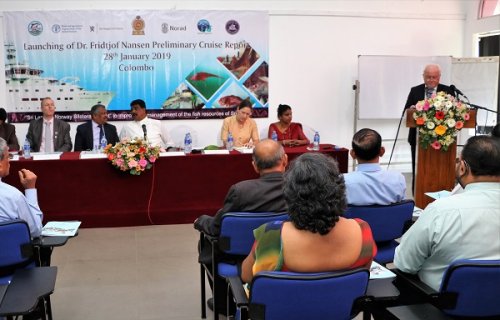
National Aquatic Resources Research and Development Agency (NARA) and Institute of Marine Research, Norway (IMR) held an event to launch the main research findings of the survey carried out by the Norwegian Research Vessel Dr. Fridtjof Nansen in Sri Lanka in 2018. 

Norwegian Research Vessel Dr. Fridtjof Nansen successfully completed an ecosystem survey in the coastal waters of Sri Lanka from June 23 to July 16, 2018.

The survey was part of the EAF-Nansen Programme implemented by the Food and Agriculture Organization of the United Nations (FAO) in close collaboration with the Institute of Marine Research, Norway and funded by the Norwegian Agency for Development Cooperation (Norad). 

The survey was a result of Sri Lanka – Norway bilateral agreement to provide technical assistance to improve management of the fisheries sector in Sri Lanka and it provided training for Sri Lankan scientists and post survey data analyses.

The aim of the survey last year was to carry out a marine resources survey around Sri Lanka with the expectation that the survey should provide Sri Lanka with up-to-date data, which will be useful for future management of the country�s fisheries resources.

Welcoming the research findings, Ambassador of Norway to Sri Lanka and Maldives, H.E. Thorbjørn Gaustadsæther stated that Norway is committed to bilateral cooperation on oceans and to helping Sri Lanka put in place data based management of ocean resources, which will enable Sri Lanka to better monitor its fish stocks.

Ambassador Gaustadsæther also highlighted the importance of sharing these research findings with other Sri Lankan stakeholders both in the public and in the private sector to make informed decisions related to oceans and fisheries. He also reiterated the importance of Sustainable Development Goal 14 (SDG 14) on conserving and sustainably using the oceans, seas and marine resources to achieve Sri Lanka�s economic growth.

Ms Nina Brandstrup, FAO Representative in Sri Lanka said, the successful completion of this program in Sri Lanka is a testament to the longstanding relations between FAO, the Government of Norway and Sri Lanka. “The findings of the survey will be an important baseline for FAO in supporting Sri Lanka achieve sustainable management of fisheries resources amidst mounting pressures such as climate change and pollution.”

The visit of the RV Dr. Fridtjof Nansen was also an opportunity to highlight the longstanding development cooperation between Sri Lanka and Norway, especially in the field of fisheries, which started in 1971. The Norwegian fisheries cooperation with Sri Lanka includes fisheries management, research and education, and private sector development. From 2013 to 2017, NOK 11.1 million (approx. 1.3 million USD) has been disbursed for these activities.

P. Harrison, Minister of Agriculture, Rural Economy Affairs, Livestock Development, Irrigation and Fisheries and Aquatic Resources Development and Dilip Wedaarachchi, State Minister, Ministry of Fisheries and Aquatic Resources Development also highlighted the importance of the resource survey and its findings to take necessary management decisions.

Mr. K. D. S. Ruwanchandra, Secretary of the Ministry of Agriculture, Rural Economy Affairs, Livestock Development, Irrigation and Fisheries and Aquatic Resources Development, representatives of IMR, NARA, National Aquaculture Development Authority of Sri Lanka and a number of other government officials were present at the event.

February 14, 2019 0 comments
0 FacebookTwitterPinterestEmail
Farming

Norwegian salmon farm loses 2.8 million fish in fire

by Nadarajah Sethurupan February 14, 2019
written by Nadarajah Sethurupan

A fire at one of the world’s largest salmon farm killed almost 3 million fish. 

Norwegian firm Leroy Seafood said a blaze tore through its Laksefjord facility on the northern coast of the country on Sunday morning.

“Lerøy Seafood Group will continue to assist the subcontractor, the police and other public bodies in conducting an enquiry into what has happened. Initially the focus has been to obtain an overview of the situation, and implement mitigation measures,” the company said in a statement.

Hundreds of fish were lost in a blaze in Norway. EPA

It added that a maintenance contractor is listed as missing following the blaze.

“Large fire in an industrial building in relation to a salmon farm in Friarfjord,” local police tweeted on Sunday.

“Major resources have been deployed to the location which is some way outside of civilisation.”

Lerøy Seafood Group is Norway’s 35th largest company.

February 14, 2019 0 comments
0 FacebookTwitterPinterestEmail
NATO and Norway

NATO Deputy Secretary General visits Norway

by Nadarajah Sethurupan February 14, 2019
written by Nadarajah Sethurupan

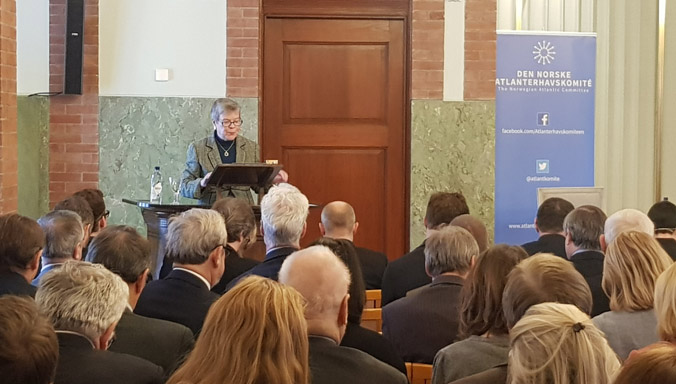
NATO Deputy Secretary General Rose Gottemoeller traveled to Oslo on Monday (4 February 2019), to participate in the Leangkollen Security Conference organized by the Norwegian Atlantic Committee. She delivered a keynote address on “The Future of Transatlantic Relations: Security, Policy and Technology”, which was followed by a panel discussion with the Norwegian Minister of Foreign Affairs, Ine Eriksen Søreide. The Deputy Secretary General and the foreign minister had a short pull aside at the conference, discussing the upcoming Foreign Ministers Meeting in Washington in April and burden sharing within the Alliance.

During her visit, Ms. Gottemoeller also had a meeting with the Minister of Defence, Mr Frank Bakke-Jensen. She commended Norway for its continuous strong commitment to NATO missions, including their long-term engagement to the Resolute Support Mission in Afghanistan, to NRF and to the enhanced Forward Presence battlegroup in Lithuania. Ms. Gottemoeller reiterated the importance of the Wales pledge on defence investment, agreed by all Allies in September 2014. They also discussed the upcoming Meeting of Defence Ministers being held in Brussels later this month.

February 14, 2019 0 comments
0 FacebookTwitterPinterestEmail
Asia and Norway

Iraqi prime minister receives invitation to visit Norway

by Nadarajah Sethurupan February 14, 2019
written by Nadarajah Sethurupan

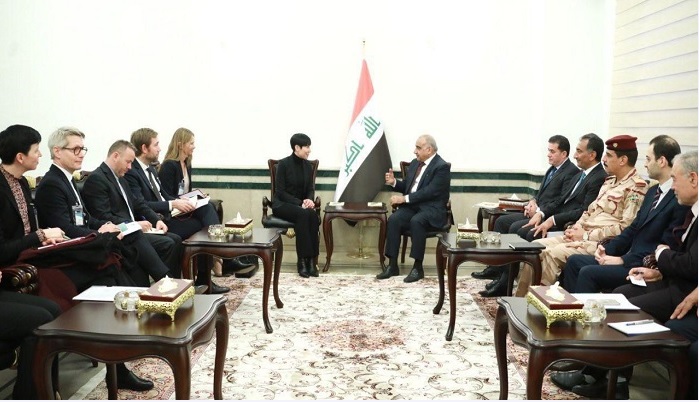
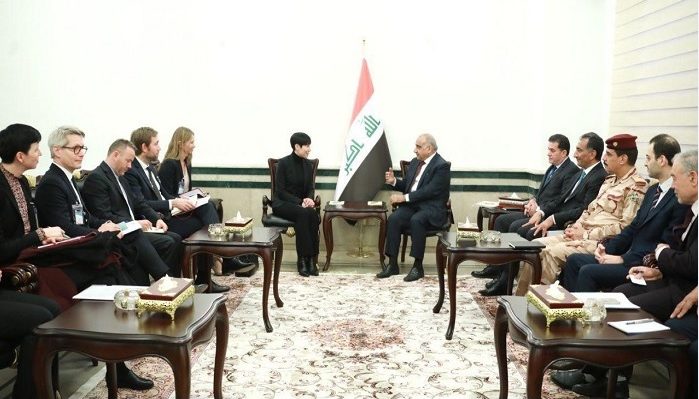
Iraqi Prime Minister Adil Abdul-Mahdi on Tuesday discussed with Norway’s Foreign Minister Ine Marie Eriksen ways to develop bilateral relations and benefit from the European country’s experience in the field of optimal use of oil resources.

During the meeting, Abdul-Mahdi praised the vital role played by Norway in the fight against terrorism in Iraq and its participation in the Kuwait’s donors conference for the reconstruction of areas liberated from Islamic State militants, Iraqi website Alghad Press quoted his media office as saying in a statement.

Iraqi Prime Minister Adil Abdul-Mahdi on Tuesday discussed with Norway’s Foreign Minister Ine Marie Eriksen ways to develop bilateral relations.

The premier further called for expanding support programs and training courses provided by Norway to hone skills of Iraqi security forces and improve the humanitarian situation of the displaced families.

For her part, Eriksen expressed “her country’s desire to reinforce relations with Iraq, increase opportunities of economic cooperation, and exchange visits between officials of the two countries to give a push to partnership between.”

She also conveyed greetings of the Norwegian prime minister to Abdul Mahdi and invited him to visit Norway soon. At the end of the meeting, Eriksen expressed pleasure at the development and stability in Iraq.

February 14, 2019 0 comments
0 FacebookTwitterPinterestEmail
Racism in Norway

Norway’s report on human rights to the UN

by Nadarajah Sethurupan February 14, 2019
written by Nadarajah Sethurupan

‘Norway’s third report to the UN Human Rights Council shows that the Government has done a great deal to strengthen human rights in Norway,’ said Minister of Foreign Affairs Ine Eriksen Søreide.

Under the Universal Periodic Review (UPR) mechanism, the human rights record of all UN member states is reviewed by the Human Rights Council once every five years. The review assesses the actions countries have taken to follow up their human rights obligations. Norway will be reviewed for the third time on 6 May this year, and the report is being presented in connection with this.

As part of the UPR, UN member states make recommendations to other countries regarding what should be done to improve the human rights situation. All countries receive recommendations and all countries can make recommendations. The reviewed countries can choose which recommendations to accept.

‘Since its last review, Norway has, among other things, implemented various measures to combat domestic violence and sexual abuse. We have also strengthened national complaints procedures for children. But, although Norway has made a lot of progress, certain challenges still remain. Improving healthcare services for prisoners with serious mental health problems is one such challenge,’ Ms Eriksen Søreide said.

The report that is being presented today gives an account of the steps Norway has taken to follow up the recommendations it accepted in the previous review in April 2014 and describes the general human rights situation in Norway.

‘The implementation of human rights obligations is a continuous process in all countries. The Universal Periodic Review provides a good basis for constructive dialogue on human rights between countries and with civil society. Norway makes active use of the UPR process to raise human rights issues in other countries. I would like to thank everyone who has contributed to the preparation of Norway’s third report,’ Ms Eriksen Søreide said.

February 14, 2019 0 comments
0 FacebookTwitterPinterestEmail
Environment

Oslo, Norway’s downtown goes virtually car-free

by Nadarajah Sethurupan February 14, 2019
written by Nadarajah Sethurupan

Oslo, Norway made its downtown practically car-free with notable positive results.

The city converted parking spots to bike lanes and added plants, tiny parks, and benches. Cars were banned on some streets, discouraging driving in the downtown.

Without cars, mass transit is more efficient, air quality has improved, and the streets are full of people. In 2015, the government proposed banning cars completely downtown, but resistance from merchants and others produced the alternative strategy of removing parking spots.

A few spots have been converted into parking for disabled drivers or EV charging, and some streets allow delivery trucks for a couple of hours in the morning. Most drivers have to park in garages on the fringe of downtown, and traffic restrictions prompt drivers who don’t need to go through the city center to take a ring road around it.

February 14, 2019 0 comments
0 FacebookTwitterPinterestEmail
Economics

Tesla’s Musk visits Norway to review delivery delays

by Nadarajah Sethurupan February 14, 2019
written by Nadarajah Sethurupan

Tesla’s Elon Musk visited Norway to review service in the automaker’s third-biggest global market where delays have upset customers.

Tesla doubled its Norwegian service staff last year to more than 360, seeking to resolve customer frustration at delays before delivering the new Model 3, a company spokesman confirmed two weeks ago.

Prices for the Model 3 vary depending on the country, with customers in Belgium paying a base price of 58,800 euros ($66,600), compared with 55,400 euros in Germany and 53,500 euros in France.

The automaker’s Norway operations are closely watched, as the country has the world’s highest number of electric cars per inhabitant thanks to generous government incentives for low-emission vehicles. Capacity shortages at Tesla have caused in long service queues, frustrating customers.

Tesla has 13 service centers in Norway and is working to get two more running as soon as possible, Musk said. The company also got approval for mobile service units last year, allowing it to test three of them through June.

Prices for the Model 3 in Europe vary depending on the country, with customers in Belgium paying a base price of 58,800 euros ($66,600), compared with 55,400 euros in Germany and 53,500 euros in France.

Tesla has cut the Model 3 sticker price in the U.S. twice this year to $42,900 to partially offset a reduction in federal tax credits.

Musk tweeted on Saturday that he was visiting in Europe over the weekend for the launch of the Model 3.

Besides Norway, he said he planned visit Tesla’s headquarters in Amsterdam, as well as the company’s European distribution center in Tilburg in the Netherlands and the Belgian port city of Zeebrugge. Musk’s tweet included an image of what appeared to be a number of Model 3s.

February 14, 2019 0 comments
0 FacebookTwitterPinterestEmail
Srilanka and Norway

Norwegian Ambassador Chief Guest at Advanced Materials conference at University of Jaffna

by Nadarajah Sethurupan February 14, 2019
written by Nadarajah Sethurupan

Ambassador of Norway to Sri Lanka and Maldives, Thorbjørn Gaustadsæther recently visited Jaffna to attend the International Conference on Advanced Materials for Clean Energy and Health Applications (AMCEHA), jointly organized by Western Norway University of Applied Sciences and University of Jaffna. 

Opening the conference as the Chief Guest, Ambassador Gaustadsæther highlighted the importance of creating fora to provide opportunities for exchange of research ideas and form local and global partnerships. About 500 local and foreign participants attended the conference.

During this visit to the North, the Ambassador also met with several government officials in the area such as Governor of Northern Province Dr. Suren Raghavan, Major General Darshana Hettiarachchi, Commander of the Security Force Headquarters – Jaffna (SFHQ-J), and A. Pathinathan, Chief Secretary, Northern Province. The Norwegian Ambassador also called on Bishop of Jaffna Rev. Monsignor Justin Bernard Gnanapragasam.

February 14, 2019 0 comments
0 FacebookTwitterPinterestEmail
Newer Posts
Older Posts

Norwegian Nobel Prize 2024

101207 The Norwegian Nobel Committee has decided to award the Nobel Peace Prize for 2024 to Japan’s Hiroshima bomb survivor group Nihon Hidankyo.

Special Interest

  • Africa and Norway
  • Asia and Norway
  • Asylum
  • China and Norway
  • Corruption in Norway
  • Crimes
  • Defence
  • Diplomatic relations
  • Economics
  • Environment
  • Farming
  • Killing
  • Media Freedom
  • Middle East and Norway
  • NATO and Norway
  • Nobel Peace Prize
  • Norwegian Aid
  • Norwegian American
  • Oil & Gas
  • Peace Talks
  • Politics
  • Racism in Norway
  • Religion
  • Russia and Norway
  • Royal House
  • Science
  • Sex scandal
  • Sports
  • Spy War
  • Srilanka and Norway
  • Svalbard
  • Terrorist
  • Taiwan and Norway
  • Video clips

Follow Us

Recent Posts

  • Norway and Germany sign defence arrangement

    February 15, 2026
  • China hopes Norway will play a role in the Europe ties

    February 15, 2026
  • Norwegian cross-country skier breaks Olympic medal record

    February 15, 2026
  • Norway police search former PM’s properties in Epstein links probe

    February 12, 2026
  • Afghan National Killed in Norway

    February 11, 2026
  • Việt Nam strengthening cooperation with Norway: Việt Nam FM

    February 11, 2026

Social Feed

Social Feed

Editors’ Picks

Norway opens market for Sri Lankan fish exports...

May 13, 2016

Sri Lanka – Nordic Business Council holds discussions...

May 15, 2016

Good governance to Sri Lanka

May 15, 2016

Shock and Joy in Sri Lanka – Erik...

May 15, 2016

Sri Lanka-Norway plenty of new opportunities for business–...

May 15, 2016

NORWAY NEWS is an online news site, written in English, dedicated to Norwegian affairs at home and abroad. Norway News.com is published online. It is a daily online newspaper in existence since May, 2003. The site is run by an Independent Journalist.

Facebook Twitter Youtube

Useful Links

    • Work With Us
    • Contact Us
    • Collaboration
    • Data Collection
    • Workplace
    • Adverstising
    • Privacy Policy
    • International Collab
    • Feedback
    • Terms of Use
    • About Our Ads
    • Help & Support
    • Entertainment
    • News Covering
    • Technology
    • Trending Now

Politics

Syrian, Norway to boost cooperation on mine clearance
Erna to step down as Conservative Party leader in 2026
Norwegian Labour Party on re-election win

Latest Articles

Norway and Germany sign defence arrangement
China hopes Norway will play a role in the Europe ties
Norwegian cross-country skier breaks Olympic medal record
Norway police search former PM’s properties in Epstein links probe

Norway News 2025 . All Right Reserved. Designed and Developed by Norway News

  • Home
  • About us
  • Disclaimer
  • Contact us
NORWAY NEWS – latest news, breaking stories and comment – NORWAY NEWS
  • Home
  • About us
  • News
  • Other News
    • Africa and Norway
    • Asia and Norway
    • Asylum
    • Breaking News
    • China and Norway
    • Corruption in Norway
    • Crimes
    • Defence
    • Diplomatic relations
    • Economics
    • Environment
    • Farming
    • Featured
    • Health
    • Killing
    • Media Freedom
    • Middle East and Norway
    • NATO and Norway
    • Nobel Peace Prize
    • Norwegian Aid
    • Norwegian American
    • Oil & Gas
    • Peace Talks
    • Politics
    • Racism in Norway
    • Religion
    • Royal House
    • Russia and Norway
    • Science
    • Sex scandal
    • Sports
    • Spy War
    • Srilanka and Norway
    • Svalbard
    • Taiwan and Norway
    • Terrorist
    • Travel
    • Video clips
  • Disclaimer
  • Contact us
NORWAY NEWS – latest news, breaking stories and comment – NORWAY NEWS
  • Home
  • About us
  • News
  • Other News
    • Africa and Norway
    • Asia and Norway
    • Asylum
    • Breaking News
    • China and Norway
    • Corruption in Norway
    • Crimes
    • Defence
    • Diplomatic relations
    • Economics
    • Environment
    • Farming
    • Featured
    • Health
    • Killing
    • Media Freedom
    • Middle East and Norway
    • NATO and Norway
    • Nobel Peace Prize
    • Norwegian Aid
    • Norwegian American
    • Oil & Gas
    • Peace Talks
    • Politics
    • Racism in Norway
    • Religion
    • Royal House
    • Russia and Norway
    • Science
    • Sex scandal
    • Sports
    • Spy War
    • Srilanka and Norway
    • Svalbard
    • Taiwan and Norway
    • Terrorist
    • Travel
    • Video clips
  • Disclaimer
  • Contact us

Editor’s Picks

  • UN concern over Sri Lanka’s cases of enforced disappearances

    October 8, 2025
  • UN Human Rights Council Resolution on Sri Lanka’s Path to Reconciliation

    October 7, 2025
  • International should support Sri Lanka: Solheim

    October 4, 2024
  • Norwegian Meets Sri Lankan’s Challenges

    May 3, 2024
  • Norwegian Ambassador meets JVP in Sri Lanka

    May 2, 2024
  • “The man who didn’t run away” – Eric Solheim

    April 30, 2024

Newsletter

@2025 - All Right Reserved. Designed and Developed by Norway News