
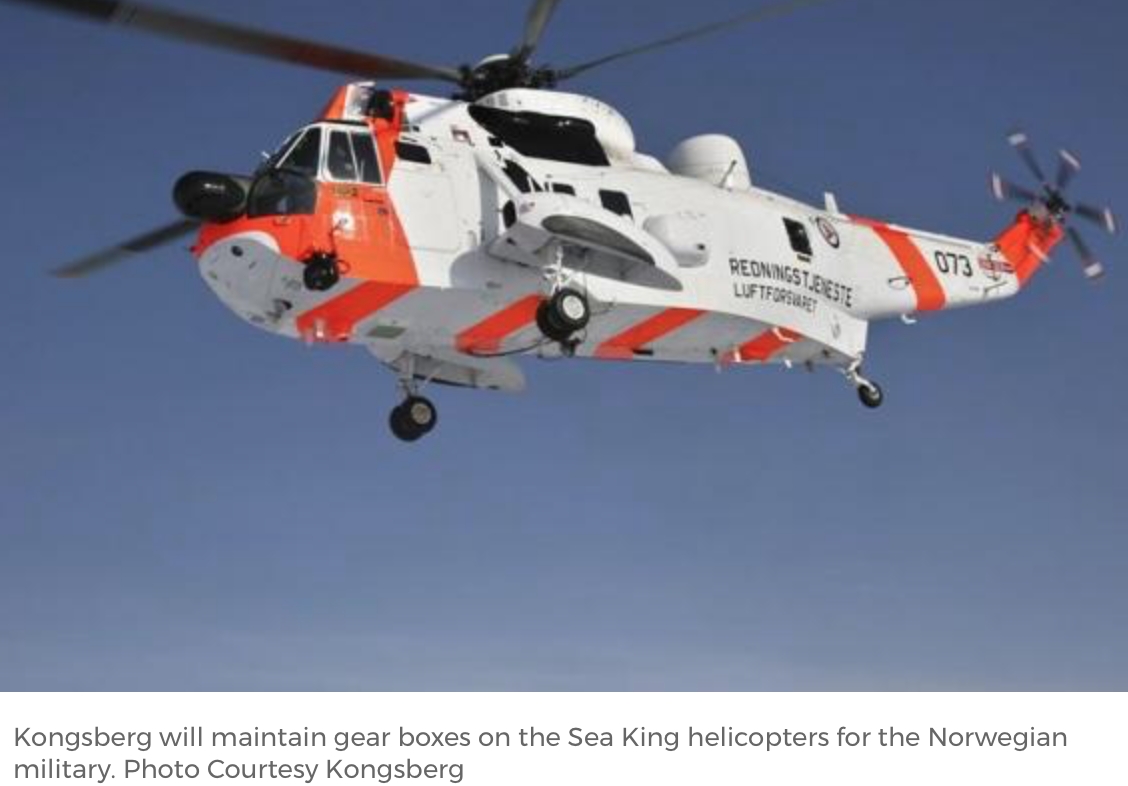
 Kongsberg Defense Systems will maintain gear boxes on Norway’s Sea King helicopters, under a deal with the Norwegian Defense Logistics organization.
The framework agreement, which could cost as much as $37.9 million, is in effect until 2020 and has a three-year option.
“This framework agreement secures a continued operation of the Norwegian Sea King helicopters until the new AW101 search-and-rescue helicopters are fully operative, and entail an important continuity for Kongsberg in a period where the organization is being built up to maintain gearboxes on the NH-90 and AW101 helicopters,” Kongsberg’s Executive Vice President Aerostructure Terje Bråthen said in a company news release Tuesday.
The Norway-based company also announced it will deliver its Integrated Combat Solution for Finland’s new K9 Thunder 155mm self-propelled artillery.
The contract was signed with Hanwha Land Systems of South Korea, maker of the artillery.
(UPI)
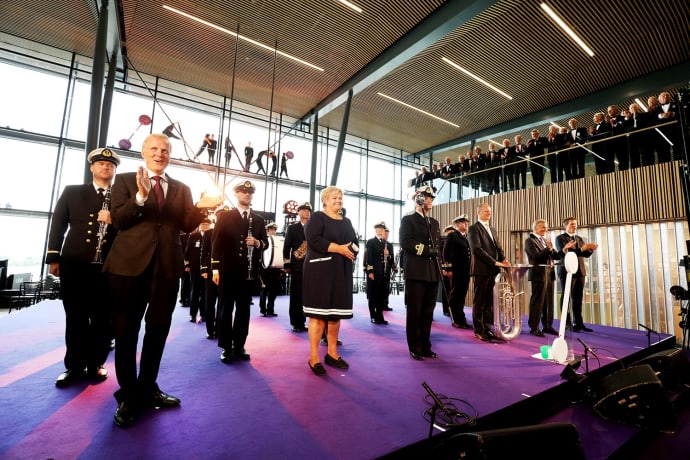
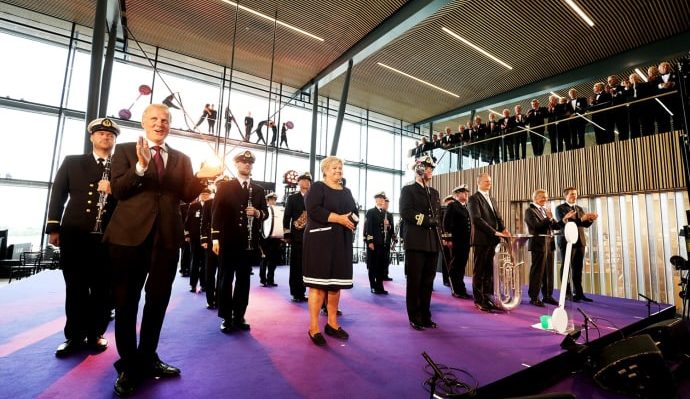 Norwegian airport operator Avinor has officially opened the new Nkr 3.7bn (US$468m) terminal at Bergen Airport, in Flesland, Norway. Opened on time and within budget, the terminal has the capacity to accommodate up to 10 million passengers annually.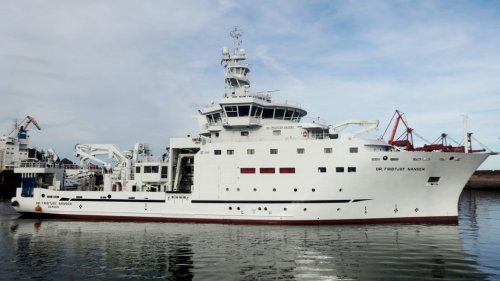
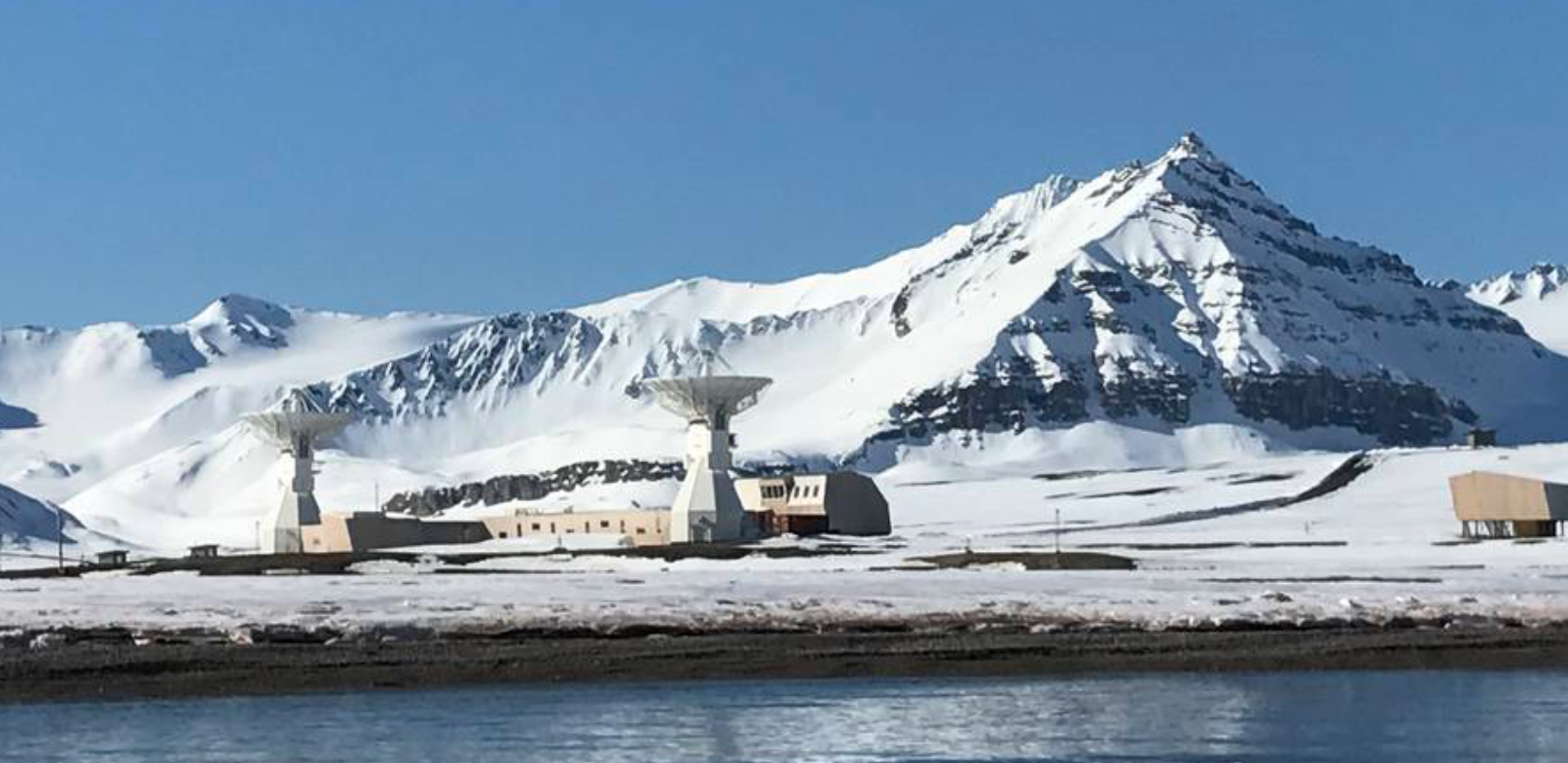
 NASA and the Norwegian Mapping Authority are partnering to develop a state-of-the-art satellite laser ranging station 650 miles from the North Pole that will produce high-precision locations of orbiting satellites, help track changes in the ice sheets and improve the efficiency of marine transportation and agriculture.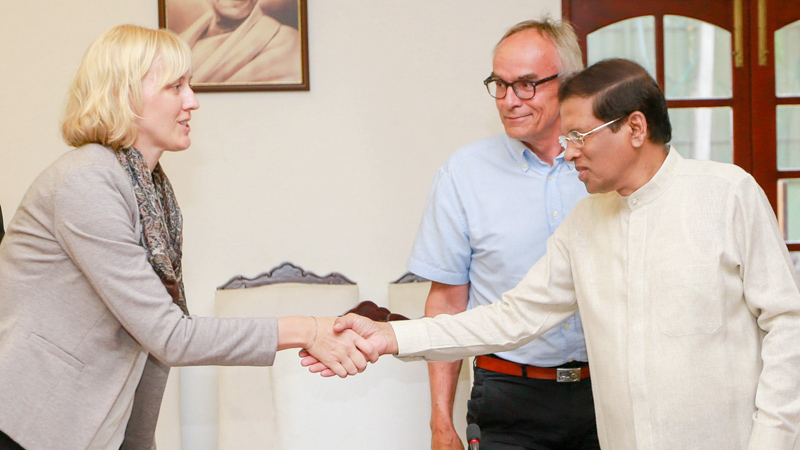
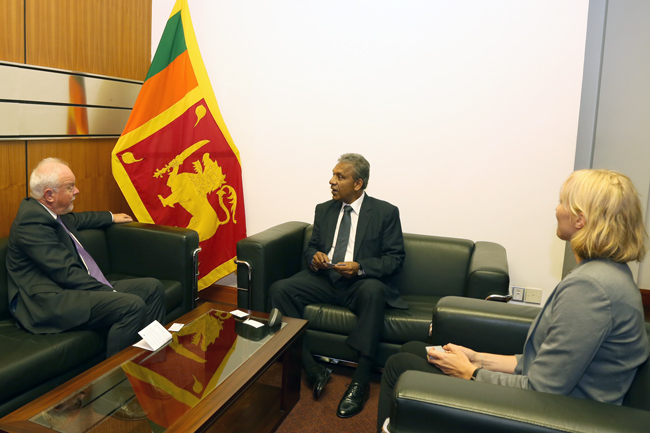
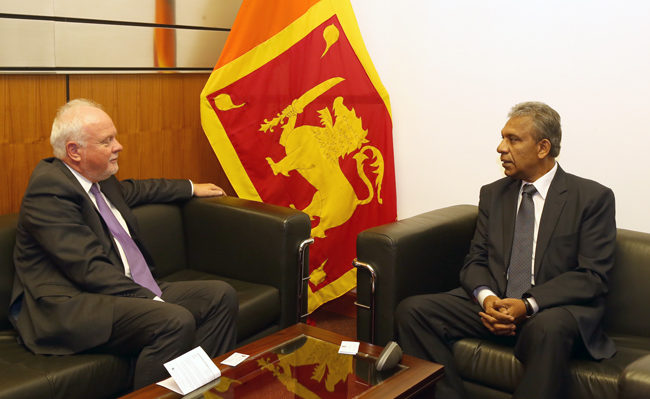
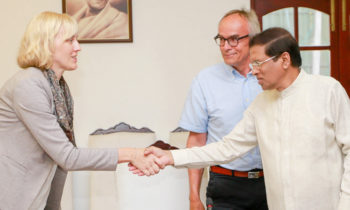 Norwegian expert Bent Aagaard submitted the interim report on the Uma Oya Multi-purpose Development Project to President Maithripala Sirisena at the President’s Official Residence in Colombo on Friday.
 The terrorist attack by Anders Breivik in Norway in 2011 caused a dramatic increase in trauma- and stressor-related disorders in Denmark, concludes a new study.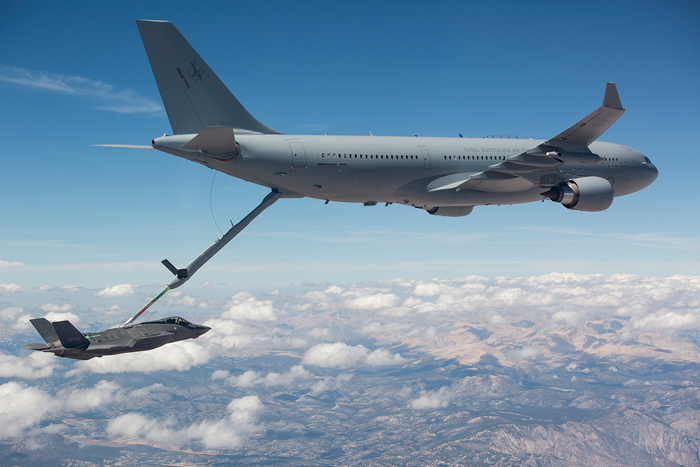
 Germany and Norway officially joined the European/NATO program to acquire Airbus A330 Multi-Role Tanker Transport aircraft along with Netherlands and Luxembourg.
 Sri Lankan President Maithripala Sirisena said that it is regrettable that series of problems have arisen during the implementation of the Uma Oya Multi-purpose Development Project as the previous government had hurriedly commenced the project without proper study of the feasibility report and the Environmental Impact Assessment (EIA).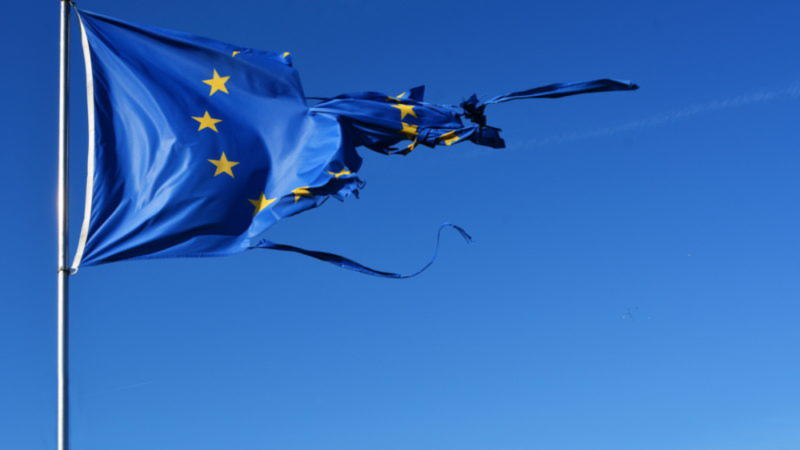
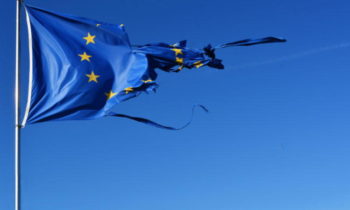 The world’s three most populated countries, China, India and the United States, have a more positive view about the EU than close neighbours like Russia, Norway and Switzerland, a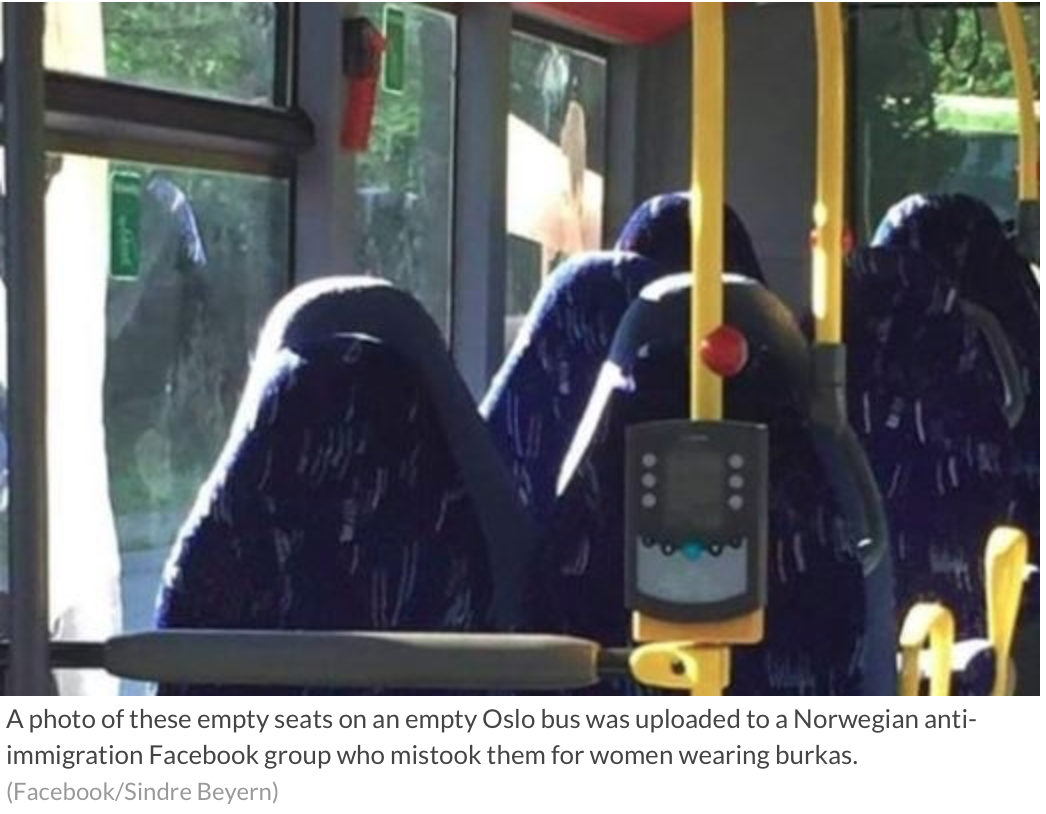
 “The hatred that was displayed toward some empty bus seats really shows how much prejudices trump wisdom.”
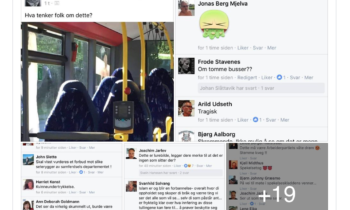 Facebook Sindre Beyer screenshotted the many reactions to the picture. He posted the photos on his personal account, asking: “What happens when a photo of some empty bus seats is posted to a disgusting Facebook group and nearly everyone thinks they see a bunch of burkas?”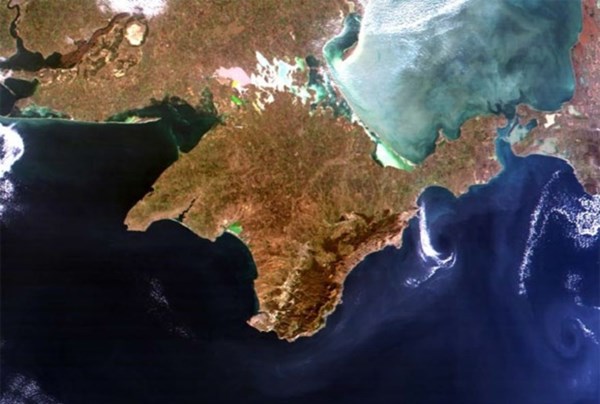
 Five countries have extended sanctions against the Crimea until June 23, 2018. Norway, Albania, Montenegro, Georgia and Ukraine made the decision subsequent to that of the EU.
 On 5 April 2017, the Norwegian government proposed an amendment to the Norwegian code of criminal proceedings to allow the police to compel the use of biometric authentication. After two quick debates, the Norwegian Parliament passed the proposition into law on 21 June.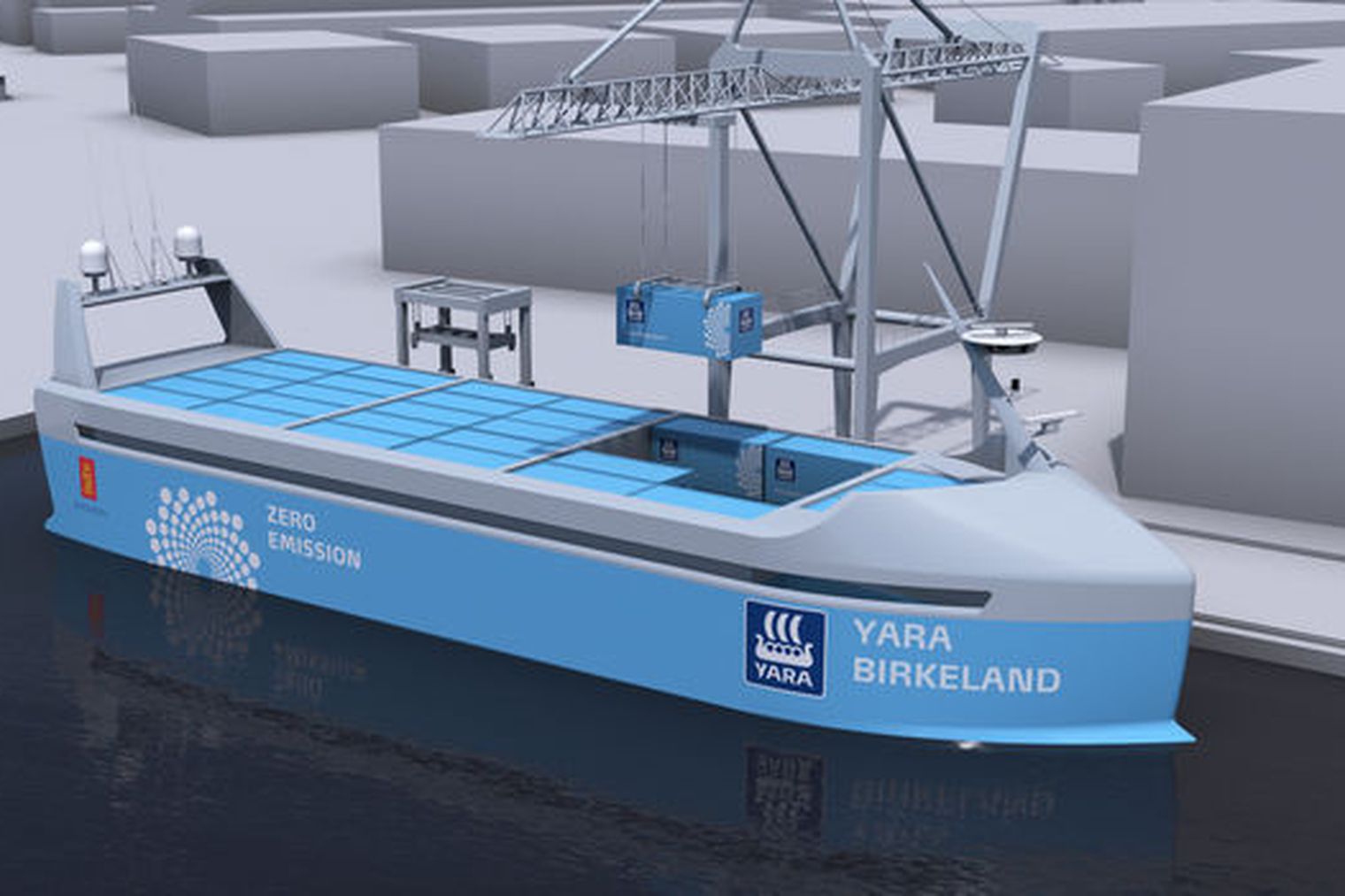
 The world’s first crewless, automated ship will launch in 2018,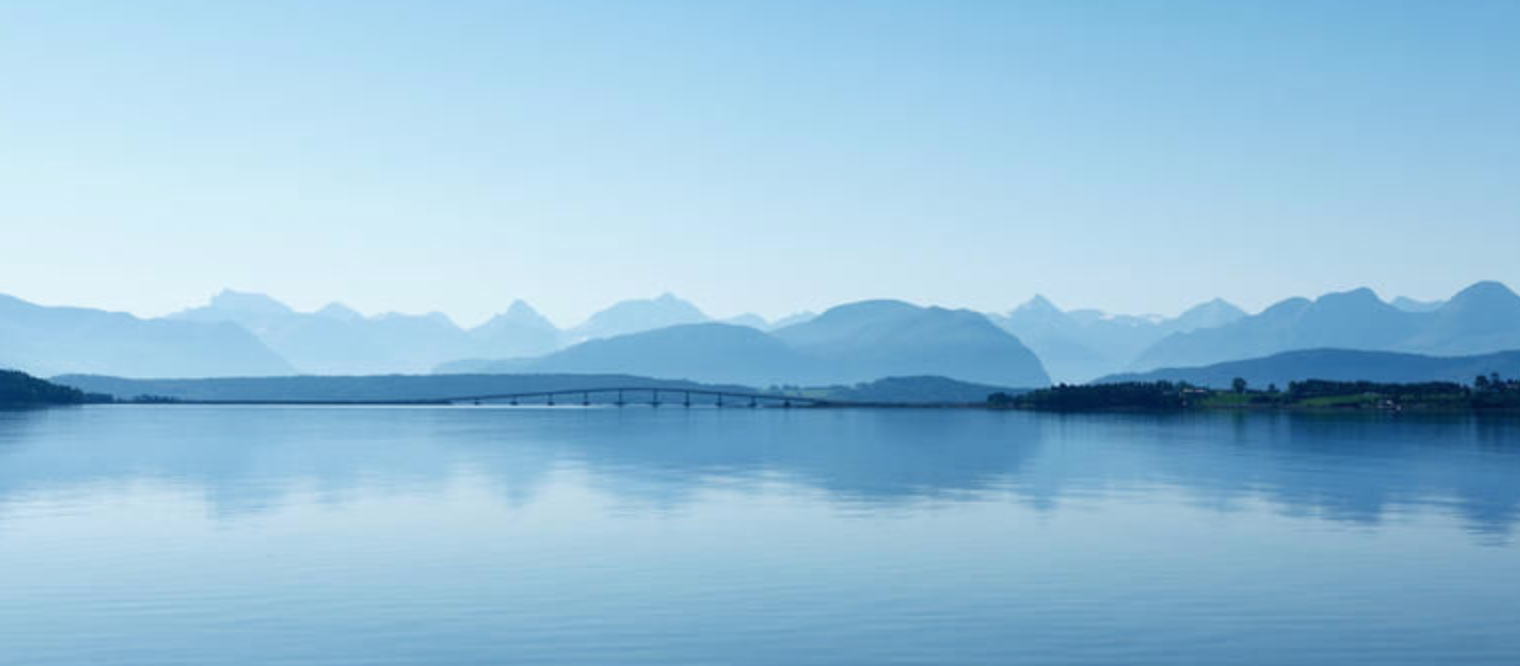
 To improve offshore oil spill preparedness, Norway’s government and the oil industry are building an offshore broadband wireless network.
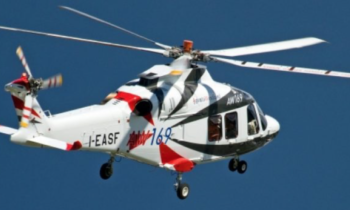 The Norwegian Police Directorate has chosen the AW169 as the country’s new police helicopter.
 Major evaluation of country’s research landscape also found that internationalisation was a key area for improvement.
 As Secretary of State Rex Tillerson and others in Washington mourned the death of the long-imprisoned Chinese dissident
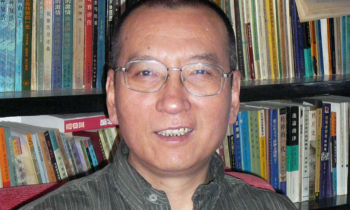 Liu Xiaobo 61, Nobel laureate and political prisoner, dies of liver cancer, after spending almost a quarter of his life behind bars in Chinese custody.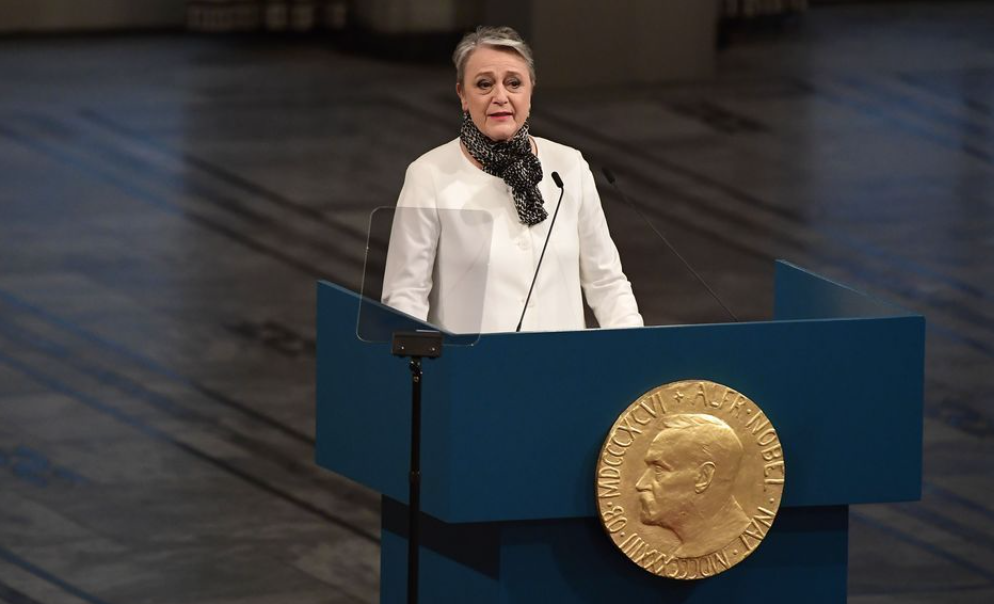
 Berit Reiss-Andersen has sought the permit to attend activist Liu Xiobo’s funeral.
 As TV ratings continue to take a beating, broadcasters are searching for ways to keep audiences — particularly hard-to-reach teenagers — engaged in their shows. For Norway’s public service broadcaster, NRK, this meant putting Instagram at the heart of its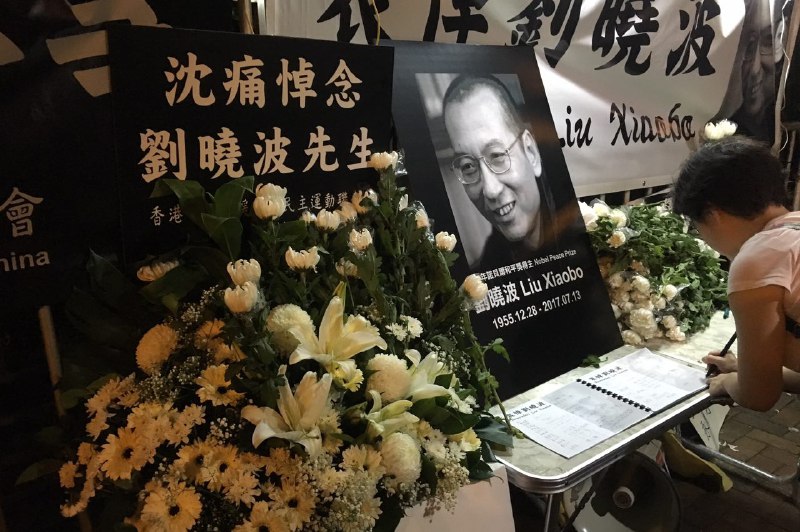
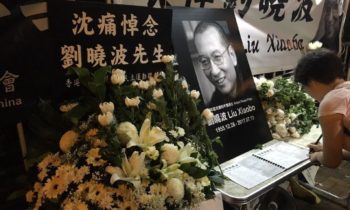 It was China’s decision to jail
 Turkey has so far built nine hybrid ferries for Norway, which is one of the world’s leading maritime nations, deputy board chairman of Yalova-Altinova Shipbuilders Inc. said Wednesday.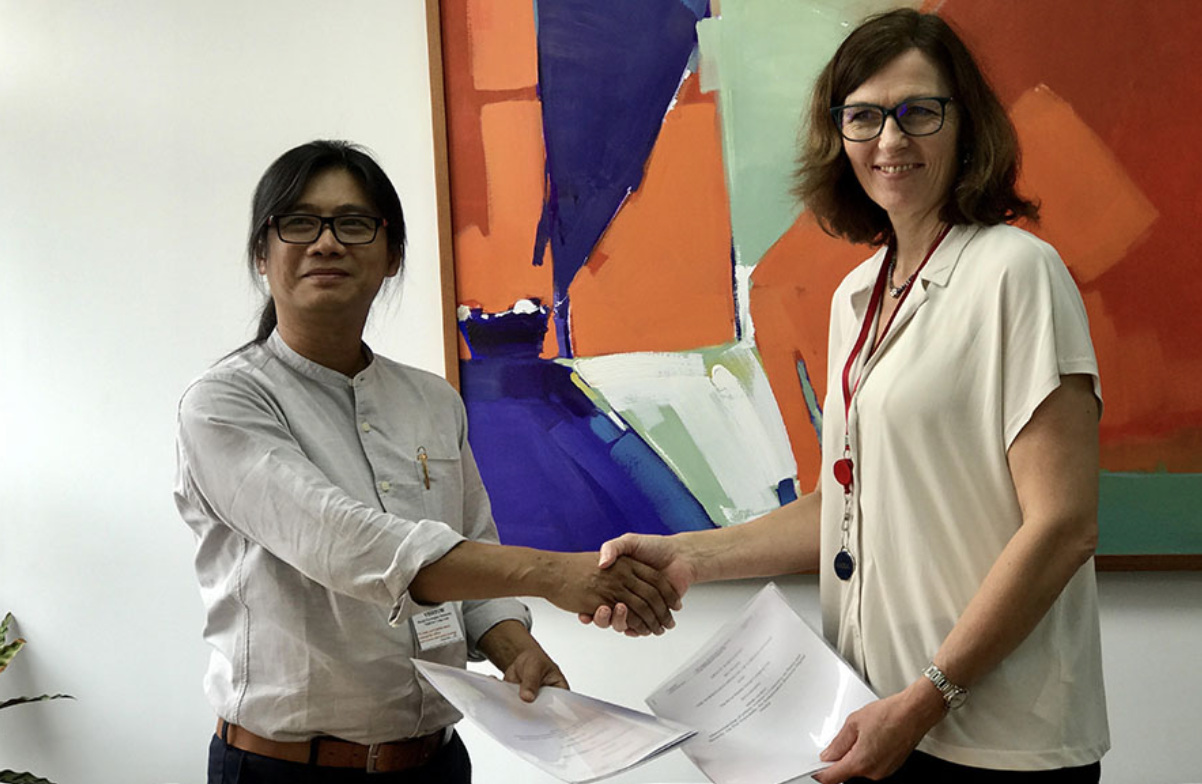
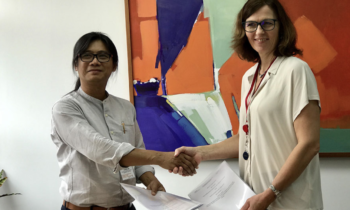 Norway is supporting The Irrawaddy news organization to strengthen its coverage of women, peace and security issues over a 19-month period as part of Norway’s commitment to the implementation of United Nations’ Security Council Resolution (UNSCR) 1325 in Myanmar.