NORWAY NEWS – latest news, breaking stories and comment – NORWAY NEWS
  • Home
  • About us
  • News
  • Other News
    • Africa and Norway
    • Asia and Norway
    • Asylum
    • Breaking News
    • China and Norway
    • Corruption in Norway
    • Crimes
    • Defence
    • Diplomatic relations
    • Economics
    • Environment
    • Farming
    • Featured
    • Health
    • Killing
    • Media Freedom
    • Middle East and Norway
    • NATO and Norway
    • Nobel Peace Prize
    • Norwegian Aid
    • Norwegian American
    • Oil & Gas
    • Peace Talks
    • Politics
    • Racism in Norway
    • Religion
    • Royal House
    • Russia and Norway
    • Science
    • Sex scandal
    • Sports
    • Spy War
    • Srilanka and Norway
    • Svalbard
    • Taiwan and Norway
    • Terrorist
    • Travel
    • Video clips
  • Disclaimer
  • Contact us
NORWAY NEWS – latest news, breaking stories and comment – NORWAY NEWS
  • Home
  • About us
  • News
  • Other News
    • Africa and Norway
    • Asia and Norway
    • Asylum
    • Breaking News
    • China and Norway
    • Corruption in Norway
    • Crimes
    • Defence
    • Diplomatic relations
    • Economics
    • Environment
    • Farming
    • Featured
    • Health
    • Killing
    • Media Freedom
    • Middle East and Norway
    • NATO and Norway
    • Nobel Peace Prize
    • Norwegian Aid
    • Norwegian American
    • Oil & Gas
    • Peace Talks
    • Politics
    • Racism in Norway
    • Religion
    • Royal House
    • Russia and Norway
    • Science
    • Sex scandal
    • Sports
    • Spy War
    • Srilanka and Norway
    • Svalbard
    • Taiwan and Norway
    • Terrorist
    • Travel
    • Video clips
  • Disclaimer
  • Contact us
Wednesday, February 18, 2026
NORWAY NEWS – latest news, breaking stories and comment – NORWAY NEWS
  • Home
  • About us
  • News
  • Other News
    • Africa and Norway
    • Asia and Norway
    • Asylum
    • Breaking News
    • China and Norway
    • Corruption in Norway
    • Crimes
    • Defence
    • Diplomatic relations
    • Economics
    • Environment
    • Farming
    • Featured
    • Health
    • Killing
    • Media Freedom
    • Middle East and Norway
    • NATO and Norway
    • Nobel Peace Prize
    • Norwegian Aid
    • Norwegian American
    • Oil & Gas
    • Peace Talks
    • Politics
    • Racism in Norway
    • Religion
    • Royal House
    • Russia and Norway
    • Science
    • Sex scandal
    • Sports
    • Spy War
    • Srilanka and Norway
    • Svalbard
    • Taiwan and Norway
    • Terrorist
    • Travel
    • Video clips
  • Disclaimer
  • Contact us
Copyright 2025- All Right Reserved Norway News
Middle East and Norway

Jordan airport welcomes inaugural Norwegian Airlines flight

by Nadarajah Sethurupan May 25, 2018
written by Nadarajah Sethurupan

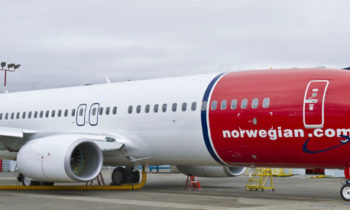
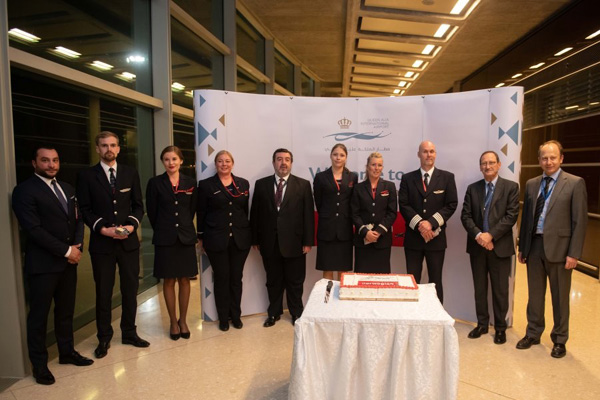
Jordan’s Queen Alia International Airport (QAIA) welcomed the first Norwegian Airlines flight on May 8, marking the start of biweekly flights between Amman and Copenhagen, Denmark.

A welcoming ceremony was held, at which the inaugural flight was honoured with the customary water salute. Numerous officials were welcomed at the event, including representatives from both Airport International Group and the Jordan Tourism Board.

This step came as part of Airport International Group’s efforts to accommodate a multitude of passenger needs, and introduce yet another previously unserved route.

Airport International Group CEO, Kjeld Binger, stated: “We are pleased to welcome Norwegian Airlines here at QAIA, as this is yet another step in the right direction, offering passengers new, in-demand flight alternatives to and from Jordan, especially within Europe.”

“In our position as Jordan’s prime gateway to the world, we strive to facilitate comfortable, convenient and economical travel for all our passengers traveling through QAIA, by partnering with world-renowned carriers such as Norwegian Airlines. We are confident that this partnership will increase the number of passengers arriving in Jordan, which will not only contribute to enriching local tourism and the Jordanian economy specifically, but will also attract even more airlines to become a part of the QAIA family.”

In turn, chief commercial officer at Norwegian Airlines, Thomas Ramdahl, said: “We are excited to have launched our new route between Amman and Copenhagen, in partnership with Queen Alia International Airport, and look forward to the mutual benefits it will garner for both countries, strengthening economic cooperation and facilitating an influx of tourists to and from these two historically significant cities. We offer a vast range of short and long-haul flights at Norwegian Airlines, to a myriad of destinations globally, and provide affordable fares for all, which is what we aim to do through this partnership.”

(TradeArabia News Service)
May 25, 2018 0 comments
0 FacebookTwitterPinterestEmail
Norwegian American

U.S. Embassy Oslo and Embassy of Canada to Norway co-hosted a lovely summer evening reception

by Nadarajah Sethurupan May 24, 2018
written by Nadarajah Sethurupan

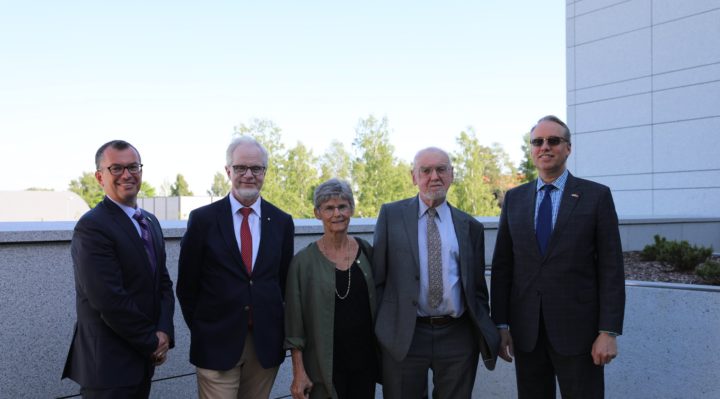
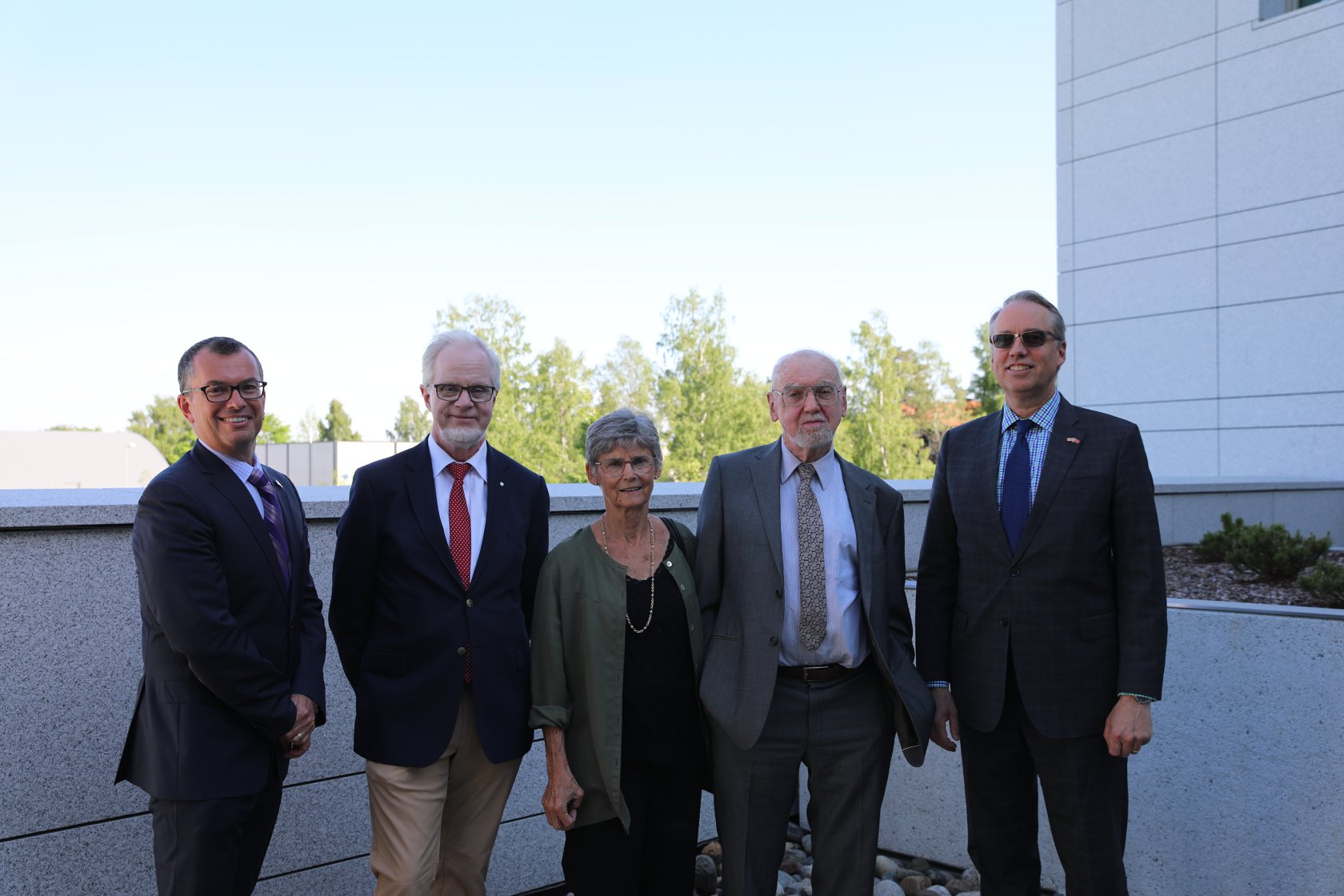
This week, the U.S. Embassy Oslo and Embassy of Canada to Norway co-hosted a lovely summer evening reception to honor the 2018 Abel Prize winner, Prof. Robert Langlands from Princeton University. Guests enjoyed some light refreshments on our beautiful terrace as we celebrated Prof. Langlands remarkable contributions to the field of mathematics.

From left to right: HE Mr. Artur Wilczynski Canadian Ambassador to Norway, Mr. Ole Sejersted, President of the Norwegian Academy of Science and Letters, Mrs. Charlotte Langlands, Prof. Robert Langlands and Charge d’Affaires Jim DeHart. — at U.S. Embassy Oslo.

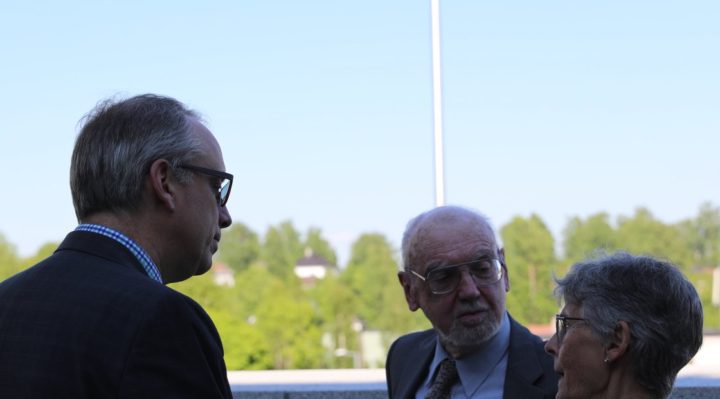
Charge d’Affaires Jim DeHart with honored guests Abel Prize winner Prof. Robert P. Langlands and Mrs. Charlotte Langlands. Canadian mathematician Prof. Robert Langlands has been named the winner of the Abel Prize for 2018 for his visionary project connecting representation theory to number theory.

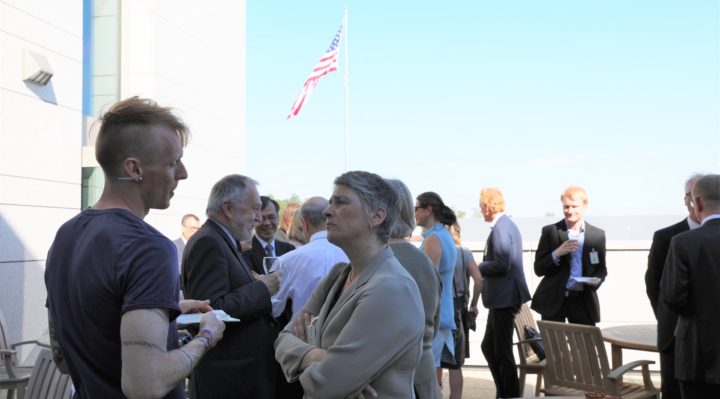
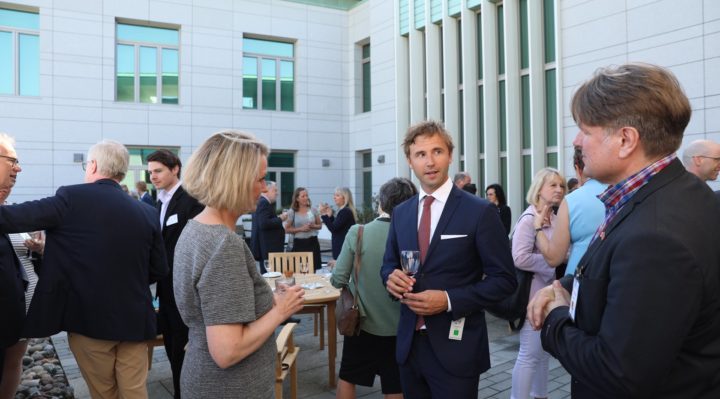
Guests enjoyed some summer sunshine and engaging discussions on the U.S. Embassy terrace.

May 24, 2018 0 comments
0 FacebookTwitterPinterestEmail
Economics

Government scaling up funding for Norad’s Knowledge Bank

by Nadarajah Sethurupan May 24, 2018
written by Nadarajah Sethurupan

‘The Government is proposing to increase its allocation to technical cooperation on taxation through Norad’s Knowledge Bank by NOK 13 million. This is one step on the way to doubling our support for ‘tax for development’ by 2020,’ said Minister of International Development Nikolai Astrup.
The Government is proposing to increase its overall budget for technical cooperation from NOK 428.6 million to NOK 441.6 million in the revised 2018 budget.

‘Helping developing countries to increase their capacity to collect tax revenues is an important way of financing development. Norway has a great deal to offer in this field. There is a growing need and demand for technical cooperation on taxation and a range of other areas where Norway has relevant experience and expertise. The long-term goal is for developing countries to become independent of aid,’ said Mr Astrup..

At the Addis Ababa Financing for Development Conference, Norway undertook to double its technical cooperation on tax and domestic revenue mobilisation by 2020. This means an increase in funding from NOK 134 million in 2015 to NOK 268 million in 2020. The Government will honour this pledge, and is therefore increasing its allocation in the revised budget.

Norway is a rich country, not only in monetary terms, but also rich in knowledge. Through Norad’s Knowledge Bank, our expertise can be used to benefit more people. For example, the Norwegian Tax Administration will be providing technical assistance and help in capacity building. The Norwegian Directorate of Taxes has established a secretariat for technical cooperation on taxation.

Norwegian governmental bodies in areas such as taxation, oil and gas, renewable energy, fisheries, gender equality, research, higher education and statistics are all involved in technical cooperation. The Knowledge Bank will strengthen and coordinate technical cooperation with selected countries in these fields, where Norway has relevant expertise that is in demand.

https://www.regjeringen.no/en/aktuelt/knowledge_bank/id2601075/

May 24, 2018 0 comments
0 FacebookTwitterPinterestEmail
Environment

Seals are new allies in climate change monitoring

by Nadarajah Sethurupan May 24, 2018
written by Nadarajah Sethurupan

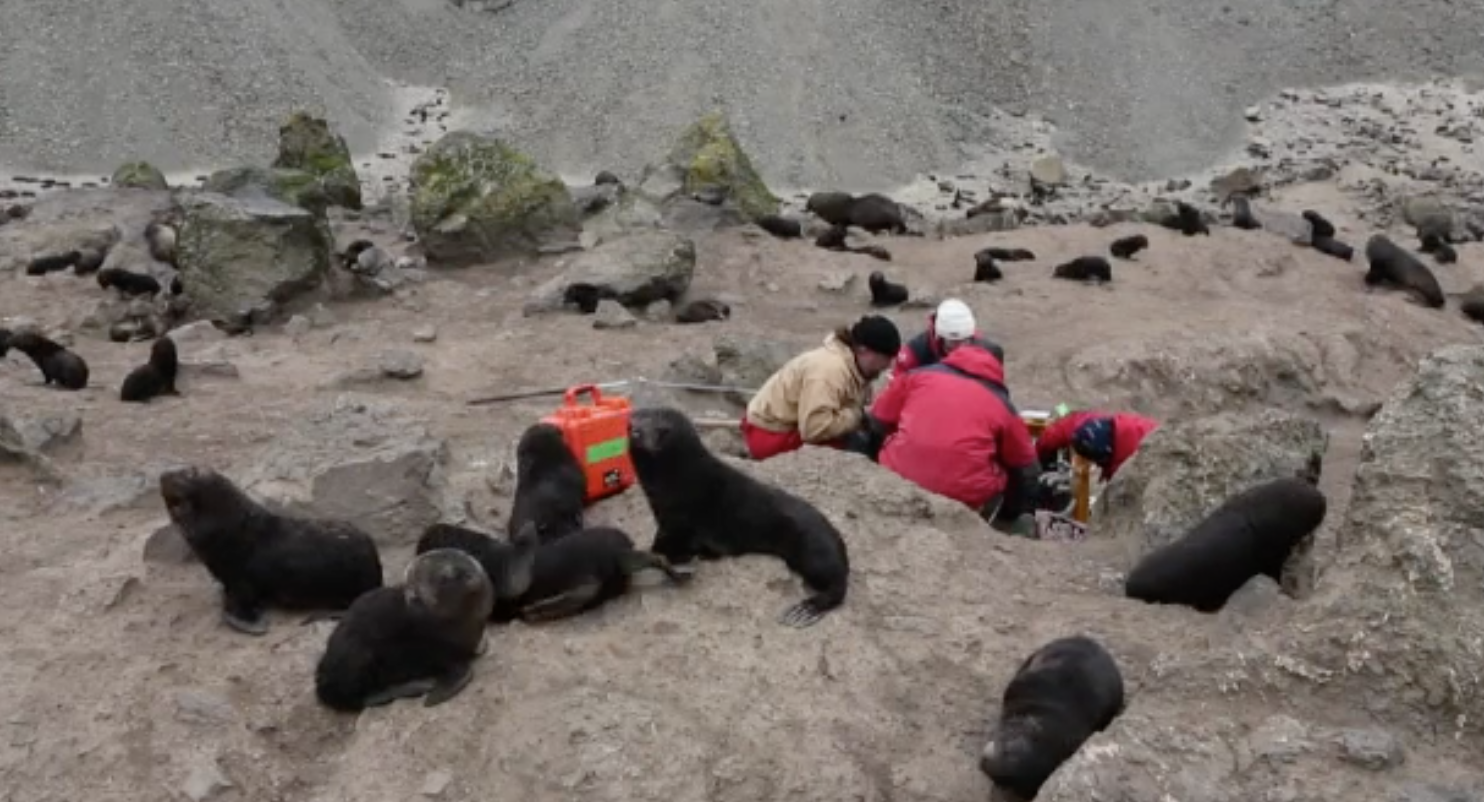
Norwegian Ecologists have recruited seals as a new ally for monitoring the effects of climate change.
The team on Bouvet Island in the antarctic have equipped 15 elephant seals and 20 fur seals with satellite transmitters to send back data.

“Well the tags that they wear for us will provide us with information on the salt content of the water column, how deep they dive,” says Ecologist Andrew Lowther. “Aand the temperatures that they are experiencing as they are diving.”

The seals dive to depths of two kilometres below sea level and swim under ice – providing the only affordable way of discovering previously unknown information on how climate change is affecting ocean currents.

(euronews)

May 24, 2018 0 comments
0 FacebookTwitterPinterestEmail
Norwegian Aid

Norway allocates additional NOK 116 million to humanitarian assistance

by Nadarajah Sethurupan May 23, 2018
written by Nadarajah Sethurupan

‘Norway’s humanitarian budget has never been bigger than it is now, but the needs created by the world’s humanitarian crises are continuing to grow. The Government has therefore proposed increasing the humanitarian budget by NOK 116 million. The additional funds will be channelled primarily to the crises in Yemen and the Democratic Republic of Congo,’ said Minister of Foreign Affairs Ine Eriksen Søreide.
In the revised budget, the Government has proposed an increase in the humanitarian budget of NOK 116 million. This comes in addition to the existing humanitarian budget for 2018, which totals NOK 5.15 billion.

‘Because of the decline in the number of asylum seekers coming to Norway, we are able to help more people in the areas where the needs are greatest, within the framework of the adopted aid budget. Some of the unused funds will now be transferred to the humanitarian budget,’ said Ms Eriksen Søreide.

‘I am deeply concerned about the humanitarian situation in Yemen and DR Congo. This additional allocation will initially be used to help meet the massive humanitarian needs created by these crises,’ said Ms Eriksen Søreide.

The situation in Yemen is currently being described as the world’s worst humanitarian disaster. According to UN estimates, almost 80 % of the population are in need of humanitarian assistance and protection. The needs have increased considerably over the last two years.

In DR Congo, the UN estimates that some 13.1 million people are in need of humanitarian assistance and protection. The needs have increased significantly since last year. The UN expects the situation to deteriorate further, due to protracted conflict, political uncertainty and economic challenges.

The funds allocated to Yemen and DR Congo will be used to provide food, water, health services and protection for the civilian population, among other things.

According to the 2018 UN global humanitarian appeal, 136 million people in 26 countries are in need of humanitarian aid and protection. The UN is calling for USD 22.5 billion in order to respond to the various crises. Norway’s humanitarian funds are mainly channelled through the UN, the Red Cross and Red Crescent Movement, and Norwegian NGOs.

(MFA-Norway)

May 23, 2018 0 comments
0 FacebookTwitterPinterestEmail
Norwegian American

Trump and NATO head welcome increased defense spending

by Nadarajah Sethurupan May 23, 2018
written by Nadarajah Sethurupan

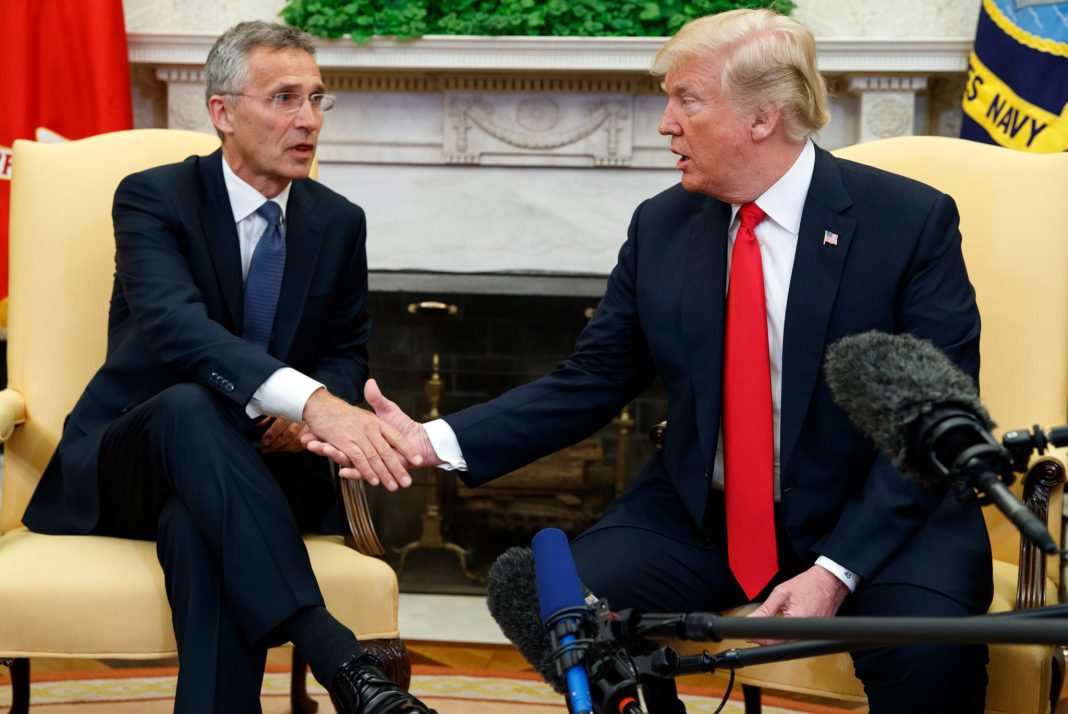
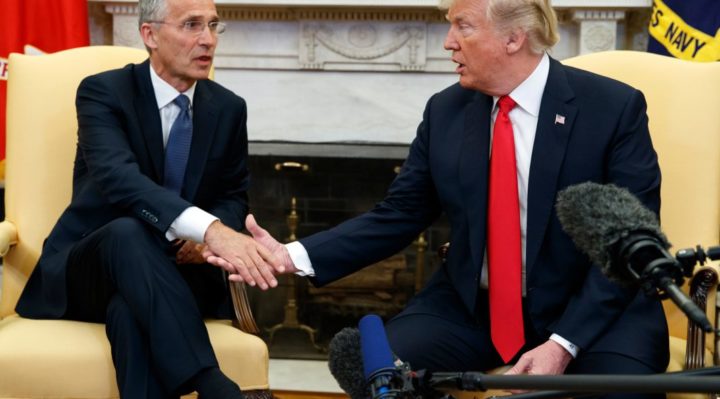
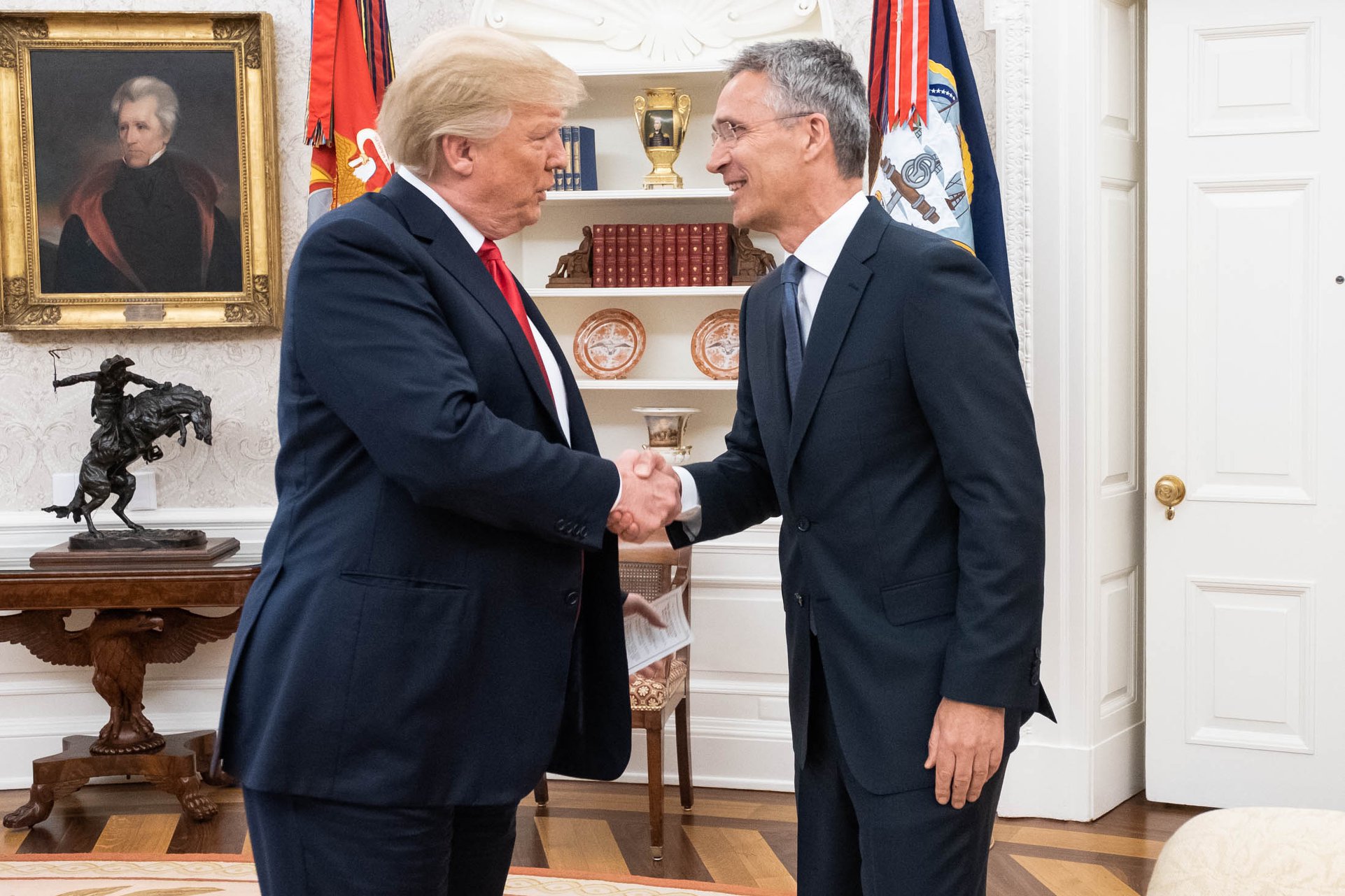
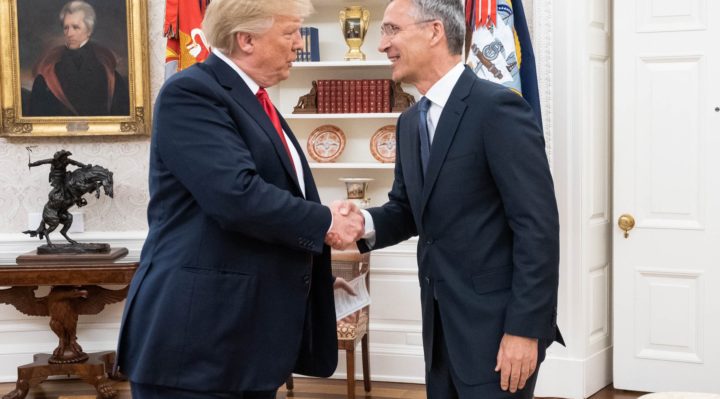
President Trump (right) and NATO Secretary General Jens Stoltenberg in the Oval Office on May 17. (© Evan Vucci/AP Images)

In a May 17 meeting with NATO Secretary General Jens Stoltenberg at the White House, President Trump applauded the many billions of dollars of increased defense spending by NATO allies and praised the “tremendous job” done by the NATO chief. Stoltenberg credited Trump’s leadership on the issue and said, “We live in a more unpredictable world. We need a strong NATO and to invest more in our security.” NATO leaders will gather for their annual summit July 11–12 in Brussels.

May 23, 2018 0 comments
0 FacebookTwitterPinterestEmail
Norwegian American

Norwegian power couple fears the worst from Trump administration

by Nadarajah Sethurupan May 23, 2018
written by Nadarajah Sethurupan

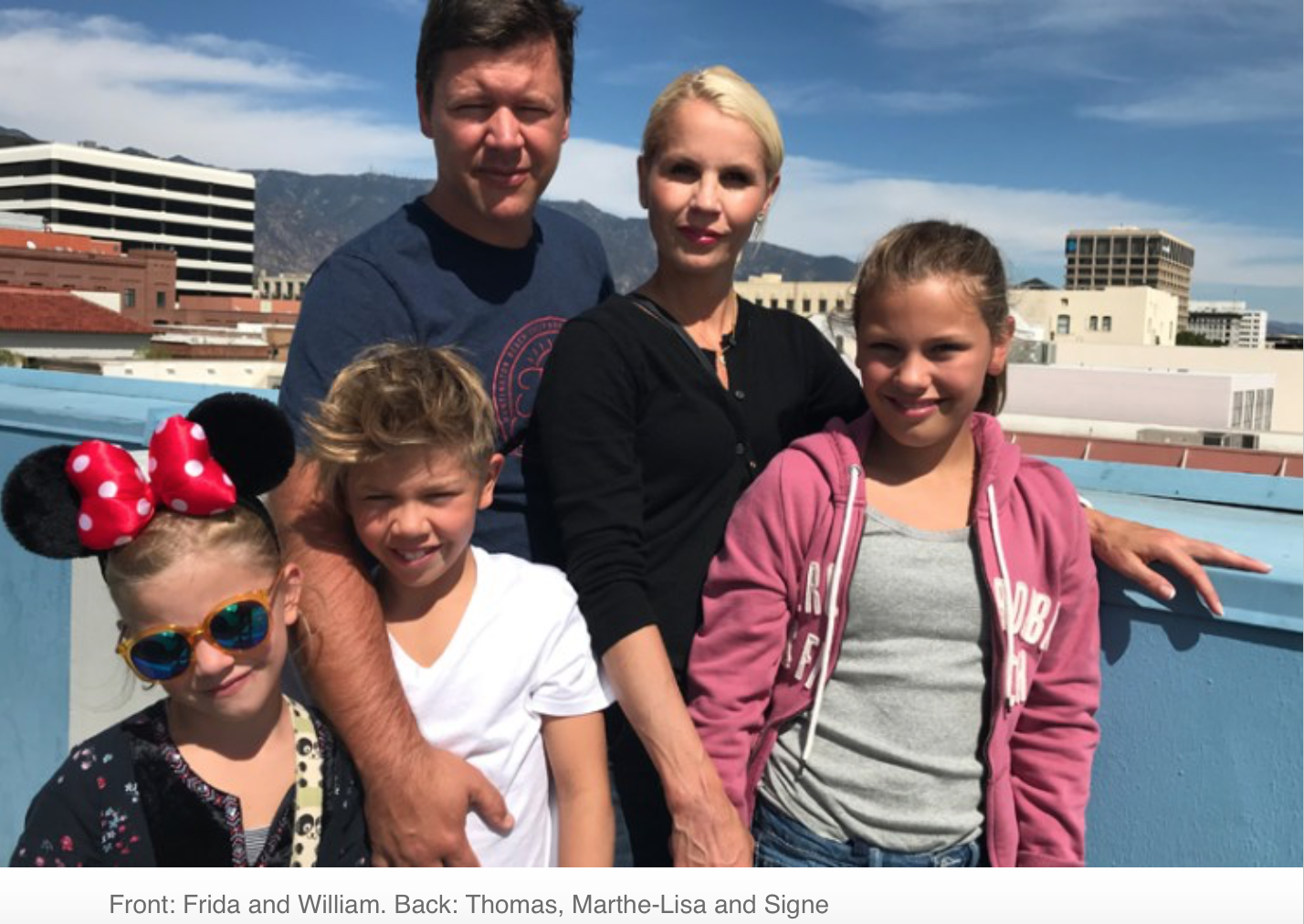
On vacation in California, Norwegian research physicians and family friends Thomas and Marthe-Lisa Naess-Andresen recently visited Pasadena.

They and their three young children enjoyed many of the tourist attractions the Southland has to offer, impressed by Universal Studios, Disneyland and Griffith Park. But despite all the fun, the power couple was pensive about international events and deeply concerned about the Trump administration’s handling of not just immigration, but the president’s increasingly conciliatory relationship with recently re-elected Russian President Vladimir Putin.

Though the two doctors are relaxing now, they still worry about what will happen when they return to their home country, located just less than 3,000 miles from Russia. They and other European nations have seen America as their protector for nearly seven decades.

“Norwegian and European eyes are on America,” said Thomas.

In fact, both Thomas and Marthe-Lisa said troubling stories about Trump appear on the front page of the main Norwegian newspaper Verdens Gang nearly every day. They see some of the changes the administration is making to basic governmental structures and institutions and, like many Americans, wonder where that will lead.

It didn’t help ease their tensions any when Trump used Norway as an example in offhanded  racist remarks he made about immigration, saying the US should have more immigrants from places like Norway, and not “s—hole countries,” as the president referred to Haiti and developing African countries.

“People apologize to us about Trump on their behalf when they open conversation with us, even in the grocery store,” Martha-Lisa said of an incident in Solana Beach in San Diego County, where the family was staying prior to traveling to Pasadena.

It also did not help bolster Thomas’ increasingly negative impression of the president when his sister, a nurse, was “Trumped” in her attempt to visit him and friends in Pasadena, being denied a visa because she had traveled to Sudan a couple of years ago with Doctors Without Borders.

“We didn’t take Trump’s comment as a compliment,” Thomas said of the president’s unguarded statement about immigration. “We took it as him talking down to other people and we didn’t want to be a part of that. In Norway, we like the immigrants.”

According to the Oslo-based newspaper Aftenposten, a poll conducted in June found that people dislike Trump more than Putin, with 66 percent of Norwegians having an “extremely unfavorable” impression of the president and only 51 percent having the same opinion of Putin. According to a headline appearing in the Jan. 12 issue of Newsweek, “Trump may love Norway, but Norway can’t stand the US President, say he’s a threat to World Peace.”

As Thomas explained, previous impressions of America before Trump came to power are that of the world’s strongest nation helping Europe survive World Wars I and II, rebuilding Europe from ruins, and keeping it safe during the Cold War. He says America has always been one of Norway’s closest allies. Norwegians even fought side by side with American forces in Iraq and Afghanistan. But now, Thomas fears Trump is introducing a threat to democracy in the US and the world.

Norwegians need America to be strong, according to Thomas. He points out that Norway is close to Russia, which he said could “swallow” Norway in 12 hours. He shares the concerns of his friends and neighbors who believe Trump is not standing strong and creating doubt in the very structure of the governmental organizations and press that have made America the world’s strongest nation.

While on vacation, Thomas and Marthe-Lisa have seen the president being targeted in a special counsel’s investigation into alleged Russian collusion in the 2016 election, and obstruction of justice. They also have heard no response from Trump personally to the attempted murder of an ex-Russian spy and his daughter in the UK — the US’ staunchest ally. And they listened to the news about Trump’s congratulatory call to Vladimir Putin for his latest questionable presidential win, over the explicit advice of the president’s closest advisers.

Although the US recently ordered the expulsion of 60 Russian diplomats, many characterized as spies, and the closure of the Russian consulate in Seattle, Trump, according to the Los Angeles Times, uncharacteristically said nothing about the move. Nor did the normally boastful chief executive tweet about the actions taken against Russian embassy workers by American security forces.

Though they are hopeful for change, and believe it will eventually come, the Naess-Andersens don’t really believe things will improve anytime soon — a dread that is shared by many Americans. 

(pasadenaweekly)

May 23, 2018 0 comments
0 FacebookTwitterPinterestEmail
Science

The Norwegian Government continues with the planning of a demonstration project for CO2 capture, transport and storage

by Nadarajah Sethurupan May 22, 2018
written by Nadarajah Sethurupan

The Ministry of Petroleum and Energy presented its assessment of the full scale carbon capture, transport and storage (CCS) project in Norway. The Government proposes to fund FEED studies (Front End Engineering and Design studies) with 80 million NOK in 2018. The total funding for the demonstration project in 2018 amounts to 280 million NOK, including funds transferred from 2017. The proposed funds for 2018 will cover FEED studies of CO2 transport, storage and up to two capture facilities.

Both the Intergovernmental Panel on Climate Change (IPCC) and the International Energy Agency (IEA) point to CCS as a necessary option to reduce global greenhouse gas emissions in line with the climate goals at the lowest possible costs.

In the years to come, the climate challenge demands a great effort, which will have to be met within a tighter scope in the budgets. Considerable resources are prioritized for climate options in the Norwegian government budgets. A decision to contribute to financing investment in and operation of a Norwegian full-chain CCS project has to be weighed against other climate measures. The Government has to choose effective measures that maximize the mitigation effect in a cost efficient manner.

The Government has appraised the demonstration project for CO2 capture and storage since 2015. In the autumn 2017, Norcem, Yara and Fortum Oslo Varme concluded concept studies on CO2 capture at their industrial sites. These concept studies have now been reviewed through the external quality assurance process for large Governmental projects. The Government is offering Norcem, a subsidiary of Heidelberg Cement, state aid to study CO2-capture at its cement plant in Brevik. Of the three CO2capture projects evaluated, Norcem has the best conditions for a successful implementation. Norcem has demonstrated project execution abilities and relatively low cost per tonne CO2 captured compared to the other two capture projects. The cement industry is also a significant contributor to global greenhouse gas emissions.

The external quality assurance considered Fortum Oslo Varme’s original project to have greater implementation risks. These are related to, inter alia, the length of the pipeline, public perception of having emissions of amines close to a city and the project management experience in the organisation. Further, cost estimates are considerably higher, compared to the other two. These are factors weighing against proposing funding for further studies at their plant. However, Fortum Oslo Varme has provided updated information, which is now being assessed by the external quality assurer. Following this assessment, the Government will consider whether to offer FOV support for FEED.

The Government does not recommend continued studies on CO2-capture at Yara’s ammonia plant at Herøya in Porsgrunn. Yara’s project has a smaller learning potential compared to the two others, and some uncertainties concerning the plant. Yara considers that it does not make sense industrially to continue the planning of their project.

Throughout FEED the demonstration project will mature further. Uncertainties and risks will be reduced and cost estimates will reach a higher level of certainty. Statoil, Total and Shell are cooperating on the studies of CO2-transport and storage, which will be continued as planned into FEED.

When FEED is completed, the Government will make a new assessment of the demonstration project and propose to Stortinget to decide upon a potential investment decision. The Government’s ambition is to realize a cost effective solution for CCS in Norway, provided this results in technology development internationally.

– We have reached a milestone in the Norwegian CCS demonstration project. I am very pleased to announce our continued commitment to CCS, although many issues remain to be resolved through FEED. To bring forward reasonable cost estimates and contribute to global knowledge dissemination and technology development, says Minister of Petroleum and Energy Terje Søviknes.

A potential investment decision will impound a large share of the budget for several years to come. Without considerable support from other sources it will be challenging to finance a demonstration project for CO2capture and storage in Norway. It is a prerequisite that the companies involved take a share of the costs and risks in the project. Further, it will be necessary to establish a cooperation to support the project, for example with the EU.

Both the Government and the industrial participants in the project are concerned with giving the project sufficient time in the planning phase. After the concept studies, the timeline for the project suggests that a potential investment decision may be taken in 2020/2021.

The external quality assurer considers the project to be economically unviable. The demonstration project must reach acceptable cost estimates and demonstrate a probability that other projects will follow, and benefit from the learnings of this project. Therefore, it will be of great importance that the companies involved in the project succeed with presenting a basis for the investment decision that facilitates a successful implementation of the project.

More information here: Summary – Status on the full-chain CCS demonstration project in Norway (pdf).

May 22, 2018 0 comments
0 FacebookTwitterPinterestEmail
Taiwan and Norway

Dalype Art Gallery has shown Tore Hauge´s photos from Taiwan

by Geir Yeh Fotland May 22, 2018
written by Geir Yeh Fotland

Photo from Ximending, Taipei, by Tore Hauge.

Dalype is an art gallery located since 1995 in an imitation timbered building built in 1990 on the preserved Omholt farm in Sagene in Oslo. Several other houses here are original half-timbered houses from the 1700s and 1800s.
The name of the gallery is composed of the letters of dentist Per Lyder Dahle who in 1989 originally founded Dalype Gallery. Visual artist Dag Vatle who run his own painting school next door since 1997, took over the gallery business in 2000.
The Dalype Gallery is constantly showing works by artists with very solid background, but also serves as a display for artists who do not necessarily have heavy art education and much experience with previous exhibitions.

Tore Hauge (photo) lives in Oslo. On facebook he met a Vietnamese girl living and working in Taipei. Three years ago he flew to Taiwan to visit her. He fell in love with the girl – and the country, starting reading many books about the beautiful island. He even took a three month course in Mandarin in Oslo. He visited Taipei also in 2016 and in 2017 taking plenty photos with the exhibition “Taipei” this year as result. Some of his photos are from Vietnam, England, France and Norway. Framed photos, photos on t-shirts, cups, bags and pins have been on sale. The photos from Taiwan can be seen here: http://www.torehaugehome.com/420589326.  The exhibition ends today, May 22nd.

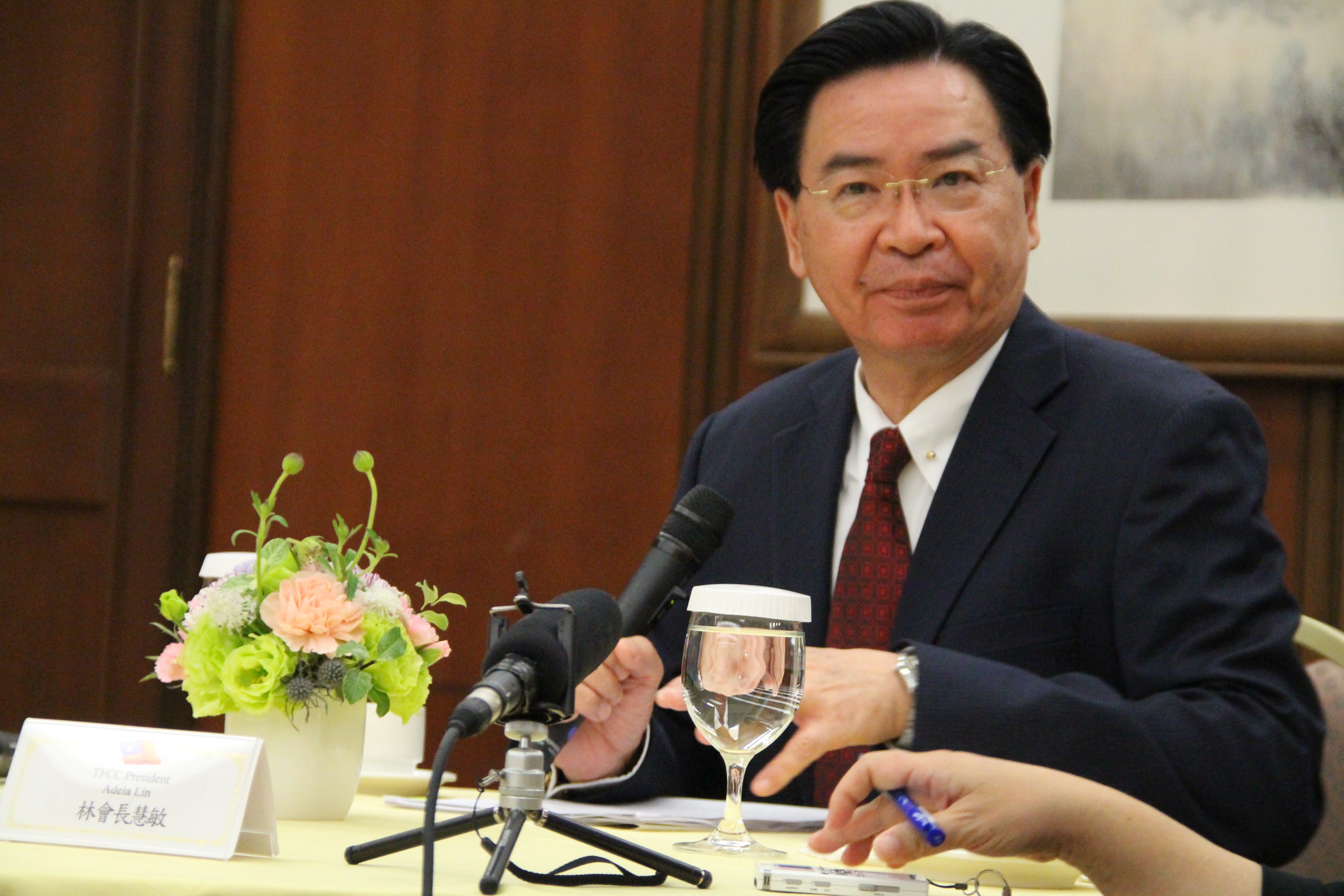
Taiwan is a democratic modern small Pacific country of the size of Denmark, but has more than 23 million citizens. Europeans used to call the island Formosa because of its beauty of nature. • Minister of foreign affairs Jaushieh Joseph Wu (photo) invites more Europeans to visit and explore Taiwan with a camera. With a valid passport from an European country, visitors get three months visa when entering the country. Therefor Norwegians visit Taiwan for business, for birdwatching, mountain climbing, biking, surfing, or as Tore Hauge for love and photographing. At Easter former prime minister to Norway Gro Harlem Brundtland and her husband Arne Olav visited Taiwan for their second time. She is impressed by Taiwan´s high technical development, excellent health system, clean environment and all the females in the politics.

May 22, 2018 0 comments
0 FacebookTwitterPinterestEmail
Politics

Foreign Minister regrets US decision to withdraw from nuclear deal

by Nadarajah Sethurupan May 22, 2018
written by Nadarajah Sethurupan

‘President Trump’s announcement this evening that the US will withdraw from the Iran nuclear deal and reimpose US nuclear sanctions is regrettable,’ said Minister of Foreign Affairs Ine Eriksen Søreide.

‘We are concerned that this decision could increase instability in what is already a volatile region. We are also concerned about how this decision will affect the future of the Non-Proliferation Treaty and the international community’s ability to prevent the proliferation of nuclear weapons.

‘Our position on the nuclear agreement with Iran is clear: The Iran Nuclear Deal has helped to promote regional stability and has contributed to our own security. It has been effective in achieving its objective – to prevent Iran from developing nuclear weapons. We have full confidence in the International Atomic Energy Agency’s verification and monitoring work and their assessment that Iran is fulfilling its obligations. Mr Trump’s decision does not mean that the deal cannot be salvaged. We urge Iran in the strongest terms to keep the deal alive, and we welcome the signals that Iran is willing to do so. We support the EU’s unambiguous statements indicating its commitment to ensuring continued implementation of the Iran nuclear deal,’ said Ms Eriksen Søreide.

May 22, 2018 0 comments
0 FacebookTwitterPinterestEmail
Economics

The Norwegian Fiscal Policy Framework

by Nadarajah Sethurupan May 21, 2018
written by Nadarajah Sethurupan

The Government Pension Fund Global and the fiscal rule have since 2001 set out the plan for the phasing-in of petroleum income and investment returns to the Norwegian economy. The Government Pension Fund Act stipulates that the State’s net cash flow from the petroleum industry shall in its entirety be transferred to the Government Pension Fund Global, and that resources in the Fund can only be transferred to the budget pursuant to a decision by Parliament.
Since 2001 the following rule has guided withdrawals from the Fund (handlingsregelen):

  • Transfers from the Fund to the central government budget shall, over time, follow the expected real return on the Fund.
  • Significant emphasis is placed on evening out economic fluctuations to contribute to sound capacity utilisation and low unemployment.

At the inception of the fiscal rule, the expected real rate of return of the Government Pension Fund Global was set at 4 percent. Based on analysis from the Thøgersen commission, the Mork commission, and Norges Bank, the expected real rate of return was reduced to 3 percent in the spring of 2017.

The fiscal policy framework ensures preserving the real value of the Fund for the benefit of future generations. At the same time, the Fund and the fiscal rule insulates the budget from short-term fluctuations in petroleum revenue, and leaves space for fiscal policy to counteract economic downturns. In the event of large movements in the value of the Fund or in factors that affect the structural non-oil fiscal deficit, the change in the use of petroleum revenue shall be smoothed over several years, based on an assessment of the real rate of return of the Fund a few years ahead.

Even though the fiscal policy framework is especially well-suited to the particular challenges Norway faces in managing its large petroleum wealth, the fiscal rule resembles that in use in other European countries. The rule stipulates that the government expenditure shall, over time, equal government revenues from the mainland economy and the expected future real return from the Fund. Several countries, including countries in the EU, have fiscal rules that imposes limits on the budget balance.

The Revised national budget 2018 implies a structural, non-oil deficit of NOK 225.5 billion, equivalent to 2.7 per cent of the value of the Government Pension Fund Global.


More information:

  • The National Budget 2018. Press release
  • Long-term Perspectives on the Norwegian Economy 2017 – A Summary of Main Points (Meld. St. 29 (2016-2017))
  • Report no. 29 (2000-2001) on guidelines for economic policy, the figures in the report and the accompanying press release.
May 21, 2018 0 comments
0 FacebookTwitterPinterestEmail
Middle East and Norway

Norway agree to provide water and sanitation for Somali refugees

by Nadarajah Sethurupan May 21, 2018
written by Nadarajah Sethurupan

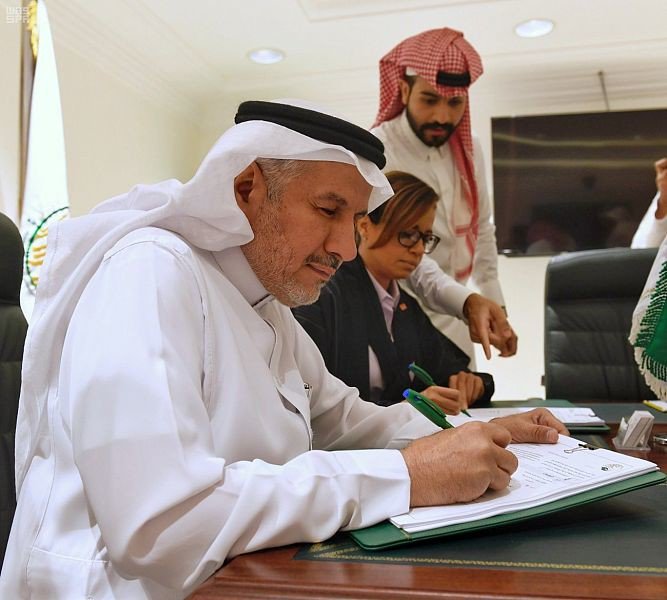
The Saudi King Salman Humanitarian Aid and Relief Center signed a joint agreement today, planning to improve access to potable water, and sanitation for refugees in Somalia. The agreement is in cooperation with the Norwegian Refugee Council (NRC), at a total cost of $2 million.
The agreement was signed by the General Manager of the Center, Dr. Abdullah Alrabiah and Abeer Shobasi, the Gulf Region Director of the NRC, at the headquarters of the Relief Center in Riyadh.

The agreement aims to provide drinkable water and water for sanitary use. Also, to provide, training and health education for those in the most affected areas of Somalia.

Shobasi expressed her pleasure at signing the first working agreement in Somalia between the NRC and the King Salman Relief Center. She hoped the agreement would be a good start and a strategic partnership between the two sides in the near future.

May 21, 2018 0 comments
0 FacebookTwitterPinterestEmail
Economics

Outline of economic developments and fiscal policy

by Nadarajah Sethurupan May 20, 2018
written by Nadarajah Sethurupan

In order to ensure simultaneous access to potentially market sensitive information The Ministry of Finance here unveils selected key figures prior to the budget release, which takes place at 10:45. A table with more detailed projections will be released together with the budget.

In the 2018 Revised National Budget growth in mainland Norway is projected to be 2.5 per cent this year and 2.6 per cent next year, unchanged from the forecasts given in the 2018 National Budget. This is above the historic trend, and capacity utilisation will increase and remain close to normal levels next year. The labour market has improved faster than projected.

The Revised National Budget for 2018 upholds the neutral fiscal policy stance from the adopted 2018 budget, which was approved by Parliament in December. Spending of petroleum revenues is now estimated to NOK 225.5 billion in 2018, as measured by the structural, non-oil deficit.  This is NOK 5.6 billion lower than forecasted in the adopted budget. The structural budget deficit is at the same time adjusted down for 2017, and the estimated fiscal impulse is thereby still less than 0.1 per cent of trend GDP for mainland Norway.

The petroleum revenue spending is estimated to 2.7 per cent of the capital of the Government Pension Fund Global by the beginning of 2018, revised down from 2.9 per cent in the adopted budget. The revision should be read in the light of a substantial rise in the Funds market value by the end of last year.

Table: Selected key figures in the Revised National Budget 2018

1) 2018 Revised National Budget.
2) 2018 National Budget.
3) Change from previous year in percent.
4) Structural, non-oil budget deficit measured in percent of trend GDP for mainland Norway. Change from previous year in percentage points.
5) Structural, non-oil budget deficit measured in per cent of the capital in the Government Pension Fund Global at the beginning of the year.

Sources: Statistics Norway and Ministry of Finance.

May 20, 2018 0 comments
0 FacebookTwitterPinterestEmail
Media Freedom

People spend 11 minutes per day on Norwegian news

by Nadarajah Sethurupan May 20, 2018
written by Nadarajah Sethurupan

Sol, an aggregated news site from Norwegian magazine and news publishing group Aller Media, launched an app in December to gain new, younger readers. The Sol app uses a combination of algorithms and human editors to surface content people are interested in, in order to keep them in the app longer.
So far, Sol is seeing encouraging results from the app, which has a healthy average daily dwell time of 11 minutes, according to Sol CEO Jan Thoresen, thanks in part to the algorithm serving relevant content. The app has 50,000 daily unique users and adds around 5,000 new users a week, he said, noting that it’s particularly popular with women between 18 and 24 years old. Sol’s app and site have a 750,000 unique weekly users, Thoresen said.

“The ongoing challenge for the content industry is that we’re losing control of distribution, and we can’t expect Google and Facebook to take care of us,” said Thoresen. “We need to reinvent the way news is distributed in a feed way. We focus on creating habits. The strategy is around the quality; we call it thinkbait rather than clickbait.”

When users register with the app, they are welcomed by a chatbot assistant, which 50 percent of users opt into using, according to Sol. The app surfaces local news stories based on users’ location, as well as content based on interests gleaned from what users choose to read. The editorial team also manually sources roughly 100 news stories a day from other Norwegian publishers, linking back to those news outlets.

“Machine learning is reviving news aggregators all over the world,” said Thoresen, adding that Sol’s app took inspiration from Toutiao, a Chinese aggregator app. “We wanted to test it out in a local market.”

Another reason for the app’s popularity is Facebook’s algorithm change in January that de-emphasized news content in the feed, which Thoresen said has led to a huge decrease in Facebook referral traffic for Norway’s news publishers. “People miss the news, and they’re used to a sophisticated way of sorting,” he said.

Sol has 25 people working on the app, split evenly between sales, editorial and technology. A team of six people developed the app over six months. Thoresen said Sol monetizes its content in the app through display ads, and it’s profitable.

As with other apps, encouraging people to download the Sol app is a challenge, particularly when similar services like Apple News or Upday come installed on mobile phones. After Sol advertised its app on Facebook and Instagram in March, the app climbed from No. 17 to No. 1 on the Apple App Store’s list of top free apps in Norway.

Other publishers that have had success with their apps include sports publisher Bleacher Report, which gets people to spend five minutes a day in its app, and women’s lifestyle site Bustle, which gets users to spend six minutes per session in its app.

Sol plans to add more ad units to the app without compromising the user experience and improve its push notifications. People who opt in to push notifications get about four push notifications a day about specific topics users have shown interest in, like sports, science or technology, plus an additional two about breaking news. “Based on interest and urgency, we’re experimenting with more editorial content that’s less time-urgent, as well as trying to make [the app] more like a news assistant,” said Thoresen.

(digiday)

May 20, 2018 0 comments
0 FacebookTwitterPinterestEmail
NATO and Norway

Remarks by President Trump and Secretary General Stoltenberg of NATO Before Bilateral Meeting

by Nadarajah Sethurupan May 19, 2018
written by Nadarajah Sethurupan

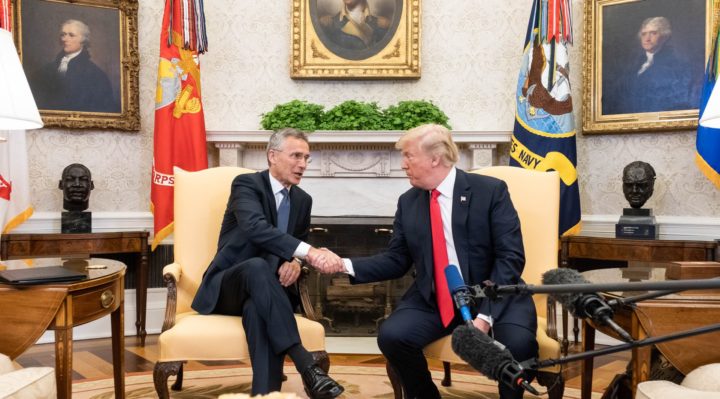
During their meeting in Washington, President Trump and NATOSecretary General Stoltenberg recognized the progress the Alliance has made on increased burden sharing and the fight against terrorism. More work is left to do to so that all Allies meet the defense investment pledge made at the 2014 Wales Summit, which will ensure we are able to address global challenges and keep our citizens safe and secure.

“Today, the United States reaffirms our commitment to Article 5 and themutual defense pact. We renew our call on nations to demonstrate their commitment to the Alliance through their actions, including by increasing their defense contributions under the Article 3 requirement for preparedness and military capacity.” – President Trump

Oval Office

1:47 P.M. EDT

PRESIDENT TRUMP:  Thank you very much.  It’s an honor to have Secretary General Stoltenberg with us.

NATO has been working very closely with the United States.  Our relationship is very good.  Together, we’ve increased and, really, raised a lot of money from countries that weren’t paying or weren’t paying a fair share.  We have a little ways to go, but many billions of dollars of additional money has been raised.

And I really appreciate the great job that you’re doing.  As most people know, you’ve been extended for a long period of time, and I was very much at — I think with my leadership and — really, the fact is, we pushed it very hard because this gentleman does a tremendous job at NATO.  And I appreciate it.

Thank you.  Thank you very much, Mr. Secretary.

SECRETARY GENERAL STOLTENBERG:  Thank you so much.  Thank you so much, Mr. President, for hosting me and my delegation once again here at the White House.  And let me thank you for the leadership you show on the issue of defense spending because it is very important that we all contribute more to our shared security.  And it is really having an impact because, as you said, allies are now spending more on defense.  All allies are increasing their defense budgets.

PRESIDENT TRUMP:  Do you give me credit for that?

SECRETARY GENERAL STOLTENBERG:  You have helped to do that because your leadership has been important, and it has had a real impact.  And we see that because all allies increased and they add billions to their budget.  So that’s important because we live in a more unpredictable world, and then we need strong NATO, and we need to invest more in our security.

PRESIDENT TRUMP:  Well, thank you very much for being here.  It’s an honor.

Q    Mr. President, on North Korea — can I ask you a question about North Korea?

PRESIDENT TRUMP:  Well, nothing has changed on North Korea that we know of.  We have not been told anything.  And if it does, that’s fine.  If it doesn’t, I think we’ll probably have a very successful meeting.  But we have not been told anything.  We’re just reading stories like you are.  We’ve heard certain things from South Korea.  But we’ll see what happens.  If the meeting happens, it happens.  And if it doesn’t, we go on to the next step.

Q    Is this just a typical thing that North Korea does?  Did you expect this?

PRESIDENT TRUMP:  I don’t know.  I really don’t know.  No, I want to give everybody the benefit of a doubt.  I think that — I can only say our people are literally dealing with them right now, in terms of making arrangements for the meeting.  So that’s a lot different than what you read.  But oftentimes what you read, if it’s not fake news, is true.

So we’ll see what happens.  We are dealing with them now.  We may have the meeting; we may not have the meeting.  If we don’t have it, that will be very interesting.  We’ll see what happens.  The border is still quite strong.  I think things changed a little bit when they met with China.  They met the second time.  As you know, Kim Jong-un had a second meeting with China, which was a little bit of a surprise meeting.

And we have many of the Chinese here today, as you know — big delegations negotiating trade — because the United States has been ripped off for many, many years by its bad trade deals.  I don’t blame China; I blame our leadership of this country from the past.  We have been ripped off by China — an evacuation of wealth like no country has ever seen before given to another country that’s rebuilt itself based on a lot of the money they’ve taken out of the United States.  And that’s not going to happen anymore.

But there has been a big difference since they had the second meeting with President Xi.  With that being said, my attitude is whatever happens, happens.  Either way, we’re going to be in great shape.

Q    Would you consider a personal outreach to Kim to get him moving toward — keep him moving towards —

PRESIDENT TRUMP:  No, we’ll see what happens.  Look, you have to want to do it.  With deals — that’s what I do, is deals.  And with deals you have to have two parties that want to do it.  He absolutely wanted to do it.  Perhaps he doesn’t want to do it.  Perhaps they spoke with China — that could be right — President Xi, a friend of mine, great guy.  But he’s for China, and I’m for the United States.  And that’s the way it is, and I suspect it’s never going to change.

But I will say this: We are continuing to negotiate in terms of location — the location as to where to meet, how to meet, rooms, everything else.  And they’ve been negotiating like nothing happened.  But if you read the newspapers, maybe it won’t happen.  I can’t tell you yet.  I will tell you very shortly.  We’re going to know very soon.

Steve.

Q    Sir, what are you going to tell the Chinese trade official today during these trade talks?

PRESIDENT TRUMP:  Well, I’ve been telling China that we are — you people have been covering trade, and you’ve been covering China, and you’ve been covering everything for a long time.  Have you ever even seen a negotiating in trade?  Nobody has ever seen anybody from our country even negotiate on trade — trade with China and with other countries.  I’m not just blaming China; China is the biggest.  But trade has been a total one-way street.  Right outside of this nation, you take money out like it’s — by the bucket loads, into other — whether it’s the European Union, which you know so well; whether it’s Japan or South Korea, or I can name almost every single country in the world.

We had nobody representing us, and now you have somebody that’s very good at this stuff — me — representing us.  And China has taken out hundreds of billions of dollars a year from the United States.  And I explained to President Xi, we can’t do that anymore.  We just can’t do that anymore.  It’s a much different situation.

But with all the years, and all the years that you’ve covered trade and nations and wars, and everything else, you’ve never seen people come over from China to work on a trade deal.  Now, will that be successful?  I tend to doubt it.  The reason I doubt it is because China has become very spoiled.  The European Union has become very spoiled.  Other countries have become very spoiled because they always got 100 percent of whatever they wanted from the United States.  But we can’t allow that to happen anymore.  We’re an incredible country; we have incredible potential.  The potential we have is incredible.

But we lost $800 billion on trade last year, if you add it all up, of which China was around the $500 billion mark.  So we lost $800 billion.  Can you believe that?  Is that an amazing thing to even think about?  We lost $800 billion on trade.  We’re not going to be doing that any longer.

Q    Just to follow up, sir, what’s happening with ZTE?  Are you going to lift the ban on them?

THE PRESIDENT:  ZTE was a company that I spoke to with President Xi.  He asked me if I’d take a look at that because it was very harmful to them in terms of their jobs and probably other things.  And I certainly said I would.  He asked me to do it, and I would do that.  I would certainly, out of great respect.  I like him; he likes me.  We have a great relationship.  He asked me if I’d look at ZTE.

Don’t forget, it was my administration, with my full knowledge, that put very, very strong clamps on ZTE.  It wasn’t anybody else.  It wasn’t President Obama.  It wasn’t President Bush.  It was me.  I put very strong clamps on ZTE.  They did very bad things to our country.  They did very bad things to our economy.

The one thing I will say: They also buy a large portion of their parts for the phones that they make, and they’re the fourth-largest company in terms of that industry.  They buy those parts from the United States.  That’s a lot of business.  So we have a lot of companies that won’t be selling those parts.

But the President of China, President Xi, asked me to look at it.  I said I would look at it.  But anything we do with ZTE is always — it’s just a small component of the overall deal.

I can only tell you this: We’re going to come out fine with China.  Hopefully China is going to be happy.  I think we will be happy.  And as the expression goes, when you’re losing $500 billion a year on trade, you can’t lose the trade war; you’ve already lost it.  We’ve had horrible representatives in this country that have allowed other countries to get away with murder, and those days are gone.  Those days are over.

So we just want fairness for the workers of this country and for the United States.  That’s what’s going to happen, okay?  I’ll let you know about — as time goes by, we’ll let you know, as of this moment, everything we know.  I mean, North Korea is actually talking to us about times and everything else as though nothing happened.  Will it happen?  Will we be going on that very special date, and can some great things happen?  You know, we’re going to be looking at it very soon.

Yeah, Steve?

Q    They seemed to get annoyed by a comment that Ambassador Bolton made about the Libya model of denuclearization.

THE PRESIDENT:  Yeah.  Well, the Libyan model isn’t a model that we have at all, when we’re thinking of North Korea.  In Libya, we decimated that country.  That country was decimated.  There was no deal to keep Qaddafi.  The Libyan model that was mentioned was a much different deal.  This would be with Kim Jong-un — something where he’d be there, he’d be in his country, he’d be running his country.  His country would be very rich.  His people are tremendously industrious.

If you look at South Korea, this would be, really, a South Korean model in terms of their industry, in terms of what they do.  They’re hardworking, incredible people.

But the Libyan model was a much different model.  We decimated that country.  We never said to Qaddafi, “Oh, we’re going to give you protection.  We’re going give you military strength.  We’re going to give you all of these things.”  We went in and decimated him.  And we did the same thing with Iraq.

Now, whether or not we should have, I could tell you I was against it from the beginning because look what we have right now: We’ve spent $7 trillion — can you believe that — $7 trillion in the Middle East.  Right out the window.  You might as well throw the money right out the window.  And we’ve done a lot of infrastructure.  We just had airports approved.  You saw that.  A lot of things are happening.  But we spent $7 trillion in the Middle East, and look where we are right now.  It’s pretty sad.

But the model, if you look at that model with Qaddafi, that was a total decimation.  We went in there to beat him.  Now that model would take place if we don’t make a deal, most likely.  But if we make a deal, I think Kim Jong-un is going to be very, very happy.  I really believe he’s going to be very happy.

But this is just the opposite.  And I think when John Bolton made that statement, he was talking about if we’re going to be having a problem because we cannot let that country have nukes.  We just can’t do it.  So that’s the way it meant.  It’s really just the opposite.  Because if you — if you look at — again, you look at Syria, that was a total decimation.

Yes, John.

Q    Well, what security guarantees are you willing to give to North Korea, in terms of keeping —

PRESIDENT TRUMP:  Well, I’m willing to do — we’re willing to do a lot.  And he’s willing to, I think, do a lot also.  And I think we’ll actually have a good relationship, assuming we have the meeting, and assuming something comes of it.  And he’ll get protections that would be very strong.

Syria had never had protections.  If you look at Syria, if you look at — or if you look anywhere around the Middle East — you look at Iraq, you look at Libya — with Libya, certainly they didn’t have protection; they had the exact opposite.  That was — that was absolute decimation.  And that’s what we planned to do, and that’s what we did.

Q    Reduce U.S. troop level is a possibility in South Korea?

PRESIDENT TRUMP:  Well, I’m not going to talk about that.  We’re going to say that he will have very adequate protection, and we’ll see how it all turns out.  I think this: The best thing he could ever do is to make a deal.

I have a feeling, however, that, for various reasons, maybe including trade, because they’ve never had this problem before — China has never had this problem with us — it could very well be that he’s influencing Kim Jong-un.  We’ll see what happens, meaning the President of China, President Xi, could be influencing Kim Jong-un.

But we’ll see.  That’s just — look, if you remember, a few weeks ago, all of the sudden, out of nowhere, Kim Jong-un went to China to say hello, again, a second time, to President Xi.  I think they were dedicating an aircraft carrier paid for largely by the United States.

Thank you very much everybody.

Q    A question on NATO.  Will you ask NATO to be — sorry, will you ask NATO to be more involved in the —

PRESIDENT TRUMP:  I can’t hear you.  I can’t.  Can’t hear you.  Thank you everybody.

END

2:00 P.M. EDT

May 19, 2018 0 comments
0 FacebookTwitterPinterestEmail
NATO and Norway

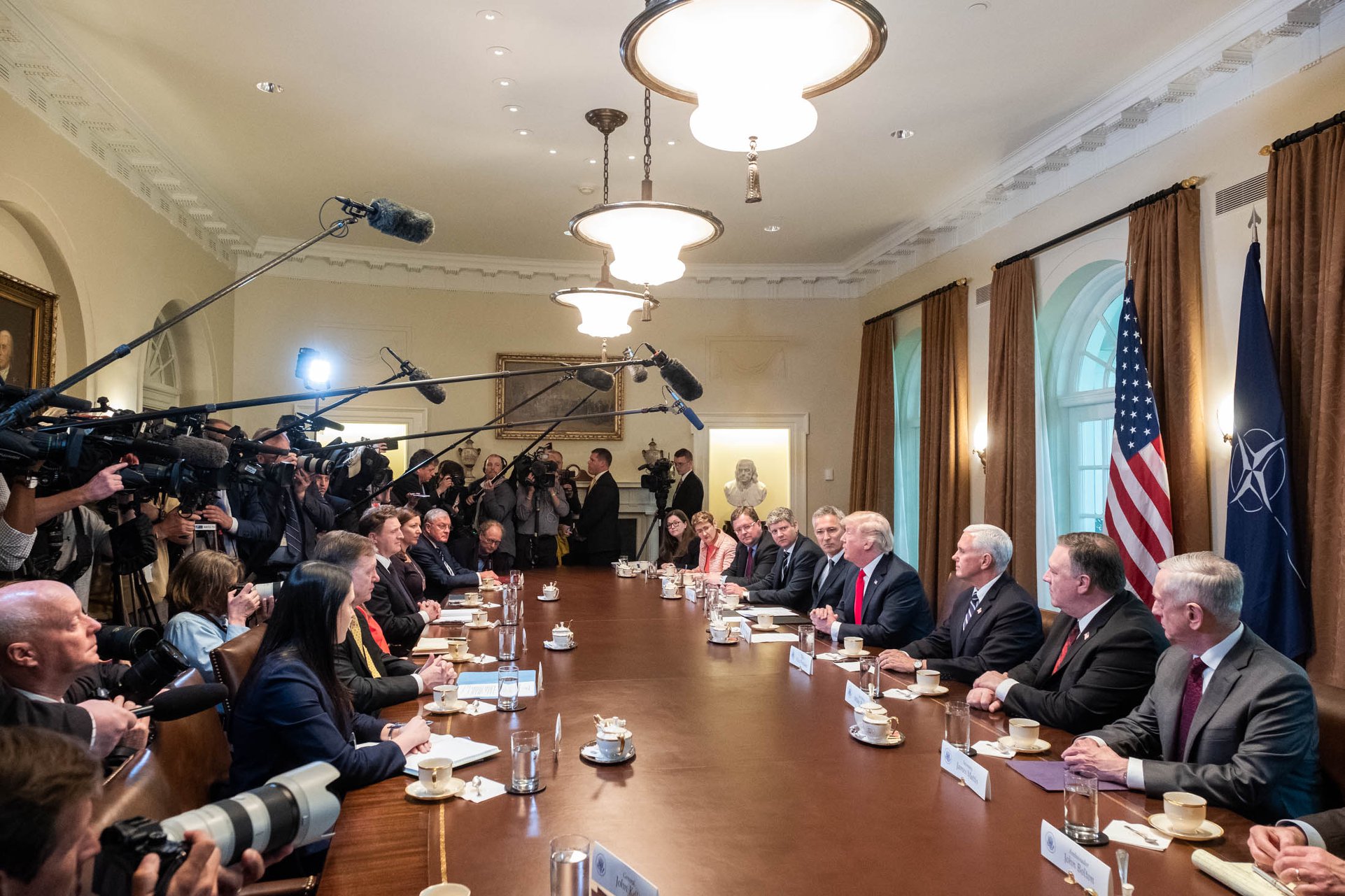
Remarks by President Trump and NATO Secretary General Stoltenberg Before Expanded Bilateral Meeting

by Nadarajah Sethurupan May 19, 2018
written by Nadarajah Sethurupan

During their meeting in Washington, President Trump and NATOSecretary General Stoltenberg recognized the progress the Alliance has made on increased burden sharing and the fight against terrorism. More work is left to do to so that all Allies meet the defense investment pledge made at the 2014 Wales Summit, which will ensure we are able to address global challenges and keep our citizens safe and secure.

“Today, the United States reaffirms our commitment to Article 5 and themutual defense pact. We renew our call on nations to demonstrate their commitment to the Alliance through their actions, including by increasing their defense contributions under the Article 3 requirement for preparedness and military capacity.” – President Trump

Cabinet Room

2:25 P.M. EDT

PRESIDENT TRUMP:  Thank you very much.  And today I’m honored to welcome Secretary General Stoltenberg back to the White House as we prepare for the upcoming NATO Summit in July.  That will be both interesting and exciting.

I’ve had the great pleasure of getting to know Secretary General Stoltenberg over the last year.  We’ve worked very closely together and improved very much, with respect to everybody, the burden sharing.  And we’ve really strengthened NATO and the NATO Alliance.  The strong working partnership we forged has helped to produce significant increases in member-state contributions.  We’ve worked very hard on that.  And I will tell you, the Secretary General has been working on that for a long time, before I got there.  But I think more progress — I can say with surety, more progress has been made in the last year and a half than has been made in many, many years.

We’re delighted to report that last year, as a result of our joint efforts, we witnessed the single-largest increase in defense spending among European member states and Canada in a quarter of a century.  That really is quite a spectacular achievement, so I congratulate you.  I congratulate you very much.

We really have worked in many respects, but that was, I think, a big one.  We had countries that were not paying what they were supposed to be paying.  Now most countries are.  Not all.  And I think you’ll be able to handle the ones that aren’t.  Right?  I have confidence.

This afternoon, I want to thank the seven NATO nations, in addition to the United States, who will meet their 2 percent NATO defense spending.  Now, unfortunately, we pay much more than 2 percent, which is probably unfair, and unfair to the taxpayers of the United States.

But the 2 percent number that’s met is Poland, Romania, Estonia, Latvia, Lithuania, Greece, and the United Kingdom.  And they are right up to snuff.  They paid.  They were on time.  They paid the number that they’re supposed to be paying.  We have some that don’t — and, well, they’ll be dealt with.

As a result of these contributions, NATO is much stronger, taking in billions and billions of dollars — more money than they ever have before.  But as the Secretary General and I have discussed, more work needs to be done.  We’re still waiting on 20 member states to meet their NATO commitments and spend at least 2 percent on defense.  And 2 percent is a very low number.  The number really should be 4 percent.  Two percent is a very low number.

In particular, Germany must demonstrate leadership in the Alliance by addressing its longstanding shortfall in defense contributions.  Germany has not contributed what it should be contributing, and it’s a very big beneficiary — far bigger than the United States, frankly.

In addition to that, as you know, they’re buying massive amounts of gas from Russia and paying billions and billions of dollars.  So I think that’s something we’ll be discussing later and we’ll be discussing that at our meeting, and probably long before the meeting.

We’re going to successfully confront the full range of threats, and we’re going to need every member state to honor its obligation.  So, as we’ve just said, some do and some don’t.

Today, the United States reaffirms our commitment to Article 5 and the mutual defense pact.  We renew our call on nations to demonstrate their commitment to the Alliance through their actions, including by increasing their defense contributions under the Article 3 requirement for preparedness and military capacity.  Have to be prepared.  Never know what’s going to happen.

I’ve also called on NATO to improve its counterterrorism capabilities.  Since the founding of the Alliance, terrorism has claimed more lives in NATO countries than any other security threat.  Think of that.  This was something that years ago wasn’t even a subject.  And I would talk about it all the time on the campaign.  And in all fairness to Secretary General Stoltenberg, he listened to me and they have a great counterterrorism operation.  We appreciate that.

I was therefore glad to see, last May, NATO adopted an Action Plan recommending the Alliance to the fight, and to fight, against terrorism, which is now becoming a fight all over the world, no matter where you go; places that 10 and 20 years ago you wouldn’t have even thought about it.

I also discussed with Secretary General Stoltenberg our commitment to stopping nuclear proliferation, including the denuclearization of the Korean Peninsula.  We want a future of safety, security, peace for all Koreans and for the entire world.

My administration is also committed to working with our allies to halt Iran’s nuclear ambitions and their destabilizing activities all across the Middle East.  No matter where you go, no matter where there’s a problem, there’s Iran right behind it, and we’re not going to have that any longer.

I’ve said before: Our nations must be strong from within to defend ourselves from threats outside.  The strength of the NATO Alliance does not depend on military might alone, but also the deep ties of history, culture, and tradition that have long united our civilization.  Now, we must renew these ties and rededicate ourselves to our shared heritage.  And in heritage, we want a heritage of peace.  Strength but peace.  Strength but peace.

I want to thank you, Secretary General, for joining us at the White House — it’s a great honor — and for working with us to fortify the NATO Alliance which has proudly stood for seven decades as the bulwark of freedom, security, and prosperity.  Together, we will make NATO and the NATO Alliance stronger.

We need fairness.  We need to be reciprocal.  Countries have to be reciprocal in what we’re doing.  Unfair that some countries pay, and some countries work, and some countries are loyal and terrific, and other countries aren’t.  And we just can’t have that.  So we’re working on that together.

A great honor to be with you.  Thank you very much.

SECRETARY GENERAL STOLTENBERG:  Thank you so much, President, for hosting me and my delegation here at the White House.  It’s great to see you again.  And in uncertain times, we need a strong NATO, so I would also like to thank you for your strong commitment to our alliance.

Last time we met, your main message was that NATO had to do more in the fight against terrorism and more on defense spending.  All NATO leaders agreed and now we are delivering.  We are stepping up our efforts in the fight against terrorism.

In Afghanistan, where we are increasing a number of trainers and to the support for Afghani government, and also in Iraq, where we also plan to launch a new training mission at the summit — at the NATO Summit in July.

On defense spending, I would say that I agree with you.  We have to do more.  And I would like to thank you for your leadership, and it has really impact — it is impacting allies, because all allies are now increasing defense spending; they’re adding billions to their budgets.  So your leadership on defense spending has really helped to make a difference, and that’s something I thank you for.

After years of decline, all allies have started to increase defense spending.  No allies are cutting their budgets anymore.  And more and more allies are at 2 percent of GDP for defense.

But I also agree that we have to do more so allies will continue to work on defense spending because we need to invest more in our security when the world is more unpredictable as it is today.

We also support your efforts to try to find a peaceful and negotiated solution to the crisis on the Korean Peninsula.  The aim should be to denuclearize the Korean Peninsula and to make sure that there are no nuclear weapons there, and also to stop not only the development of nuclear weapons, but also the missile program.

So, therefore, we support the initiative and the work for having a summit.  We think it’s important, also, to make sure that we still have pressure on North Korea, and North Korea has to seize this opportunity — this historic opportunity — to solve the crisis on the Korean Peninsula.

So once again, thank you so much for your strong commitment to our Alliance, and I look forward to continuing our discussion and to address these issues and many others.

PRESIDENT TRUMP:  Thank you very much.  Thank you.

Q    Mr. President, sir, could you clarify the context of your use of the word “animal” yesterday in referring to some people who were (inaudible) —

PRESIDENT TRUMP:  No.  It has nothing to do with this meeting.  But I’m referring — and you know I’m referring — to the MS-13 gangs that are coming in.  And I was talking about the MS-13 and also — and if you look a little bit further on in the tape, you’ll see that.  So I’m actually surprised you’re asking this question because most people got it right.

But I’m saying the MS-13 — you don’t have that where you come from — MS-13, these are animals.  They’re coming into our country and we’re getting them out.  They come in again, we’re getting them out.  We need strong immigration laws.  We have the weakest laws in the entire world.  We have laws that are laughed at on immigration.

So when the MS-13 comes in, when the other gang members come into our country, I refer to them as “animals.”  And guess what?  I always will.  But we’re getting them out by the thousands.  But it’s a big, dangerous job.  And they’re able, in some cases, to come back in or new groups come in also from the gangs.

Thank you.

Q    Mr. President, do you want NATO to play a bigger role in Syria?  Especially that you, sir, announced before that you wanted the U.S. troops to withdraw.  Will NATO take place of the U.S. troops there?

PRESIDENT TRUMP:  Well, I think we helped Syria, actually, by withdrawing from the Iran deal, which was a terrible deal for the United States and, I think, for the world.  And I think Syria — hopefully, Syria will start to stabilize.  You see what’s been happening.  It’s been a horror show.

And I have great respect for Syria and the people of Syria.  These are great people.  I know people from Syria.  These are great people.  It was a great culture before it was so horribly blown apart; a place where people would go, where they had tremendous professional people, as you know — doctors, and lawyers, and it’s — friends of mine from the Middle East that say, “We used to go to Syria.”  That was a place to go, and you look at what’s happened.  It’s so sad.  But I’d like to see Syria come back.  I think we’ve gone a long way to helping it with what we did with respect to the Iran deal.  And you’ll see what I mean by that over time.  A lot of things will happen.

Q    Mr. President, do you have (inaudible).  Norway is the country who hands out the Nobel Peace Prize.  A lot of your supporters says that you deserve a Nobel Peace Prize for what’s happening with North Korea.  What do you think you have to achieve in the upcoming summit to deserve a Nobel Peace Prize?

PRESIDENT TRUMP:  Well, I don’t know.  Look, I want to have peace in the world.  That’s what I really want.  More so than the Nobel Peace Prize or any other prize, I’d like to see peace in the — ideally, in the Middle East — in fact, in the entire world.  And I think we have a chance at doing it.  North Korea is going to be very important.  It’s a tremendous part of the world.  I think it’s got tremendous potential.  I think it’s got tremendous potential for its leader and for its people.  But we’ll see how it all works out.

Right now, we’re dealing with them.  We’re dealing — as I said just a little while ago, we’re dealing as though nothing happened.  They’re dealing with us; we’re dealing with them.  They’re working out times and meeting places and everything.  But in the meantime, if I read your various media, I find — the various media — I find that maybe it’s not going to take place.  If it doesn’t take place, that’s fine.  And if it does take place, I think some tremendous things can happen.  We’ll see what happens.

Q    Do you think it helped your case to pull the U.S. out of the Iran deal, being that countries like Germany, France, and Britain (inaudible)?

PRESIDENT TRUMP:  Yeah, I think it’s a great thing that the U.S. is out of the Iran deal, because it was a ridiculous deal for the U.S. and it’s a ridiculous deal for the world.

Q    Mr. President, the President of the EU said yesterday, about you, “With friends like that, who needs enemies?”  How do you respond to —

PRESIDENT TRUMP:  Well, I could reverse that.  Look, the European Union has been terrible to the United States on trade.  They’ve been terrible to our workers.  The European Union — last year, we had a trade deficit of $151 billion.  And I know Jean-Claude very well and I know Donald very well.  And I like them both, but they’re very tough.  And we never had anybody negotiating for us.

And frankly, the European Union — outside of China and a couple of others — treats us, on trade, as badly as you can be treated.  They have trade barriers.  Our farmers aren’t allowed, to a large extent, to sell their product into the European Union.

It’s very hard for us to sell our cars into the European Union.  But the European Union — in this case, Germany — has its Mercedes and its BMWs and its cars pouring into the United States with no barriers.  They pay a tiny tax, whereas the European Union charges a massive tax and doesn’t even want the tax.  They don’t want the cars; they don’t want the product.

So we lost $151 billion last year dealing with the European Union.  So they can call me all sorts of names.  And if I were them, I’d call me names also, because it’s not going to happen any longer.

Thank you very much, everybody.  Thank you.  Thank you.

PRESIDENT TRUMP:  Say hello to Jean-Claude, please.  (Laughter.)

Q    I will.

Q    On the Iran sanctions, any comment on that?

PRESIDENT TRUMP:  They’ll be very massive.  They’re going to be massive.  The Iran sanctions will be massive.  Thank you.

END

2:40 P.M. EDT

May 19, 2018 0 comments
0 FacebookTwitterPinterestEmail
Norwegian Aid

Norway provides additional humanitarian aid

by Nadarajah Sethurupan May 19, 2018
written by Nadarajah Sethurupan

Minister of Foreign Affairs Ine Eriksen Søreide took part in the UN international donor conference for Yemen today. ‘This is currently the world’s worst humanitarian crisis,’ she said. ‘It is absolutely essential that civilians are ensured protection and humanitarian access is granted.’

At the conference, Norway announced that it will provide an additional NOK 170 million. Norway has already provided more than NOK 40 million through the UN Central Emergency Response Fund (CERF). In response to the crisis in Yemen, the largest-ever allocation by CERF was approved earlier this year. Norway also supports Yemen through the World Bank and through non-earmarked funding for humanitarian organisations.

‘Norway was one of the largest donors of humanitarian aid to Yemen in 2017, and I am pleased that we are maintaining a high level of aid in 2018,’ Ms Eriksen Søreide said.

UN Secretary-General António Guterres opened the international donor conference in Geneva to mobilise support for those in need in Yemen. Foreign Minister Eriksen Søreide, ministers from other donor countries, and representatives of international organisations and UN organisations were among those who participated.

As a result of the conflict in Yemen, more than 22 million people – nearly 80 % of the population – are suffering a humanitarian crisis. More than 5 000 children have been killed or wounded. Some two million children are out of school. The state apparatus has collapsed, public employees are not being paid, and more than half the population do not have access to health services.

‘The conflict has lasted for more than three years, and humanitarian organisations still do not have access to those in need. It is very difficult to get food, medical equipment and other necessities to civilians who are critically dependent on help from other countries. Norway urges the parties to the conflict to fulfil their obligations under international humanitarian law. This includes protecting civilians and ensuring unhindered humanitarian access to the civilian population. The blockade that is preventing humanitarian access to the ports in the Red Sea should be lifted,’ Foreign Minister Eriksen Søreide said.

(Press release MFA)

May 19, 2018 0 comments
0 FacebookTwitterPinterestEmail
Politics

Committee against Torture concludes sixty-third session

by Nadarajah Sethurupan May 19, 2018
written by Nadarajah Sethurupan

Adopts Concluding Recommendations on Reports of Belarus, Czech Republic, Norway, Qatar, Senegal and Tajikistan
GENEVA (18 May 2018) – The Committee against Torture today concluded its sixty-third session after adopting its concluding observations and recommendations on the reports of Belarus, Czech Republic, Norway, Qatar, Senegal and Tajikistan on the implementation of the provisions of the Convention against Torture and Other Cruel, Inhuman or Degrading Treatment or Punishment.

The Committee’s concluding observations and recommendations on the reviewed countries will be available on the session’s webpage.

Summarizing the sixty-third session, Jens Modvig, Committee Chairperson, said that the Committee had adopted concluding observations on Belarus, Czech Republic, Norway, Qatar, Senegal and Tajikistan.  It had also adopted the list of issues prior to reporting on Andorra, Azerbaijan, Denmark, Jordan, Liechtenstein and Thailand.

Also during the session, the Committee had undertaken activities on follow-up under articles 19 and 22 of the Convention and in relation to reprisals, and examined relevant matters under article 20 of the Convention.  It had adopted decisions on 18 individual complaints and discontinued 9 other cases.  The Committee had decided to establish a working group to deal with those individual communications.  The Committee had also held its first-ever meeting with the United Nations Working Group on arbitrary detention; its traditional annual meeting with representatives of the Board of Trustees of the United Nations Voluntary Fund for Victims of Torture; an informal meeting with States parties with overdue initial reports; and a meeting with the Convention against Torture Initiative.

The Committee also heard the Chairperson of the Subcommittee on the Prevention of Torture present the Subcommittee’s eleventh annual report.  And it had adopted its annual report.

At the beginning of the session, the Committee heard solemn declarations from the following three new members of the Committee: Diego Rodríguez-Pinzón of Colombia, Bakhtiyar Tuzmukhamedov of Russia, and Honghong Zhang of China.  It had also elected a new Bureau, from among its members, as follows: Jens Modvig as Chairperson of the Committee; Felice Gaer, Essadia Belmir, and Claude Heller Rouassant as Vice-Chairpersons; and Sébastien Touzé as Committee Rapporteur.

The sixty-fourth session of the Committee against Torture will take place from 23 July to 10 August 2018 at the Palais Wilson in Geneva during which it will consider the reports of Chile, Mauritania and the Russian Federation, as well as the situation in Seychelles in the absence of a report.  The reports can be seen here.

May 19, 2018 0 comments
0 FacebookTwitterPinterestEmail
Africa and Norway

EU diplomats concerned by case of Sudanese girl sentenced to death for killing rapist husband

by Nadarajah Sethurupan May 18, 2018
written by Nadarajah Sethurupan

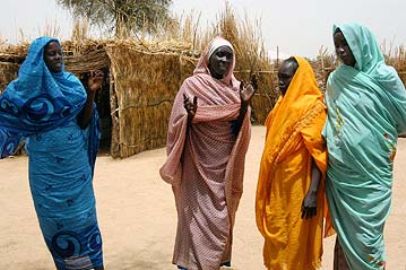
The European Union Delegation, Norway and Switzerland embassies in Sudan Tuesday expressed concern over the case of a Sudanese girl sentenced to death for killing her husband who raped her because she refused to be married to him.
Last Thursday, a Sudanese court in Omdurman sentenced Noura Hussein, 19 years, to death after her husband’s family refused to accept financial compensation.

Activists seek to mobilise the international community over Noura’s case, while her lawyers prepare to appeal against the verdict.

“The Ambassadors of the resident EU, Norway and Switzerland Embassies in Sudan are following with close attention and concern the situation of Noura Hussein, who has been recently sentenced to death for killing her husband after being forced into marriage and allegedly raped,” reads a statement issued in Khartoum on Tuesday.

The statement underlined the firm opposition of their countries to the death penalty whatever the place and circumstances. It further added that “They also remain fully committed to the universal abolition of this cruel and inhumane punishment which is a serious violation of Human rights and human dignity”.

The European diplomats further called on “all States” to join a moratorium on the death penalty. Further, they pointed to the principle of the 1948 Universal Declaration of Human Rights which provides that “marriage shall be entered into only with the free and full consent of the intending spouses.”

May 18, 2018 0 comments
0 FacebookTwitterPinterestEmail
Media Freedom

Norway: 1,700 journalists on strike at NRK public broadcaster

by Nadarajah Sethurupan May 18, 2018
written by Nadarajah Sethurupan

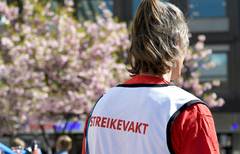
The International and European Federations of Journalists (IFJ and EFJ)  supported the strike by 1,700 journalist members of their affiliate, the Norwegian Union of Journalists (NJ), at the Norwegian Public Service Broadcasting NRK.

The workers went on strike  after the negotiations and mediation over a new collective agreement failed.

The IFJ and EFJ, together with the Broadcasting Expert group, expressed their solidarity with the NJ and journalists on strike at NRK.

According to the NJ, the NRK wants to replace around 100 journalists every year. During the negotiations, the NJ demanded that NRK takes responsibility for necessary mid-career training, refresher courses and competence enhancing opportunities needed for their future.

They also want the NRK to close the pay gap of their journalists and end precarious working conditions for some journalists who are on temporary contracts, especially freelances. In a statement, the NJ said: “Colleague journalists with precarious contracts in NRK earn less than the permanent staff. We demand equal conditions for temporaries and freelancers.”

Journalists at the NRK fear that their workload will increase while their pay remains the same. The union says that NRK journalists earn less than their colleagues in the other big media houses. According to the NJ, NRK has in five years saved 500 million NOK (550.000 EUR) because journalists work faster and smarter. NRK has rationalised and saved money through the last three annual bargaining processes and the journalists have accepted a new pension scheme that saves NRK 140 million NOK (15 million EUR) annually.

Both Federations support the Norwegian colleagues and their demand for equal pay for equal work.

May 18, 2018 0 comments
0 FacebookTwitterPinterestEmail
Crimes

Norwegian man took advantage of drunk woman, 24, at Clarke Quay and molested her

by Nadarajah Sethurupan May 18, 2018
written by Nadarajah Sethurupan

SINGAPORE – When he came across an intoxicated woman sitting outside a nightspot at Clarke Quay, a Norwegian national pretended to comfort her but instead took advantage of her inebriated state.
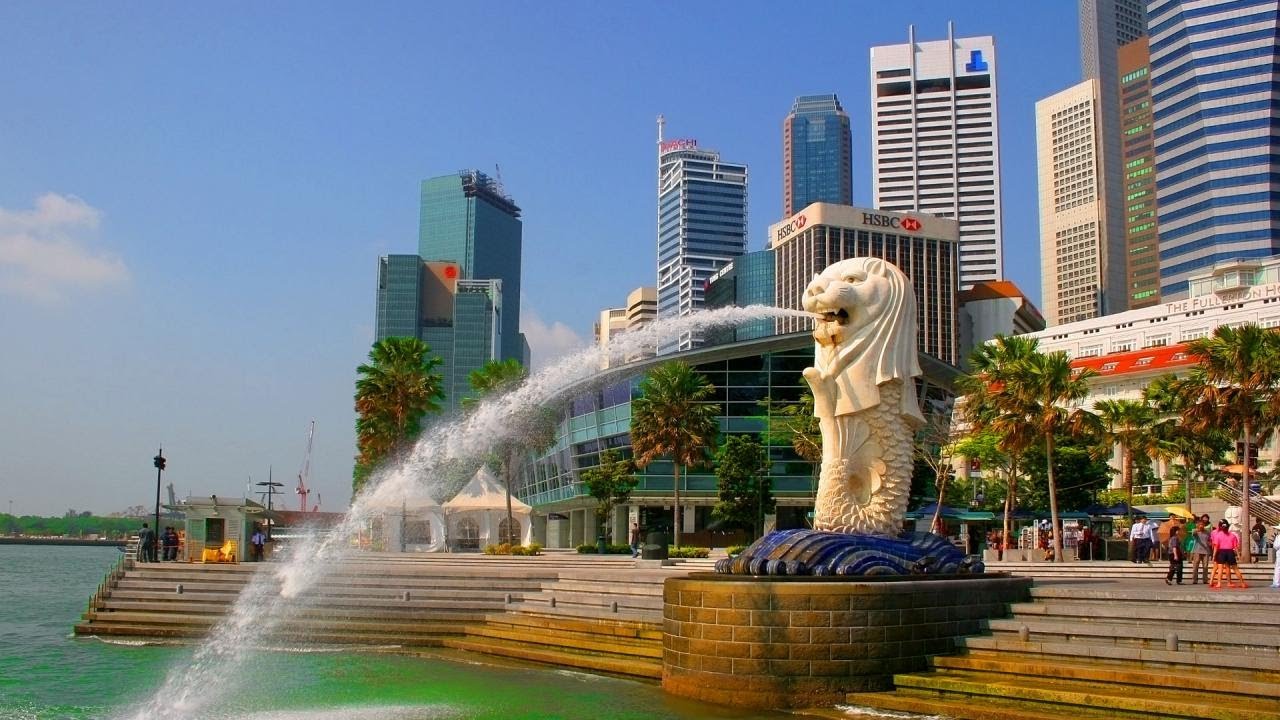
Gregersen Tommy, who was in Singapore on a work trip, molested the woman for a few minutes. When the victim’s cousin saw him with the woman, she pulled the victim away.

The 49-year-old pleaded guilty on Friday (May 18) to outraging the modesty of a 24-year-old woman on Aug 11 last year. She cannot be named because of a gag order.

Deputy Public Prosecutor Marshall Lim told the court that the victim had been at Zouk, a nightspot in River Valley Road, with her friends. After consuming some alcohol, she felt the urge to vomit and left the club alone.

While she was seated at a bench near the club, the accused, who had earlier visited various entertainment establishments to drink and dance, noticed her sitting alone and approached her.

After she threw up, he led her to another bench where they both sat, the court heard.

At this point, she received a call from her cousin, who was concerned after hearing her incoherent response in an earlier phone call. Tommy answered the call and told the cousin where the victim was before hanging up.

He then started patting her back on the pretext of comforting her. When she did not respond, he slipped his hand under her shirt and unfastened her bra before he fondled her.

When she still did not react, he became more daring and touched her private parts for a few minutes.

At this point, the woman was completely unresponsive and her head was bowed down, the court heard.

A few minutes later, the woman’s cousin arrived at the area, intending to take the woman home. When she saw the victim with Tommy, she quickly led her cousin away.

Court documents did not specify how the incident came to light.

Tommy is expected to return to court on May 25. For outraging the modesty of a woman, he could be jailed up to two years, fined, caned, or any combination of the three.

(straitstimes)
May 18, 2018 0 comments
0 FacebookTwitterPinterestEmail
Peace Talks

Norwegian statement on the South Sudan peace process

by Nadarajah Sethurupan May 18, 2018
written by Nadarajah Sethurupan

In a statement Norway welcomes that the IGAD High-level Revitalisation Forum (HLRF) for peace in South Sudan will reconvene on 17 May.
Read the statement here:

Norway welcomes the announcement that the HLRF will reconvene on 17 May 2018, and the fact that preparatory consultations are now underway. We hope that the consultations will bring a renewed sense of energy and commitment from the parties and will ultimately lead to lasting peace in South Sudan.

Previous rounds of talks delivered the Cessation of Hostilities Agreement (COHA), signed on 21 December 2017, and the start of discussions on key political and security challenges facing South Sudan. However, the talks have so far failed to make sufficient progress to generate real commitment and compromise.

Meanwhile, fighting and troop movements are continuing on the ground, and the rhetoric of war is being used to push the country deeper and deeper into crisis. The human suffering is intolerable and unnecessary. The UN, the Joint Monitoring and Evaluation Committee (JMEC) and others have expressed concern at the surge in violent clashes in many parts of the country, and Norway shares their concern. The renewed violence on the ground undermines the prospects for peace and impedes humanitarian assistance.

It is vital that those who violate the COHA face the consequences of their actions, as IGAD has already stated. The African Union has also called for a clearer response. Impunity for the perpetrators is unacceptable. Failure to publish violation reports as required under the Ceasefire and Transitional Security Arrangements Monitoring Mechanism (CTSAMM) and a lack of accountability for violations will undermine the integrity and credibility of the peace process. The Intergovernmental Authority on Development’s (IGAD) process must be underpinned by robust enforcement mechanisms.

We urge the countries in the region to speak with one voice and to back the revitalisation process and the enforcement of the COHA.

Alongside its Troika partners, Norway fully supports the IGAD process for revitalising the 2015 peace agreement. There can be no military solution to the conflict in South Sudan. Only the political will to compromise and the dedication to adhere to an inclusive negotiated agreement can bring peace and a long-term shift in conditions that will make it possible to hold elections in South Sudan.

Norway calls on all parties to make compromises during the upcoming session of the HLRF and to deliver an inclusive and revitalised peace agreement, for the benefit of the people of South Sudan and the region as a whole.

May 18, 2018 0 comments
0 FacebookTwitterPinterestEmail
Srilanka and Norway

Sri Lankan children among immigrants living in poverty in Norway

by Nadarajah Sethurupan May 17, 2018
written by Nadarajah Sethurupan

Sri Lankan children are among immigrants living in poverty in Norway, the Xinhua news agency quoted the Aftenposten Norwegain newspaper as reporting.
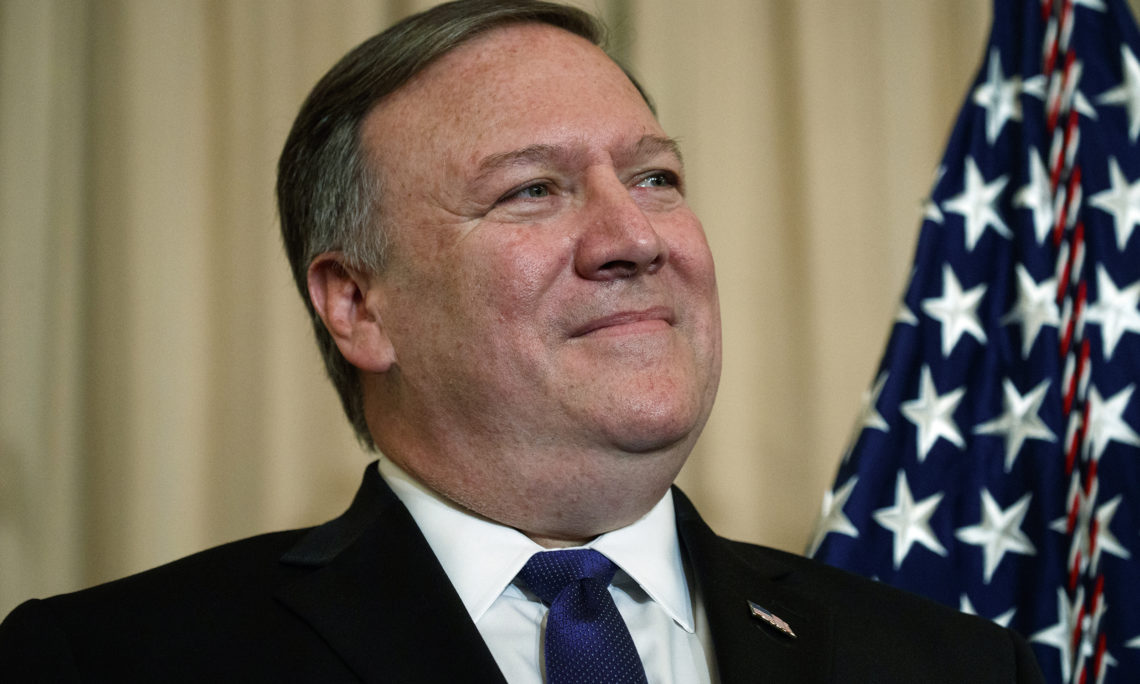
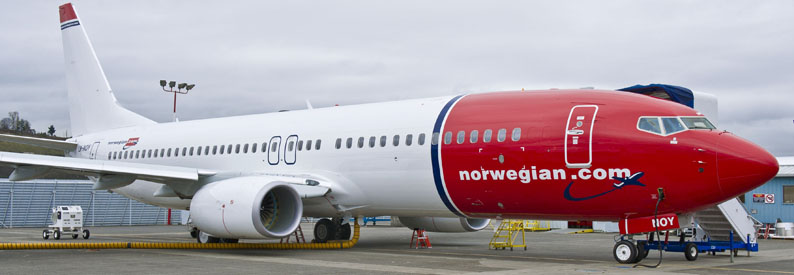
Fresh numbers from Norway’s statistics bureau showed nearly four in 10 immigrant children in the Nordic country live in poverty.

The data from Statistics Norway (SSB) showed 101,000 children under the age of 18 lived in poor families in 2016, which is an increase from 10 percent of all children in 2015 to 10.3 percent in 2016. This proportion is equivalent to 3,000 children.

The report also showed that the poor conditions in which children live often vary with the country of the families’ origin.

In 2016, 75 to 79 percent of children from Syria and Somalia lived in families with persistent low income, while the proportion was lower, but still more than 50 percent, for children with backgrounds from Iraq, Afghanistan and Eritrea.

Less than 20 percent of children with backgrounds from India, Bosnia, Sri Lanka, the Philippines and Vietnam, on the other hand, live in poverty, the report said.

The figures also showed that the proportion of all children in poor families of both Norwegian and non- Norwegian background had risen from 7 per cent in 2006 to 10.3 percent in 2016.

“A lot of this can be explained by the fact that more children in the low income group have only one family provider,” SSB wrote in the report.

Namely, nearly half of children with permanent low income, of non-immigrant background, lived with a single mother or father in 2016, the report said.

May 17, 2018 0 comments
0 FacebookTwitterPinterestEmail
Norwegian American

USA Secretary of State Mike Pompeo in connection with Norway’s National Day on May 17

by Nadarajah Sethurupan May 16, 2018
written by Nadarajah Sethurupan

Secretary of State Mike Pompeo listens as President Donald Trump speaks during a ceremonial swearing in at the State Department, Wednesday, May 2, 2018, in Washington. (AP Photo/Evan Vucci)

“On behalf of the Government of the United States of America, I extend my warmest congratulations to all Norwegians on your 204th anniversary of Constitution Day.

Norway is one of the United States’ strongest partners and Allies. We admire your leadership in NATO, the UN, and in the Arctic Council. Your support across many fields, including energy development and coalition efforts to defeat ISIS, are invaluable. Millions of Americans can trace their roots back to Norway and the connections between our people continue to grow as over 4,000 Norwegians are alumni of U.S.-sponsored exchange programs. It is because of these ties that the United States and Norway continue to uphold a deep commitment to transatlantic unity and our shared democratic values.

To all Norwegians, Gratulerer med dagen. As you celebrate with children’s parades and wave your flags with pride this May 17th, I offer you my very best wishes on this Constitution Day and in the coming year.”

https://no.usembassy.gov/norway-national-day-statement-by-secretary-pompeo/

May 16, 2018 0 comments
0 FacebookTwitterPinterestEmail
Norwegian American

US Court rejects union attempt to overturn Norwegian’s permit

by Nadarajah Sethurupan May 16, 2018
written by Nadarajah Sethurupan

Norwegian 737-800 at Boeing Field
K65538

A US appellate court rejected an attempt by four employee unions to overturn a foreign air carrier permit awarded to Norwegian Air International, dealing a severe blow to labour’s 1.5-year-old campaign to block the low-cost-carrier’s so-called “flag of convenience” business model.

The order on 11 May by the US Court of Appeals shifts the unions’ legal battle against flags-of-convenience carriers to Congress.

The US House of Representatives has proposed in a reauthorisation bill for the Federal Aviation Administration to make foreign air carrier permits contingent on proving they would serve in the public interest.

The Air Line Pilots Association, International, one of four unions that challenged Norwegian’s permit, is now calling on the Senate to insert the same provision in their version of the FAA reauthorisation bill.

“While we are disappointed, ALPA is no less determined in calling for the United States to enforce its trade agreements and ensure US workers have a fair opportunity to compete internationally,” says Tim Cannoll, ALPA president.

ALPA’s opposition to Norwegian Air International’s operations in the USA began more than five years ago.

Norwegian Air International applied to the Department of Transportation for a foreign carrier permit in December 2013. The carrier’s parent, Norwegian Air Shuttle, is based in Norway, but the application called for Norwegian Air International to be based on Ireland, a member of the European Union with less costly labour standards. Moreover, Norwegian Air Internationalcontracted with a Singapore-based firm to provide flight and cabin crews.

Three years later, DOT approved Norwegian Air International’s permit to operate scheduled passenger flights to the USA in December 2016.

Three unions – Association of Flight Attendants-CWA, Allied Pilots Association and Southwest Airlines Pilots Association – joined with ALPA to challenge the DOT order.

In the 11 May ruling, the Court of Appeals rejected both of the unions’ arguments by pointing to the precise wording of the statute used by the DOT to evaluate applications for foreign air carrier permits.

The unions’ argued that Norwegian’s application could only be approved if it serves the public interest, but the Court of Appeals noted that the statute plainly says that such permits have two paths to approval. The DOT is allowed to approve applications of carriers designated by their national governments to provide public transportation, or if the permit would serve the public interest.

“Attempting to convince us that ‘or’ really means ‘and’, the Unions point to the statute’s history,” according to the court’s ruling. “In doing so, however, the Unions run afoul of a fundamental principle of statutory interpretation: where the text is unambiguous, as it is here, courts may not look to history.”

Further, the court also rejected the union’s second argument, which stated that the DOT is required to comply with a provision in the air transport agreement with the EU that certain principles “shall guide” decisions, including an appreciation of the “benefits that arise when open markets are accompanied by high labour standards”.

But that statement of principle “imposes no specific obligations on the [DOT] when considering a permit application”, the court’s ruling shows.

May 16, 2018 0 comments
0 FacebookTwitterPinterestEmail
Newer Posts
Older Posts

Norwegian Nobel Prize 2024

101207 The Norwegian Nobel Committee has decided to award the Nobel Peace Prize for 2024 to Japan’s Hiroshima bomb survivor group Nihon Hidankyo.

Special Interest

  • Africa and Norway
  • Asia and Norway
  • Asylum
  • China and Norway
  • Corruption in Norway
  • Crimes
  • Defence
  • Diplomatic relations
  • Economics
  • Environment
  • Farming
  • Killing
  • Media Freedom
  • Middle East and Norway
  • NATO and Norway
  • Nobel Peace Prize
  • Norwegian Aid
  • Norwegian American
  • Oil & Gas
  • Peace Talks
  • Politics
  • Racism in Norway
  • Religion
  • Russia and Norway
  • Royal House
  • Science
  • Sex scandal
  • Sports
  • Spy War
  • Srilanka and Norway
  • Svalbard
  • Terrorist
  • Taiwan and Norway
  • Video clips

Follow Us

Recent Posts

  • Norway and Germany sign defence arrangement

    February 15, 2026
  • China hopes Norway will play a role in the Europe ties

    February 15, 2026
  • Norwegian cross-country skier breaks Olympic medal record

    February 15, 2026
  • Norway police search former PM’s properties in Epstein links probe

    February 12, 2026
  • Afghan National Killed in Norway

    February 11, 2026
  • Việt Nam strengthening cooperation with Norway: Việt Nam FM

    February 11, 2026

Social Feed

Social Feed

Editors’ Picks

Norway opens market for Sri Lankan fish exports...

May 13, 2016

Sri Lanka – Nordic Business Council holds discussions...

May 15, 2016

Good governance to Sri Lanka

May 15, 2016

Shock and Joy in Sri Lanka – Erik...

May 15, 2016

Sri Lanka-Norway plenty of new opportunities for business–...

May 15, 2016

NORWAY NEWS is an online news site, written in English, dedicated to Norwegian affairs at home and abroad. Norway News.com is published online. It is a daily online newspaper in existence since May, 2003. The site is run by an Independent Journalist.

Facebook Twitter Youtube

Useful Links

    • Work With Us
    • Contact Us
    • Collaboration
    • Data Collection
    • Workplace
    • Adverstising
    • Privacy Policy
    • International Collab
    • Feedback
    • Terms of Use
    • About Our Ads
    • Help & Support
    • Entertainment
    • News Covering
    • Technology
    • Trending Now

Politics

Syrian, Norway to boost cooperation on mine clearance
Erna to step down as Conservative Party leader in 2026
Norwegian Labour Party on re-election win

Latest Articles

Norway and Germany sign defence arrangement
China hopes Norway will play a role in the Europe ties
Norwegian cross-country skier breaks Olympic medal record
Norway police search former PM’s properties in Epstein links probe

Norway News 2025 . All Right Reserved. Designed and Developed by Norway News

  • Home
  • About us
  • Disclaimer
  • Contact us
NORWAY NEWS – latest news, breaking stories and comment – NORWAY NEWS
  • Home
  • About us
  • News
  • Other News
    • Africa and Norway
    • Asia and Norway
    • Asylum
    • Breaking News
    • China and Norway
    • Corruption in Norway
    • Crimes
    • Defence
    • Diplomatic relations
    • Economics
    • Environment
    • Farming
    • Featured
    • Health
    • Killing
    • Media Freedom
    • Middle East and Norway
    • NATO and Norway
    • Nobel Peace Prize
    • Norwegian Aid
    • Norwegian American
    • Oil & Gas
    • Peace Talks
    • Politics
    • Racism in Norway
    • Religion
    • Royal House
    • Russia and Norway
    • Science
    • Sex scandal
    • Sports
    • Spy War
    • Srilanka and Norway
    • Svalbard
    • Taiwan and Norway
    • Terrorist
    • Travel
    • Video clips
  • Disclaimer
  • Contact us
NORWAY NEWS – latest news, breaking stories and comment – NORWAY NEWS
  • Home
  • About us
  • News
  • Other News
    • Africa and Norway
    • Asia and Norway
    • Asylum
    • Breaking News
    • China and Norway
    • Corruption in Norway
    • Crimes
    • Defence
    • Diplomatic relations
    • Economics
    • Environment
    • Farming
    • Featured
    • Health
    • Killing
    • Media Freedom
    • Middle East and Norway
    • NATO and Norway
    • Nobel Peace Prize
    • Norwegian Aid
    • Norwegian American
    • Oil & Gas
    • Peace Talks
    • Politics
    • Racism in Norway
    • Religion
    • Royal House
    • Russia and Norway
    • Science
    • Sex scandal
    • Sports
    • Spy War
    • Srilanka and Norway
    • Svalbard
    • Taiwan and Norway
    • Terrorist
    • Travel
    • Video clips
  • Disclaimer
  • Contact us

Editor’s Picks

  • UN concern over Sri Lanka’s cases of enforced disappearances

    October 8, 2025
  • UN Human Rights Council Resolution on Sri Lanka’s Path to Reconciliation

    October 7, 2025
  • International should support Sri Lanka: Solheim

    October 4, 2024
  • Norwegian Meets Sri Lankan’s Challenges

    May 3, 2024
  • Norwegian Ambassador meets JVP in Sri Lanka

    May 2, 2024
  • “The man who didn’t run away” – Eric Solheim

    April 30, 2024

Newsletter

@2025 - All Right Reserved. Designed and Developed by Norway News