
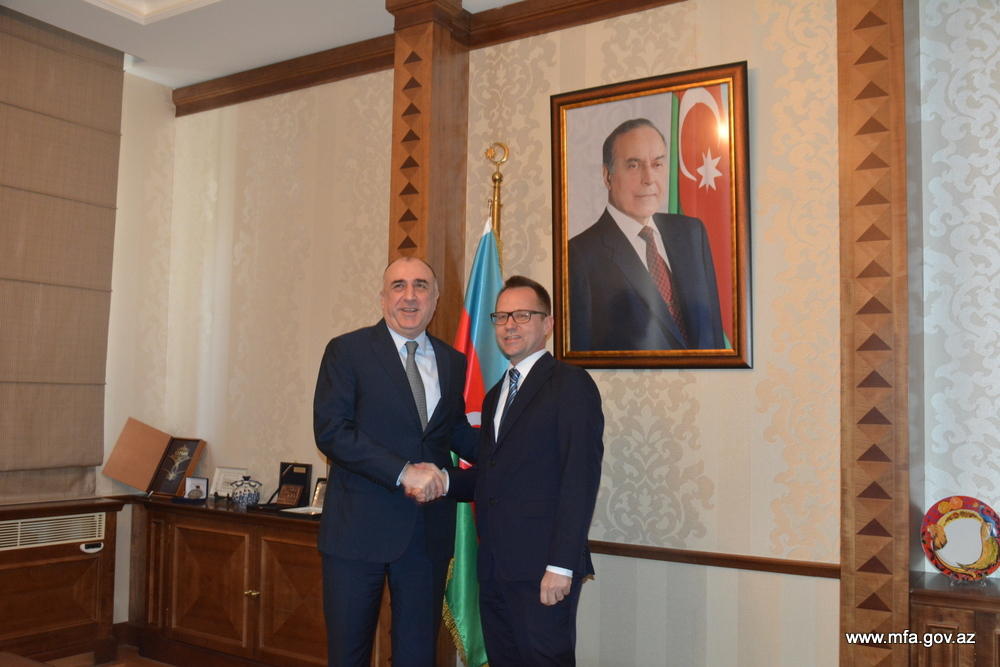
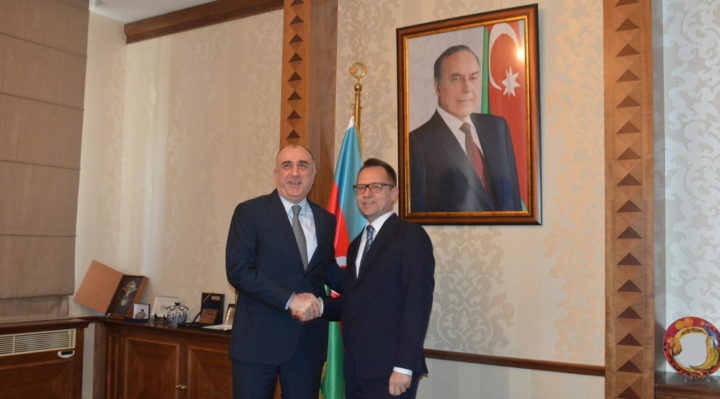
 Azerbaijani Foreign Minister Elmar Mammadyarov has received Ambassador of Norway Bard Ivar Svendsen in connection with the completion of his diplomatic mission in Azerbaijan, the Azerbaijani Foreign Ministry said in a message June 28.
According to the message, the reliable partnership between the countries in the energy sector was appreciated during the meeting.
The ambassador expressed gratitude to Azerbaijan for supporting diplomatic activity. Mammadyarov wished Svendsen success in further diplomatic activity.
Svendsen began to work as ambassador to Azerbaijan in September 2014.
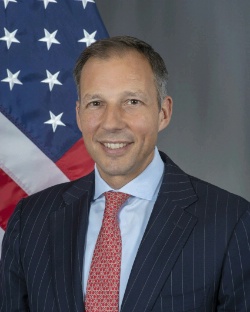
 Assistant Secretary Fannon: Yes. We very much welcome Greece’s work to diversify via LNG terminals as well as other critical infrastructure, especially the Interconnector Greece-Bulgaria, and the Vertical Corridor. These are critical steps to diversify and also creates a significant opportunity for Greece as it sits at a geographic competitive advantage to be really the doorway to export gas from Greece throughout the region.
 The first interstate council has weighed in on oil drilling in the Great Australian Bight after 11 South Australian local governments have voted their opposition to risky ultra-deepwater drilling in Australia’s southern seas.
 Norway is interested in developing cooperation with Ukraine in the field of energy efficiency.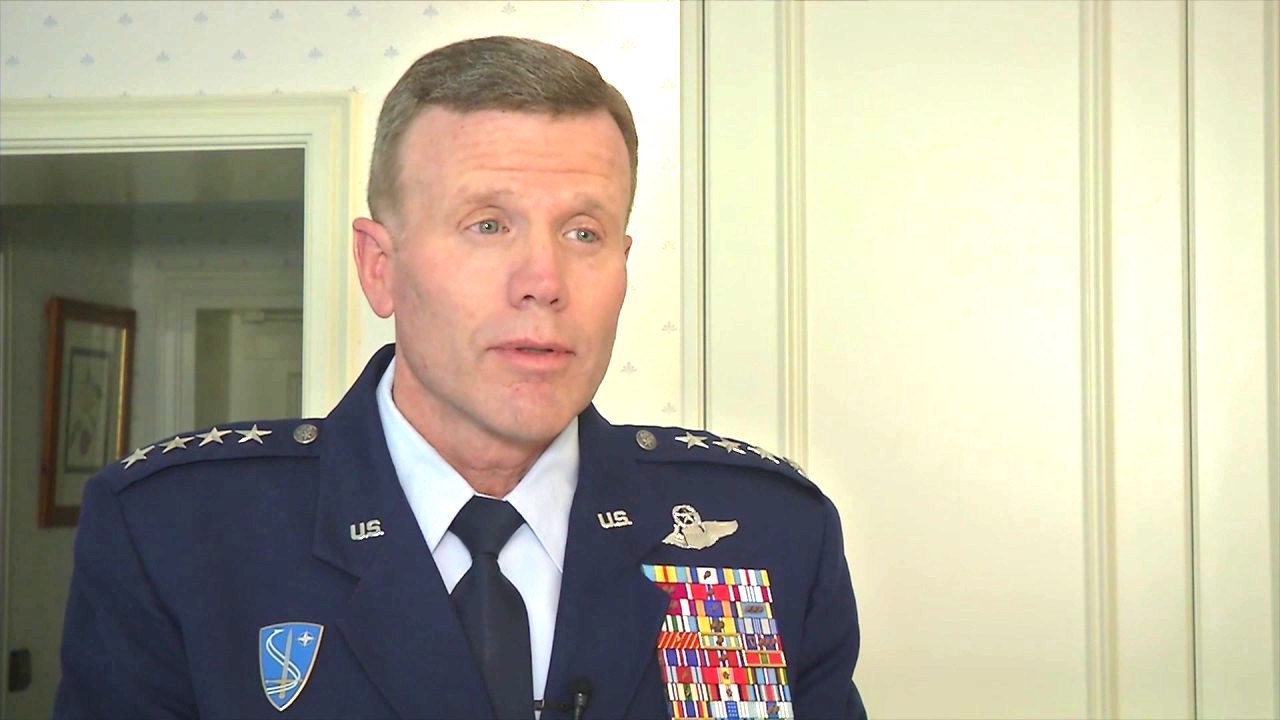
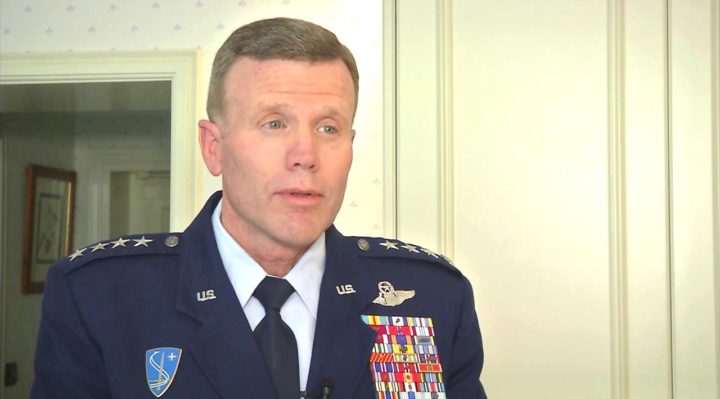 The top U.S. Air Force officer in Europe said Wednesday that his command is examining how military sites are spread out across Europe as part of a review to identify potential vulnerabilities.
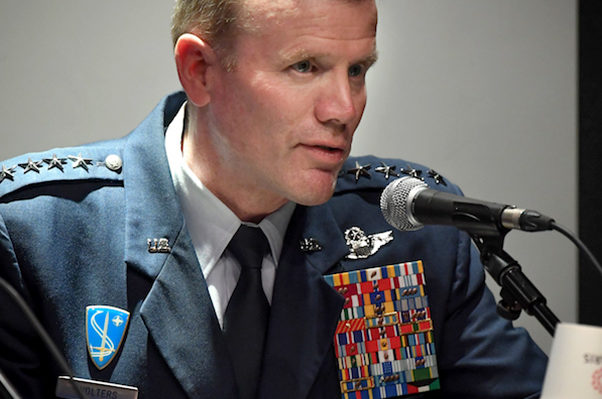 The Pentagon could soon be required to consider basing more servicemembers there and elsewhere in Europe, in keeping with pending federal legislation that calls for a military study.
 General Wolters: A great question and the first response I’ve got to offer is certainly that’s a decision that the German government and the German military should need to consider heavily. And we offer a wide array of selections that I think they should consider. And as we press forward in NATO what we continue to dialogue back and forth about is the tremendous relationship that exists between the German government, the U.S. government, the German military and the U.S. military. What I would advocate for is those contributions should enhance our ability to improve indications and warnings, to improve command and control, and to improve mission command. And I would just recommend that the German military looks at those three areas, and they have certainly been busy in doing so, and I’m absolutely positively convinced when it’s time for them to make the decision, whatever decision they make it will certainly enhance NATO’s ability to improve command and control indications and warnings and mission command.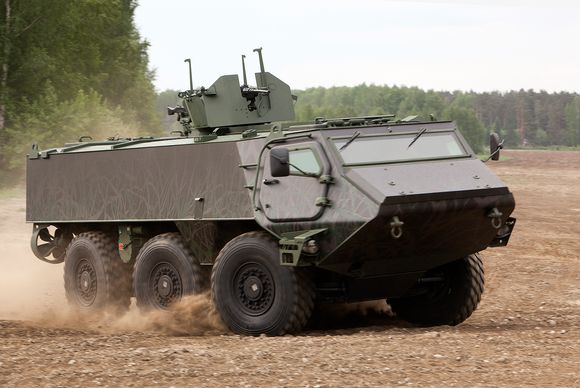
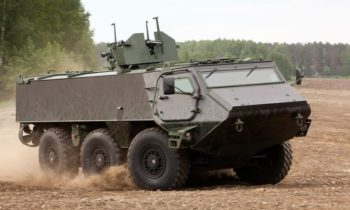 Norwegian media reports that Patria products from Finland have been spotted in use during Yemen’s brutal civil war.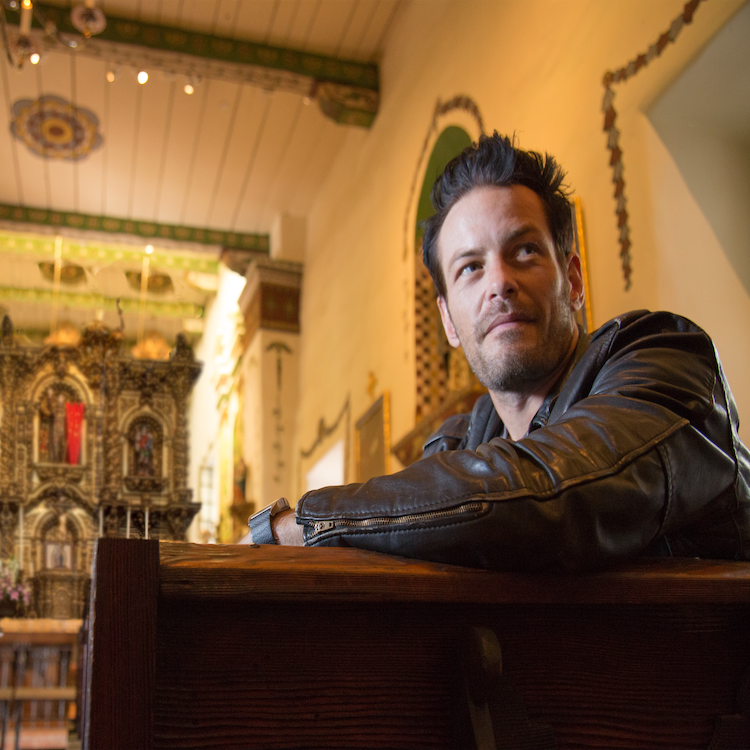
 Ry Bradley, the American recording artist that has had songs featured in hit U.S. TV series like Chicago Med and The Fosters, will be hosting Ry’s Rock and Roll Camp in Norway August 19-24, 2018. Registered campers will get the opportunity to work with Ry to build their songwriting, musicianship and performance skills as he guides attendees through the process of building a band. The week will culminate with one of camp’s bands getting the opportunity to open for Ry at the camp closing concert. Presented via an outreach program and partnership with the city of Ringsaker, Norway, Ry’s Rock and Roll Camp will be available free of charge for youth ages 12 to 20.
 outdoor activities, some love soccer/football and some love music. And many of us enjoy Ry Bradley’s music. He has been here in Ringsaker several times. It is a wonderful gesture to our young people that he is hosting Ry’s Rock and Roll Camp Norway in August. He’s giving back to the young talent and local youth via this learning opportunity! We are looking forward to August and for Ry’s return to Ringsaker.”

 Despite the new GDPR regulation entering into effect across Europe, Facebook and Google are manipulating users into sharing personal data by leveraging misleading wording and confusing interfaces, according to a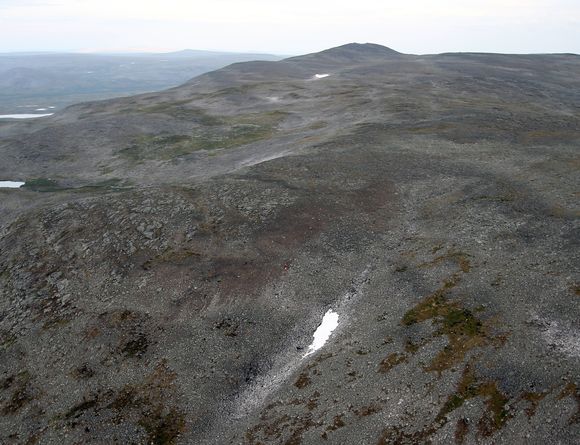
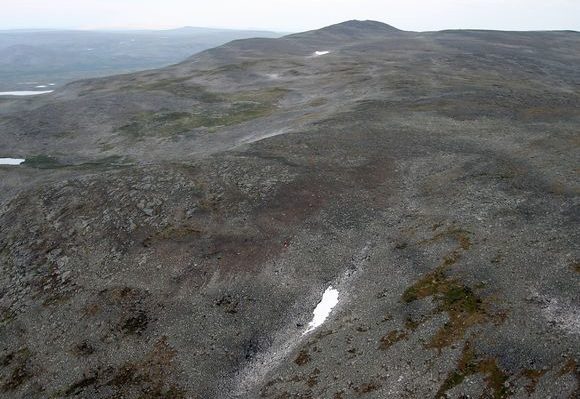 One man was killed and another person injured when a gyroplane crashed into the ground near the Norwegian border in Enontekiö, Lapland on Friday. The deceased is confirmed to be Morten Ruud, 57, a journalist for the Norwegian national broadcaster NRK.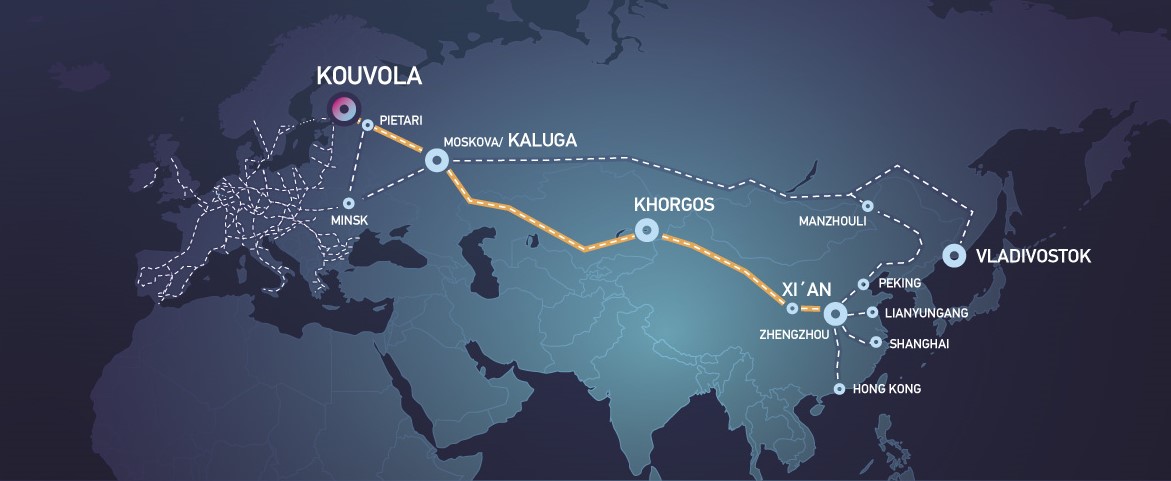
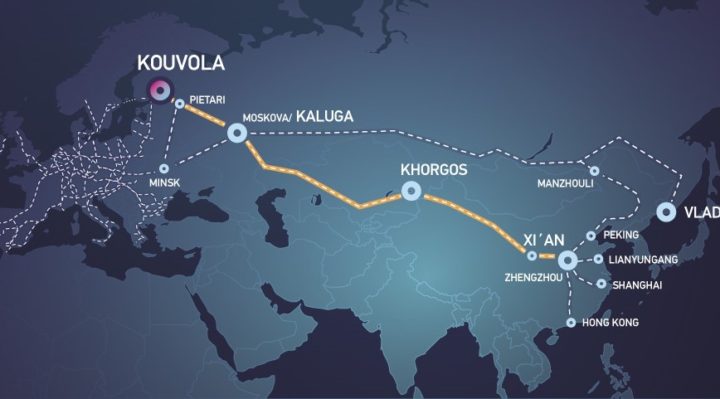 The first direct cargo train route linking China and Finland is being extended to Norway and Sweden as part of a Finnish city’s plans to establish itself as a Northern European logistics hub for China-bound rail freight.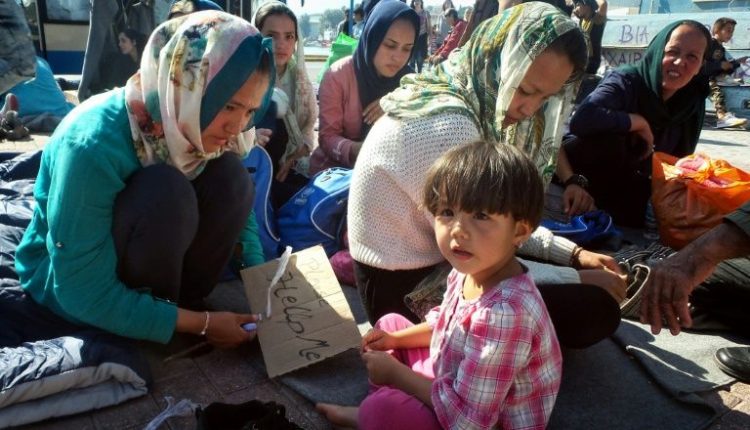
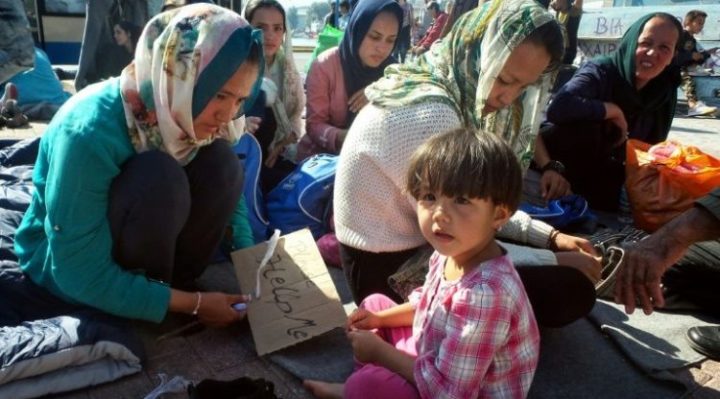 Norway and Denmark are closer than ever to establishing a children’s center in Kabul for unaccompanied Afghan minors whose asylum claims have been denied. The concept raises serious concerns under international law.





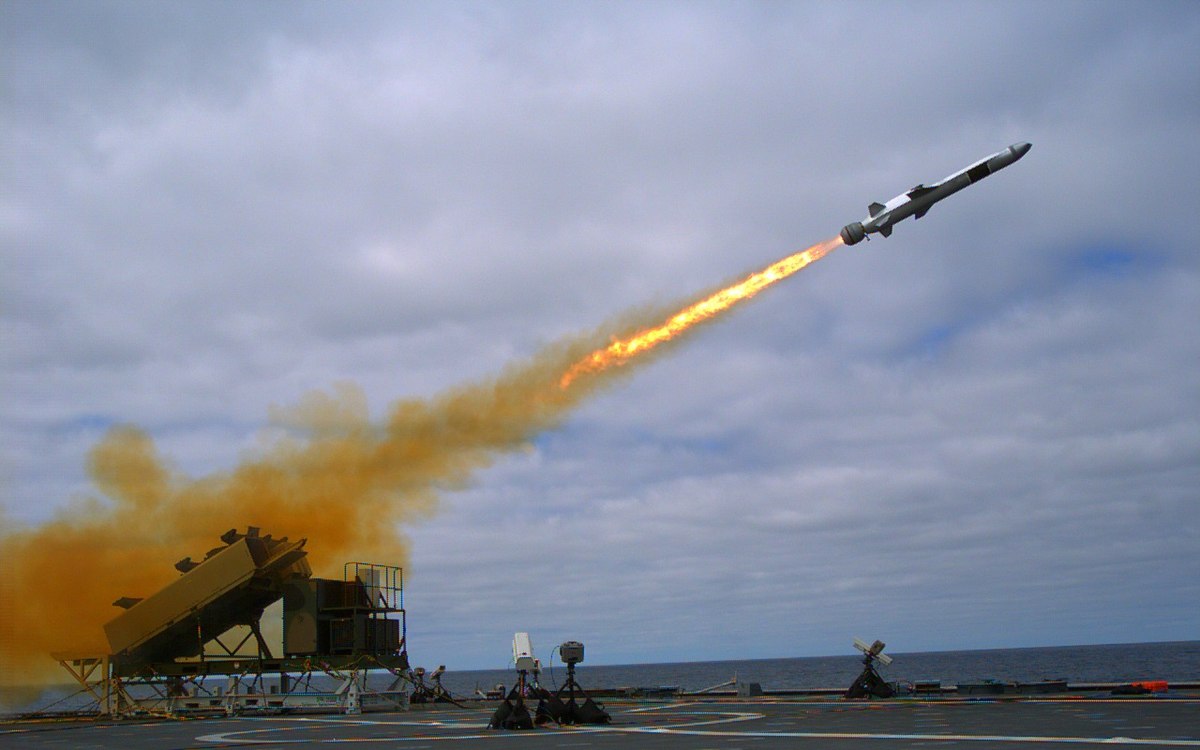
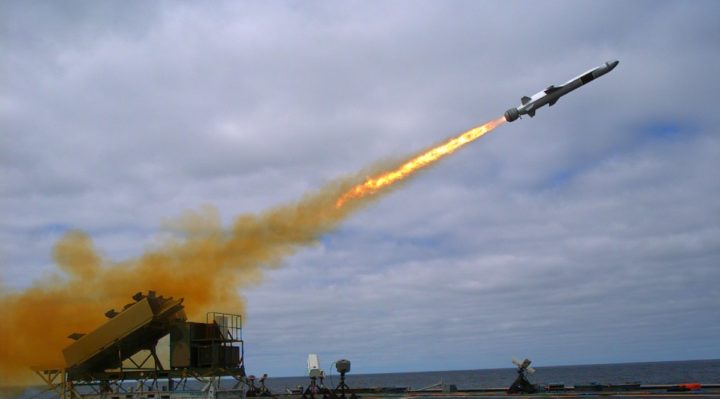 The U.S. Navy has selected the Norwegian Naval Strike Missile as its new

 In the mid 2000s, the Royal Norwegian Navy was looking to select a new anti-ship missile (ASM) to equip their ships. They looked at all foreign offerings, didn’t find any missile satisfactory, and instead drew up their own set of requirements. The requirements were: to meet the challenges of a future (up to 2040) ship-to-ship combat environment; to have a high probability of penetrating enemy air defense and countermeasures; to be effective in confined and open waters; and to be easily adaptable to different platforms.
 Police on Monday released Kadafi Zaman, a Norwegian journalist of Pakistani origin, who was arrested on July 13 at the time of a clash between the police and PML-N workers who were on their way to Lahore to receive Mian Muhammad Nawaz Sharif and Maryam Nawaz upon their return from London.
 ‘Mine clearance is crucial to prevent the loss of civilian lives, to ensure access for emergency aid, and to enable hundreds of thousands of internally displaced people to return safely to their homes. This is why we are now increasing our support for mine clearance in Iraq and Syria,’ Foreign Minister Ine Eriksen Søreide said.
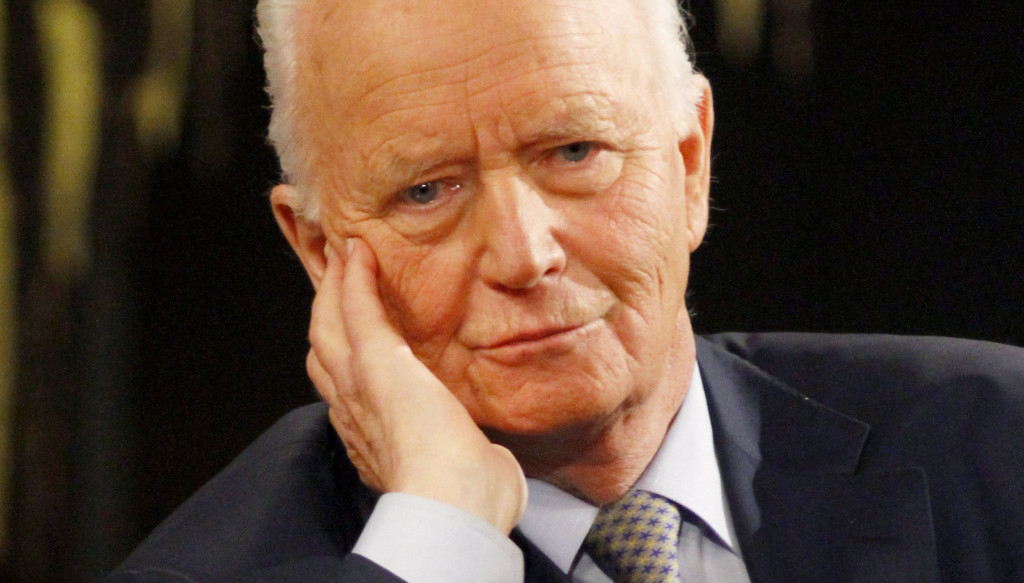
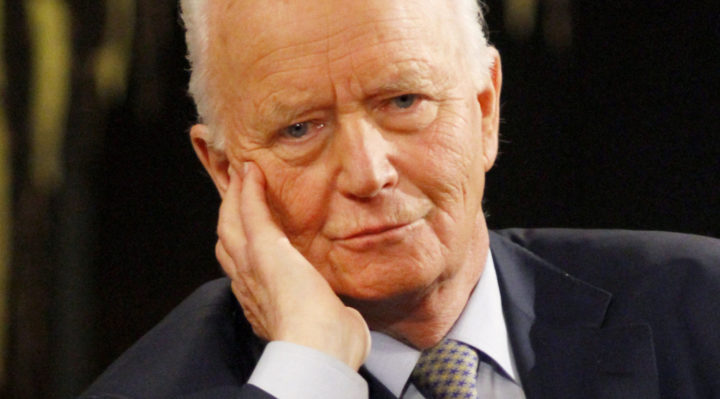 Former UN High Commissioner for Refugees Thorvald Stoltenberg passed away in Oslo on Friday.
 Prominent Remain supporters David Miliband (Labour), Nicky Morgan (Conservatives) and Nick Clegg proposed European Economic Area (EEA) membership on Monday as the best solution for the British economy.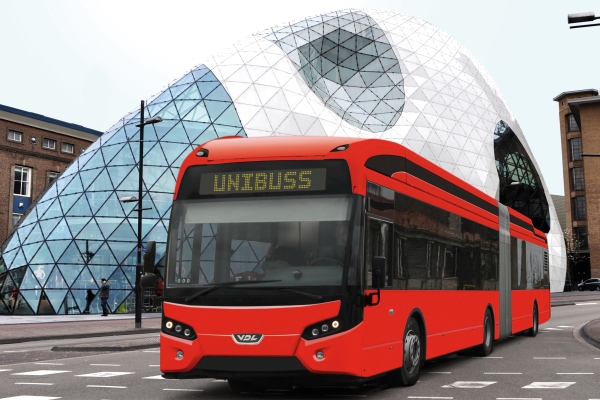
 Norwegian transit operator Unibuss AS is taking steps towards its goals of cutting the carbon footprint of its fleets by placing an order for 40 electric Citeas from VDL Bus & Coach for routes in Oslo, Norway.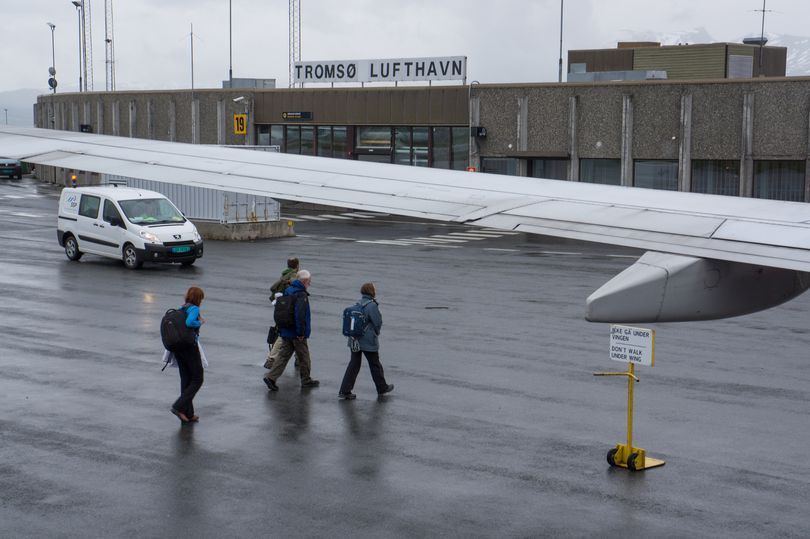
 A ‘drunk’ Irishman was arrested by police in Norway after he was caught smoking in an aeroplane toilet.
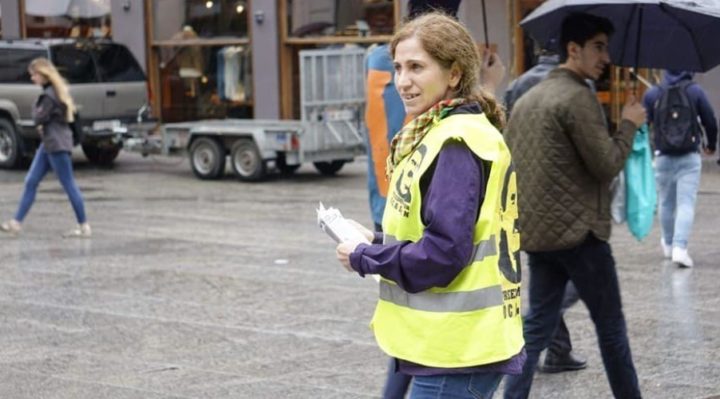 Kurdish female politician Gülizar Taşdemir who sought asylum in Norway for medical treatment in 2015, has been extradited to Turkey.